A Brief Encounter


What Does Relational Research Mean to Us?


By the Taos Institute Relational Research Network Coordinating Team: Tahereh Barati, Kristin Bodiford, Rocío Chaveste, Jerry Gale, Philia Issari, ML Papusa Molina, Ilana Reisz, Josep Seguí, Monica Sesma-Vazquez, Paloma Torres-Davila


The Taos Institute Relational Research Network is a global initiative to explore, share, learn, and create practices and processes for doing research from a relational perspective. We emerged as a collective with a common interest in research and we invite you to join.


We view relational research as a philosophical stance more than a method. It centers on processes, a way of being and becoming with each other, a way of thinking and having conversations and taking action together while doing research. 


There are certain conditions that characterize relational research. 


Relationships are centered 

Paying attention to how we are creating relationships: How are we radically present with each other? 


Knowledge is democratized and possibilities liberated

By focusing on social transformation and unfolding processes, space is provided for all voices to be included in research design, implementation, and sharing of knowledge generated through dialogue and action.


Embraces an ethic of responsibility and accountability

We aim towards social justice and equity with a collective responsibility and responsiveness to make this world a better place for all people and for all living things. 


Focuses on mutual transformation

The aim is that the research might benefit all research participants and communities involved in the process through meaningful narratives and participatory action.


Appreciates the values of connectedness and difference

A space is created where communion and otherness can coexist, and where relational reflexivity is possible. Relational research engages a sense of relational inquiry - engaging in active and embodied listening and empathic caring responsibilities.


Looks at patterns and systemic connections across and between ourselves, within ourselves, and between ourselves and the world 

Patterns that connect are attended to. From an ecological perspective, there's a sense of attunement of how the parts of the system align together. 


How do we perform relational research?


Relational research is an activity that psychotherapists, teachers, researchers, social workers and others can perform. In relational research we 1) maintain curiosity as we engage in action and 2) strive for collaboration and co-construction. Inquiry and projects are participatory with a common goal among all members of the project and involving everyone in the research. Many ask, is relational research a qualitative or quantitative method? By keeping these principles, it can possibly be both/either. 


When facilitating relational research processes there are helpful questions to consider. We ask every step of the way: Who is participating? Who is left out? How are we relating? What are we creating? For whom do we write, publish and distribute the results and processes of such research actions? Is it accessible in language and in economic terms? How is authorship registered? Who benefits from the results? Is everyone involved aware of its effects? How do we respond to unintended consequences of the research? 


You can find two inspiring examples of relational research showcased in the Taos Institute Commons online community: Community-Led Participatory Action Research Project on Well-Being in India, by Rituu B Nanda (see the recording in the Event Replays library), and Generative Research in the Anti-Human Trafficking System in Italy, with Giacomo Chiara on July 17 (click here for details.)


You are invited to join in learning with us. Hear people’s voices in the Relational Research Network Video Series and read examples in the free downloadable WorldShare book Social Construction in Action: Contributions from the Taos 25th Anniversary Conference, Part 1: Research and Research Practices. 


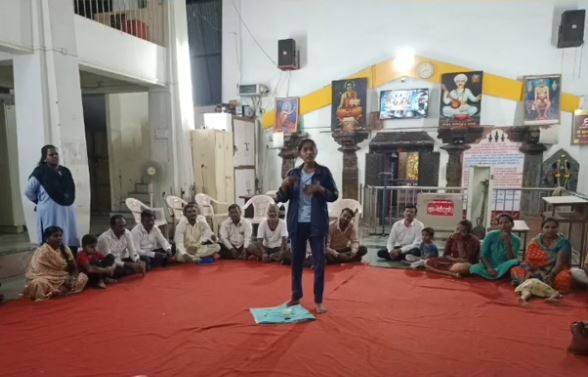
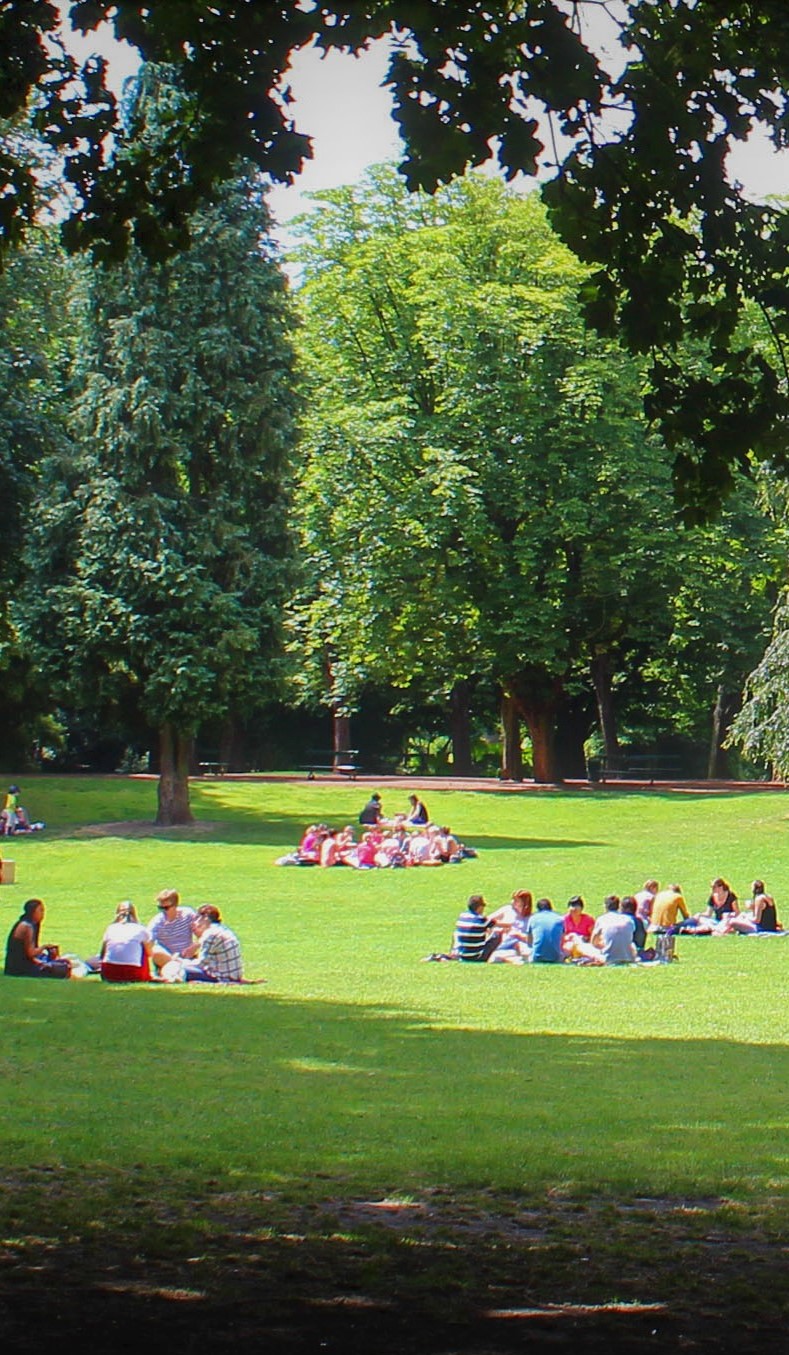
Photo credit: Village-led research in Nandwal Village, Kolhapur India, by Imran Mujawar


Thank you!


During the week of July 1-7, 2024, we celebrated the first Taos Institute Book Fair & Fundraiser by sharing new (mostly free) additions of Taos Institute Publications offerings. These included 6 new books in the free WorldShare Books series (Dynamic Relationships: Unleashing the Power of Appreciative Inquiry in Daily Living, Celebrating The Other: A Dialogic Account of Human Nature, Paths to Positive Aging: Dog Days with a Bone and Other Essays, Positive Approaches to Peacebuilding: A Resource for Innovators, Joined Imaginations: Writing and Language in Therapy, and Ken Gergen's new book, Passionate Pursuits: Selected Clearings from a Life in Dialogue) as well as the first two Taos audiobooks (The Relational Imperative: Resources for a World on Edge and Social Construction: Entering the Dialogue).


We are inspired by the overwhelming interest these books received and send our deepest gratitude to all of you who continue to support our mission of creating brighter future through social construction with your readings and charitable contributions. Thank you!


Courses & Workshops


September 9-October 14, 2024


Introduction to Social Construction


A 6-week online course with Celiane Camargo-Borges


This course is for students and practitioners who wish to explore how aspects of the world that are taken for granted are socially constructed, thereby opening space for alternative ways to engage in practice and with people. Whether you work in Education, Organizational Design and Leadership, Governance, Healthcare, Therapy, Community Development or you are simply looking for new ways to cope with today's complexity and fast pace of change, you will never see the world the same way.


By joining a Taos educational program, you will experience a constructionist way of being first hand! Unlike conventional content delivery and lectures, a small and diverse group comes together to co-create knowledge in an interactive, collaborative, and dialogical way so that each participant may bring social construction into their own work and life and discover the positive impact this paradigm shift has on society at large. More details.


"It exceeded my expectations: while we were talking, we were also practicing Social Construction! My posture on listening and being curious became more focused. It made space for me to relax a bit more and to feel more present in the moment."

~ M.S., Portugal, Spring 2024 cohort


What's Happening in the Commons


Join with over 1600 members from around the world in the Taos Institute Commons online community as we explore social constructionist, relational, and appreciative theory and practices. We invite you to attend the free events in the Commons to engage in rich dialogue, share valuable resources, watch event replays, and make meaningful connections with others interested in creating more promising futures, one conversation at a time. More details here.

Join in the Taos Institute Commons — it's free, quick and easy,

to become a part of our global family.


Taos Conversation:

Relationships, mirrors, and narratives

An example of generative research in the anti-human trafficking system in Italy


July 17, 10:00-11:00am EDT


This Taos Conversation takes as a starting point research that was developed during Taos Associate Giacomo Chiara’s Doctoral studies. The aim was twofold: on the one hand, to co-construct relational agency narratives with trafficking survivors, and on the other hand, to help promote processes of constructing relational mirrors and alternative narratives to the victimizing one by the anti-trafficking system. Details and registration available here.


Community Meet & Greet

Informal gatherings in the Taos Commons


August 5, 12:00-12:30pm EDT


Whether you are new to the Taos Institute Commons online community or already a member, we invite you to join this informal gathering to meet other Taos Institute Commons members and share stories of how you are applying (or hoping to apply) social constructionist, relational and appreciative approaches in your work and life. Stop by to say hello, we would love to meet you.


Dialogue with the Author

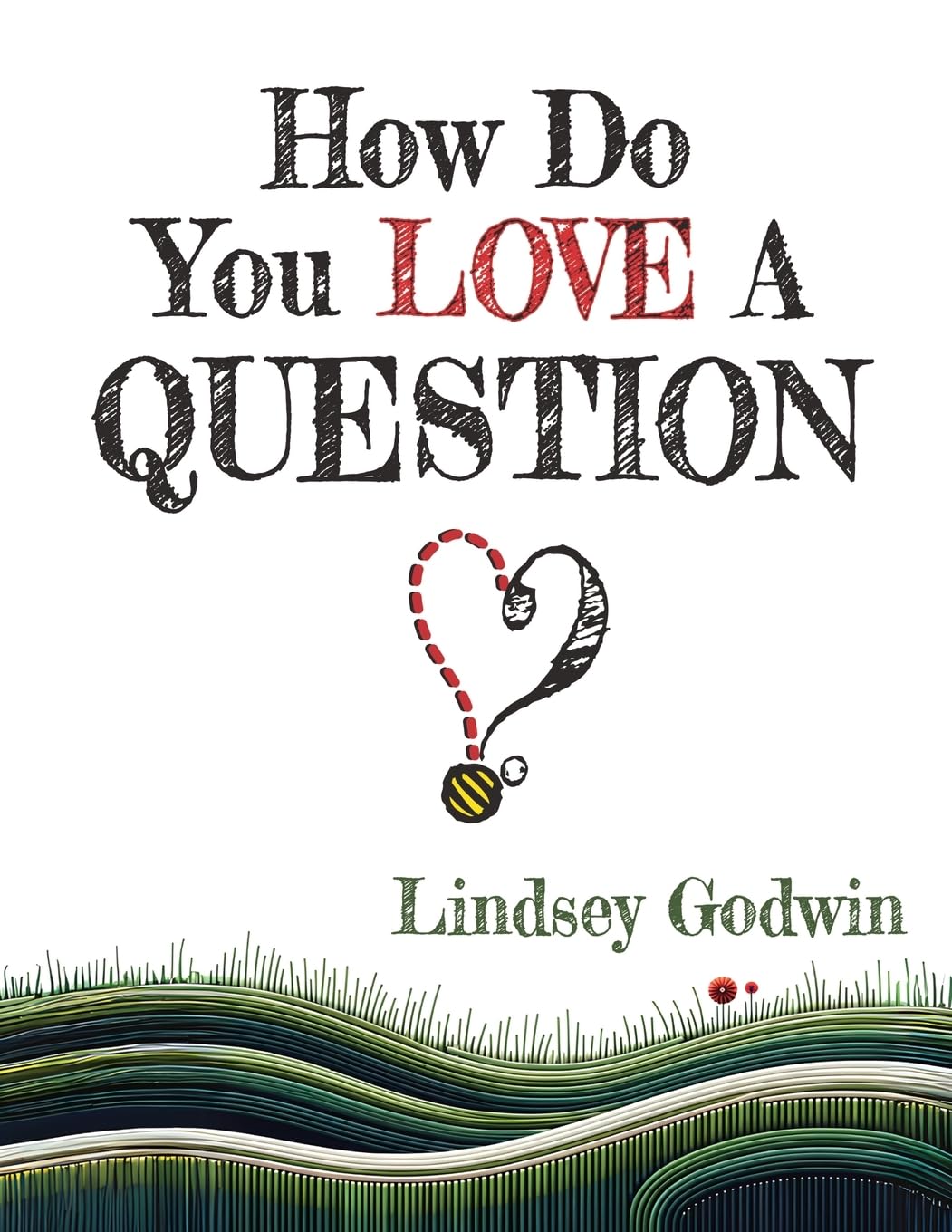
How do you Love a Question with Lindsey Godwin


August 23, 10:00-11:00am EDT


Join Lindsey Godwin for a conversation sparked by her latest children's book, "How Do You Love a Question?" As social constructionists, we know the transformative potential inherent in questioning and collaboratively constructing answers. In our dialogue, we'll explore how questioning not only ignites curiosity but also shapes our social fabric, nurturing profound connections and unveiling fresh outlooks. Let's explore the significance and sheer delight found in the art of questioning, recognizing that our journey of co-inquiry is an ever-evolving adventure, regardless of what our answers are! Register here.


Don't wait for our scheduled events. The Taos Commons is your community. Post book, job, or event announcements. Share resources or ideas in the Discussion forum and filter content by Topic. Watch an event replay. Reach out to other members or visit the Spanish and Portuguese groups... Engage in the Commons in ways that works for you!

Visit the Taos Institute Commons
 

Friends of Taos Events


Normalizing Ourselves for the Other - It's so Simple


August 11, 2024, 10:00am-1:00pm PST

This virtual conference focuses on the theme of Inviting Humanitarian Conversations Beyond Formulaic Relationships: Fostering Spaces for Cures, Wellness, and Healing from Mental Illness Narratives. What does it mean to “humanize conversations beyond formulaic relationships“? We’d like to invite you to join Dr. Susan Swim, founder of Now I See a Person Institute, and a panel of medical doctors, psychologists, master clinicians, recovery consultants, and coaches as they share their experiences and how a more humanized approach radically changed their lives and led them all towards finding freedom. Click here for details and registration.


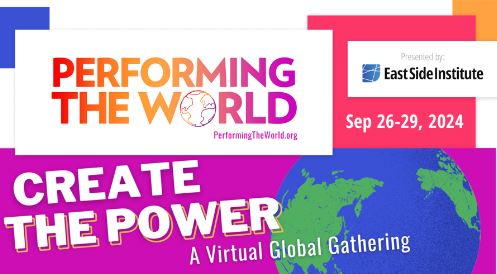
Performing the World 2024: Create the Power


September 26-29, 2024

A question facing those of us who want to make a more humane and sustainable world is, “What happens after the demonstration (or occupation or strike or uprising)?” How do we maintain social motion, pass our values on to new generations and continue to build power at the grassroots? Much of the struggle for social justice and human development around the world has been focused on what we’re against. For decades Public Enemy’s rap classic, “Fight the Power,” has been an anthem for millions. But what can it mean and how does it shape us if we are defined primarily by our opposition, our resistance, our against-ism? What if instead of simply fighting the power, we focused on creating the power? Details of Performing the World 2024 event are available here.


Relational Resources


One way the Taos Institute carries out its mission to create brighter futures through social construction is by creating and disseminating a wide variety of resources for scholars, practitioners, and students interested in dialogic and relational approaches. These free resources span many disciplines and languages. To suggest a resource, email info@taosinstitute.net.


This month's feature Decolonizing Methodologies: Can relational research be a basis for renewed relationships? This video produced as part of Concordia University's Living Knowledge community of practice is about the ways in which research can provide valuable opportunities to renew relationships by creating spaces for meaningful encounters and engagements and offer suggestions on how we can ensure that research outcomes benefit the community. Watch here.


Taos Institute Publications

Taos Institute Publications offers significant contributions to theory and practice in social construction. In addition to printed books, the WorldShare Book Series features over 80 free downloadable books in 15 languages.

Taos Institute Resource Library

The Taos Institute website is an extensive repository of resources, including recommended books and journals, manuscripts and dissertations, podcasts, videos, a positive aging newsletter archive, and more.

 
Support the Institute
 

The Taos Institute is a non-profit educational organization. We strive to keep our offerings free or at low cost to make social constructionist, relational, and appreciative ideas available to as many people as possible around the globe. Please consider supporting our mission of creating brighter futures through social construction by making a donation.

Make a Donation
 

Ways to Get Involved


Join our Free Online Community

Design your own Diploma Program

Explore Resources on Social Construction

Attend a Workshop or Free Event

Meet Taos Associates around the World

Volunteer your Talents to support our Mission

info@taosinstitute.net | www.taosinstitute.net

Forward to a friend

Facebook  Twitter  Instagram  Linkedin  Youtube