Featured Content

Care of Newly Planted Trees

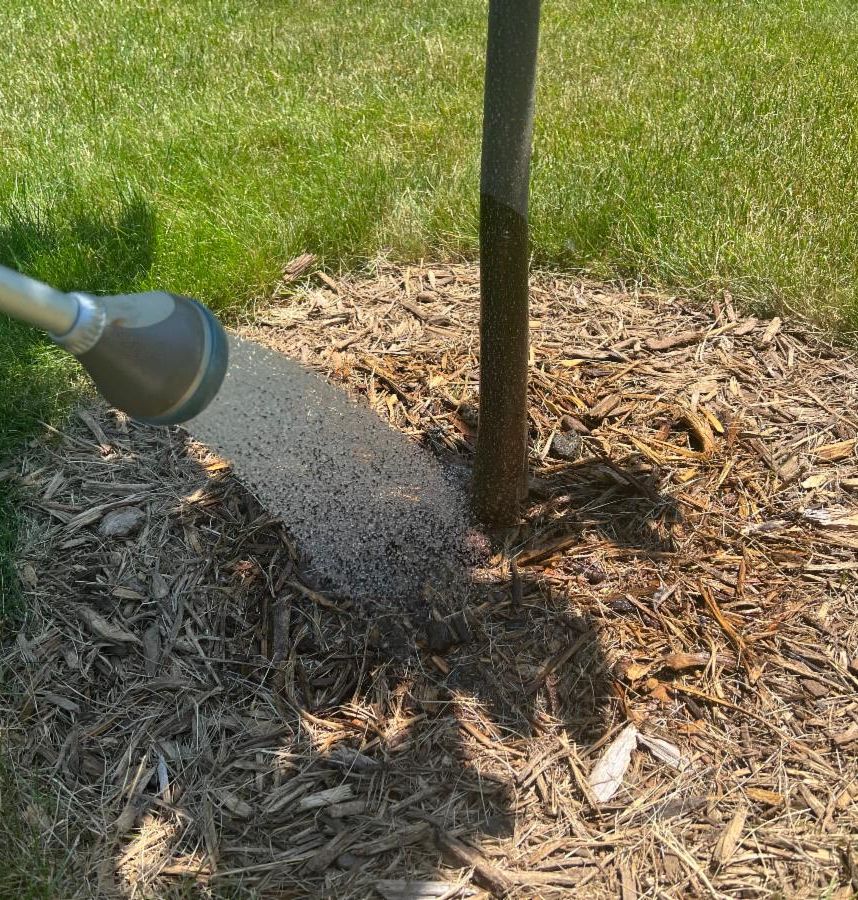
Fall is a critical time for newly planted trees. Even as temperatures cool, young trees need consistent moisture to establish strong roots before winter. This regular moisture is important because their roots are still confined to a relatively small area and can dry out quickly. Consistent watering now can improve winter survival and promote vigorous growth next spring.

Watering the base of a newly planted tree.

Garden Trivia


True or False? Asters native to North America are more closely related to goldenrods (Solidago) than they are to the asters native to Eurasia.


Read on to see the answer!

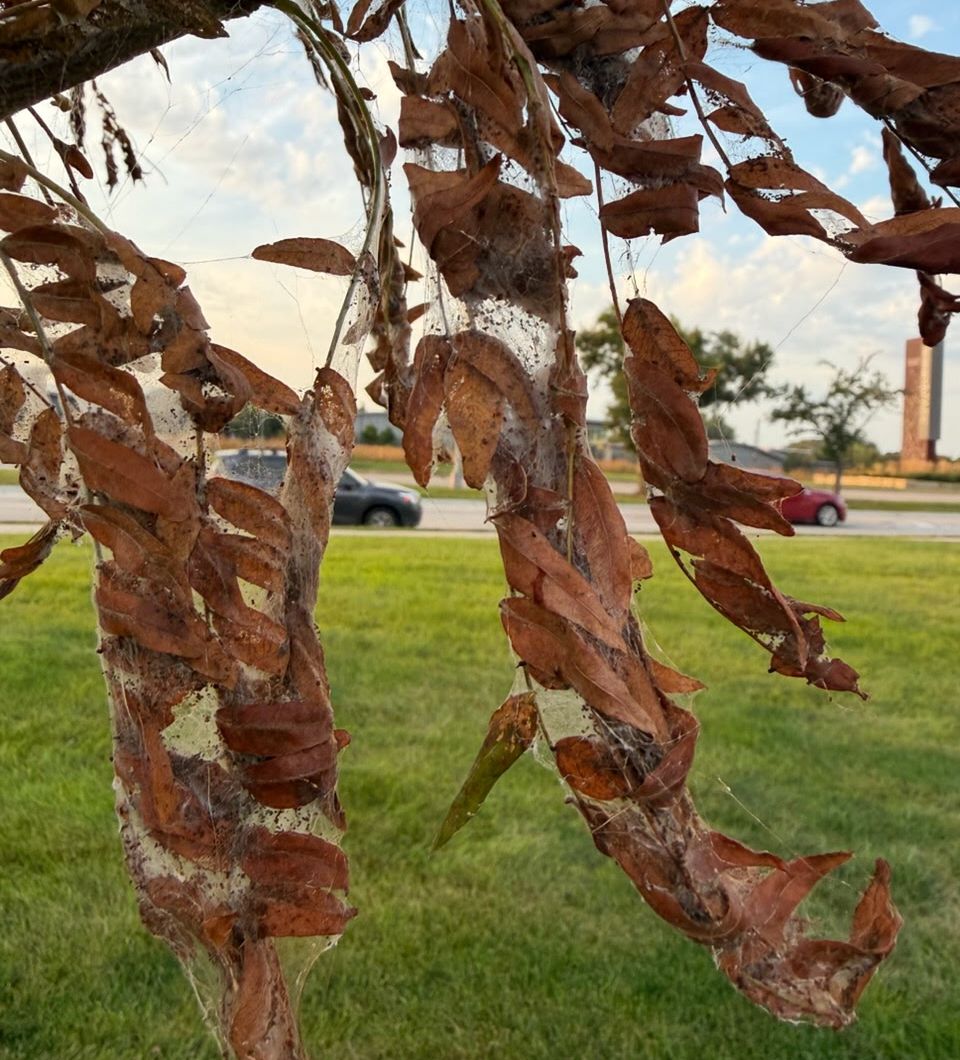
Clusters of brown locust leaves surrounded in webbing.

Seeing Brown Leaves on Locust Trees? Mimosa Webworm is the Culprit

Have you noticed that just about every locust has a lot of brown leaves?This is being caused by the non-native insect, the mimosa webworm. Learn how the mimosa webworm causes this common late-season damage and why treatment is rarely warranted.

Late Summer and Fall Lawn Care

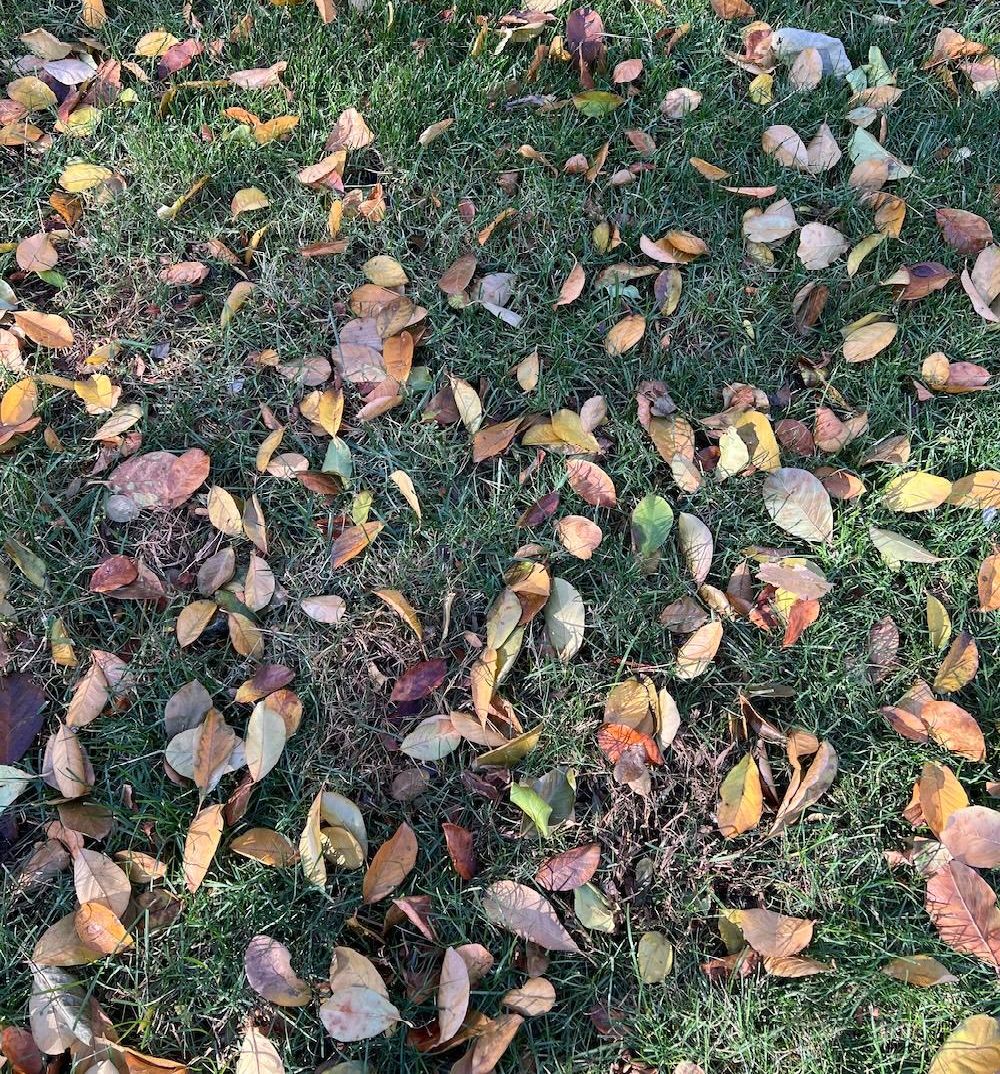
If your lawn struggled through the summer, now is the time to help it recover. September and early fall are ideal for aerating, overseeding, fertilizing, and controlling broadleaf weeds, helping create a thicker, healthier lawn next year. Learn which lawn care tasks will have the biggest impact this fall.

Fall leaves on the lawn.
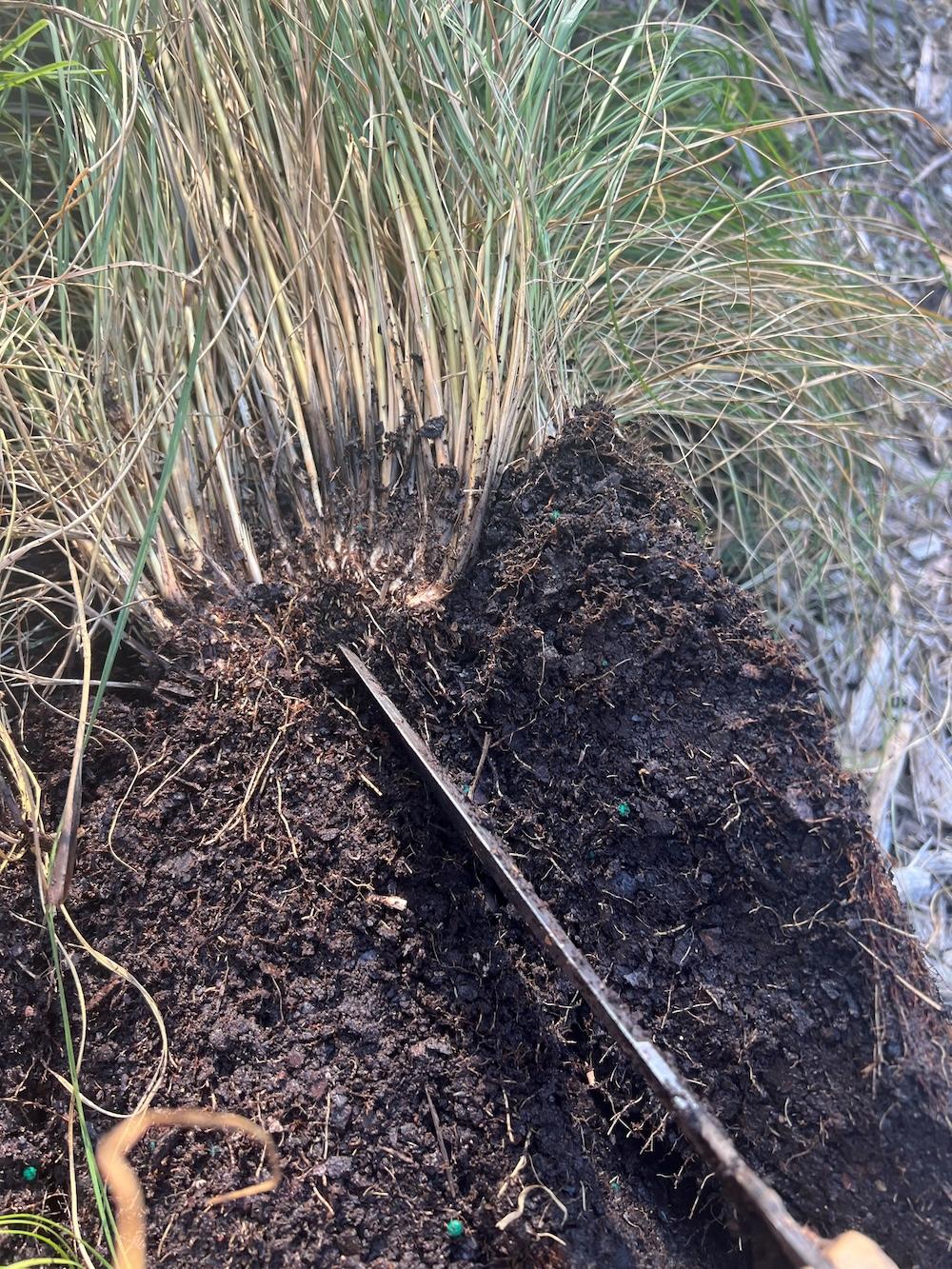
Dividing perennials grass.

Which Perennials Can be Divided in Late Summer?

If some of your perennials are becoming overcrowded, producing fewer flowers, or developing bare centers, fall may be the perfect time to divide them. Dividing certain perennials every few years can rejuvenate plants, improve flowering, control spread, and provide extra plants to share throughout the landscape. Learn which perennials benefit from fall division and which are best left until spring.

Growing Garlic in the Home Garden

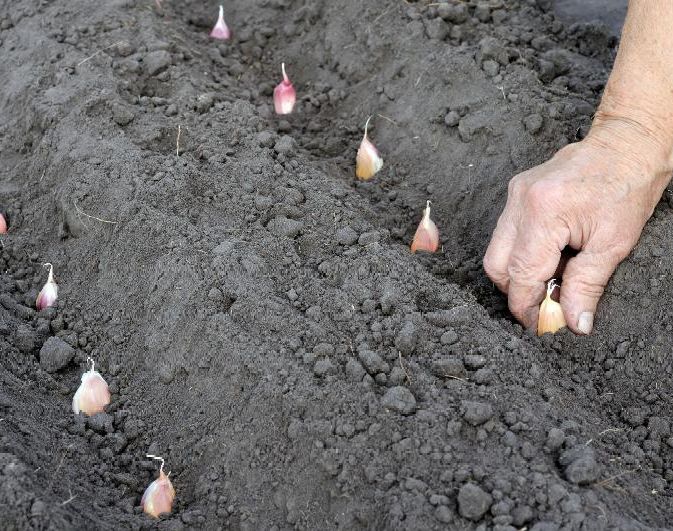
Fall is the ideal time to plant garlic in Iowa. Planting cloves in late September through October allows roots to develop before winter, leading to larger bulbs at harvest next summer. Learn how to select, plant, and care for garlic this fall to be rewarded with fresh, flavorful bulbs next year.

Planting garlic in the garden.

Garden Trivia Answer


True! Most of the plants we commonly call asters in North America, like New England Aster, aromatic aster, and calico aster, are no longer classified in the genus Aster. DNA research in the 1990s showed that North American asters belong to closely related genera such as Symphyotrichum and Eurybia, which share a more recent common ancestor with goldenrods (Solidago) than with the true asters (Aster) native to Europe and Asia. So while they look similar to Eurasian species like Italian aster and Tatarian aster, Iowa's native asters are actually more closely related to goldenrods than to the asters native to Eurasia. Learn more in this article from the American Gardener.

Other Items of Interest

Yard and Garden Website

Master Gardener Program

Plant and Insect Diagnostic Clinic

Iowa State Extension and Outreach

See past issues.

Facebook  X  Instagram  
 
Not yet subscribed? Subscribe to receive all the latest Iowa Gardening News!
Have a gardening question? Contact your local Extension office.
After reading this newsletter, I plan to do something differently in my garden.
Thumbs up        Thumbs down
Iowa State University Extension and Outreach wordmark.