We’re enjoying the myriad creative efforts to explain COVID to kids, including videos like this one with Dr. Fauci.
|
|
"As we slouch into Month 7 of the pandemic, the mental health impact on parents remains significant and shows no signs of abating. Though the pandemic has certainly affected the mental health of all demographics, research from the American Psychological Association showed that in April and May, parents with children at home under 18 were markedly more stressed than non-parents."
|
|
|
|
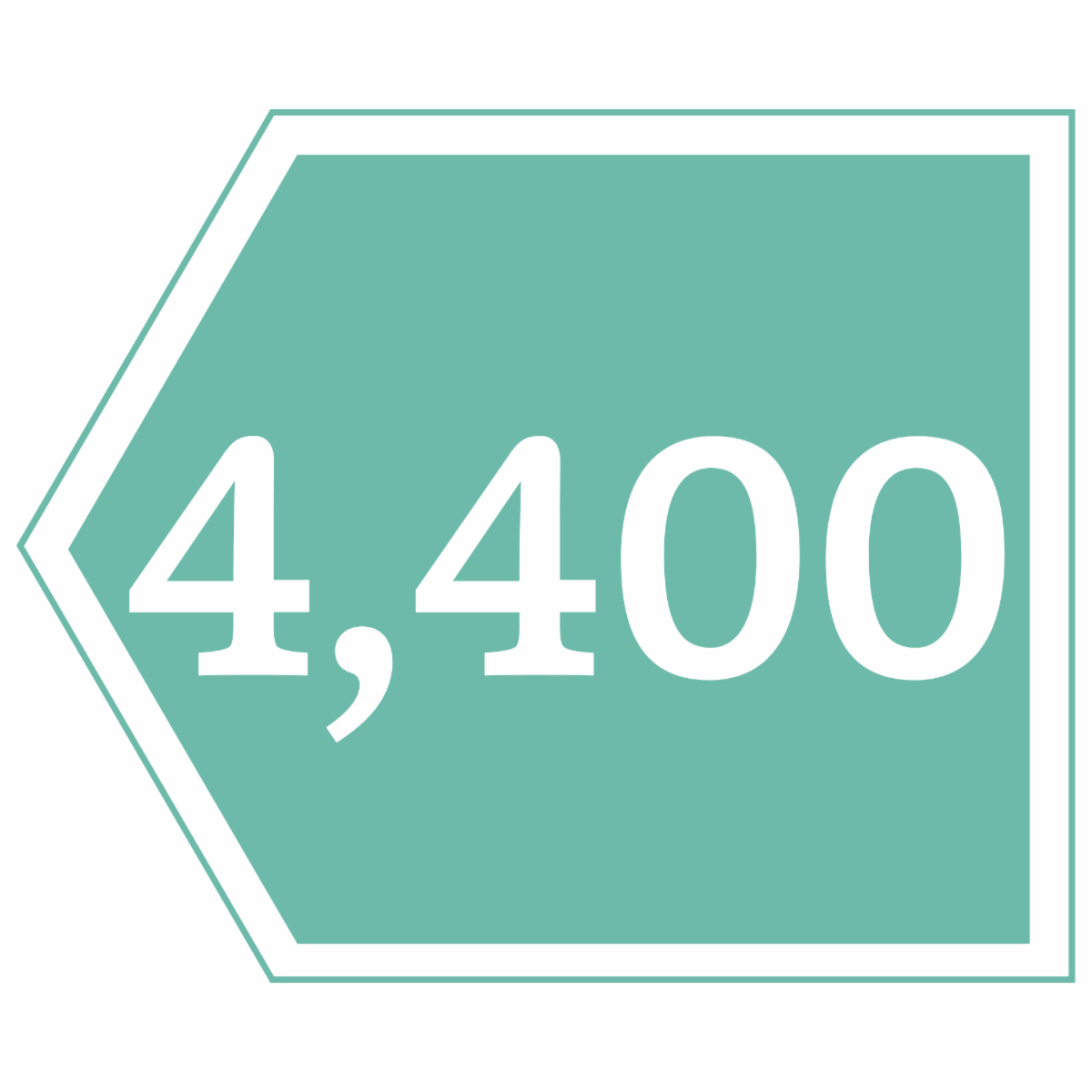
The number of child care providers now rated through the Step Up to Quality system. As of September 1, all child care providers that serve children utilizing publicly funded child care were required to be 1-star rated. By 2025, providers must be at least 3-star rated.
|
|
|
Hunger and nutrition
The Ohio Department of Job and Family Services announced an extension of the Pandemic Electronic Benefit Transfer program, which will provide funds to families with children learning outside of school who would otherwise receive free meals during the day. Don’t miss this New York Times series on hunger in America (a Parma, Ohio family is featured), which offers important perspective about what’s on the minds of families across Ohio and the U.S., and not just in our own bubbles.
|
|
Student testing
Reports cards for schools and districts will be out next week, though won’t include overall letter grades. State lawmakers continue to discuss and explore a waiver on testing for the 2020-21 school year.
|
|
Literacy
Here’s an update on the progress of the governor’s and First Lady’s Imagination Library book program: 206,000 Ohio children are now enrolled.
|
|
School facilities
Here are two important articles – not focused on Ohio specifically, but still relevant – about school facilities and the need for updating them in the age of COVID. Any statewide discussion on school funding here in Ohio should include capital improvements.
|
|
Federal
For anyone following child care discussions at the federal level, including how this is factoring into the presidential election, below are a few useful articles:
-
Fast Company discusses a mix of state and federal policy proposals to help families during the pandemic;
-
USA Today calls the crisis child care’s “moment in the sun" (though we hope it lasts much longer than a moment) and outlines some Democrat and Republican proposals to address it;
- Pop Sugar shares a (surprisingly thorough?) look at Biden’s plan for child care;
- Politico breaks down current Congressional proposals to include child care in coronavirus relief;
- Fortune examines the same issue through the lens of survey data from Millennials and Gen Z, who – not shockingly – care a lot about affordable child care.
|
|
Mark your calendars for Crane's 2020 (virtual) Symposium on Children: October 2, 11am-3pm. You can join for part or all of this free event, Anti-Bias and Anti-Racist Practices in Early Childhood Education. Led by keynote speaker and author of a new book on anti-bias and anti-racist practices in early education, Dr. Iheoma U. Iruka, Chief Research Innovation Officer and Director of the Center for Early Education Research and Evaluation at HighScope Educational Research Foundation, the half-day event will examine what policies and practices can be implemented now in order to eliminate racial bias and ensure equity of opportunity for all of our young children. Expect more details soon!
|
|
Center for American progress is launching a new campaign in collaboration with EduColor. #WeBuildEDU seeks to amplify the voices of Black, Indigenous, and other non-Black educators of color into the design for what public education should look like in this unprecedented moment of racial justice and the recovery from the COVID-19 pandemic. If you're a BIPOC educator, you can share your story.
|
|
Chalkbeat looks at the experiences of going back to school through the lens of two Colorado kindergarten teachers, one teaching in-person and one teaching online. Meanwhile, New America spotlights two San Antonio preschools and efforts to maintain high-quality learning experiences for children, even when virtual.
|
|
Senior research associate Dr. Rebecca Dore spoke to Ohio State Insights about online learning and offered some tips for parents.
|
|
CLASP (Center for Law and Social Policy) offers a vitally important read on the doubly terrible impact of the COVID pandemic and the pandemic of racism on young children of color. “This brief unpacks the impacts of systemic racism on children’s development and describes how the coronavirus pandemic has magnified pervasive inequities in health, education, employment, and other factors across race and ethnicity.”
Here is an angle you may not have considered before, about why the U.S. should invest more heavily in child care (from a Nobel laureate, to boot): it would create jobs that are not easily automatized or moved overseas.
Center for American Progress has launched an immensely useful tool in this cost calculator, which accounts for additional costs facing providers because of the pandemic. Click the dropdown menu to find costs breakdowns by state, and see the accompanying report here.
Here are three reads on a topic of escalating importance: how to grapple with the growing trauma facing students right now:
|
|
A new article published by MDRC about rethinking classroom quality at the early childhood level discusses the “lack of consensus both on the aspects of quality that matter most for advancing children’s developmental gains and how to define and measure the quality of ECE programs.” It explains MDRC’s conceptual framework of quality, which focuses on instructional quality and the quality of interactions between children and peers as well as teachers. The article also briefly describes MDRC studies underway in order to gain data about these domains and is worth a read if you are interested in early childhood quality and how it’s measured.
This article from New America isn’t about a particular research study, but offers an illuminating case about how “strange bedfellows can save science.” Why doesn’t the science on early childhood development inform decisions and investments? The authors argue that “good science without good communication is simply not enough. It’s time to get creative.”
|
|
This edition written by: Jamie Davies O'Leary, Associate Director of Policy and Caitlin Lennon, Communications & Policy Specialist |
|
|
|
|
|
|