COVID-19, drug overdoses and homicides drove longevity down; Hispanic men suffered largest decline
Life expectancy in the U.S. fell by 1.5 years in 2020, the biggest decline since at least World War II, as the Covid-19 pandemic killed hundreds of thousands and exacerbated crises in drug overdoses, homicides and some chronic diseases.
Provisional data released Wednesday by the Centers for Disease Control and Prevention showed that American life expectancy dropped to 77.3 years in 2020, roughly the same level as in 2003, erasing years of hard-won gains in the nation’s public health. It was the largest single-year decline recorded since 1943. It isn’t entirely clear what caused the drop that year, when the U.S. was fighting World War II.
“I myself had never seen a change this big except in the history books,” said Elizabeth Arias, a demographer at the CDC’s National Center for Health Statistics and lead author of the report.
|
|
Pharmaceutical companies and drug dealers have been part of the problem—but so have policymakers
Journalists have largely presented the overdose crisis as a story of three interconnected and perhaps inevitable waves. First, drug companies, led by Purdue Pharma, maker of the notorious OxyContin, convinced gullible doctors to prescribe unneeded opioids. This led to hundreds of thousands of new addictions in the 1990s and 2000s. Observational research suggested that opioid prescribing was linked with increased disability and decreased productivity.
And overdose deaths began to rise.
The second wave in this narrative begins around 2011, when states cracked down on “pain clinics” that were really pill mills, offering doses for dollars. Prescriptions became scarce, prices rose and people who were addicted began to turn to heroin, which was cheaper and now had a big enough pool of customers to attract cartels to places that they’d never served before. Again, overdose deaths increased.
|
|
Fentanyl, along with isolation and stress from Covid-19 pandemic, propelled surge, experts say
Drug-overdose deaths in the U.S. surged nearly 30% in 2020, the result of a deadlier supply and the destabilizing effects of the Covid-19 pandemic, according to preliminary federal data and public health officials.
The estimated 93,331 deaths from drug overdoses last year, a record high, represent the sharpest annual increase in at least three decades, and compare with an estimated toll of 72,151 deaths in 2019, according to provisional overdose-drug data released Wednesday by the Centers for Disease Control and Prevention.
|
|
Clinicians and policymakers need to start asking tough questions following aducanumab's approval
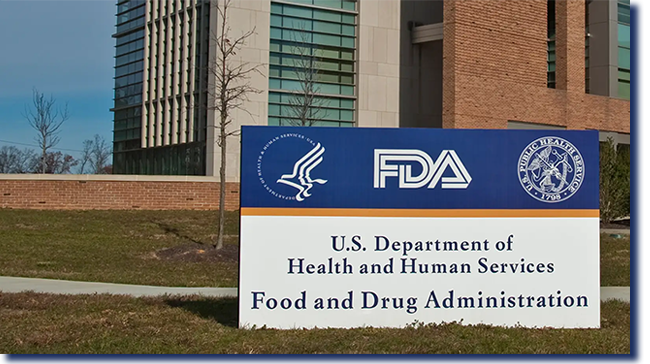
On June 7, the FDA approved a new Alzheimer's drug, aducanumab (Aduhelm). Numerous scientists, clinicians, bioethicists, and policymakers have serious concerns about the drug's efficacy, side effects, and the possible negative clinical, scientific, and financial consequences of its approval. Perhaps most importantly, the FDA's own advisory committee concluded that the clinical trials provided no convincing evidence of efficacy. Such advisory committee findings are often determinative, but the FDA went ahead with approval anyway. In response, three committee members resigned in protest. Unusual contact between the FDA and Biogen, the drug's maker, during the review process has been asserted. While defending the decision itself, FDA Acting Commissioner Janet Woodcock, MD, recently said that "the process could have been handled in a way that would have decreased the amount of controversy involved" and called for an independent review and assessment. Congress is requesting more information and preparing for possible hearings.
This investigation is crucial. What's at stake is the soundness of doctors' decisions to prescribe the drug, the welfare of patients, management of costs, good stewardship of healthcare resources, and the integrity of the drug review process.
|
|
A proposed LCD on Epidural Procedures for Pain Management services was announced on June 10, 2021. This nationwide policy contains many onerous changes that will detrimentally affect patient access to care. ASIPP has written comment letters with detailed explanations of the issues and needed changes to each Medicare Contractor. The following are examples of the ASIPP comment letters:
|
|
ASIPP® is pleased to offer a new feature for
its members to help provide value to you and your practice.
Click here to visit ASIPP®'s newly created site where you can
make purchases on our Amazon Store, learn more about and
join the ASIPP® GPO and ASIPP®’s partnership with
Fedora Billing & Revenue Cycle Management Company.
|
|
The US Food and Drug Administration’s Center for Biologics Evaluation and Research (FDA’s CBER) recently issued untitled letters to four companies for marketing unapproved stem cell products, indicating that despite the end of an enforcement grace period, companies are still resisting the agency’s efforts to get these products approved.
Effective June 1, companies are required to file biologics license applications for stem cell therapies that claim to treat a disease or medical conditions or face enforcement actions. Companies still making these products after this date may face tough enforcement action, including potential injunctions, civil monetary penalties, and seizures. (RELATED: Time’s up for questionable cell and tissue products, says Marks Regulatory Focus, 22 April 2021).
On 15 July, FDA issued an untitled letter to the Dahlia Center of Medina, OH, for marketing stem cell products to prevent COVID-19 and associated respiratory conditions via intravenous administration without seeking approval of the product as a new biologic. The company also markets these products to treat various diseases and conditions, such as leukemia, prostate cancer, diabetes, Parkinson’s disease, cerebral palsy, Alzheimer’s disease, and multiple sclerosis.
|
|
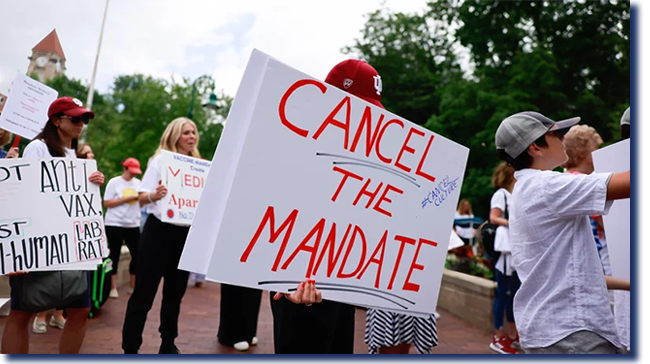
A federal judge has blocked a challenge to Indiana University's requirement that students get vaccinated against COVID-19 before returning to campus this fall. Indiana University is one of hundreds of colleges mandating COVID-19 vaccinations this year.
According to university policy, students and staff must be fully vaccinated against COVID-19 unless they qualify for a medical, religious or ethical exemption, or unless a student is attending a fully online program. Students who qualify for an exemption will need to take extra-precautionary measures on campus by wearing masks, taking additional coronavirus tests and either heading home or quarantining in the case of an outbreak.
Students who refuse the vaccine and don't qualify for an exemption can have their classes canceled and access to online university systems revoked.
|
|
Great News!
The Annual Meeting of the Ohio & Kentucky Societies
of Interventional Pain Physicians is back!
Designated for 15 AMA PRA Category 1 Credits™
|
|
Pain Medicine Case Reports (PMCR) and Editor-in-Chief Alaa Abd-Elsayed, MD, PhD would like to invite you to submit case reports and case series to the PMCR journal. Your article will be published free of charge.
Open access journals are freely available online for immediate worldwide open access to the full text of published articles. There is no subscription fee for open access journals. Open access journals are no different from traditional subscription-based journals: they undergo the same peer-review and quality control as any other scholarly journal.
Interested in becoming a member of the PMCR Editorial Board?
Editorial board members are asked to review 2-6 manuscripts per year. Please submit your most up-to-date CV to sgold@asipp.org for consideration.
For more information or to submit your articles, click here.
|
|
| CASE REPORT |
Allision N. Heizelman, MD, Timothy W. Casias, MD, Peggy Y. Kim, MD,
and Benjamin J. Walker, MD
Abstract
BACKGROUND: Neuromodulation is a commonly used technique in adult pain management, with current off-label use of peripheral nerve stimulators for the treatment of occipital neuralgia. This targeted therapy can help avoid systemic medications and treat refractory symptoms.
CASE REPORT: We present a 17-year-old boy with significant lesser occipital neuralgia and hydrocephalus status post ventriculoperitoneal shunt placement. He had occipital neuralgia treatment failures with both medication trials and surgical decompression in conjunction with physical and psychological therapies, eventually requiring weekly lesser occipital nerve blocks for pain relief. Our patient experienced a substantial reduction in pain and increase in functional recovery after the placement of a permanent peripheral nerve stimulator without disruption of his ventriculoperitoneal shunt.
|
|
| PROSPECTIVE STUDY |
Chen Zhong, MD, Gang Min, MD, Xun-wei Liu, MD, Zhen Yang, MD,
Shuai Li, MD, and Min Li, MD
Abstract
BACKGROUND: Reported data indicate that the curative effect of percutaneous vertebroplasty (PVP) on the patients with intravertebral vacuum cleft (IVC) is worse than on those without IVC.
OBJECTIVES: This study was to prospectively investigate the advantage of rotary cutter-PVP (RC-PVP) in patients with Kümmell’s disease with IVC.
|
|
| PROSPECTIVE STUDY |
Christophe Aveline, MD, Alain Le Roux, MD, Bastien Le Touvet, MD,
Hubert Le Hetet, MD, and Hélène Beloeil, MD, PhD
Abstract
Background: Although being controversial, pregabalin (PGB) is proposed during a short perioperative period to improve pain relief. Comparisons between chronic and short-term users during lumbar spine surgery are lacking.
Objectives: The purpose was to compare opioid requirements and postoperative pain among PGB chronic users and naive patients receiving a 48-hour perioperative administration.
|
|
KSIPP ANNUAL MEETING
Location: Intercontinental Kansas City at The Plaza
|
|
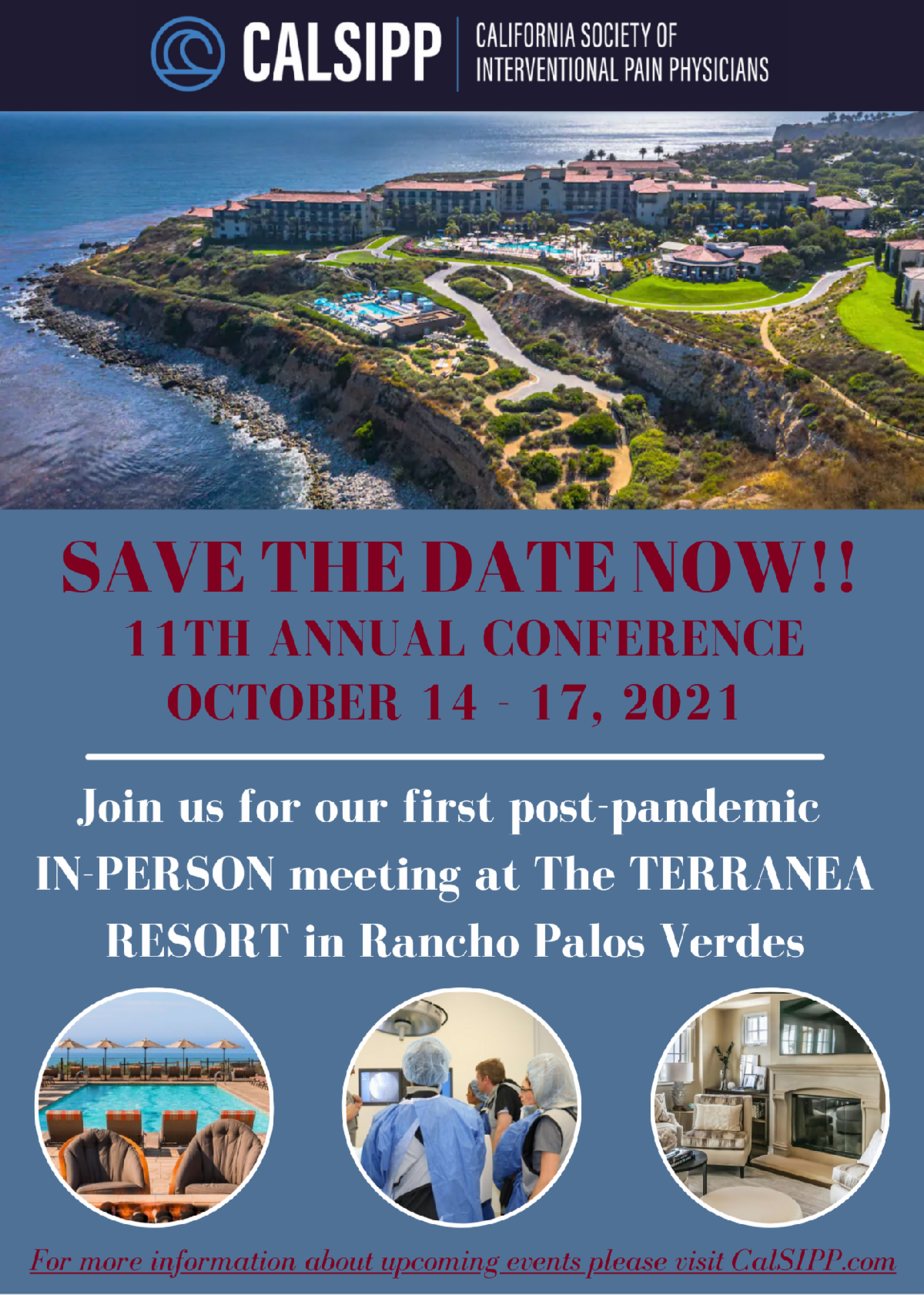
CALSIPP ANNUAL MEETING
Location: Terranea Resort, Rancho Palos Verdes, CA
|
|
Registration & Agenda Coming Soon! |
|
Since this malpractice insurance program officially launched in November 2018, ASIPP has signed up hundreds of providers with an average savings of 30%. This is professional liability insurance tailored to our specialty and will stand up for us and defend our practices.
Norcal Mutual is 'A' Rated by AM best and is license in all 50 states. To read a few important points to keep in mind about the program, including discounts, administrative defense, cyber coverage, aggressive claims handling, and complimentary award-winning risk management CME activities, click here.
|
|
ASIPP® is now offering our members the benefit of a unique revenue cycle management/ billing service. We have received a tremendous amount of interest in the ASIPP® billing and coding program.
Click here to learn more about the negotiated rate for practices and more!
|
ASIPP® has formed a partnership with Henry Schein and PedsPal, a national GPO that has a successful history of negotiating better prices on medical supplies and creating value-added services for the independent physician. Working with MedAssets, PedsPal provides excellent pricing on products like contrast media that alleviate some of the financial pressures you experience today.
|
|
up-to-date news related to you, your practice, and your patients!
|
|
|
|
|
|
|