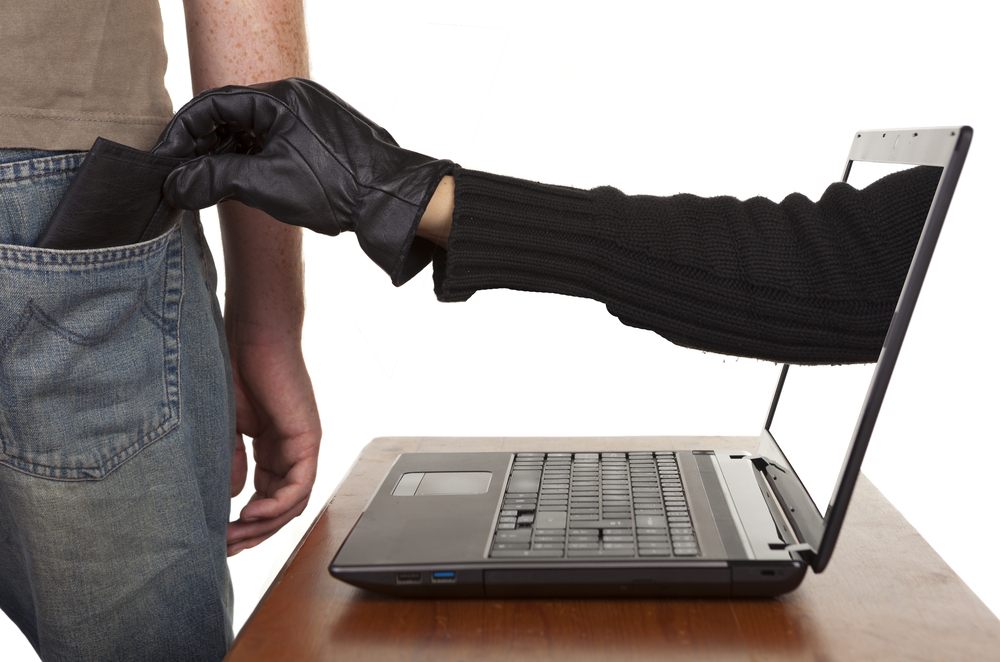
What if you were buying a house and received an email you thought was from your lawyer? The email was conversational and friendly, just like your attorney. It instructed you to deposit the final closing amount into escrow prior to closing in order to finalize the sale. Would you do it since this is the final step in attaining the home of your dreams?
In a recent article by
Newsday, this exact scenario happened to Lynn Wiedmer causing her to loser her life savings and the home she dreamed of buying with a single communication that she thought came from her attorney. The email looked legitimate and even included the address of the home she was purchasing in the subject line. However, the email was not from her attorney and the escrow account was fraudulent.
And then there is the recent case published by
CNN about "Shark Tank" judge Barbara Corcoran who was scammed out of nearly $400,000 when a scammer tricked her bookkeeper into wiring money by using an email address that was similar to Corcoran's assistant.
It is important to note that Lynn Wiedmer was a former vice president at a bank. Barbara Corcoran is a business woman, investor and television personality. We often hear about scams like this happening to the elderly or to younger folks who aren’t as financially savvy. Please understand that this can happen to anyone. Also understand that these cyber thieves know personal details like the address of the homes people are buying, when their intended victims are on vacation, the names of the leadership team at organizations, etc. and are able to craft very specific messages that appear authentic but can cause you to lose everything should you fall victim to their request.
So what can you do to protect yourself from crimes such as these one? At Laufer LLP we tell our clients never to respond to an email without getting a verbal communication from the known party. In these examples, if the homebuyer would have called her attorney once she received the escrow request to confirm that he had, in fact, sent the email; and, if Barbara Corcoran's bookkeeper would have called Barbara's assistant to verify the wire request, the outcomes could have been very different.. Verifying authenticity prior to acting upon a request from an email, letter, etc. is the easiest way avoid being a victim of crime.
We are encouraging all McDonald’s Owner Operators to think about how cyber thieves may penetrate their lives, particularly their businesses since employees are involved and can inadvertently put you at risk. Are your employees trained to recognize fictitious emails, letters and telephone calls? Do they know that they should never email financial information? Have they been educated to obtain verbal communication from you should they receive a scam email that appears to be from you instructing them to wire money? Since it is nearly impossible to recover funds stolen through wire transfers due to the layering techniques used in money laundering, it is critically important that your team members have the tools they need to protect your organization.
As accountants and business advisors, we consider it our obligation to inform our clients and friends of the firm about how they can protect their business and safeguard their financial health. As always, we are here to help. Please reach out to a member of the Laufer LLP team with any questions by calling
631-226-9600. And be sure to follow us on
LinkedIn and
Facebook to stay up-to-date on all financial matters related to your business and personal life.