|
How Social Construction Shaped me
as an Artist, Teacher and Researcher
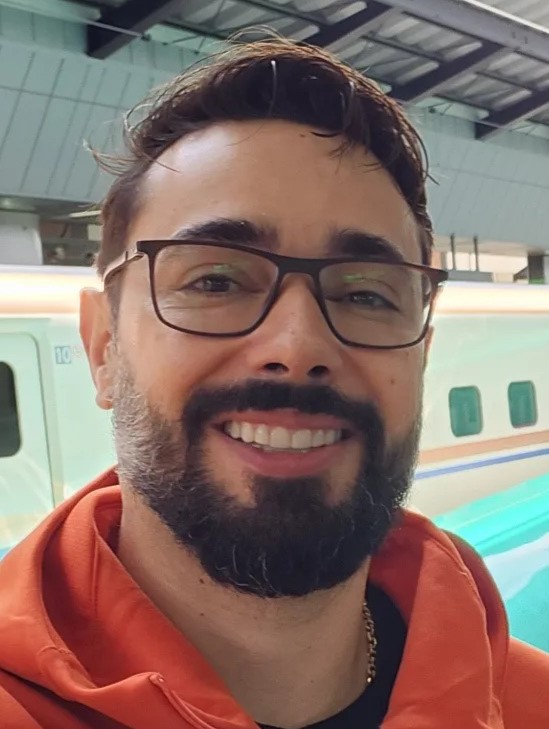
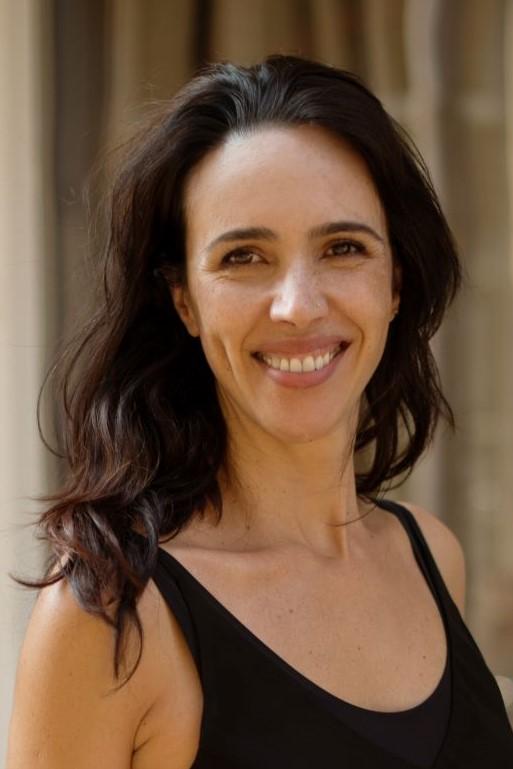
By Zare Ferragi
| | |
|
|
Many of us are social constructionists, even without noticing it. By having a deeper contact with Social Construction theory, I discovered a way of thinking, a framework that helped me understand my research in a more relational and systemic way, supporting me with making sense of the world. This theory provided me with a lens through which I could see the intricate ways in which our social interactions and cultural contexts shape our understanding of reality.
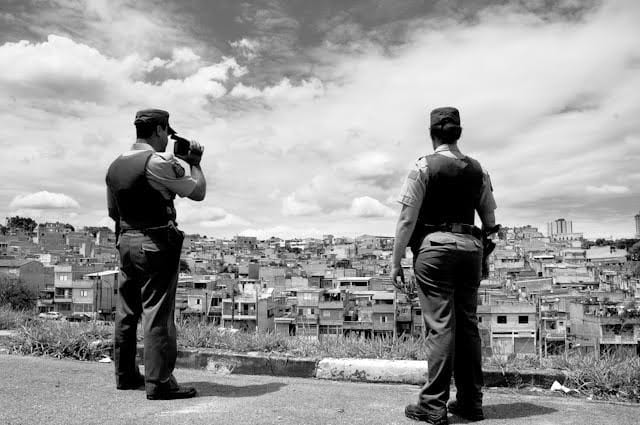
The Taos Institute’s Introduction to Social Construction course was a transformative experience for me, both personally and professionally. It taught me a framework where I can look back at past research I have done, giving me new ways of understanding. For example, some years ago I had conducted research about Community Policing in Brazil and Japan. Before encountering this theory, my approach to research and my interpretation of data were guided by a relatively narrow and linear perspective. However, the principles of Social Constructionism opened up a new dimension, allowing me to understand the perceptions of public security and safety in Japan and Brazil in a more complex and nuanced way, and also as a socially constructed way of making sense, interconnected to the local context and culture.
I began to see that the concepts and categories we use to interpret the world are not merely reflections of an objective reality, but are constructed through social processes. I started to re-evaluate past projects and noticed patterns and influences I had previously overlooked, such as community engagement along with police work in suburban São Paulo as a central part of innovative policing practices implementation. During my PhD, I analyzed police practices in Brazil and Japan; however I focused more on the intra-organizational level of police institutions. The course made me more critical and reflective about the importance of inviting citizens to be part of building a safer society.
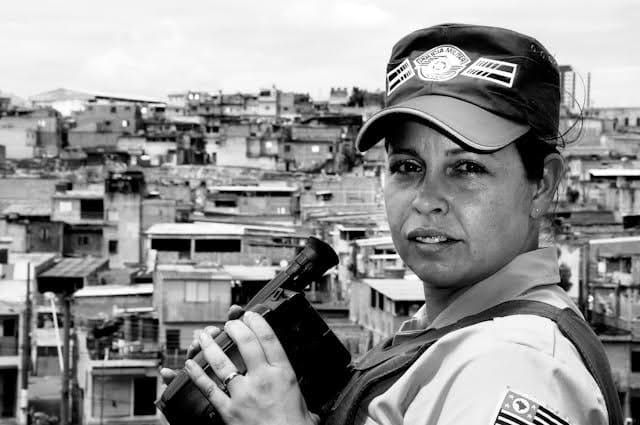
This shift in perspective was not just academic; it influenced how I engage with the world on a daily basis, including one of my photography projects about police officers in Brazil. Currently I am working with “Sou da Paz” Institute, an important arms control NGO in the country, to organize a photo essay about police officers who offer a dialogic channel with the population.
In my current and future teaching, research and artistic endeavors, social construction provides me with tools to deconstruct the taken-for-granted assumptions in the policing field and to question the dominant narratives that shape our understanding: do we citizens really need a more repressive police? Or do we need an invitation to participate?
The next Introduction to Social Construction course starts September 9, see below for details.
| |
Starting next month: September 9-October 14, 2024
Introduction to Social Construction
A 6-week online course with Celiane Camargo-Borges
This course is for students and practitioners who wish to explore how aspects of the world that are taken for granted are socially constructed, thereby opening space for alternative ways to engage in practice and with people. Whether you work in Education, Organizational Design and Leadership, Governance, Healthcare, Therapy, Community Development or you are simply looking for new ways to cope with today's complexity and fast pace of change, you will never see the world the same way.
By joining a Taos educational program, you will experience a constructionist way of being first hand! Unlike conventional content delivery and lectures, a small and diverse group comes together to co-create knowledge in an interactive, collaborative, and dialogical way so that each participant may bring social construction into their own work and life and discover the positive impact this paradigm shift has on society at large. More details.
| |
|
|
Your Facilitator
Celiane Camargo-Borges, Ph.D. is a lecturer, researcher and practitioner working at the interface of psychology, community building, education, social innovation, organizational development, and design thinking. Her work focuses on relational forms of practices that enable the creation of environments where more effective means of collaboration and decision-making are enhanced. Most recently, she has co-authored, with Sheila McNamee, Design Thinking and Social Construction: A Practical Guide to Innovation in Research. For a complete bio, click here.
| | | |
NOTE: REGISTRATION CLOSES ON AUGUST 31, 2024 | |
What's Happening in the Commons | |
Join with over 1600 members from around the world in the Taos Institute Commons online community as we explore social constructionist, relational, and appreciative theory and practices. We invite you to attend the free events in the Commons to engage in rich dialogue, share valuable resources, watch event replays, and make meaningful connections with others interested in creating more promising futures, one conversation at a time. More details here. | |
|
|
|
|
Dialogue with the Author
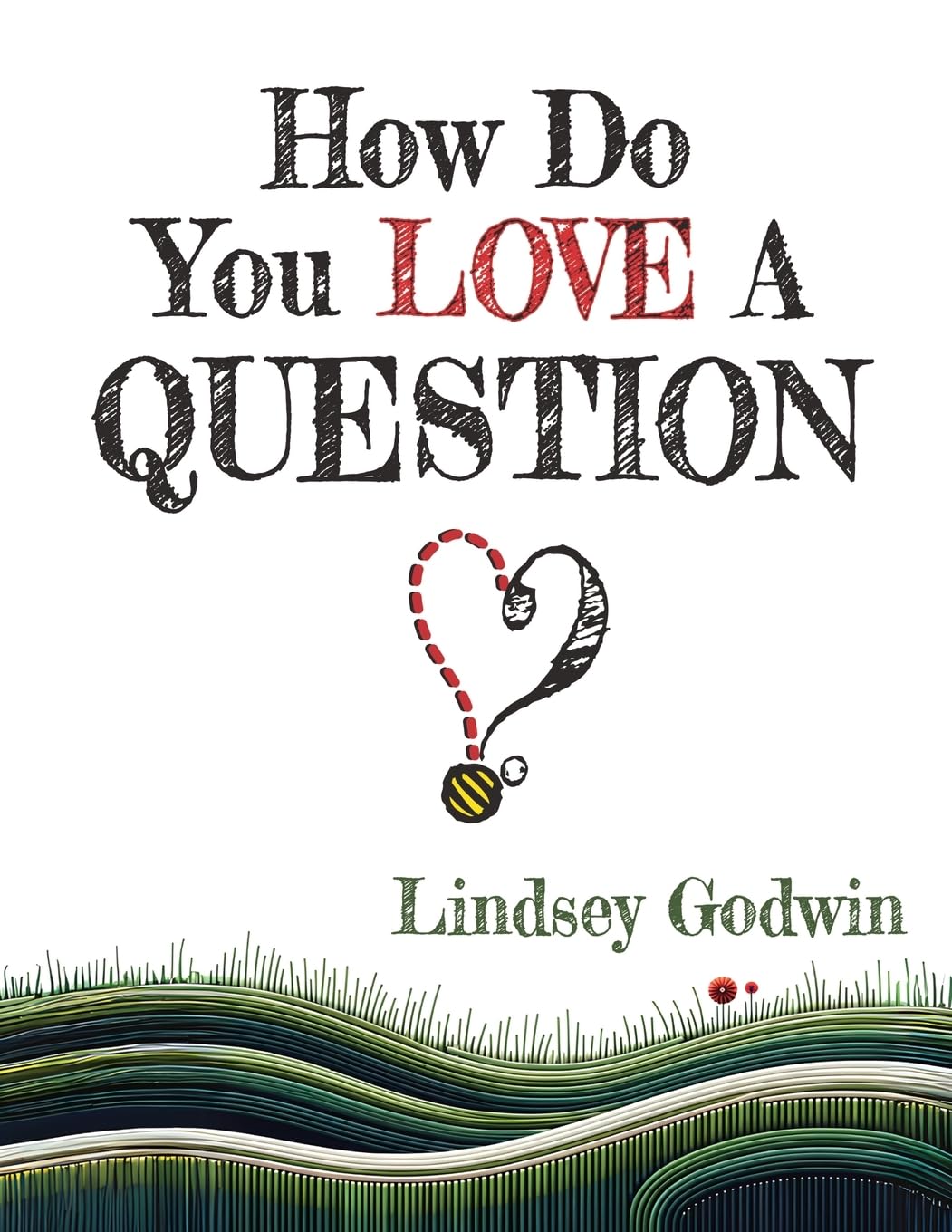
How do you Love a Question with Lindsey Godwin
August 23, 10:00-11:00am EDT
Join Lindsey Godwin for a conversation sparked by her latest children's book, "How Do You Love a Question?" As social constructionists, we know the transformative potential inherent in questioning and collaboratively constructing answers. In our dialogue, we'll explore how questioning not only ignites curiosity but also shapes our social fabric, nurturing profound connections and unveiling fresh outlooks. Let's explore the significance and sheer delight found in the art of questioning, recognizing that our journey of co-inquiry is an ever-evolving adventure, regardless of what our answers are! Register here.
| | | |
|
|
|
Taos Conversation
The Beyond Empathy Project
September 5, 3:00-5:00pm EDT
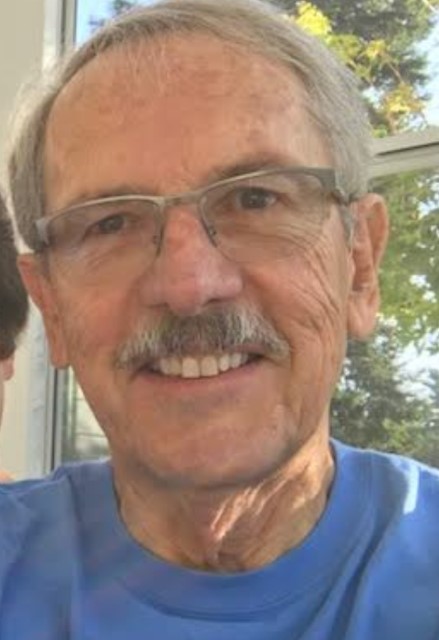
Since social stereotyping is a common cause of discrimination, oppression, and objectification, what might happen if we explore its opposite? How does relationship development proceed when the focus shifts to individualizing rather than grouping and identifying both similarities and differences? In this conversation, John Stewart introduces the Beyond Empathy Project, a multidimensional, long-term effort to learn and apply the conversational skill of co-constructing uniquenesses. More details and registration here.
| | | |
|
|
|
Community Meet & Greet
Informal gatherings in the Taos Commons
September 10, 2:00-2:30pm EDT
Whether you are new to the Taos Institute Commons online community or already a member, we invite you to join this informal gathering to meet other Taos Institute Commons members and share stories of how you are applying (or hoping to apply) social constructionist, relational and appreciative approaches in your work and life. Stop by to say hello, we would love to meet you.
| | | |
|
The Narrativ Institute is launching their 10th 170-hour training program in collaborative-dialogic practices in September, with accreditation by the Ministry of the Interior and part of the International Network of Collaborative-Dialogic Practices certification. The program focuses on applying the philosophy of collaborative-dialogical practices in different areas of the helping professions. They also take inspiration from narrative therapy, solution-focused therapy, and open dialogue. Details.
| | | |
|
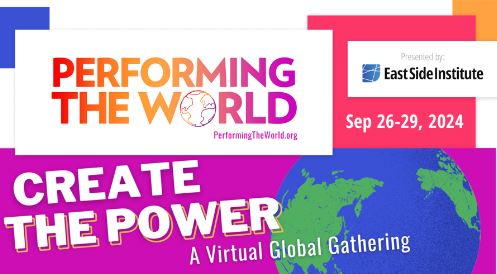
A question facing those of us who want to make a more humane and sustainable world is, “What happens after the demonstration (or occupation or strike or uprising)?” How do we maintain social motion, pass our values on to new generations and continue to build power at the grassroots? Much of the struggle for social justice and human development around the world has been focused on what we’re against. For decades Public Enemy’s rap classic, “Fight the Power,” has been an anthem for millions. But what can it mean and how does it shape us if we are defined primarily by our opposition, our resistance, our against-ism? What if instead of simply fighting the power, we focused on creating the power? Details of Performing the World 2024 event are available here.
| | | |
One way the Taos Institute carries out its mission to create brighter futures through social construction is by creating and disseminating a wide variety of resources for scholars, practitioners, and students interested in dialogic and relational approaches. These free resources span many disciplines and languages. To suggest a resource, email info@taosinstitute.net. | | |
|
This month's feature:
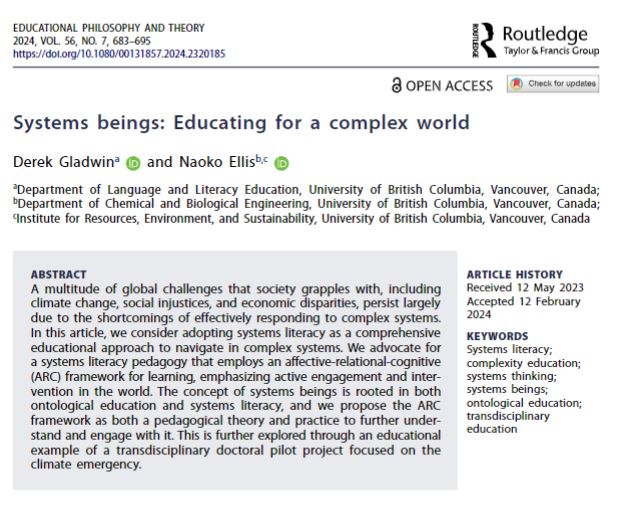
Systems beings: Educating for a complex world
A multitude of global challenges that society grapples with, including climate change, social injustices, and economic disparities, persist largely due to the shortcomings of effectively responding to complex systems. In this article, Derek Gladwin & Naoko Ellis from the Systems Being Lab, consider adopting a systems literacy pedagogy that employs an affective-relational-cognitive (ARC) framework for learning, emphasizing active engagement and intervention in the world. Download the full article.. | | |
|
The Taos Institute is a non-profit educational organization. We strive to keep our offerings free or at low cost to make social constructionist, relational, and appreciative ideas available to as many people as possible around the globe. Please consider supporting our mission of creating brighter futures through social construction by making a donation. | | | | |