3 tips for following local Hurricane Laura coverage |
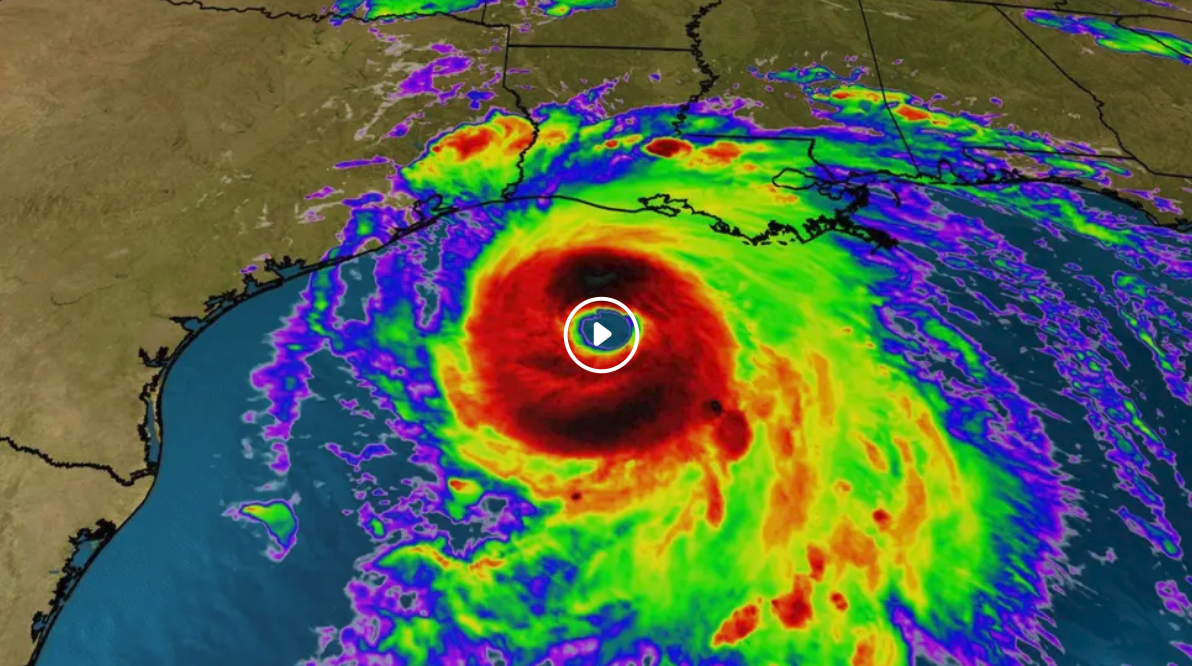
Hurricane Laura, now a Category 4 storm, is predicted to make landfall along the Texas and Louisiana state line Wednesday night until Thursday morning, bringing flash flooding and damaging winds. Half a million residents in Laura’s path are under evacuation orders, including the National Weather Service office in Lake Charles, LA.
Here are three ways journalists can stay up to date on the storm's impact.
2. Read, share and support coverage from local journalists and their newsrooms
3. Catch up quickly on context.
|
|
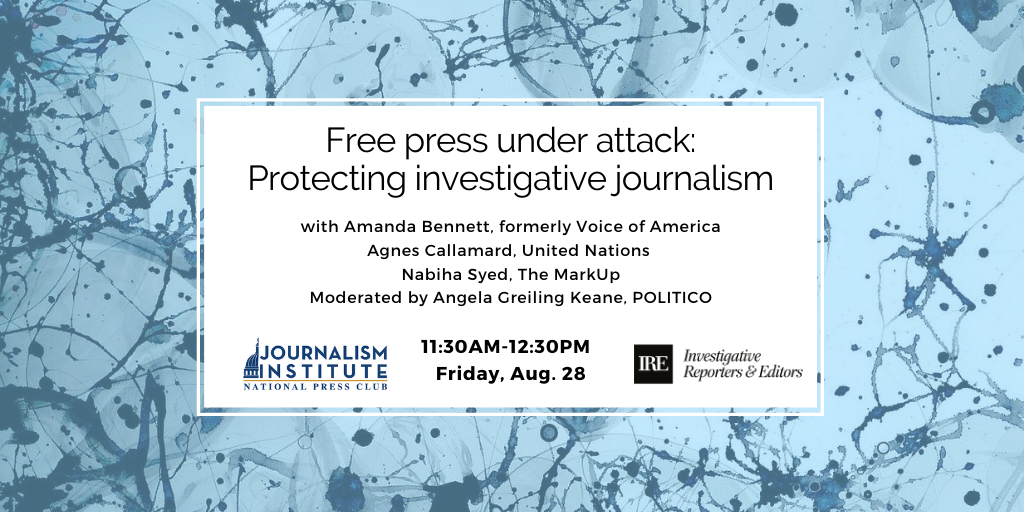
Investigative journalism requires digging for information that someone wants hidden. Powerful forces seek to prevent access, from government officials to private citizens avoiding accountability for wrongdoing.
So how can journalists protect their ability to investigate while under attack? What’s the best defense? And what are the strongest strategies for protecting a free press? Those questions will be the subject of a wide-ranging program in partnership with Investigative Reporters & Editors, moderated by Angela Greiling Keane, editorial director of states and Canada for POLITICO, with panelists Amanda Bennett, former Director of Voice of America; Agnes Callamard, United Nations Special Rapporteur; and Nabiha Syed, president of The MarkUp. The discussion will bring together their experiences as press freedom advocates with their work in journalism, law, and human rights.
Registration is open for this program, which will take place from 11:30 a.m. to 12:30 p.m. on Friday, August 28, 2020.
|
|
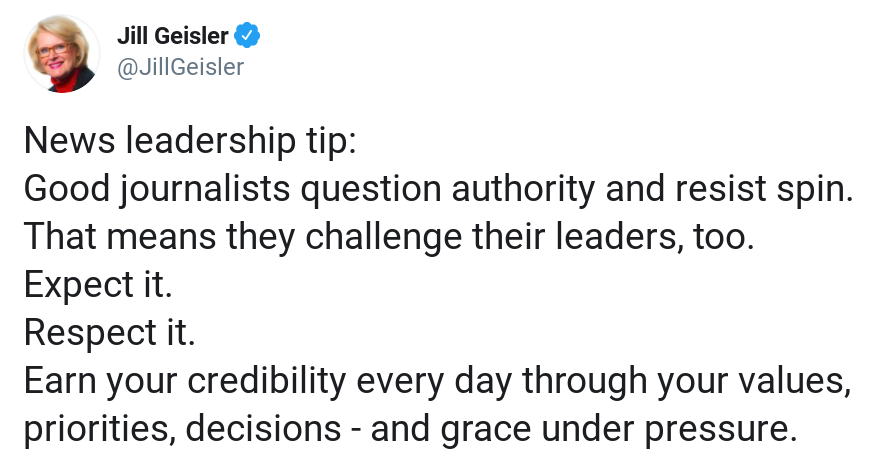
What we value in journalists can challenge us as leaders — especially when we’re on the receiving end of tough questions. It’s hard to be criticized, and human to be defensive, but don’t let that initial reaction define your response. Be accountable for your decisions, and for the systems and structures you inherit, even as you dismantle and rebuild them so everyone can succeed.
Advice from Jill Geisler, Bill Plante Chair in Leadership & Media Integrity, Loyola University Chicago, Freedom Forum Fellow in Women’s Leadership
|
|
|
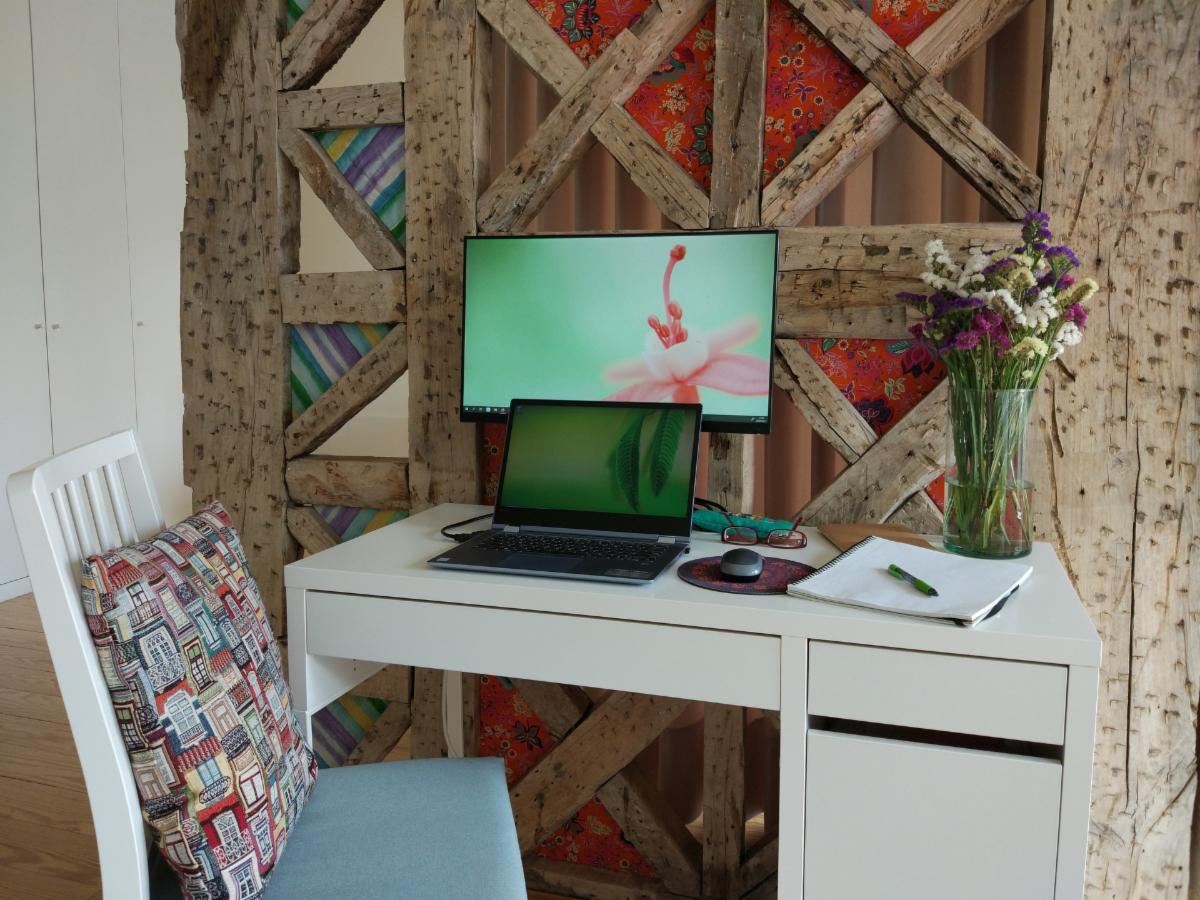
It’s time to face reality: Many of us won’t see the inside of our offices any time soon. Is the at-home work space you carved out five months ago still cutting it?
As students return to virtual classrooms this week (and need their own space), it’s a good time to take stock of your household’s needs. Studies show that improving your work environment can increase productivity, especially when it functions well.
Some things to think about:
-
Invest in a desk and ergonomic chair if you haven’t already. Retailers offer inexpensive options for work surfaces to fit even the smallest spaces. Roll-away or fold-out options allow you to put work away at the end of the day.
-
Consider wall-mounting your computer screen to your ideal height. Doing so can free up valuable real estate on your desk surface.
-
If your household’s internet needs have ramped up (or you move around throughout the day), you might need a WiFi booster or to talk to your provider about increasing your plan.
-
Do you really need a printer or scanner? Consider how frequently you’d use either, and look at other options: scanning and sending documents using your phone, or uploading files to a nearby print shop.
-
Declutter your work area. By now, you’ve figured out what paperwork is really important (and how many Post-Its you go through in a day). Think about your habits and what filing or supply storage meets your needs.
-
With an uptick in demand due to virtual learning and WFH, you may be waiting a while for technology, supplies or office furniture to ship. Craigslist, eBay, Goodwill and other resale outlets could give you faster options.
- Talk to your supervisor about reimbursement for work-related tech or office supply purchases.
|
|
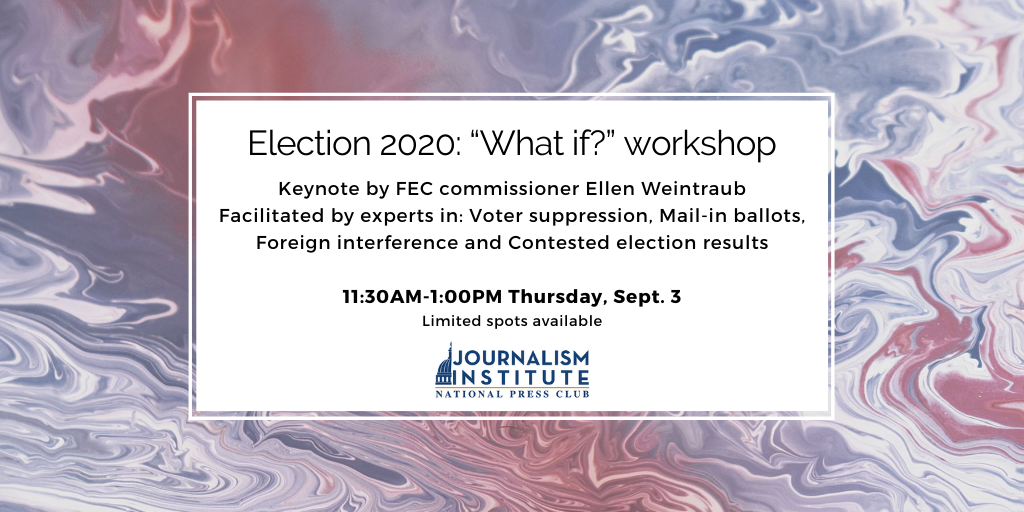
The November elections will be among the most consequential presidential contests in living memory, while also posing myriad challenges to voters seeking to cast a ballot. Now more than ever, reporters are feeling a civic imperative to produce timely, nuanced watchdog journalism so that the American public is equipped with the information it needs to press for a free and fair voting process and vote tabulation.
But how do you prepare for the unpredictable? Join the National Press Club Journalism Institute’s “What if” workshop, which will bring journalists together with experts to generate unanswered questions and unanticipated scenarios that can guide coverage.
Registration is now open for the free workshop, which will be held Thursday, Sept. 3 from 11:30 a.m. – 1 p.m. Following opening remarks by FEC commissioner Ellen Weintraub, participants will join small breakout groups on one of four topics:
-
Voter suppression, polling access and Election Day pandemonium led by Sylvia Albert, director of voting and elections at Common Cause
-
Mail-in ballots and US Postal Service readiness led by David Becker, executive director and founder of the Center for Election Innovation & Research
-
Foreign interference, led by Maria Barsallo Lynch, executive director of the Defending Digital Democracy Project
-
Contested election results, led by Rick Hasen, Chancellor’s Professor of Law and Political Science at the University of California at Irvine
Following the breakout discussions, participants will reconvene to learn about story ideas and reporting tips generated by each group. Spots are limited for this program to ensure its hands-on value.
|
|
This newsletter is written & edited by the National Press Club Journalism Institute staff: Beth Francesco, Holly Butcher Grant, and Julie Moos. Send us your questions and suggestions for topics to cover.
|
|
|
|
|
|
|