|
Cancer News Digest, May 2026
Visit our website
CFC #11967
| | |
Why are so many patients harmed by FDA-approved medications?
The American Society of Pharmacovigilance is very concerned about how many patients have preventable side effects from their medication. At its Roundtable in Washington, DC, CPTF President Dr. Diana Zuckerman explained that pharmaceutical companies want their drugs to be approved as quickly as possible, and that results in smaller, shorter-term studies that don’t provide all the information about risks and benefits that patients and their physicians need.
Unfortunately, pharmaceutical companies have figured out that training and funding patient groups to lobby Congress and the FDA is a very effective way to get drugs and devices approved with less evidence.
One way to help warn patients about the known and unknown risks is to require that patients receive an easy-to-read checklist with risk information, which they must read and sign before receiving an implanted medical device. The FDA has agreed it is a good idea, but has been unwilling to prevent companies from creating checklists that are too long and too technical to truly inform patients.
Watch Dr. Zuckerman’s reels on these topics here and here.
|
Can Belly Fat Cause Cancer?
Beer bellies are common, but new research shows that any kind of “belly fat” can increase your chances of developing several types of cancer. That’s why our Public Health Fellow, Farmin Shahabuddin, recently updated our article on how weight increases the chances of developing cancer.
She explained that research shows that many people who appear to have a healthy weight based on BMI may have unhealthy amounts of belly fat. Adults who are overweight are more likely to develop several types of cancer, but belly fat also increases the chances of getting cancer. For example, a study of more than 94,000 adults found that adults with belly fat were about 30% more likely to develop colorectal cancer. That was because belly fat increases inflammation and makes it harder for cells to use insulin properly, both of which make it easier for cancer to grow.
Our article explains these facts:
-
Belly fat increases the chances of developing colorectal, breast, and other cancers – even in people who are not overweight.
- People who are overweight or have more belly fat tend not to live as long after a cancer diagnosis.
We all know it is difficult to stick to a diet and exercise to lose weight, but now that you know it can help you live longer, think about the simple changes you can make to fight cancer.
Check out some ideas from other articles on our websites here and learn more about belly fat, weight, and cancer here.
| | |
Why did the FDA Commissioner resign, and what happens next?
On May 12, FDA Commissioner Dr. Marty Makary resigned after months of pressure from the White House, anti-abortion groups, the tobacco industry, and pharmaceutical lobbyists. The New York Times, STAT News, and The Hill all interviewed Dr. Zuckerman, asking her to explain what his departure means for the future of the FDA.
The FDA is responsible for determining what medical products are safe and effective. Unfortunately, Commissioner Makary could not overcome White House pressure in FDA decisions such as flavored e-cigarettes and research on the abortion pill mifepristone. Dr. Zuckerman told STAT News that because he rarely focused on unbiased scientific evidence, Makary was “the worst FDA Commissioner” in the 40 years she has worked on FDA issues.
She told the New York Times that “he managed to offend almost everyone involved in FDA issues, which is not easy to do, but it would still be a disaster if he is replaced by someone who appeals primarily to tobacco companies, anti-abortion activists” and pharmaceutical lobbyists.
She told a reporter at The Hill that we need “a more scientific-based, evidence-based FDA, and not one that has to change according to the whims of political appointees and also perhaps donors and friends of the White House.”
| | |
Can vaping increase your chances of getting cancer?
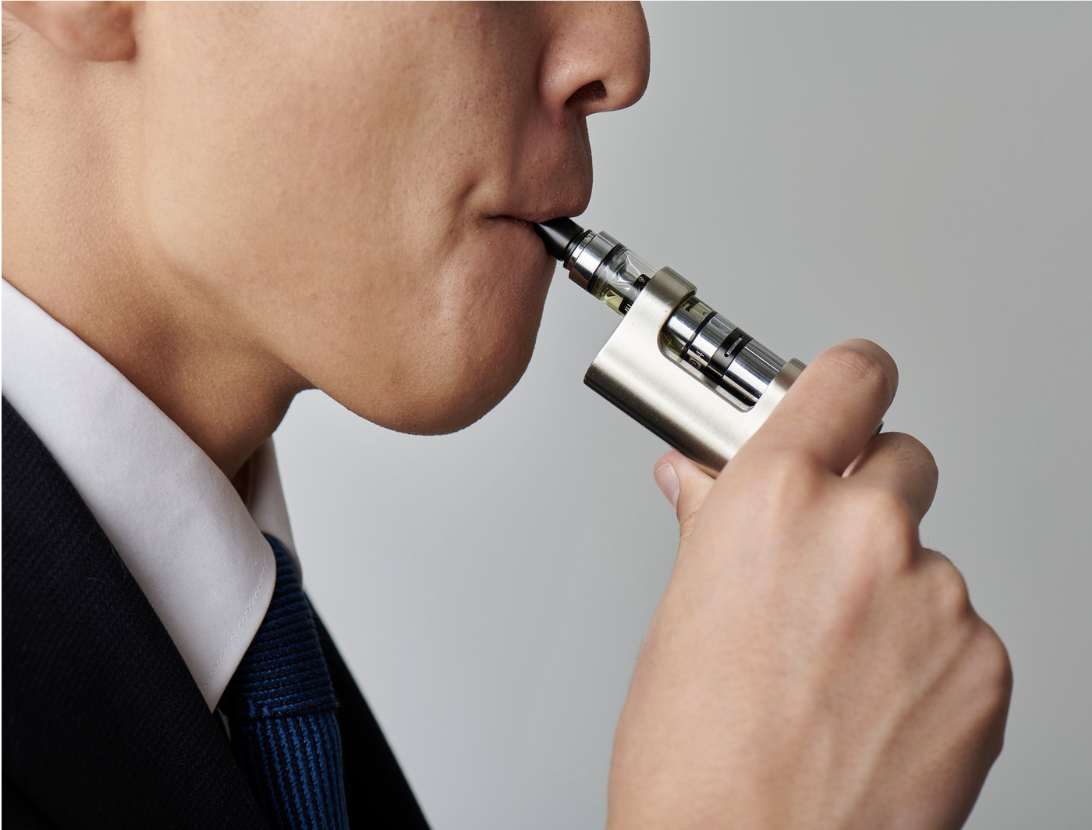
E-cigarettes are electronic devices that contain numerous toxic chemicals, usually including nicotine. Although marketed to help people quit smoking, research shows that they can cause cancer and other life-threatening diseases. Like cigarettes, they often cause or contribute to nicotine addiction, so many smokers use e-cigarettes as well as regular cigarettes, and the combination is especially harmful to their health.
For example, a study of more than 32,000 people found that adults who used e-cigarettes and regular cigarettes were four times as likely to develop lung cancer as those who smoked regular cigarettes alone. Their cancer risk was 40 times higher than that of those who didn’t smoke at all.
Despite clear research evidence and years of testimony by our nonprofit organization and other experts, the FDA continues to treat vaping as a safer alternative to smoking.
| | We're Speaking Out For You | | |
Should the FDA approve cancer drugs that may not help patients?
The FDA has often held public Advisory Committee meetings when there is controversy about whether to approve a new medical treatment. In the last year, however, the agency has held very few of these public meetings. On April 30, the FDA held two public meetings to consider two cancer treatments, one for metastatic breast cancer and one for advanced prostate cancer.
Dr. Zuckerman testified during the Public Comment part of both meetings. In both cases, the FDA‘s main concern was whether either of the treatments provided a meaningful benefit to patients. This was a particular concern for the prostate cancer drug TRUQAP, which the FDA had previously approved for a different type of prostate cancer, because several patients died as a result of taking it.
We agreed with the FDA scientists’ concerns that these treatments were unlikely to benefit patients. Advisory committee members agreed with us about the breast cancer drug, but thought that the prostate cancer drug might be beneficial.
You can read our testimony here and here.
| | |
Check us out!
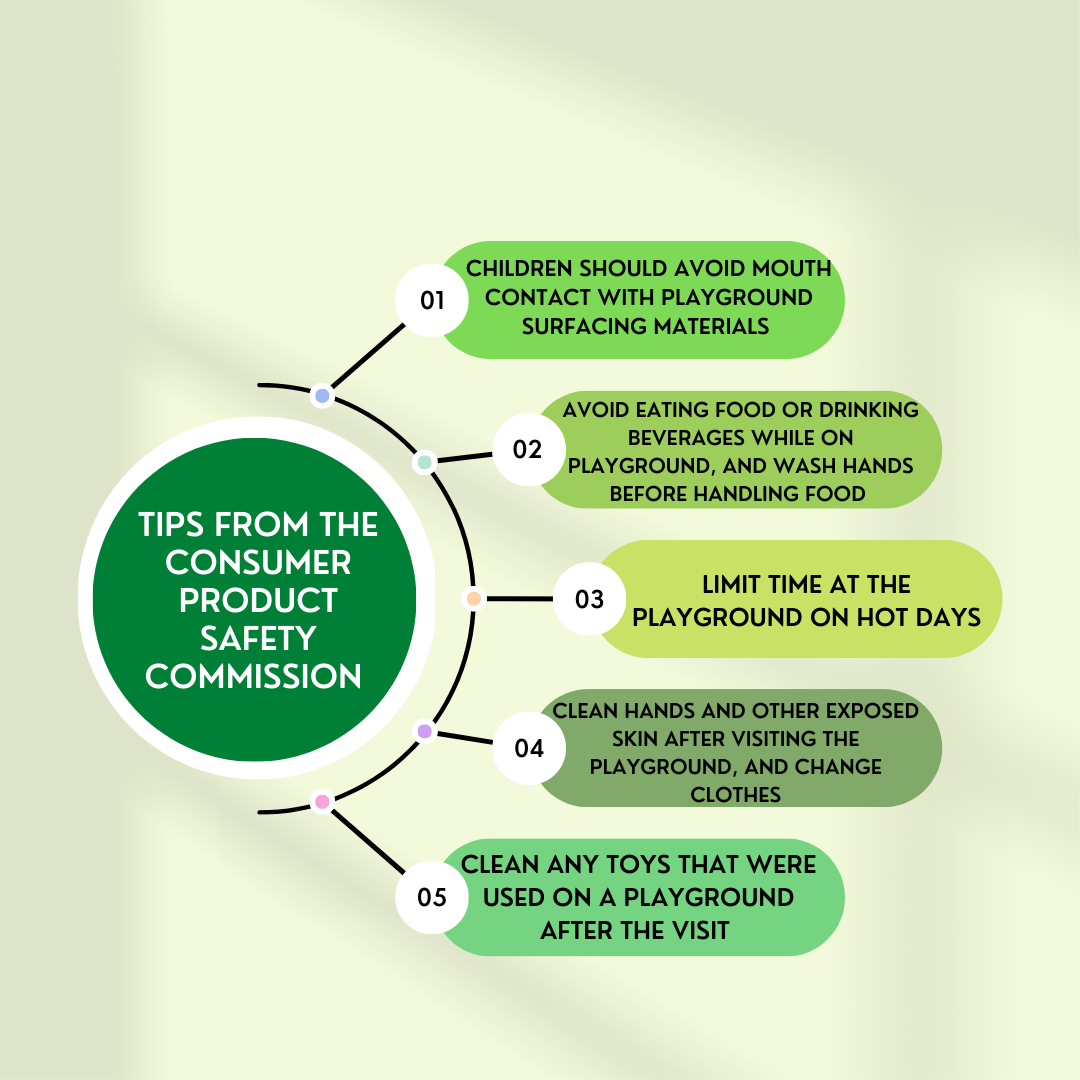
Did you know that artificial turf, rubber playground surfaces, and rubber mulch contain chemicals that can cause attention problems, obesity, early puberty, asthma, and cancer? Are your children or grandchildren getting exposed when they play? Follow us @safe.to.play
| Our main Instagram account and Threads provide free information about new medical research, programs, and policies to help health experts, patients, and the public improve the health of individuals and communities. Follow us @healthresearch4u | |
| Connect With Us on Our Other Social Media! | | |
Your Contribution Can Make a Difference
We do not accept any funding from drug companies, device companies, chemical companies, or other sources that could influence our work and compromise our integrity. That's why so many people turn to us when they need help. Donations of any size are greatly appreciated (and tax deductible.)
Please consider giving to the Cancer Prevention and Treatment Fund online or by mail to the address below.
| |
To sign up for these monthly updates, click here.
| |
Cancer Prevention and Treatment Fund | 1001 Connecticut Ave NW, Suite 1100
CFC# 11967
| | | | |