|
Guest Columnist:
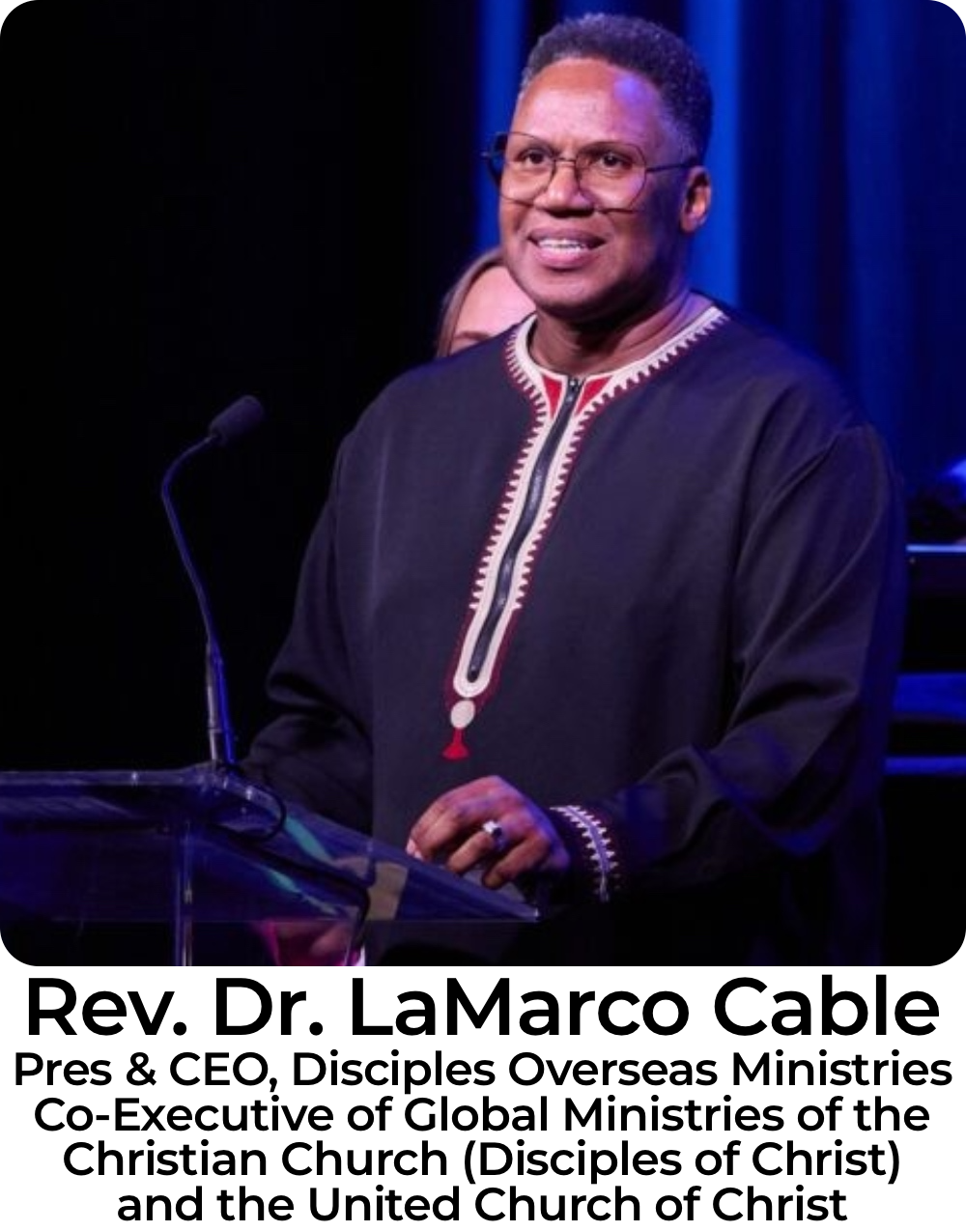
Rev. Dr. LaMarco Cable on "The Prophetic Task"
In every generation, the Church faces a familiar accusation: “You are being political.” Yet the deeper question—the one that truly matters—is not whether the Church is political, but whether it is prophetic.
The prophetic task of the Church is never abstract. We live it in the exchange of compassion, where advocacy flows both outward and inward. Human suffering crosses borders long before people do. It travels in the stories we hear, the images we cannot forget, and the quiet messages that arrive at unexpected moments. In recent months, I have received notes from partners across the world—friends in ministry who reached out with concern, prayers, and encouragement for the United States. Their compassion reminded me of something essential: advocacy is reciprocal. There are seasons when we stand with and speak for others, and seasons when we rest in their embrace, carried by prayers and sustained by love.
This mutual care is not simply friendship; it is the shape of Christian discipleship. We respond to suffering wherever it appears—not because of political allegiance, but because of who we are as followers of Jesus. Our prophetic identity naturally carries political implications—not partisan ones, but gospel shaped ones. When faith takes injustice seriously, it inevitably challenges the systems that sustain it.
To follow Jesus is to step into a world aching for justice, healing, and reconciliation. It is to stand where He stood—among the poor, the displaced, the persecuted, and the forgotten. It is to speak where He spoke—against systems that crush human dignity and in favor of a Kingdom where every person is beloved. His life embodied Micah’s ancient call: “to do justice, love kindness, and walk humbly with God” (Micah 6:8).
To be prophetic is not to shout from the sidelines but to step into the world’s pain with hope. It is to believe that God’s vision of shalom—justice, wholeness, and flourishing—is not an abstract ideal but a lived possibility. With the Spirit’s accompaniment, we carry faith openly into the world, weaving justice and compassion into daily realities.
This calling becomes clearer when we look outward. In Honduras, families flee violence and poverty. In Sierra Leone, communities rebuild in the shadow of civil conflict. In Syria, millions remain displaced. In India, caste discrimination and gender inequality wound communities. And in Fiji, rising sea levels and increasingly severe cyclones threaten homes, livelihoods, and entire communities, reminding us that the climate crisis is not theoretical but lived daily. These are not distant headlines; they are the lived realities of our partners, friends, and fellow disciples. As Paul writes, “If one member suffers, all suffer together” (1 Corinthians 12:26). Solidarity is not charity—it is shared humanity.
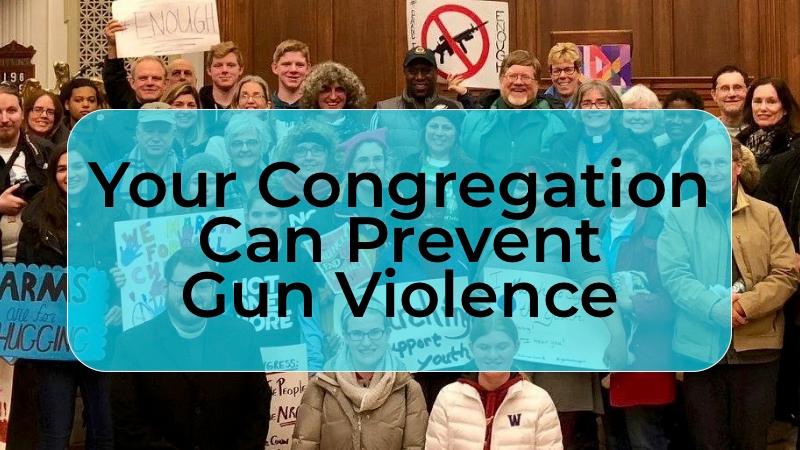
In the United States, we face our own wounds: polarization, racial injustice, economic inequality, gun violence, erosion of trust, fear of the “other,” and a fraying social fabric. We are not the strong helping the weak. We are a people in need of healing, learning from communities who embody resilience and hope under far greater pressure than most of us will ever know. Our international companions pray for us, advocate for us, and remind us that the Gospel is bigger than any nation’s borders and deeper than any political divide.
Living prophetically is not accidental; it is a way of life we choose together. It takes intention, rooted in prayer and carried out in community. These practices invite us to grow deeper in faith while walking alongside others in hope and solidarity:
• Prayer that keeps us grounded and attentive
• Learning that deepens understanding of global and local realities
• Partnership with leaders and communities already working for change
• Advocacy that seeks just policies and equitable systems
• Mission Engagement that expands vision and strengthens solidarity
In a world marked by division and uncertainty, the Church is invited to be a community of courage and compassion. Our prophetic calling is not about choosing sides but about choosing faithfulness—faithfulness to the God who hears the cries of the oppressed, who binds us together across borders, and who calls us into the holy work of justice.
|