|
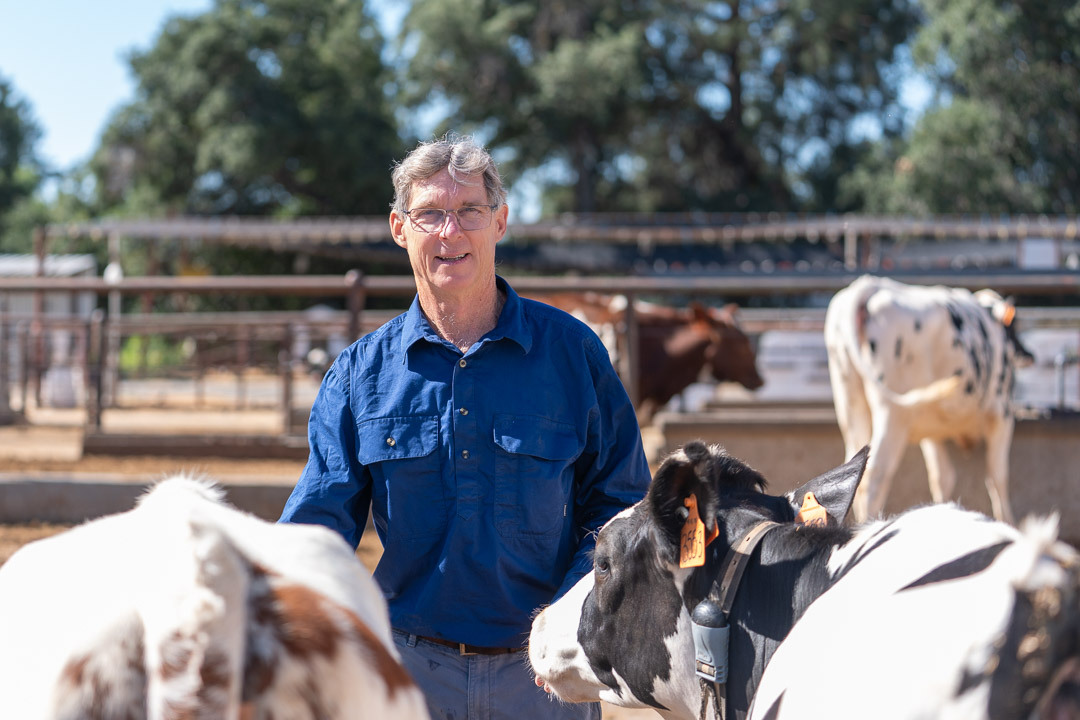
Welcome Dr. Allan Gunn
Dr. Allan Gunn has joined the Livestock Herd Health and Reproduction Service as an Associate Clinical Professor. He earned his veterinary degree from the University of Edinburgh in Scotland and is a Diplomate of the American College of Theriogenologists. Dr. Gunn is a Member of the Australian and New Zealand College of Veterinary Scientists and a Fellow of the Royal College of Veterinary Surgeons (RCVS). He is also a Registered Specialist in Veterinary Reproduction (Theriogenology) in the RCVS and the Australasian Veterinary Boards Council.
| | |
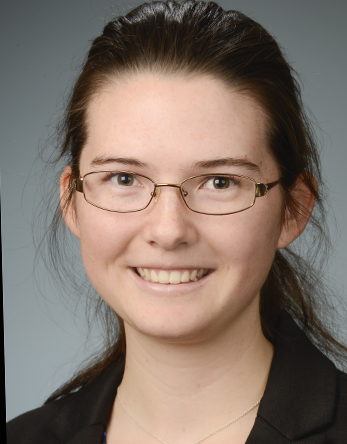
Welcome Dr. Georgia Macy
Dr. Georgia Macy has joined the Equine Field Service as a Staff Veterinarian. She earned her veterinary degree from UC Davis, completed a one-year internship at Loomis Basin Equine Medical Center, and completed a three-year equine internal medicine residency at the University of Georgia. Most recently, she was an Associate Veterinarian at Napa Valley Equine.
| | New Insight into Equine Neurology Cases | | |
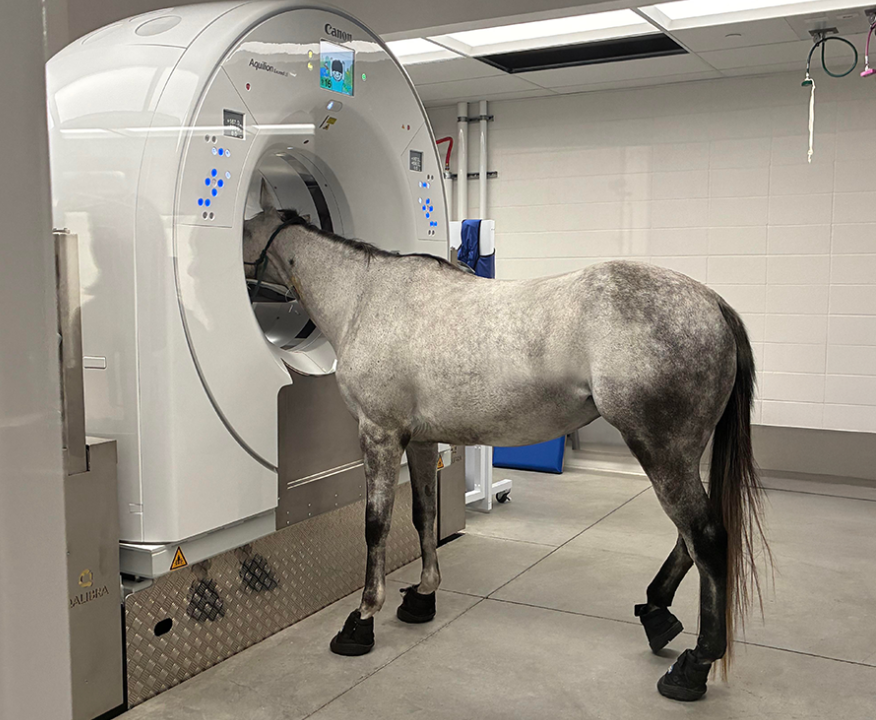
With the opening of the All Species Imaging Center last year, the UC Davis veterinary hospital is quickly establishing itself as the nation’s premier diagnostic and treatment center for equine neurological conditions. The center’s new large bore standing CT scanner, along with an MRI large enough to accommodate a horse, allow large animal clinicians and imaging specialists to capture images of additional body parts and/or capture them in a safer and quicker manner.
| | Collaborative Care Saves Mare During Unsuccessful Pregnancy | | |
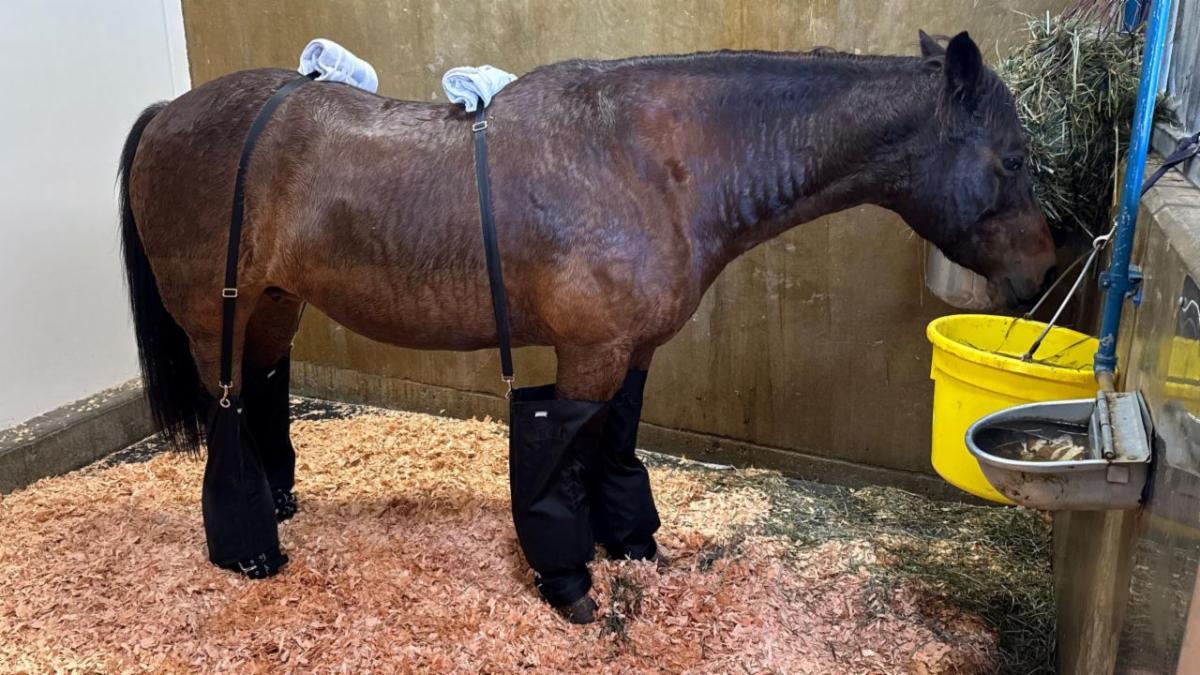
Unfortunately, not all horse pregnancies result in successful births of healthy foals. But thankfully for a recent client, the teamwork of the Equine Reproduction Service and the Equine Internal Medicine Service saved a mare with a non-viable fetus and prevented the development of life-threatening complications.
| | High School Students Explore Livestock Veterinary Medicine | | |
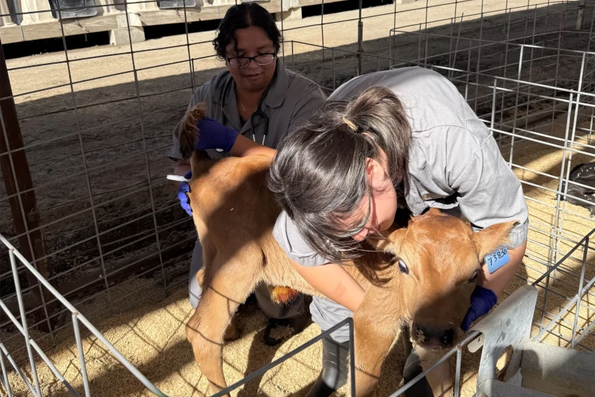
Farmers, ranchers and anyone else who raises cows, horses and other large animals in the Central Valley and across the U.S. face a major problem – not enough veterinarians to care for their animals. The urgent need for livestock veterinarians continues to be a major topic of discussion among industry stakeholders. In response, UC Davis Cooperative Extension applied for and was awarded a USDA grant to highlight opportunities for financial aid and illuminate pathways into veterinary school and diverse careers within veterinary health. Coverage in Morning AgClips
| | Dr. Emily Berryhill Discusses Donkey Health on Podcast | | |
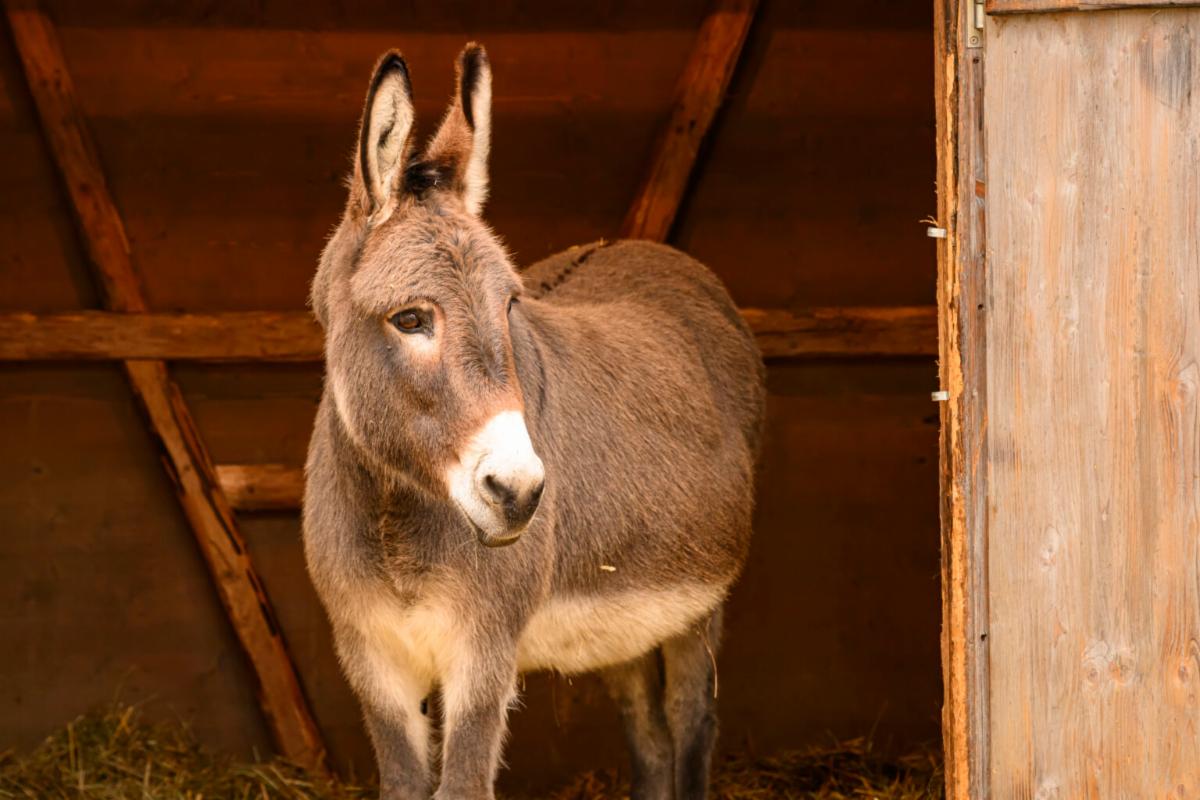
Dr. Emily Berryhill of the Equine Internal Medicine Service appeared on EquiManagement's Daily Vet Life Podcast. In this episode, "A Donkey with Severe Respiratory Disease," Dr. Berryhill describes a young jack that was hospitalized for 16 days with severe respiratory disease and shares key considerations when caring for donkeys.
| | Dr. Heidi Reesink Discusses Rehabilitation on Podcast | | |
Heumphreus Memorial Equine Podiatry Symposium
Set for October
| | |
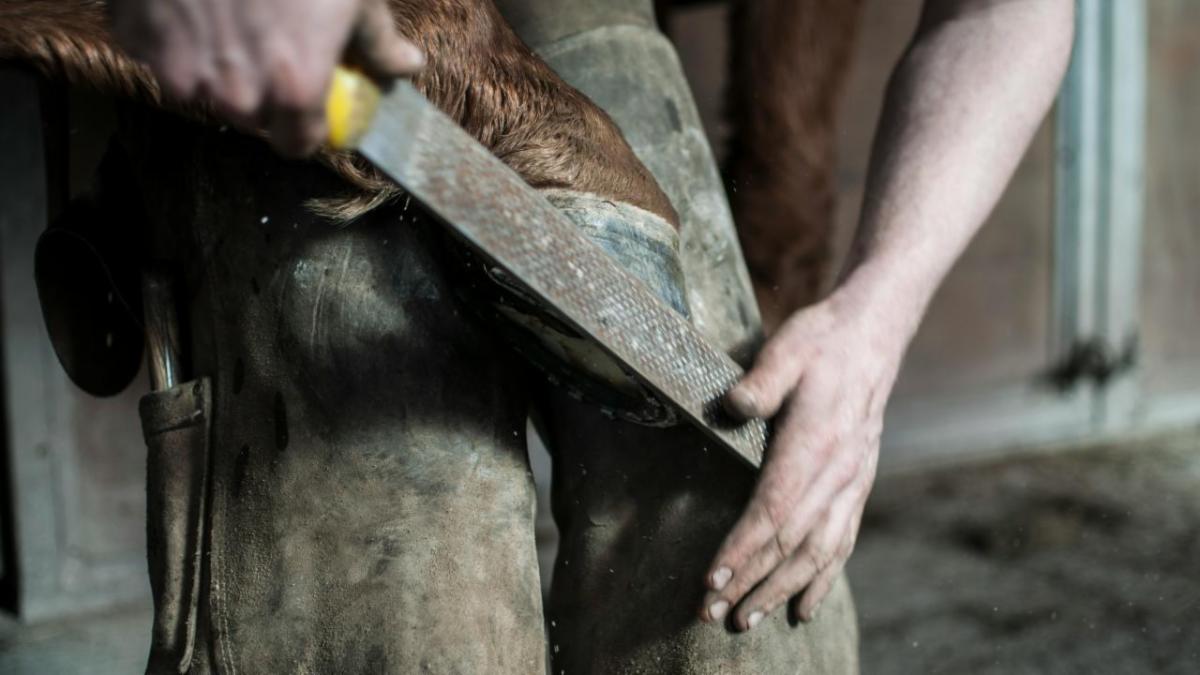
The 36th Charles Heumphreus Memorial Equine Podiatry Symposium will be held at UC Davis on October 25, 2026. The program will offer a comprehensive exploration of equine podiatry, featuring expert presentations and hands-on labs designed to enhance both theoretical knowledge and practical skills. Attendees will benefit from insights into advanced diagnostic imaging, shoeing techniques for performance and longevity, and innovative approaches to hoof wall reconstruction. The symposium fosters collaboration between farriers and veterinarians, emphasizing a team approach to equine foot care. Registration is FREE.
| | Farming with Animal Welfare in Mind | | |
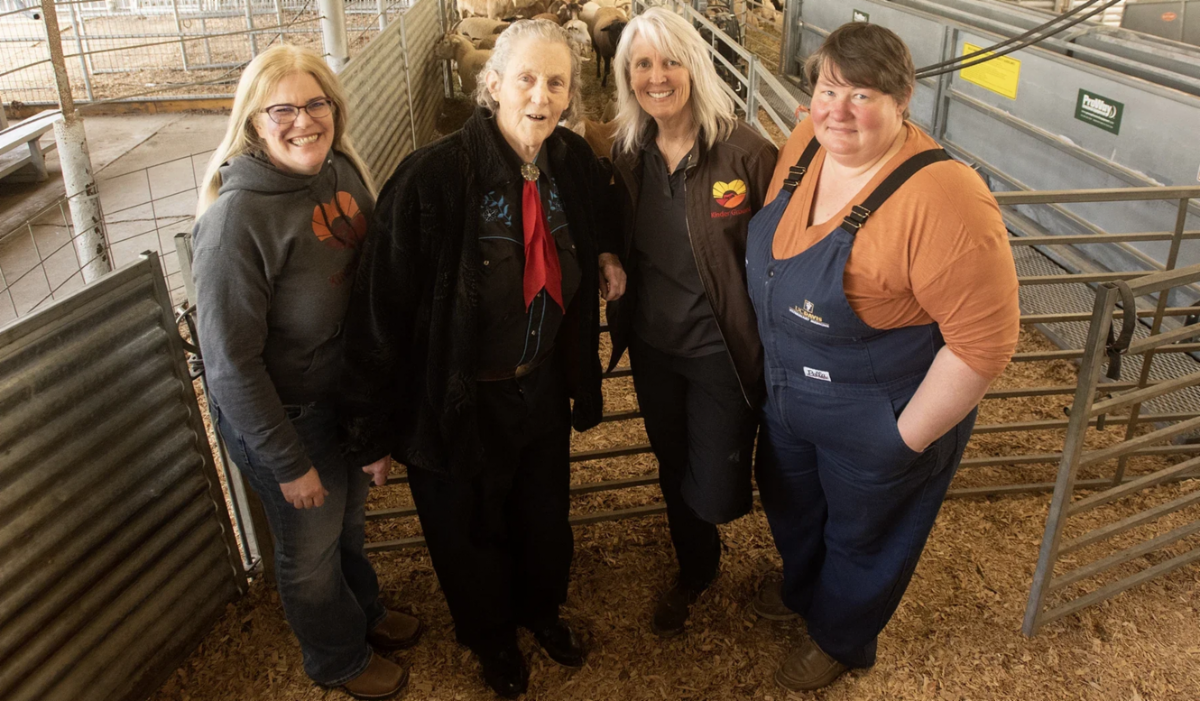
A gate swings wide at the auction ring at the Yolo County Fairgrounds. A group of goats and sheep hesitate, then shuffle through. They move as a group; their bodies pressed against each other. Beneath it all is their ruminant instinct of wanting to return from where they came. Rancher Nathan Medlar, with NM Ranch in Auburn, has arranged these gates to accommodate that instinct. What unfolds here is not simply the work of moving animals from one place to another. It is part of a broader effort shaped by UC Davis researchers, veterinarians, and alumni — a network carrying animal welfare science out of classrooms and into the field. Their work rests on a simple premise: If you understand how livestock perceive the world, you can improve their welfare and make the work safer and more efficient for the people who raise them.
| | UC Davis Researchers Identify Genetic Cause for Fatal Neurologic Disease in Foals | | |
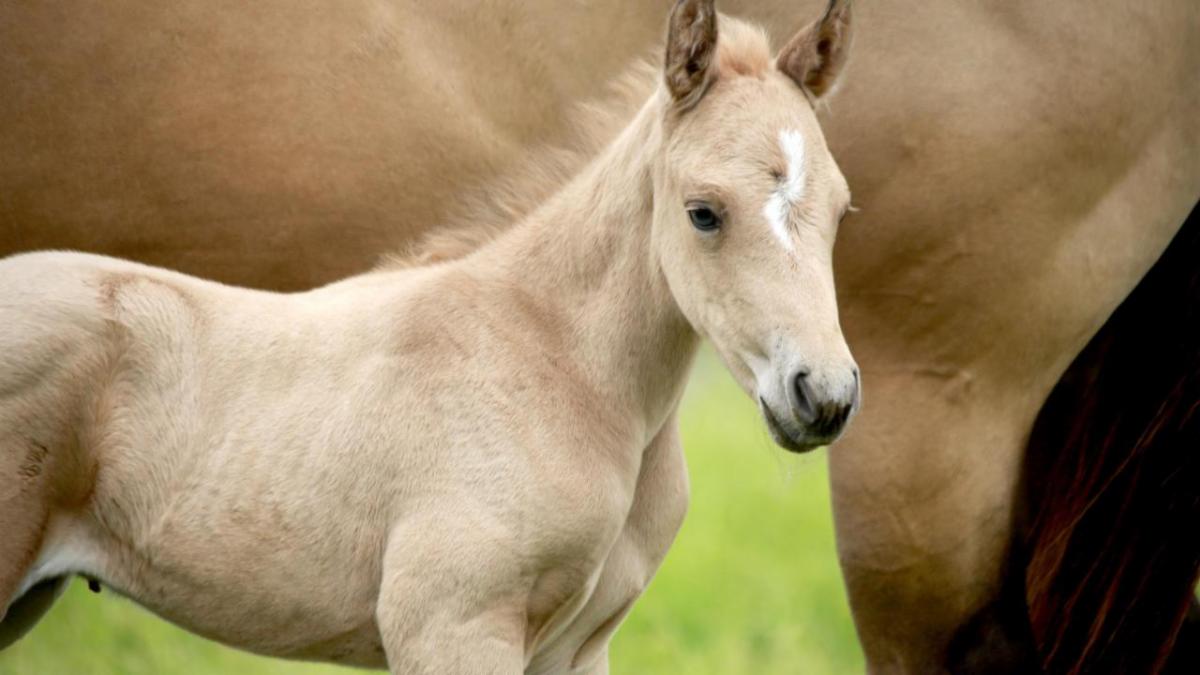
Researchers at UC Davis, led by Dr. Carrie Finno and graduate student Briana Brown, have reported the genetic cause of a fatal neurologic disease, equine juvenile spinocerebellar ataxia (EJSCA), in American Quarter Horse foals. A genetic test is available through the UC Davis Veterinary Genetics Laboratory. Foals with EJSCA display incoordination within the first month of life. The disease damages axons, the nerve fibers that allow the brain and spinal cord to communicate. As these pathways deteriorate, communication is interrupted or lost, so foals do not know where their legs are in relation to the ground, leading to issues with movement and balance. The disease progresses rapidly, causing severe weakness in the hind limbs and difficulty standing. There is no treatment or cure, and affected foals are humanely euthanized.
| | Clinical Trial for Treatment of Ear Sarcoids in Horses | | |
The Large Animal Hospital is currently conducting a clinical trial comparing the treatment of ear sarcoids in horses to see if the addition of photodynamic therapy provides a lower rate of recurrence and faster healing time compared to regular laser excision. Sarcoids are the most common type of cancer identified in horses. The treatment costs of surgery will be covered by the grant. The study is being conducted by Drs. Lauren Charnock (ophthalmology), Scott Katzman (surgery), Carter Judy (surgery), and Emily Berryhill (internal medicine/oncology).
| | |
Stay Up to Date on the Latest Equine/Livestock-Related
Health Concerns
| | |
New World Screwworm
-
Clinical Resources: AABP NWS Resources, AAEP NWS Resources
- As of June 22, 15 cases of New World Screwworm (NWS) have been confirmed in Texas and New Mexico in cattle, goat, sheep, and a dog.
- There are no confirmed cases of NWS in California, and CDFA continues active surveillance in Southern California through fly trapping.
- Effective June 12: There are new entry requirements for all animals entering California from NWS-affected states, including new timelines for issuing CVIs, acquiring entry permits, and post-arrival treatments.
- Show and Exhibition Animals: Animal travelling to/from affected states must meet the new California entry requirements if they have been out of California for more than 24 hours prior to returning. Examples: horse/livestock shows, rodeo animals, fair/jackpot animals, etc.
-
UC Davis livestock veterinarian Dr. Grace VanHoy has discussed the topic with BBC and National Geographic.
-
More information: UC Davis Resources, CDFA Screwworm, USDA APHIS Screwworm, USDA APHIS Screwworm Current Status
West Nile Virus
The first equine case of West Nile Virus of the year was confirmed recently in a 12-year-old gelding in San Luis Obispo County. More information: CDFA WNV Info
Equine Infectious Anemia
There are multiple quarantines due to positive cases of EIA in Riverside, San Bernardino, Stanta Clara, Stanislaus, Fresno, and San Joaquin Counties, but no new cases reported since May 7. More Information: CDFA EIA Info
| | |
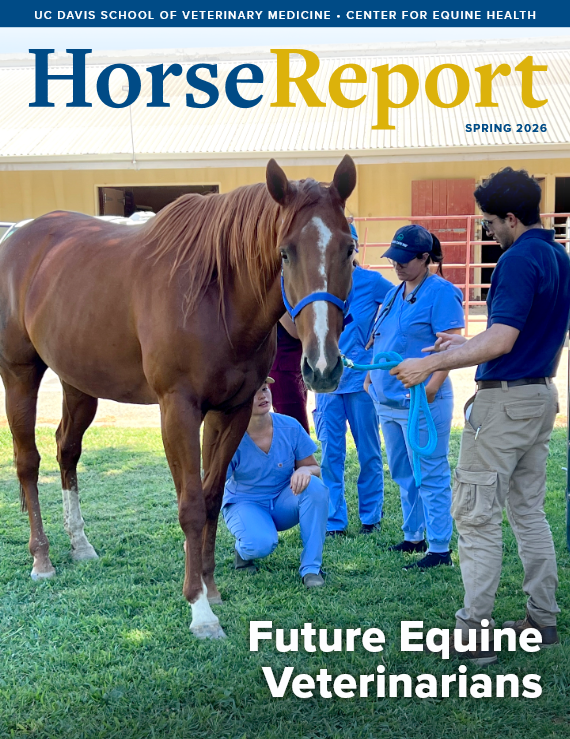
The Spring 2026 issue of the Horse Report is available. The award-winning newsletter from the UC Davis Center for Equine Health is published quarterly with the most current information on a variety of equine health issues.
This latest issues contains articles on:
- Director's Message from Dr. Carrie Finno
- Welcome of Dr. Jessica Morgan
- Do You Want to Become an Equine Veterinarian?
- Opening Doors: What You Can Do with a Veterinary Degree
- 10 Things You Might Not Know About Becoming An Equine Veterinarian
- Summer is a Great Time to Get Involved with Animals
| | |
Read Additional News from the School of Veterinary Medicine
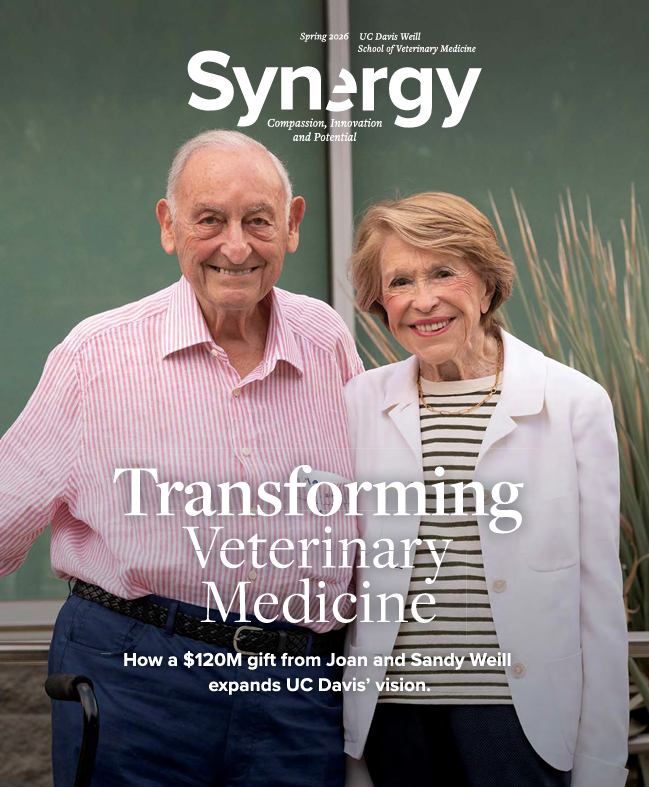
Discover Synergy, the School of Veterinary Medicine's biannual magazine highlighting the latest clinical advances, research updates, and other school news. The latest issue focuses on the critical role of fundamental research.
| | |
Reach the Large Animal Hospital:
530-752-0290 (clients)
530-752-4050 (referring veterinarians)
| | | | |