FEED THE FUTURE INNOVATION LAB FOR
LEGUME SYSTEMS RESEARCH

November 2024

The Feed the Future Innovation Lab for Legume Systems Research fosters dynamic, profitable, and environmentally sustainable approaches that contribute to resilience, productivity, and better nutrition and economic opportunities. The lab is managed by Michigan State University.

From the Management Office

Save the Date!

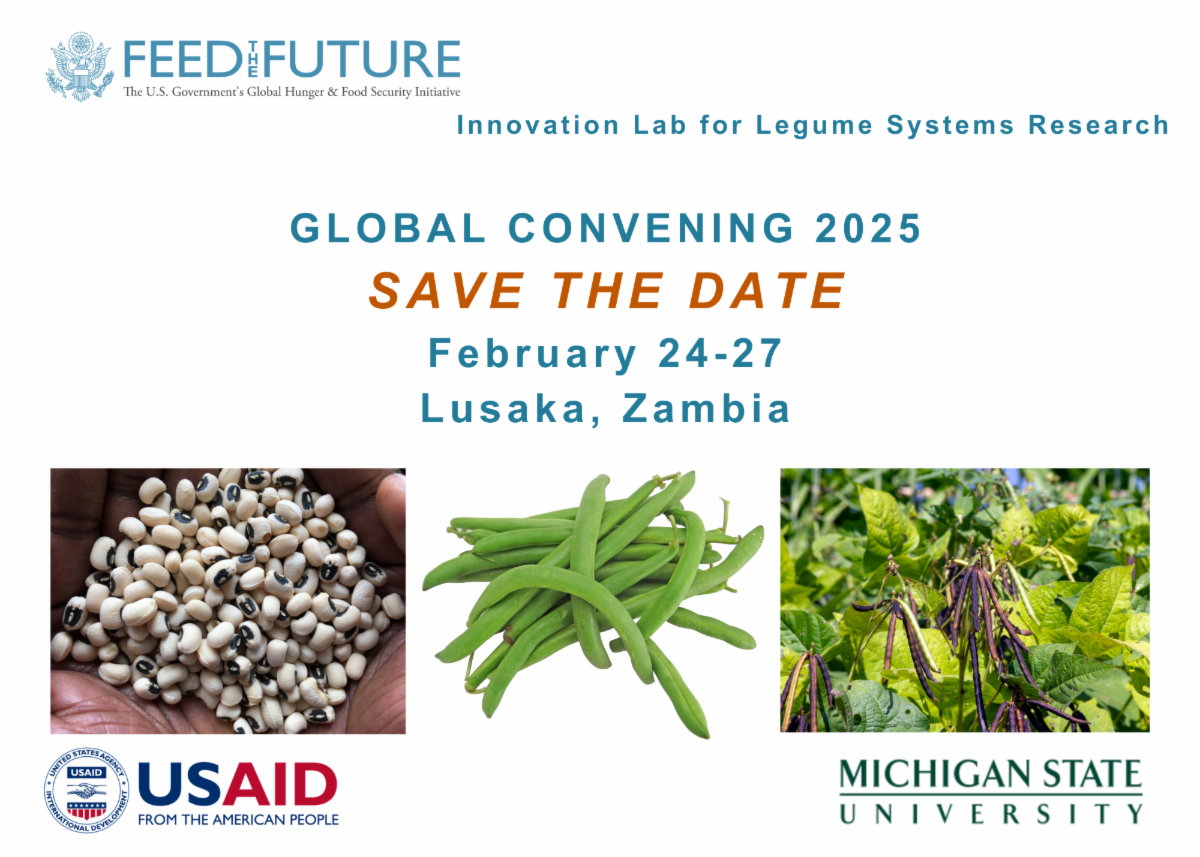
The Legume Systems Innovation Lab will hold a Global Convening February 24-27 in Lusaka, Zambia. Look for more information coming soon on this event which will bring together global bean experts working in East, West and Southern Africa and Central America.

In the Field

Women Farmers Benefit from Private Sector Partnership and Learn New Ways of

Growing Lentil in Nepal

Manju Kumari Chaudhary and Chandrakala Buda have spent a collective 40 years growing lentil on small plots in the Lumbini province of Nepal. Each year they have been discouraged by disease, weather, markets, and pricing challenges with a crop important to their daily diet and dear to the people of Nepal.


Enter private sector agricultural company Muktinath Krishi and a pilot program led by the Feed the Future Innovation Lab for Legume Systems Research managed by Michigan State University and funded through the USAID Nepal Mission. The project, “USAID Nepal Strengthening Lentil Activity” seeks to build the Nepal lentil sector back to its former glory and beyond.


Last season Manju and Chandrakala participated in a unique program that provided the women training on good agricultural practices (GAP) in lentil. Through demonstration trials, they experienced first-hand the earning potential of lentil.


“My yield on the conventional plot was 645 kg/ha while the yield from the demo plot was 1208 kg/ha,” explains Manju. Chandrakala shares that, “the yield from the demo plot was 1560 kg/ha, while the yield from the conventional plot was 696 kg/ha.”


Overall, 12 farmers in the Lumbini province participated in the program with plots ranging from .12 to .27 Ha. The average yield in the demo plots equated to 1086 Kg per ha which was 160% higher than the conventional plots. While the demo plot required higher investment in labor, inputs, and machinery, the increased yield resulted in 68% higher revenue compared to the traditional plots.


Lentil is an important staple crop in Nepal for nutrition, soil health, but also with strong potential as both a domestic and export commodity. However, crop yields have become stagnant with the low productivity attributed mainly to stressed environmental conditions and agronomic practices. Lentils occupy 60% of the total grain legume area and production in Nepal, making the country the sixth largest producer of lentils, yet area planted is decreasing each year.


“My participation in the demo trial has created a positive impact on me and my family members. I've gained new skills and knowledge that have improved our farming practices, leading to better yields. This has increased our income and allowed us to invest more in our family's needs and live a better-quality life,” shares Chandrakala.


Manju shares what higher income can mean for her family. “The first priority would be on health, second on children’s education, and third is better farming equipment, seeds, fertilizers, and other inputs need to increase the yield. This will help us build a secure future and improve our overall quality of life.”


Both women are committed to following GAP and plan to increase the amount of land they dedicate to lentils as they strive for sustainable impact for their families and communities.

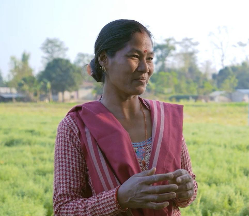
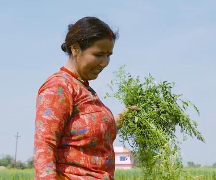
Manju Kumari Chaudhary (left) and Chandrakala Buda (right) farm lentil in the Lumbini province of Nepal. Through education and the use of good agricultural practices they have seen their lentil yields dramatically increase. Photos courtesy of the Legume Systems Innovation Lab.

In the News

Recent Project Publications


Mouhamadou Moussa Diangar, Nafissatou Diallo, Ngane Niang, Dioumacor Fall, Ibrahima Diedhiou, Binta Samba, Amanda Davey, Richard P Dick. (2024), Cowpea Varietal Performance in the Optimized Shrub (P. reticulatum) Intercropping System in Senegal, African Journal of Agronomy. https://internationalscholarsjournals.org/articles/942912112024

Featured Legume of the Month

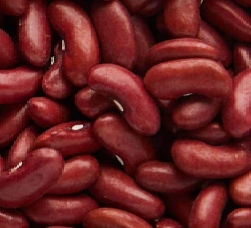
Red Kidney Beans

Red kidney beans are an excellent source of protein and potassium.


According to the USDA, 100 grams of dried kidney beans contain almost 26 grams of protein and 1,490 mg of potassium (almost half of the daily recommended value!).


Kidney beans have a robust flavor with a soft texture making them a good addition to soups and stews.

Cooking with Red Kidney Beans...

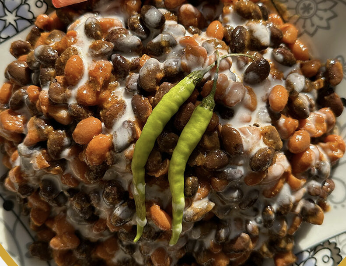
SWAHILI RED KIDNEY BEANS & BLACK BEANS IN COCONUT (Maharagwe & njahi ya nazi)

Our friends at Beans is How have shared this incredible recipe featuring both red kidney beans and black beans - a double bean nutritional powerhouse!


Chef Ali Mandhry adds the black beans as a twist on this Swahili staple recipe and we think it's genius!


Begin by frying onion, garlic and ginger in butter. Stir in tomato paste, coriander powder, cayenne pepper and fresh coriander. Add the beans (soaked and boiled) and coconut milk. Bring to a boil then reduce to a simmer to let all the wonderful flavors combine. Garnish with green chilies and coconut cream. We think you'll be adding this on repeat to your weekly menu!

Get the Recipe
For More Information on the
Feed the Future Innovation Lab for Legume Systems Research
Visit our website
Facebook  X  Youtube  
This newsletter is made possible by the generous support of the American people through the United States Agency for International Development (USAID) under the Feed the Future initiative. The contents are the responsibility of Michigan State University and do not necessarily reflect the views of USAID or the United States Government.