|
|
Promoting Equity in Higher Education
October 2024
Professional Learning Communities
and the PASS Project
| |
| |
|
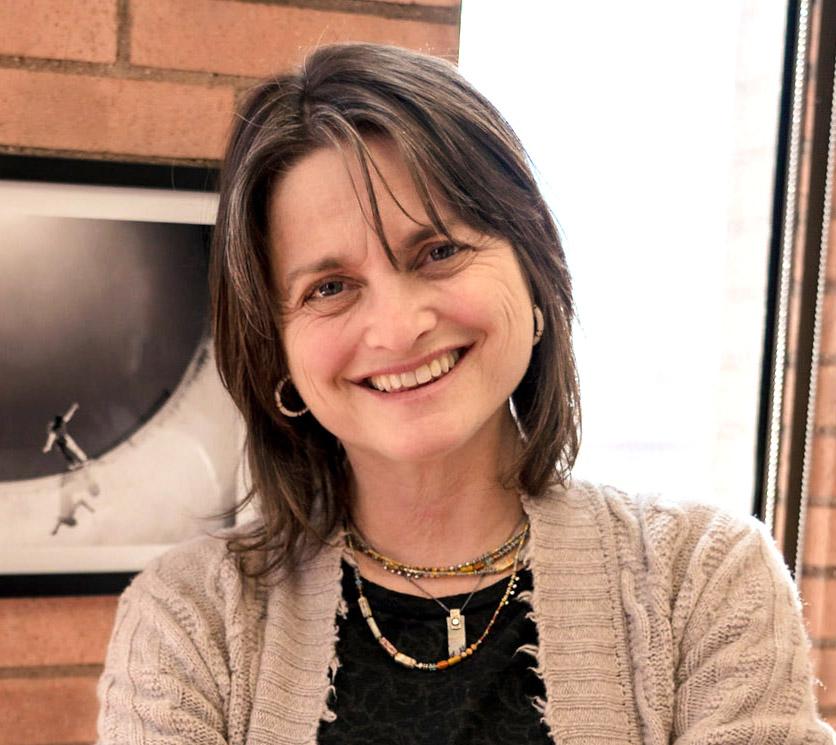
Guest Editor Zoë Corwin, Research Professor
Dear Colleagues,
Who would have guessed that I would become a regular at Coneflower Creamery in Omaha, Nebraska? I do love ice cream, and Coneflower is arguably the best ice cream in the United States (I’m actually not joking, ask Yelp!). But, Omaha is quite far from our home in Los Angeles, so me being a regular seems like a bit of a stretch. In 2020, however, I joined the Promoting At-promise Student Success (PASS) project team and started traveling to Nebraska several times a year. I very quickly gained an appreciation not only for Coneflower but also for the warm hospitality of Nebraskans and for the depth of commitment and innovation at the three University of Nebraska campuses with whom our research team collaborates.
The PASS project is one of the longest mixed-methods studies of college success in the United States–a research practice partnership designed to document, bolster and expand existing efforts to support at-promise students on three University of Nebraska campuses. Over the past three years, we have been collaborating with a cross-functional group of campus stakeholders to learn and strategize about culture change at the institutional level through professional learning communities (PLCs).
Below, we offer reflections on the potential of PLCs in postsecondary spaces to affect culture change — and we share resources for campuses interested in enacting ecological validation, including how to run professional learning communities.
Cordially,
|  | |
|
Exploring the Potential of Professional Learning Communities (PLCs)
By Zoë Corwin
When tackling a tenacious institutional challenge, how do we navigate institutional silos that pose profound challenges to collaboration? How frequently do we carve out time to connect with colleagues from different roles and units across campus, learn together, push our thinking, strategize for change and then enact the changes we envision? Professional Learning Communities, or PLCs, offer what we’ve discovered to be a viable solution to this challenge.
During the first phase of the Promoting At-promise Student Success (PASS) project (2015- 2020), our research team worked closely with the University of Nebraska’s Thompson Scholars Learning Communities (TSLC) program to document their robust approach to validating and supporting their students.
Learn More
| | |
Actionable solutions to support well-being for students and educators in new series, 'Grand Challenges and Opportunities'
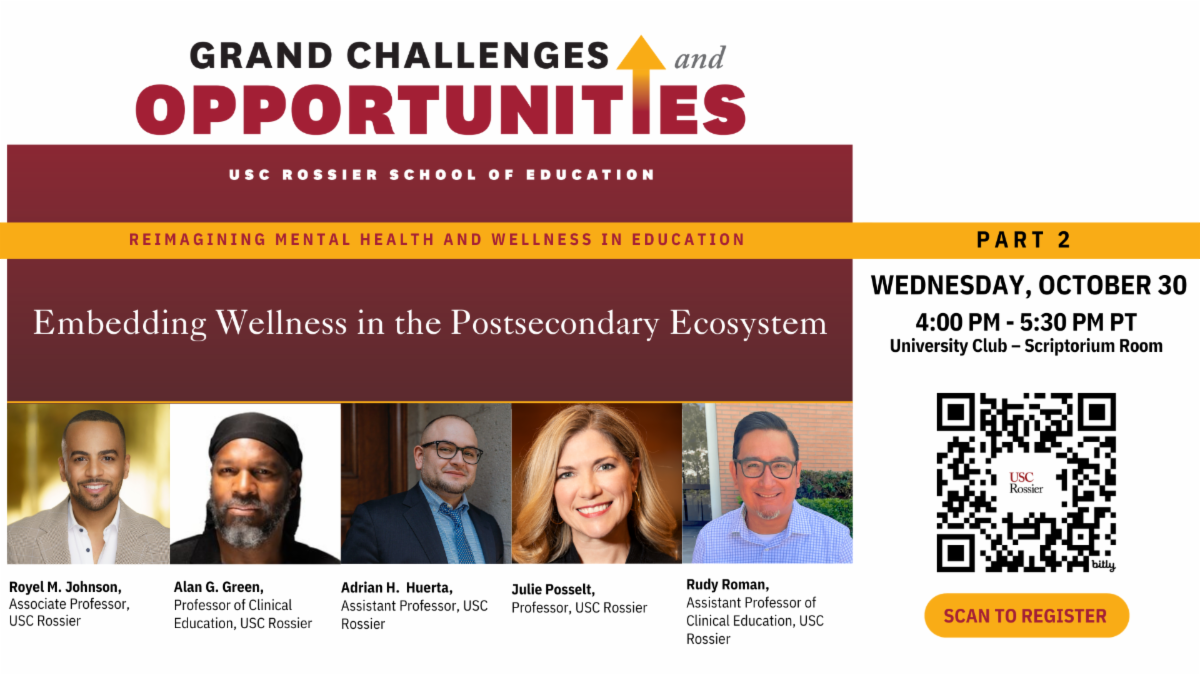
USC Rossier speaker series focuses on promoting mental health and wellness.
| |
|
In today’s fast-paced and demanding world, the mental health and well-being of students, educators and school leaders are more important than ever. Recognizing this crucial need, USC Rossier has launched the new six-part speaker series, Grand Challenges and Opportunities, this fall in an effort to address current challenges and provide actionable insights for nurturing socio-emotional growth among students and educators. The speaker series was co-organized by Pullias Resarch Professor Zoë Corwin.
Part 2 of the series on Wednesday, October 30 will feature Pullias Center faculty members Julie Posselt, Royel M. Johnson and Adrian H. Huerta and will focus on 'Embedding Wellness in the Postsecondary Ecosystem.'
| |
|
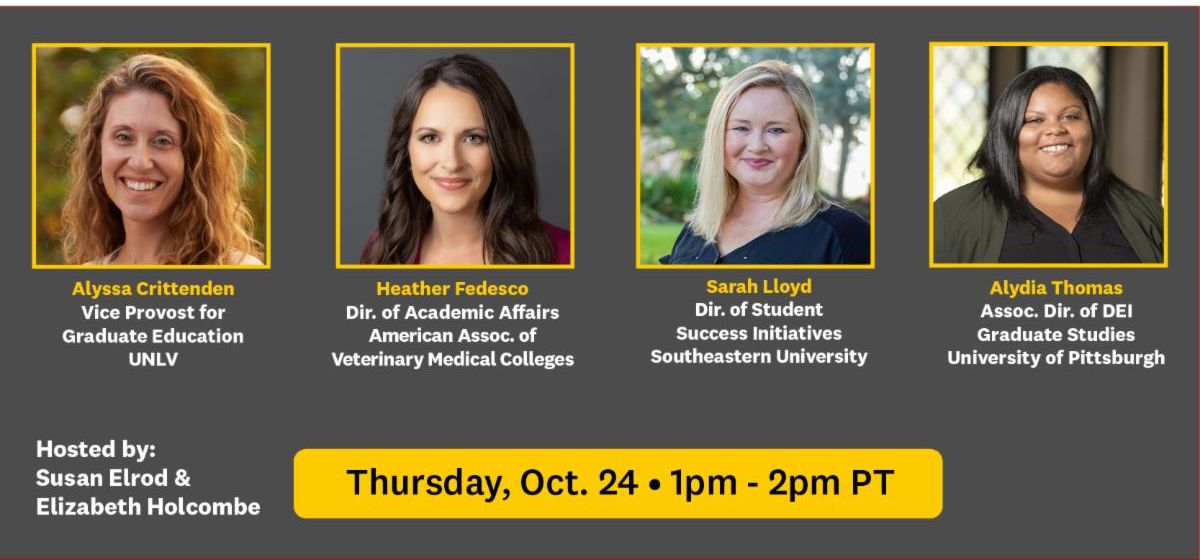
In this webinar, you will learn about updates to the Change Leadership Toolkit that reflect user feedback and hear stories from change leaders who have used the CLT. A panel discussion with these change leaders will include what has been most useful about the Toolkit and how it has helped them advance systemic change. You will also learn about ways to engage with the CLT team and preview what is coming up next with the project.
Since the publication of the Change Leadership Toolkit (CLT) in 2023, nearly 2,000 people have accessed the publication, and more than 800 have participated in a workshop, webinar or other CLT experience.
| |
|
Join Pullias Researchers at ASHE in Minneapolis, Nov. 20-23
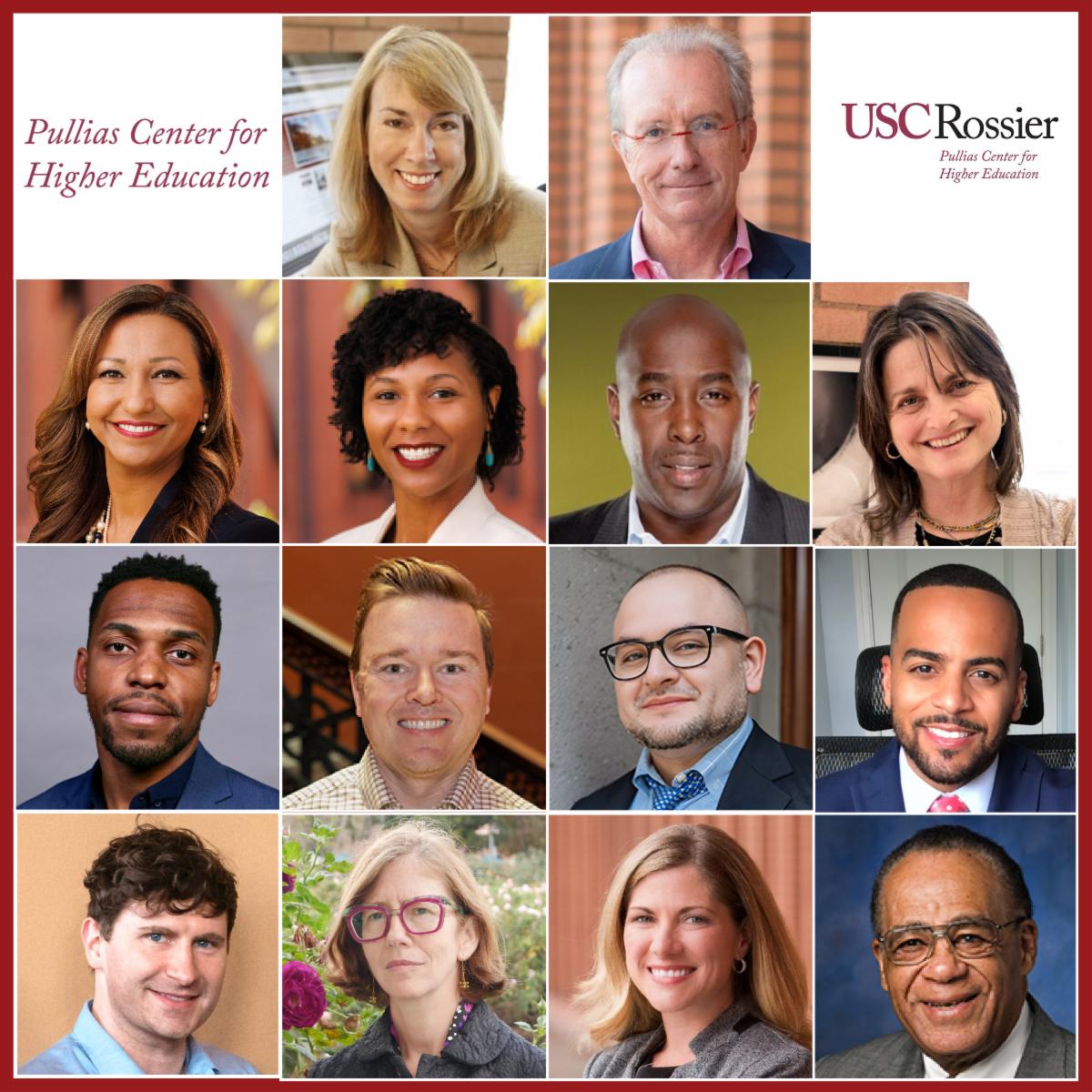
Please join our Pullias Center faculty and researchers as they present their findings on a variety of equity issues facing higher education at this year's ASHE conference.
See the full Pullias Center ASHE presenter listing here.
| |
|
NEW PUBLICATIONS
-
Curtis, J. W., Koren, E. R., Kezar, A., Culver, K. C., Arbeit, C., & Tate, N. (2024). Faculty, Academic Careers, and Environments (FACE) pilot study and field test report. Pullias Center for Higher Education. https://pullias.usc.edu/download/face-pilot-study-and-field-test-report/
-
Hallett, R., Kezar, A., Perez, R., & Kitchen J.A. (2024). Creating a Student-Centered Campus-Wide Culture That Supports Historically and Currently Marginalized Students. Change, 56(5), 22–30. https://doi.org/10.1080/00091383.2024.2385265
| |
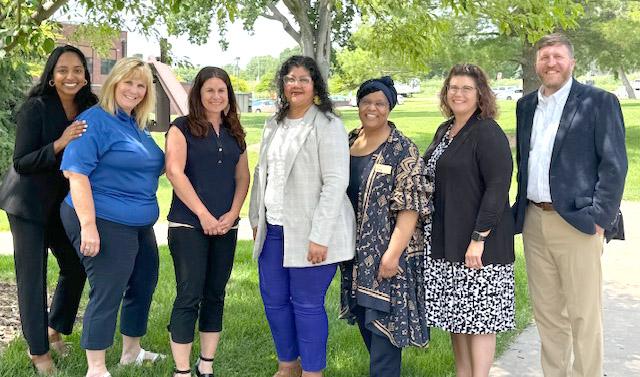
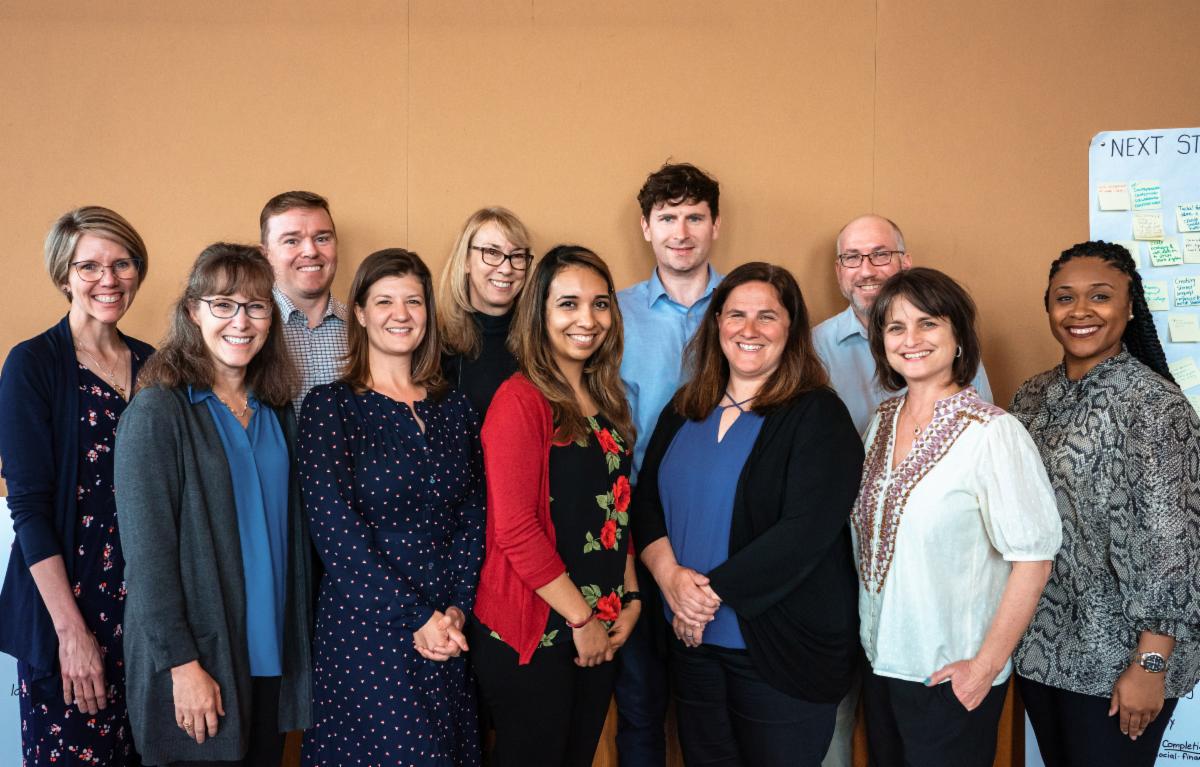
The Promoting At-promise Student Success Research-Practice Partnership Team | |
MORE NEWS
-
Nooshan Ashtari and Zoë Corwin discuss skateboarding's impact on mental health and gender empowerment in an interview with Rossier News.
-
Adrianna Kezar offered insights into the unreasonable expectations that are placed on non-tenure track faculty in David Wheeler's article "Supporting Faculty Morale" for the Chronicle Intelligence.
| | |
|
THE PULLIAS CENTER FOR
HIGHER EDUCATION
Promoting Equity in Higher Education
| |
The World's Leading Research Center on Student Access and Success in Higher Education | | | | |