August 2026 Newsletter

Commit to Keiki Hosts Fourth Annual Breakfast with Governor Josh Green

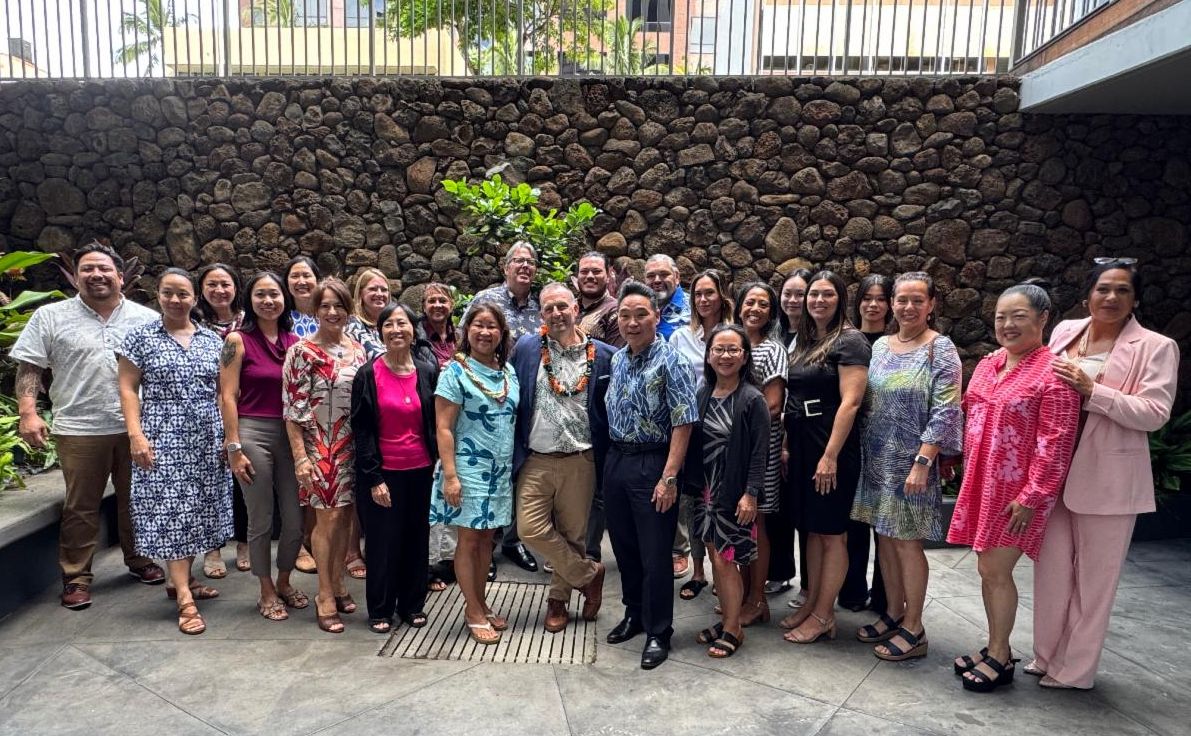
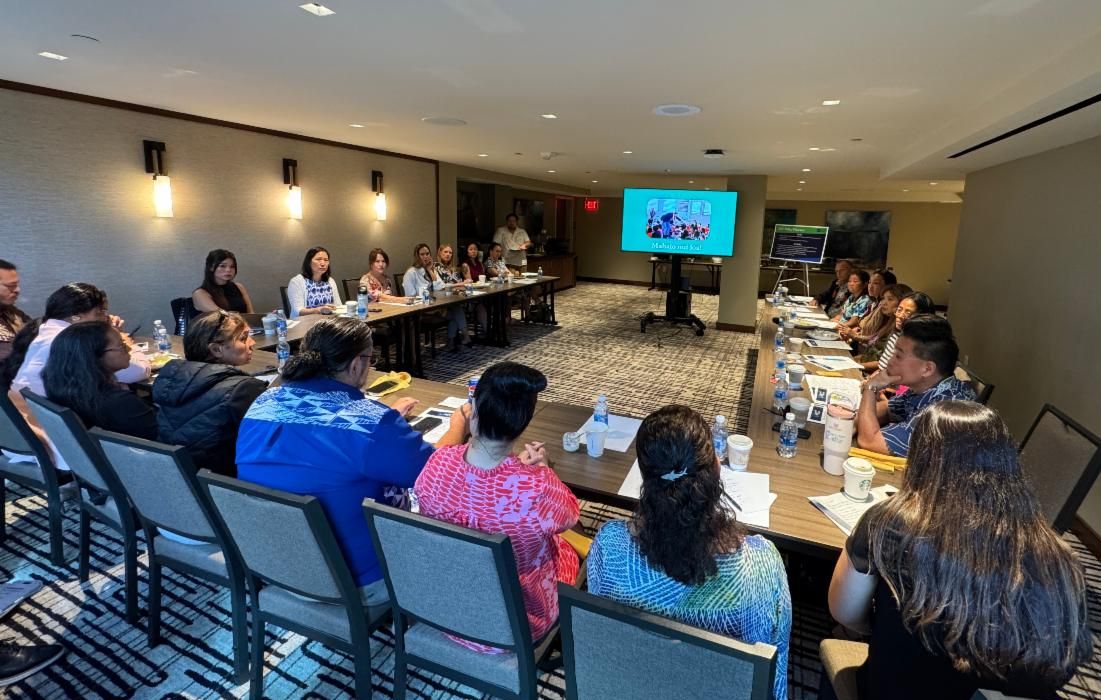
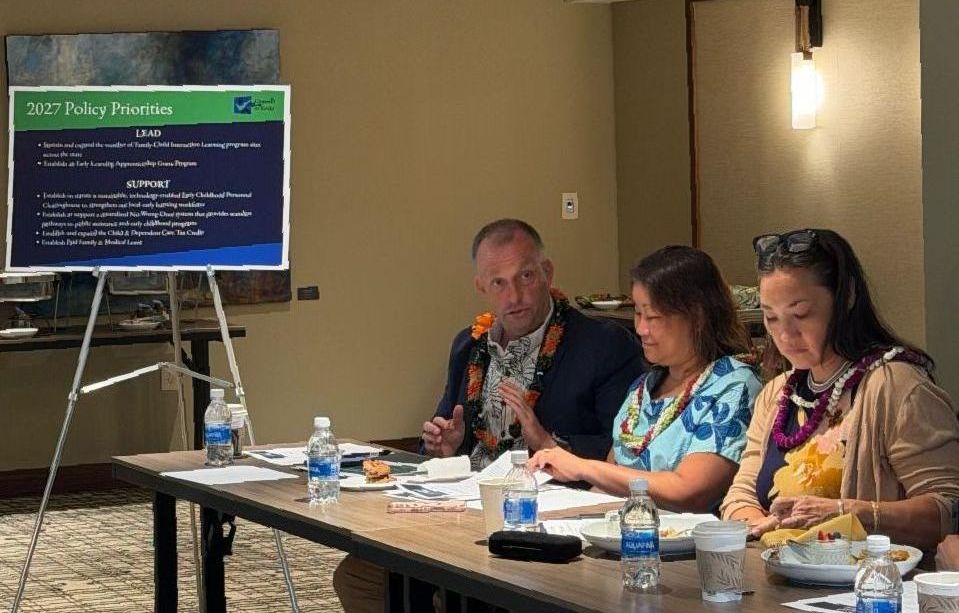
On August 10, Commit to Keiki welcomed Governor Josh Green, First Lady Jaime Kanani Green and Office of Wellness and Resilience Director Tia Roberts Hartsock for its fourth annual Governor’s Breakfast. About 30 Commit to Keiki Steering Committee members and community partners attended the gathering, providing an opportunity for early childhood leaders to discuss the needs of Hawaiʻi’s youngest keiki and their families with Governor Green and members of his administration.


Governor Green shared updates on his priorities for the state and discussed how efforts to address affordability, housing, education and health care can support the well-being of children and families. The conversation highlighted the importance of continuing Hawaiʻi’s early learning expansion, strengthening pathways into the early childhood workforce and improving compensation to recruit and retain qualified educators.


Participants also discussed opportunities to incorporate child care and early learning programs into affordable housing developments, transit-oriented communities and public facilities. The Governor expressed support for reducing permitting barriers that can delay the development of early childhood facilities and for strengthening partnerships among the state, counties and community organizations to expand access to care.


Paid family leave was another important focus of the conversation. Governor Green identified it as a priority for the next legislative session, recognizing its role in allowing parents to care for and bond with a new child while maintaining greater financial stability.


The discussion also addressed the need to protect Family-Child Interaction Learning and Head Start programs amid continued federal funding uncertainty. Governor Green and First Lady Green affirmed the importance of these programs and discussed the need to explore state support to prevent disruptions to services that families rely on. Participants also highlighted opportunities to connect health care and other family supports with early learning programs, particularly in rural and underserved communities.


The meeting reinforced the importance of coordinated action among state and county government, philanthropy and community organizations. Governor Green encouraged early childhood leaders to continue sharing their priorities and identifying potential funding needs as the administration prepares its agenda for the upcoming legislative session.


Mahalo to Governor Green, First Lady Green and Director Hartsock for their time, thoughtful engagement and continued commitment to Hawaiʻi’s youngest keiki and their families. We are also deeply grateful to our Steering Committee members and community partners for making the time to join us and for contributing their valuable perspectives to the conversation. We look forward to building on this discussion and working together to advance the policies and investments needed to give every keiki a strong start.

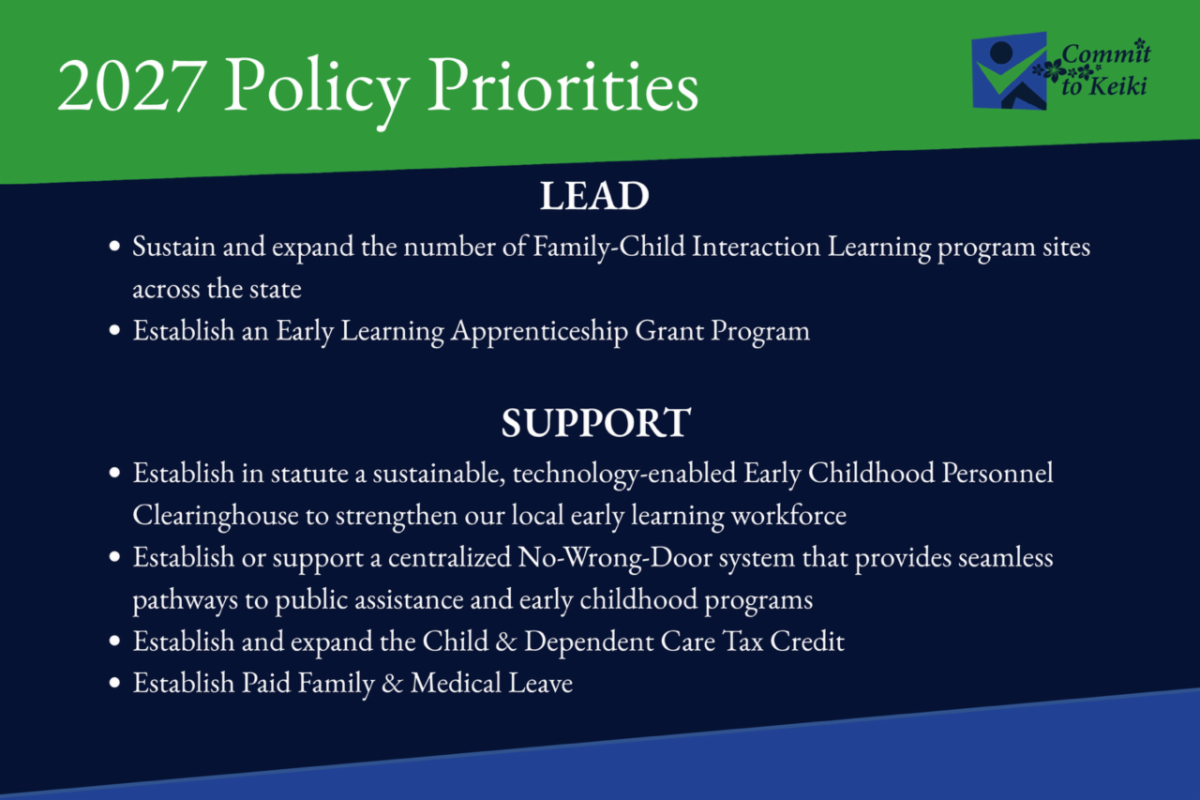
Looking Ahead: Commit to Keiki's 2027 Policy Priorities

As planning begins for the 2027 Legislative Session, Commit to Keiki has identified a focused set of policy priorities aimed at strengthening Hawaiʻi's early childhood system and improving outcomes for our youngest keiki and their families.


Next year's priorities will seek to build on existing progress while addressing some of Hawaiʻi's most pressing challenges, including child care access, workforce shortages, family economic stability, and barriers to connecting families with critical resources.


  • Lead Policy Priorities focus on expanding Family-Child Interaction Learning (FCIL) programs across the state and establishing an Early Learning Apprenticeship Grant Program to help grow and strengthen Hawaiʻi's early learning workforce.


  • Support Policy Priorities include establishing a statewide Early Childhood Personnel Clearinghouse, creating a centralized "No Wrong Door" system to simplify access to public assistance and early childhood services, expanding the Child & Dependent Care Tax Credit, and advancing Paid Family & Medical Leave.


Each of these priorities reflects Commit to Keiki's belief that investing in the earliest years benefits not only children and families, but Hawaiʻi's workforce, economy, and future. By supporting families, strengthening the professionals who care for young children, and improving access to essential services, we can build a stronger foundation for every keiki.


Commit to Keiki looks forward to working with policymakers, community partners, and advocates in the months ahead to advance these priorities during the 2027 Legislative Session. View our full 2027 Policy Priorities below or click here.


Hawaii News Now, Aug. 3, 2026

Trump overhaul could gut Head Start preschool standards, leaving states to set the rules


Honolulu Star-Advertiser, Aug. 5, 2026

Hawaiʻi early childhood education program gets funding reprieve early childhood education program gets funding reprieve


KHON, Aug. 7, 2026

Hawaiʻi Head Start services to continue amid federal rule changes


Honolulu Star-Advertiser, Aug. 18, 2026

Column: All keiki deserve quality childcare

Shawn Kana‘iaupuni

President & CEO

Partners in Development Foundation

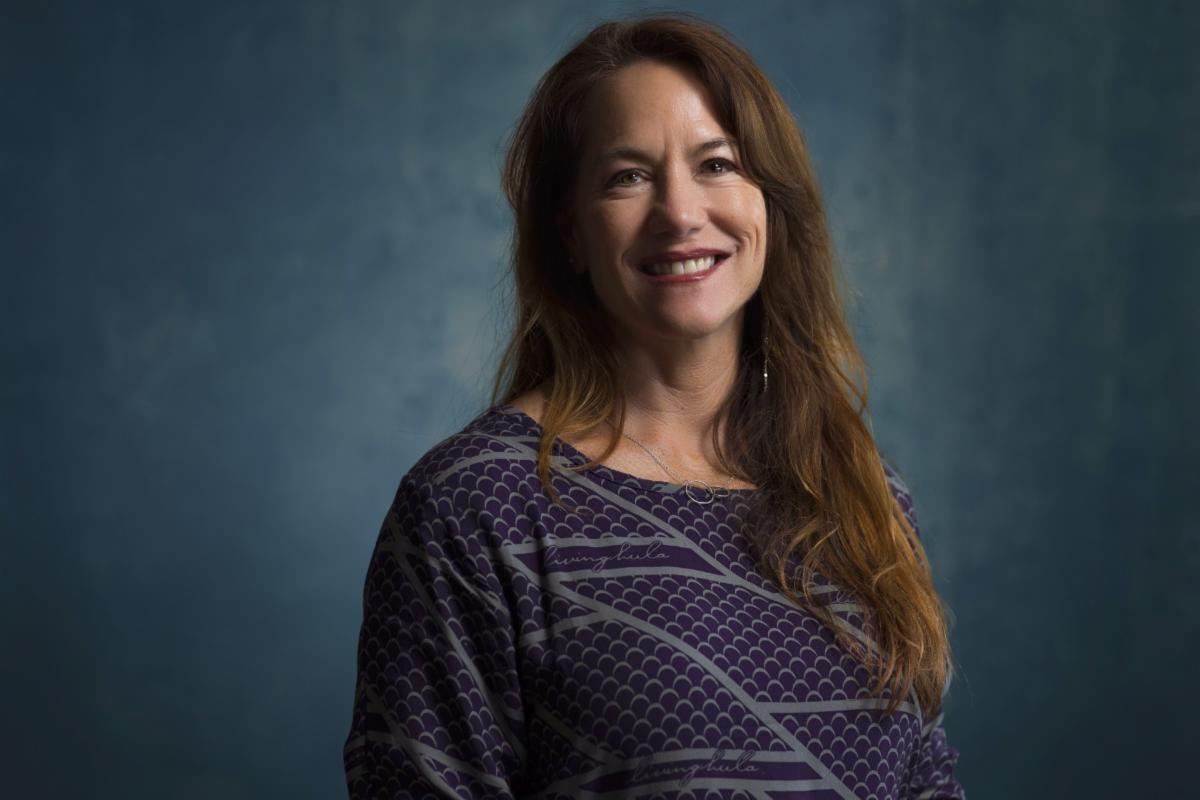
Behind every effort to support Hawai‘i’s youngest keiki are champions leading the way. In this series, we continue to spotlight partners and organizations whose work is helping to build safer, healthier communities across our state. This month, we are honored to feature Shawn Kana‘iaupuni, president and CEO of Partners in Development Foundation, and a member of Commit to Keiki's Steering Committee.


Q: What personal or professional experiences have most shaped your commitment to supporting young children and families in Hawai‘i?

 A: Our founder, Jan Dill, came across an article one day that said, “About half of all the children that enter kindergarten in Hawaiʻi are not able to count to five in any language,” and knew something had to be done to address it. This proved to be an opportunity for early education models like traveling preschools to support Hawaiʻi’s keiki in rural and remote communities.


Our PIDF founding members then started Tūtū and Me Traveling Preschool, through a family child interaction learning model that brings the family members into the early learning education and development of their keiki. Our primary kuleana (responsibility) is to inspire and help the new generation understand what they could succeed in. When we have the entire family working together and learning alongside their keiki, there is an opportunity to equip the caregivers with the skills and knowledge to care for their keiki.


The Tūtū and Me Traveling Preschool program has allowed PIDF to expand services across 75 communities in almost 30 years to at-risk and homeless families through the Ka Paʻalana program, and families in Waimānalo through Nā Pono No Nā ʻOhana. Together, PIDF’s early learning programs serve thousands of keiki and their caregivers each year.


Q: From your perspective, what does a strong, resilient early childhood system look like? What’s at stake if we fail to strengthen it?

 A: We believe that a strong early childhood system is one that the entire family can count on; where every keiki has access to high-quality, culturally grounded learning, and parents, caregivers, and kūpuna are supported as their caregivers. The system should be rooted in community voice, built on trusted relationships, and funded in a way that allows programs and educators to not only be guiding our next generation, but empowered as a multi-faceted and skilled workforce.


What’s at stake is much bigger than education. When these supports disappear, families lose trusted relationships, keiki lose critical learning opportunities and experiences, and communities lose infrastructure that can take years to rebuild. Strengthening early childhood is really about strengthening ʻohana and the future resilience of Hawaiʻi.


Q: Is there a project, program, or initiative you’ve been involved in that you feel represents meaningful progress for young keiki and families? What was its focus, and what impact did it have?

 A: One initiative I’m especially proud to be a part of is the ʻEleu Native Hawaiian Early Learning Consortium, which brings together ʻAha Pūnana Leo, ALU Like, Inc., INPEACE, Keiki O Ka ʻĀina, and PIDF around a shared kuleana: ensuring Hawaiʻi’s keiki and ʻohana have access to strong, culturally grounded early learning opportunities.


Each organization brings decades of experience serving families, including deep expertise in Family Child Interaction Learning (FCIL). By coming together, we are able to share ʻike, strengthen our collective work, and elevate the important role that parents, caregivers, and kūpuna play as a child’s first teachers. Just as importantly, we create a stronger collective voice for Native Hawaiian early learning.


For me, the meaningful progress has been in that lōkahi. Rather than advocating individually, we are able to demonstrate what is possible when trusted community organizations stand together for our keiki and ʻohana. The ‘Eleu collaboration has helped raise awareness among community and government leaders about the value of these programs and the importance of sustaining them for generations to come.


Q: Is there a project, program, or initiative you’re currently supporting that you would like to highlight? What outcomes are you working toward?

A: PIDF’s Ka Paʻalana Homeless Family Education Program continues to inspire me because it reflects what is possible when we surround families with aloha, trust, and meaningful support. Through intentional Parent and Child Together learning, thoughtful Parent Education, and the care our staff bring each day, Ka Paʻalana strengthens families around something they all share: a deep love for their keiki.

The outcomes we are working toward are stronger, more confident caregivers; keiki who are healthy, connected, and ready to learn; and families who feel supported in reaching their goals. Whether it is a caregiver using infant CPR to save a life, celebrating a child’s first steps, or watching a keiki confidently sing Hawaiʻi Ponoʻī in front of the class, these moments reflect PIDF’s mission in action and the power of shared aloha.


Q: Where do you see the greatest opportunity to strengthen systems that serve Hawai‘i’s youngest keiki and their caregivers?

A: We see the greatest opportunity in strengthening the connections between the resources that support families and not just expanding individual programs. Hawaiʻi’s youngest keiki do best when early learning, caregiver support, health and social services, and trusted community relationships work together rather than in separate systems.


That means that we must invest in place-based models that meet ʻohana where they are, especially in rural and underserved communities, while also creating more stable, diversified funding so families are not asked to absorb the consequences of shifting grants or policy decisions. If as a community, we can align public, philanthropic, and community partners around that shared kuleana (responsibility), the organizations and resources that currently exist can build a system that is more accessible, culturally grounded in shared values, and built to provide families with the consistency and support our keiki deserve.


PIDF remains committed to serving Hawaiʻi’s keiki, ‘ōpio, and ʻohana through timeless Native Hawaiian values and traditions, and we welcome community partners to join us in this journey to healthier families, and more resilient communities.

Critical Early Learning Programs Receive Funding Reprieve

Earlier this year, uncertainty surrounding federal funding placed several early learning programs operated by Partners in Development Foundation (PIDF) at risk, leaving many Hawaiʻi families uncertain about whether the services they rely on would continue.


With support from U.S. Sen. Brian Schatz, federal funding through the Native Hawaiian Education Program has been extended for another year, helping more than 60 early childhood education sites and other Native Hawaiian education programs across Hawaiʻi continue operating. For PIDF, the funding will allow its Ka Paʻalana Family Education Program and Tūtū and Me Traveling Preschool to continue serving families during the 2026-2027 school year.


For Hawaiʻi, this is an encouraging update. These programs provide opportunities for young keiki and caregivers to learn together while strengthening early relationships, supporting school readiness, and connecting families with valuable community resources through culturally grounded programming.


Although this funding provides important short-term stability, it also underscores the need for sustained public investment and long-term policy solutions. As Hawaiʻi prepares for the next legislative session, it will be critical for our elected leaders to continue investing in proven early childhood programs that support young keiki and strengthen families.

Watch: Tūtū and Me Traveling Preschool in Action


Last year, Commit to Keiki partnered with KHON2's Living808 to spotlight PIDF's Family-Child Interaction Learning programs. The segment featured conversations with program leaders and a local family, highlighting how these culturally grounded programs prepare young keiki for school by engaging parents and caregivers in the learning process while connecting families with valuable resources. 

Facebook  Instagram  YouTube