Gov. Phil Scott signs bill limiting prior authorization, other health insurer practices | |
|
VTDigger
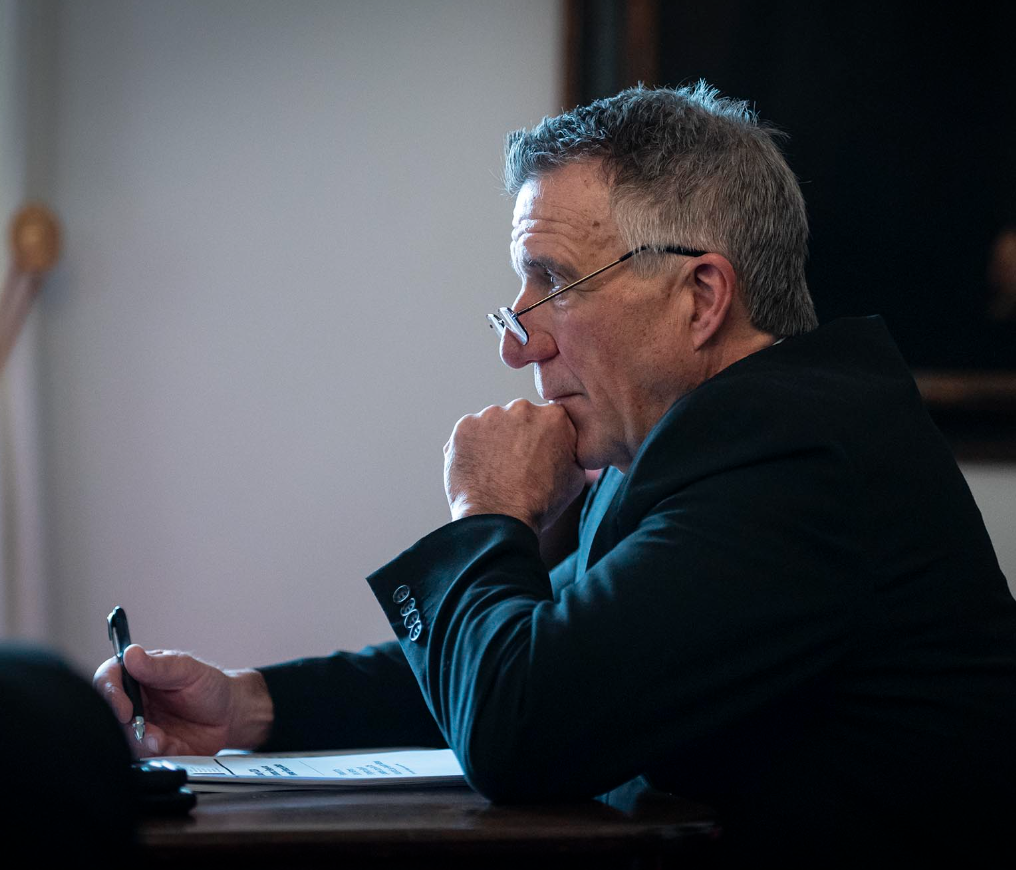
Gov. Phil Scott on Monday evening signed H.766, a bill that takes aim at health insurance company practices such as “prior authorization” and seeks to free health care practitioners from burdensome paperwork.
“The intent of this bill is to improve the health care outcomes of Vermonters — which could lower overall healthcare costs — by increasing access to timely and essential health care services,” Scott said in a letter to lawmakers.
In his letter, Scott said he was also directing the state’s Agency of Human Services and Department of Financial Regulation to study the impact of the legislation on costs and outcomes of care. The study would examine similar legislation in other states and “how we can apply successful strategies to the implementation and improvement of this law,” Scott said.
H.766 aims to streamline interactions between practitioners and insurance companies. By limiting tactics like prior authorization — in which insurers require practitioners to get permission before ordering a procedure — the bill seeks to give providers more autonomy over the care they provide.
Read more
| |
With prescription drug bills, Vermont lawmakers hope to lower pharmaceutical prices | |
|
VTDigger
Vermont lawmakers are hoping that new legislation headed to the desk of Gov. Phil Scott will help patients afford prescription drugs, as rising pharmaceutical prices push up health care costs across the state.
As legislators scrambled to wrap up the legislative session earlier this month, they passed two bills that aim to reform how prescription drugs are priced and distributed.
“We’ve known about the impact that skyrocketing prescription drug costs have had for years,” Rep. Mari Cordes, D-Lincoln, the clerk of the House Health Care committee, said in an interview. But “because there’s so much market consolidation and so much vertical and horizontal integration (of health care companies), it’s just been it’s been so hard to get at that and get inside the black box and have any real power to do anything about it.”
Now, lawmakers are seeking ways to open that black box — and slow the growth of drug prices.
Increasing pharmaceutical prices are driving up costs across Vermont, even for people with no prescriptions.
Read more
| |
We ignore our long-term care needs in Vt. at our own peril | |
|
St. Albans Messenger
In 1935, President Franklin D. Roosevelt signed the Social Security Amendments into law. Thirty years later President Lyndon B. Johnson added Medicare and Medicaid. The three programs are the most enduring social programs we have and they have worked because more people paid in than received, which was a function of a robust birth rate and a life expectancy that hovered near the age of retirement.
That’s all changed. Our birth rate has plummeted and life expectancy is nearing 80 years of age. Now, we have fewer paying in and more receiving. With our drive to live longer, it’s expected that women will live to be 89 to 94 and men will live to be 83-86 by 2050. Nice. And how are we supposed to pay for it?
Good question. We’re already seeing cracks in the system. Particularly in New England, home to the nation’s oldest states. Nursing homes are closing at a rate three times the national average, according to a just-released report from the Federal Reserve Bank of Boston. In every state in New England, including Vermont, the median nursing home is financially underwater, meaning we can expect more nursing homes to go out of business.
Read more
| |
Health Talk: Understanding asthma | |
|
Rutland Herald
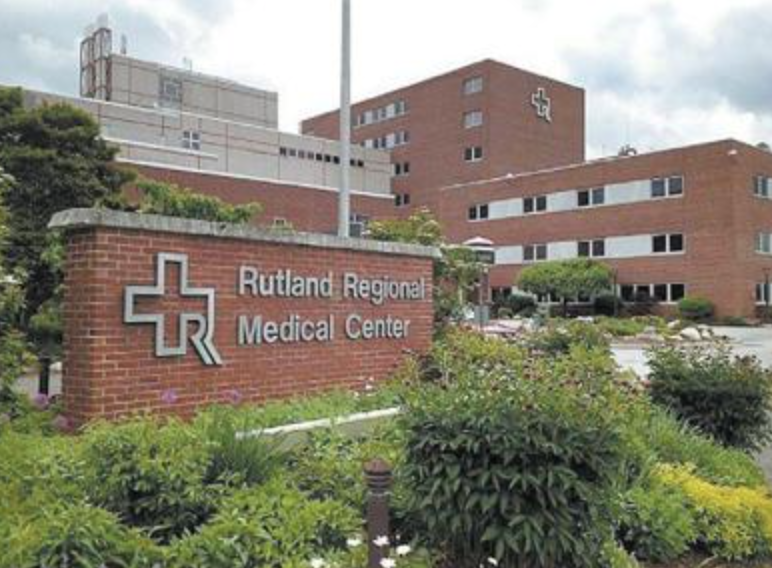
Asthma is a chronic inflammatory lung disease that can cause breathing difficulty in children and adults.
Although medical research has not precisely determined the cause of asthma, we know that during an asthma attack there is contraction of the muscles in the airways of the lungs, increased mucous production and swelling of the airways. Consequently, patients can develop breathing symptoms such as chest tightness, noisy breathing or wheezing and a cough.
These breathing symptoms can also be found in other respiratory diseases such as bronchitis and respiratory tract infections. Your health care provider can diagnose asthma through analyzing lab results, reviewing your medical history, performing a physical exam, and breathing tests such as spirometry.ress their feelings.
A big part of healthy child development is creating a positive relationship with them.
Spirometry is a type of breathing test that can be used to diagnose asthma. In addition, a peak flow monitor can be used to monitor symptoms in patients with asthma. Using a peak flow meter, the speed of air leaving the lungs can be measured and used to determine how well a patient’s asthma is controlled. Patients can also use peak flow meters at home to help monitor their asthma symptoms.
Read more
| |
Graceful Health: Bone density and the silent disease | |
|
Brattleboro Reformer
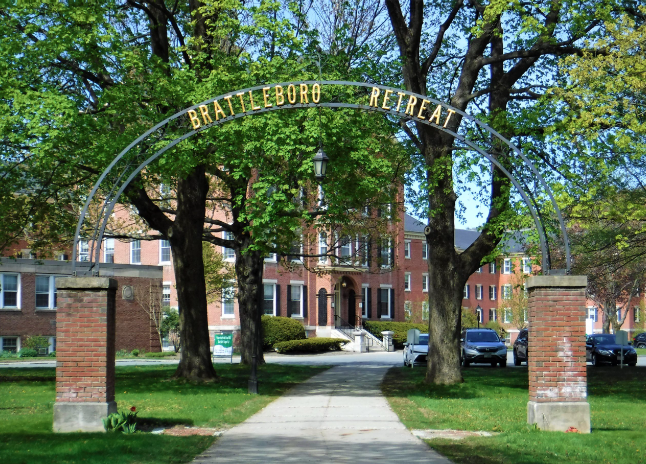
May is National Women’s Health Month, and I would like to take this opportunity to focus on the importance of Osteoporosis screening for the prevention of fractures. This topic is important to women’s health and deserves more attention.
Osteoporosis affects millions of Americans. It is more common in women than men, and risk increases with age. One in three postmenopausal women has osteoporosis.
Loss of bone mass is an expected part of aging; however, it carries consequences. Osteoporosis develops when bone mineral density and bone mass decrease, or when the structure of the bone changes. This in turn causes bones to become fragile and susceptible to breaking. Osteoporosis is often called a “silent disease” because it develops over time with few or no symptoms. In the early stages of bone loss patients do not typically have symptoms. Once bones have been weakened by Osteoporosis, patients may experience loss of height over time, posture changes, back pain due to collapsed bones in the spine, or fractures (broken bones).
Read more
| |
Ambiguous loss: A form of grief | |
|
Brattleboro Reformer
I began my health care profession as a physical therapist working in acute rehabilitation. Daily, I bore witness to and interacted with those living in the midst of traumatic bodily injury. One day whole, the next struggling with losses of bodily control, such as paralysis, neurodegenerative illness, brain injury, amputations, and such.
I observed the various ways my patients struggled, physically and psychologically, to incorporate such change, loss, and uncertainty within a healing context. I listened as my patients became my teachers. What we knew was there was no going back, as one said: “I am here, and yet I am not.” I became drawn to the challenges of reconstituting self and identity while incorporating irrevocable loss in a grief and restoration frame. As such, I embarked on studying psychology and psychotherapy. I wanted to unearth and confront the experiential truths of profound loss through conversation and mutual exploration. I yearned to understand what integration and healing meant amidst illness and loss. I observed the human art of evolving and healing as continuous creative processes with no clear endpoint. I realized completion and closure were myths.
Read more
| | | | |