The Institute for Health Equity Research, Evaluation & Policy | |
IHE observes Substance Use Prevention Month | |
Leadership in Health Equity: October 2024 | |
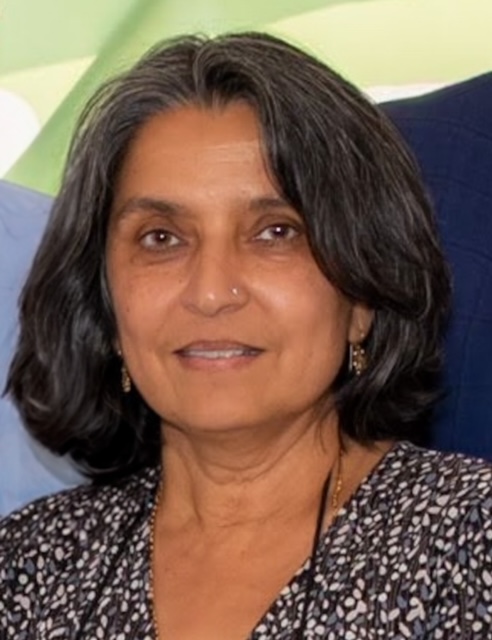
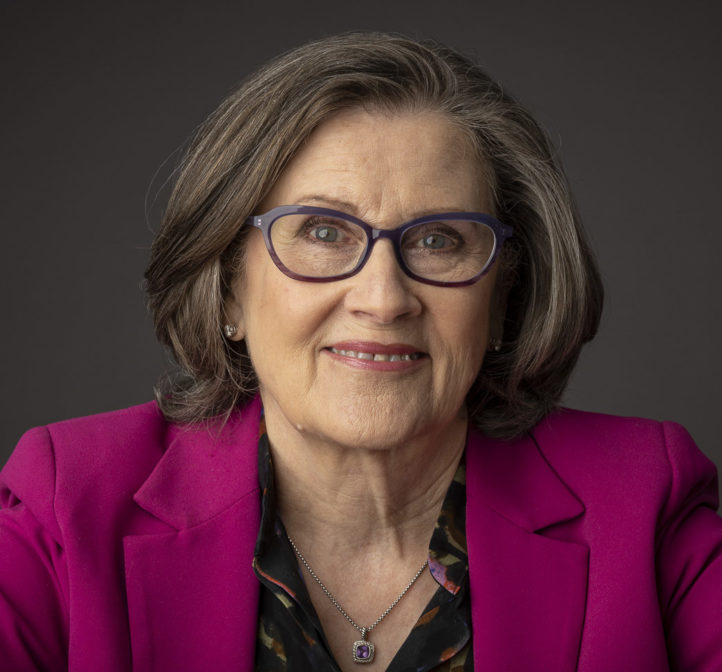
In recognition of Substance Use Prevention Month this October, Dr. Cheryl Clark, Executive Director and Senior Vice President of the Institute for Health Equity Research, Evaluation & Policy (IHE), spoke with Dr. Nisha Thakrar of South Boston Community Health Center (SBCHC), and Dr. Genie Bailey of The Family Health Center at SSTAR.
Dr. Thakrar, a pediatrician and Chief Medical Officer at SBCHC, cares for patients from newborns to age 21, with a focus on lifestyle choices that impact long-term health. Dr. Bailey, a Duke Medical School graduate and Board-Certified psychiatrist, has over 40 years of clinical experience and currently serves as an Associate Clinical Professor of Psychiatry and Human Behavior at Brown University. She has dedicated the past twenty years to substance abuse treatment and research at SSTAR.
Their discussion highlighted the role of SBCHC and SSTAR as essential healthcare providers to underserved communities in Massachusetts, emphasizing the importance of preventive substance abuse care. Dr. Thakrar and Dr. Bailey shared insights on their missions, the role of substance use prevention in healthcare, and their vision for a more equitable future in addiction support.
Read the full conversation below.
| |
For substance use prevention to be effective, Substance Abuse and Mental Health Services Administration (SAMHSA) focuses "on what works. A Guide to SAMHSA’s Strategic Prevention Framework offers five steps and two guiding principles to put comprehensive solutions in place." | |
Substance Use Prevention Month:
An Interview with Nisha Thakrar and Genie Bailey
| Dr. Cheryl Clark (IHE): Please tell us about the work of your community health center (CHC) | |
|
Dr. Nisha Thakrar (SBCHC): The South Boston Community Health Center (SBCHC) is a full-service health care facility that has been serving the South Boston community, an underserved and isolated neighborhood within the City of Boston, Massachusetts, since 1972.
With a dedicated staff of over 150, the South Boston Community Health Center (SBCHC) provides more than 70,000 visits annually, serving as the only primary healthcare provider to nearly half of South Boston’s residents. Guided by a mission to offer accessible healthcare to all, SBCHC places special emphasis on reaching those in greatest need within the community.
SBCHC’s patient population has historically reflected the demographics of South Boston, which are predominantly White with a significant low-income population. However, the center has seen a notable increase in racial and ethnic diversity, with minority representation rising from 23% in 2018 to 28% in 2023. Today, Black and Latino patients make up a significant portion of the community served, comprising 10% and 15%, respectively, with the Latino population experiencing the most growth.
Our services include Adult Medicine, Family Medicine, Pediatrics, Behavioral Health (including Psychiatry), Dentistry, Optometry, Radiology, Mammography, Pharmacy and specialty services that include Nephrology, Dermatology, Gastroenterology, Cardiology, Pulmonology, OB/GYN and Sports Medicine.
The Health Center is associated with many of the area hospitals, with @Boston Medical Center being our primary affiliation. We are also affiliated with @Mass General Brigham (Massachusetts General Hospital and Brigham and Women’s Hospital) and @Tufts Medical Center.
| |
Dr. Genie Bailey (SSTAR): The Family Health Center at SSTAR opened in 1992 to provide primary care for individuals suffering from HIV. Our CEO recognized the need for better treatment for clients with substance use disorders and developed a primary care model in partnership with experts at Brown. The center became a Federally Qualified Health Center (FQHC) in 2004 and currently operates in three locations in Fall River, MA.
Our integrated services include detox programs, outpatient mental health care, a women’s center, and support groups for DUI and intimate partner violence. We serve around 900 people with our buprenorphine program and 600 individuals through our methadone clinic, which is expanding to offer same-day methadone treatment. The Health Center also runs an HIV and Hepatitis C testing program, known as Project Aware, and is enhancing women's health services in collaboration with Upstream. Additionally, we have a workforce grant to support the education of our medical assistants, LPNs, and RNs. My role in the Health Center has been to assist with the integration of behavioral health, to supervise the psychiatric nurse practitioners, and to provide leadership in the buprenorphine program.
Dr. Clark: Please tell us about the substance use disorder (SUD) care your CHC provides and your approach to this care
| |
Dr. Thakrar: SBCHC currently provides comprehensive integrated behavioral health services for patients, including individual and group therapy for children, adults, adolescents, and families; psycho-pharmacological evaluation and medication management, psychiatric and substance abuse evaluation, treatment and referral, crisis intervention, and family stabilization, and medications for opioid use disorder (MOUD).
We screen patients for mental health concerns, social needs and substance abuse at every visit and therefore we can identify patients in need of services at their primary care visits. They are connected to our integrated behavioral health team through warm handoffs or cold handoffs so they can get the appropriate follow-up and care.
We have multiple providers trained in medication assisted treatment (MAT) and our office based addiction treatment (OBAT) clinic is co-located with primary care so we are able to provide same day treatment to patients in need.
We also track all our patients who are seen in the emergency room or are hospitalized for mental health or substance use concerns and we follow up with them within seven days post hospital visit.
SBCHC has excellent working relationships with other mental health and substance use providers both in South Boston and throughout the city. These relationships enable SBCHC to refer many patients for therapy or treatment. However, while these partnerships are essential to augment SBCHC’s services, many of our patients strongly prefer to receive services at SBCHC, both because they trust the providers and culture at SBCHC and because there is less stigma receiving services at a primary care facility than a known mental health/SUD agency.
| |
Dr. Bailey: Our care approach is based on harm reduction, emphasizing the importance of offering medications for opioid use disorder. We provide buprenorphine through the Massachusetts cooperative care model, pairing each patient with a nurse case manager and prescriber. Currently, 900 individuals receive buprenorphine or extended-release naltrexone (Vivitrol) for opioid use disorder. We also support individuals with alcohol use disorder with medications like extended-release naltrexone and acamprosate, as well as off-label options like Neurontin and Topamax.
We work closely with our detox unit to ensure patients leave with necessary medications and offer a low-barrier clinic for walk-ins. Our outreach efforts include supporting the unhoused community, and we hope our mobile van will facilitate primary care and medication access for these individuals.
Dr. Clark: What are the most important changes, public health approaches, or legislative approaches to addressing SUD care for your community?
| |
Dr. Thakrar: We’ve recently received funding through the Bureau of Substance Abuse (BSAS), which enables us to receive enhanced payment for each OBAT visit. This increased reimbursement will enable us to hire staff to provide the necessary services for our patients with substance use disorder.
While enhanced reimbursement is helpful it seems like there is an insatiable demand for services. For years health centers have been focused on treatment services, perhaps a renewed emphasis on prevention and early intervention would yield longer term benefits. Additionally, we are aware that some organizations have had some lasting success with recovery coaches being in place so perhaps additional funding or a policy focus on these initiatives would be helpful.
Dr. Bailey: We need policies that promote parity and eliminate stigma around substance use disorders. This includes providing all FDA-approved medications without prior authorizations or dose restrictions. Expanding our workforce is crucial to ensure every patient receives evidence-based treatment.
All clinics should offer services for substance use disorders just as they do for chronic diseases. We must also support prevention and stigma-reduction programs. To save lives and educate the public, we need to promote naloxone awareness and distribution, needle exchange programs, safe injection sites, and public education initiatives that combat stigma and raise awareness of these issues.
| |
Nisha Thakrar, MD is a pediatrician and Chief Medical Officer at the South Boston Community Health Center. She sees primary care patients from newborns to 21 years old in Pediatrics and her interests include promoting lifestyle choices that impact your health.
Genie Bailey, MD is a Duke Medical School graduate who completed her residency in General Psychiatry at Yale University. She is an Associate Clinical Professor of Psychiatry and Human Behavior at the Warren Alpert Medical School of Brown University and is a Board Certified psychiatrist with 40 years of clinical and supervisory experience. She has numerous peer reviewed publications and is a highly sought-after lecturer at the local and state-wide level.
Learn more about SSTAR at www.sstar.org.
|
|
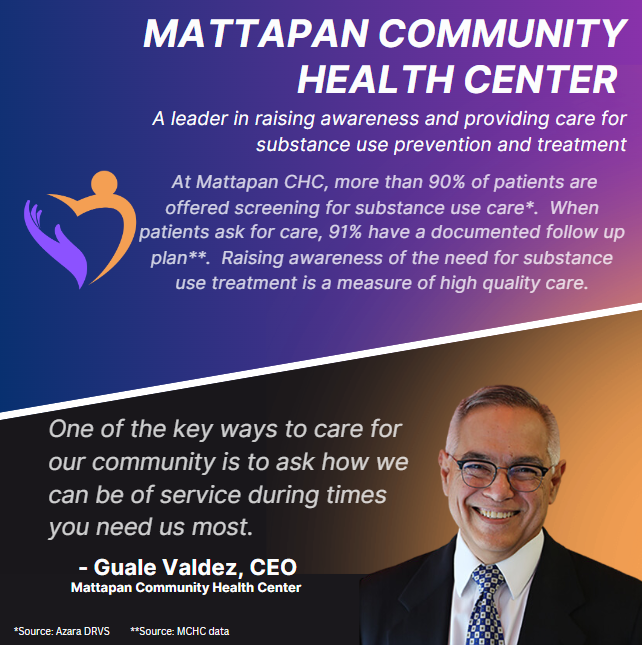
Mattapan Community Health Center:
A leader in raising awareness and providing care for substance use prevention and treatment
| |
|
At Mattapan CHC, more than 90% of patients are offered screening for substance use care*. When patients ask for care, 91% have a documented follow up plan**. Raising awareness of the need for substance use treatment is a measure of high quality care.
Learn more about Mattapan Community Health Center.
*Source: Azara DRVS; **Source: MCHC data
| |
|
Briefing To Better Understand Long COVID
WWLP, June 25, 2024
State House News, June 24, 2024
Doctors, including IHE's Executive Director Cheryl Clark, public health officials and others briefed lawmakers on potential steps state government could take to address health equity implications of long COVID and to support people living with long-term effects from the virus.
| |
|
"Community health centers looking to address health impacts of slavery," The Bay State Banner, June 6, 2024
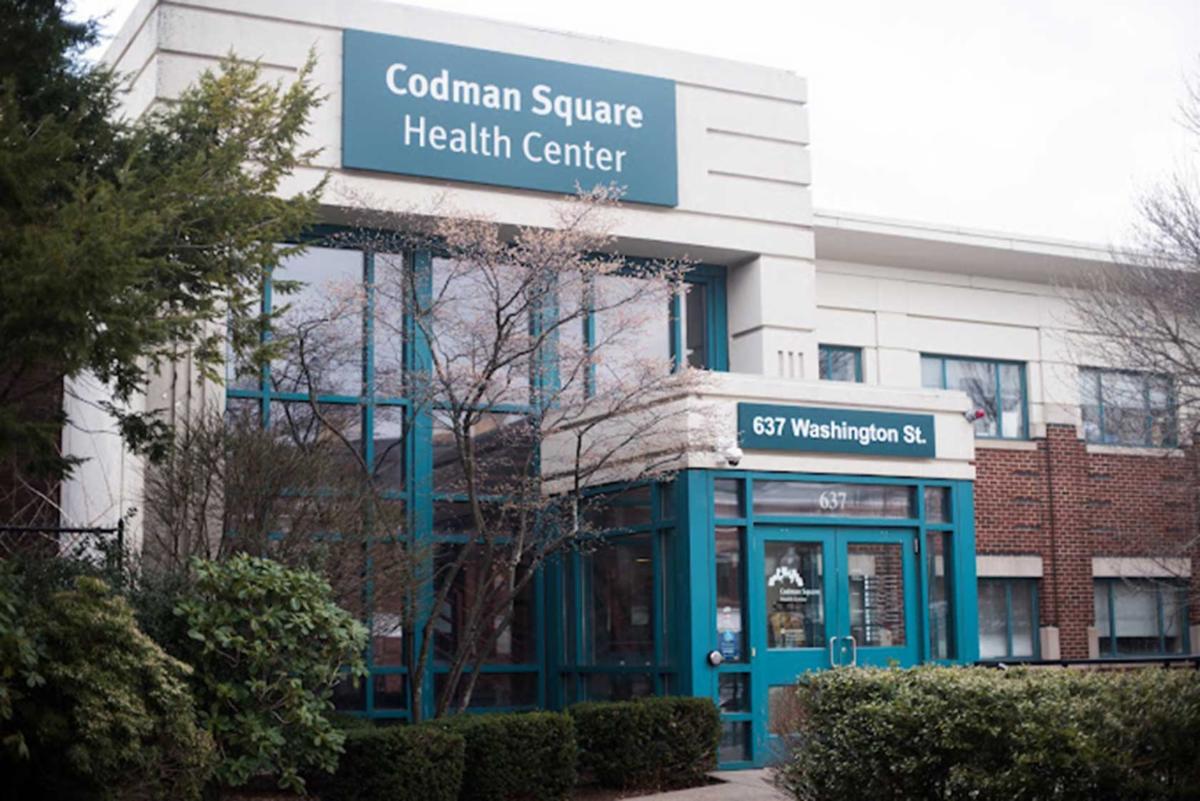
A Harvard University grant funding will support the INSPIRE project organized by IHE: two years of investigating efforts to better serve “descendent communities” — populations facing the ramifications of slavery. Participants in the program will come from Codman Square Health Center, Brockton Neighborhood Health Center, and Randolph High School.
| |
The Institute for Health Equity Research, Evaluation, and Policy | |
In 2023, The Massachusetts League of Community Health Centers (Mass League) created the Institute for Health Equity Research, Evaluation and Policy, Inc. (IHE), a 501(c)(3) non-profit organization designed to support Emancipatory research driven by community health centers.
IHE convenes communities and supports the scientific infrastructure, implementation, program evaluation and training needed to identify and sustain the most effective strategies for attaining equity in health and healthcare, as defined by those with lived experience of health inequities.
Learn more about IHE on our webpage of the Mass League website and on our LinkedIn page.
| |
|
IHE July feature:
In honor of The Institute for Health Equity's one year anniversary, The Castle Group (TCG), which has collaborated with IHE over the past year, met with Dr. Cheryl Clark, executive director and senior vice president of IHE, who answered questions about our mission, accomplishments, and plans for the future.
Read the full feature.
| |
IHE celebrated our one year anniversary in July 2024. | | | | |