Dear Angelenos:
As Women’s History Month draws to a close, I want to take a moment to reflect on the impact women are having in cities around the world. Leaders like our first female Council President in Los Angeles, Nury Martinez, are drawing needed attention to women’s issues at the local level.
Because women have historically been underrepresented in the field of planning, cities have tended to structure everyday life in ways that privilege men's interests and points of view. As increasing numbers of women have pursued careers in planning, the profession has come to recognize how this bias shapes aspects of urban life. Much of the current work on gender equity in planning approaches fundamental concerns—such as mobility, safety, and access—from a perspective that centers women’s needs.
Over the last few years, City Planning has taken steps to amplify marginalized voices and build a workforce that represents all Angelenos. Today, 65 percent of our managers and nearly 60 percent of our staff identify as female. While much remains to be done on women’s issues, I am proud of the progress we have made in terms of representation, and confident that our policies and programs will advance the cause of gender equity. Together, we are Planning4LA.
Sincerely,
|
|
Vince Bertoni,
Director of Planning
|
|
|
|
On March 25, the City Planning Commission (CPC) voted to approve the Department’s proposed Processes and Procedures Ordinance. The proposed ordinance aims to consolidate the administrative provisions of the Zoning Code in one centralized location.
These improvements strive to make Zoning Code processes and procedures easier for local businesses and residents to understand. Several years ago, City Planning set out to create a modern zoning system for Los Angeles. The Processes and Procedures Ordinance marks an important milestone in this endeavor by establishing the overarching framework that will eventually house the new Code as Community Plan Updates are adopted by City Council.
The ordinance also reduces redundancies by consolidating entitlements with similar procedures—reducing the total number of processes for planning entitlements from over 120 to about 60. The ordinance will now advance to the City Council for their consideration.
|
|
|
|
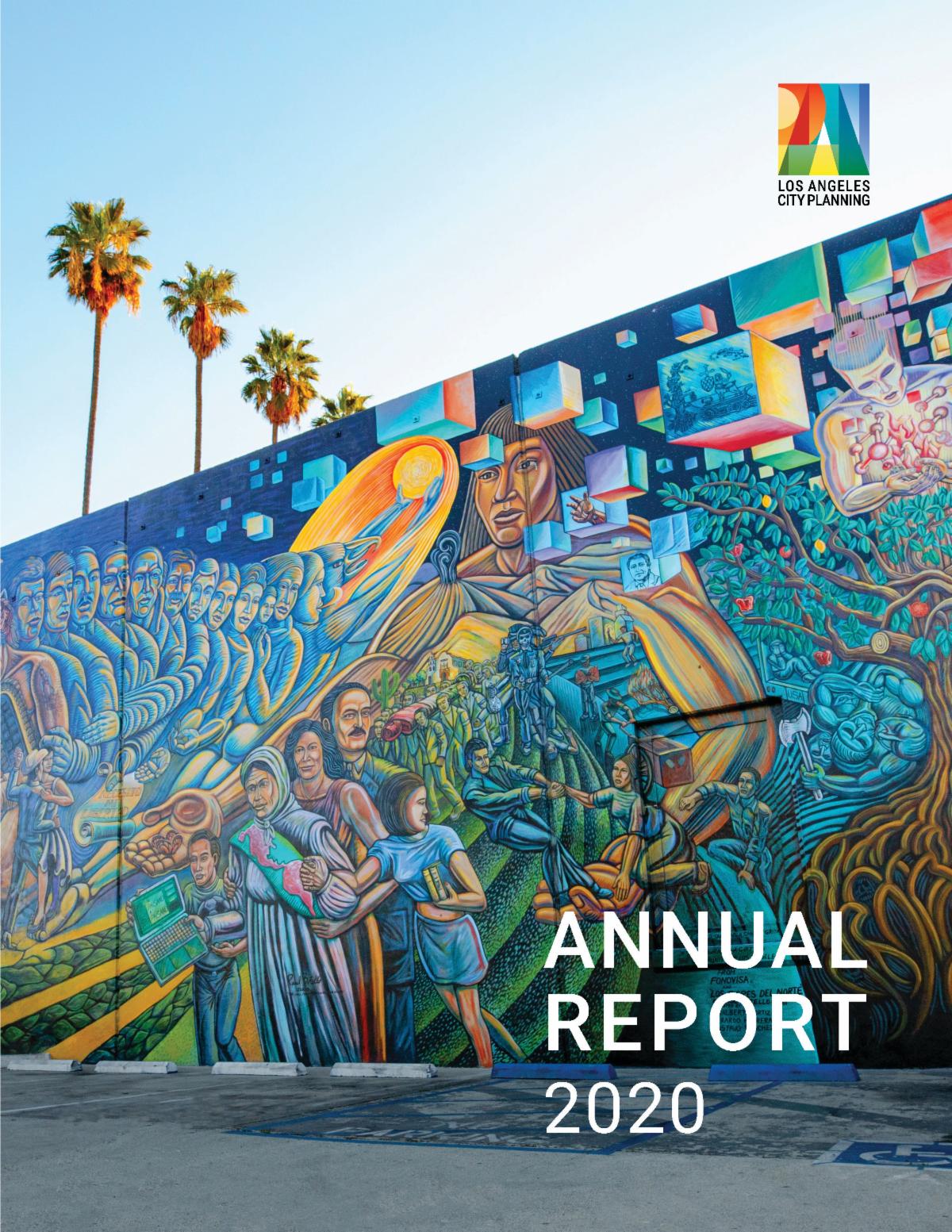
On March 23, City Planning published its Annual Report for 2020. The report highlights the significant milestones many planning initiatives reached last year and the Department’s expansion of online services to streamline the review of project submittals.
Facing a public health crisis unparalleled in the City Planning’s 100-year history, the Department took swift action to protect the health and safety of all Angelenos. Despite the year’s challenges, City Planning advanced new housing opportunities across Los Angeles’s neighborhoods through cutting-edge policies that have produced more affordable units.
Technology played a pivotal role in achieving greater efficiencies with limited resources. From standardizing noticing procedures to making outreach more inclusive, City Planning has augmented its information-sharing capabilities, using new media to keep Angelenos informed.
|
|
|
|
Hollywood Community
Plan Update
|
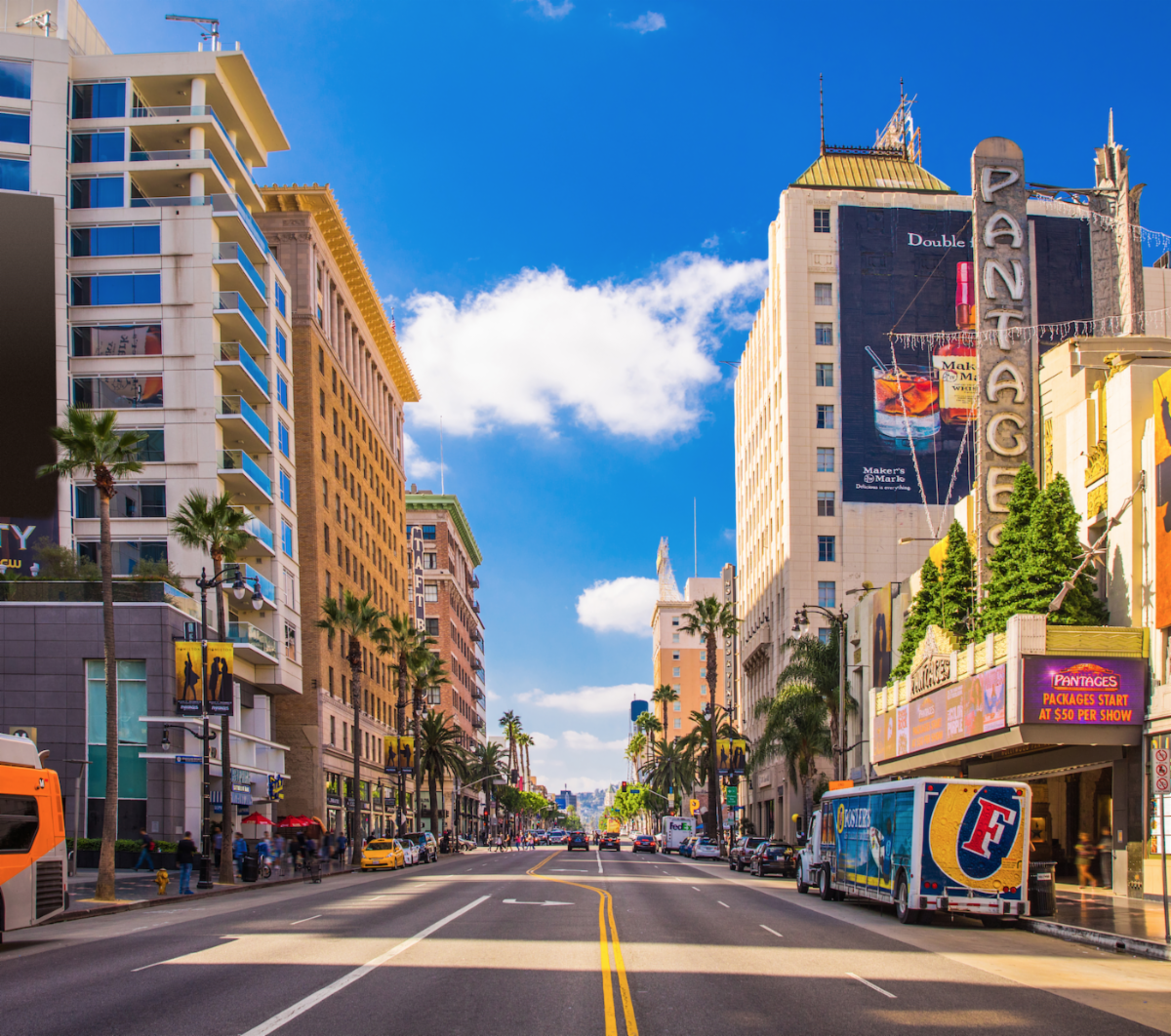
On March 18, the City Planning Commission recommended approval of the Hollywood Community Plan Update. The update aims to accommodate affordable housing in the Hollywood Community Plan area by increasing the development rights of properties near transit systems (both generally in central Hollywood and along selected commercial corridors) and establishing incentives for the provision of onsite affordable housing.
At the same time, the plan also proposes new provisions to preserve and expand media and entertainment industry investments and jobs, while elsewhere redesignating more than 300 acres of hillside residential land use as open space to preserve some of the City’s most ecologically sensitive areas.
The City Planning Commission recommended changes to the Hollywood Community Plan Update, including more robust incentives for affordable housing within the central Hollywood area (the Regional Center), and the allowance of a two-story incentive for additional height along height-restricted corridors, for projects that provide affordable housing units.
The Hollywood Community Plan Update will next advance to the Planning and Land Use Management Committee, and then to the City Council for adoption. Dates for these future meetings have not been established. Sign up online to receive email updates about the Hollywood Community Plan Update.
|
|
|
|
On February 25, the City Planning Commission (CPC) considered the proposed Citywide Sign Ordinance, which would comprehensively revise and consolidate the existing sign regulations in the Zoning Code. After taking public comment, the CPC instructed the Department to modify the regulatory framework it prepared at the City Council’s request.
With CPC’s changes, the proposed ordinance reverts to the provisions outlined in Version B+, an earlier iteration of the Citywide Sign Ordinance first recommended by the Commission in 2015. Unlike Council’s recommendation, Version B+ includes provisions that would restrict allowances for off-site signs, remove options for placement on public property, and apply stricter standards for the placement and operation of off-site signs.
The revised ordinance and supplemental report will be transmitted to the City Council for consideration by the Planning & Land Use Management (PLUM) Committee.
|
|
Councilmember in Your Corner |
|
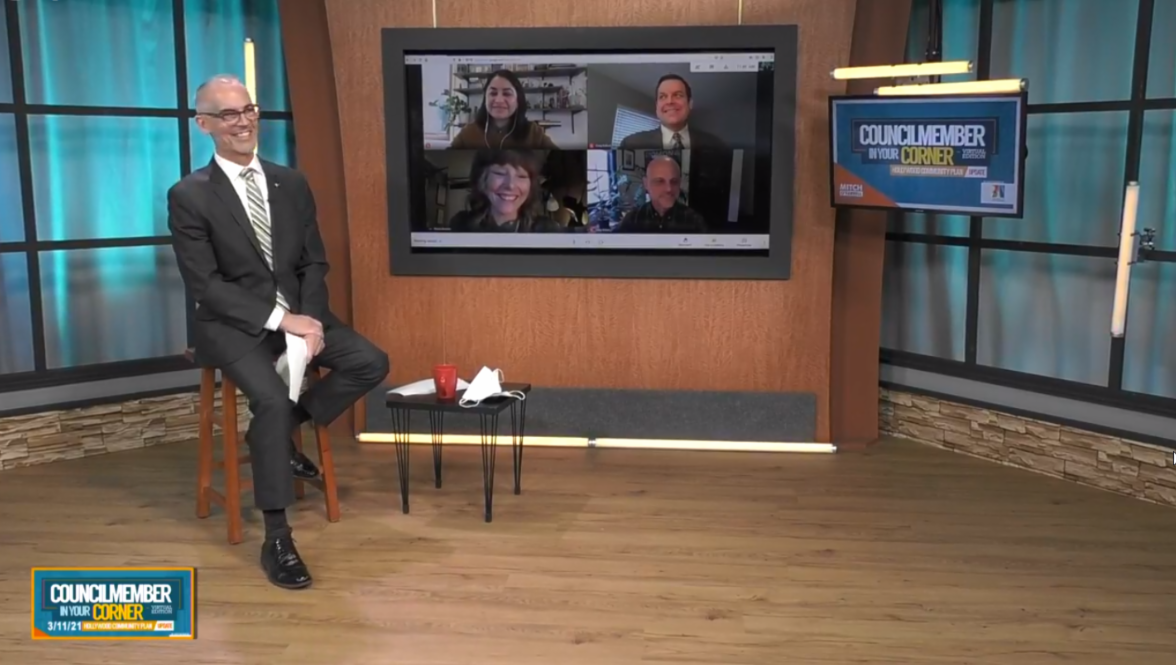
On March 11, members of the Hollywood Community Plan Update team joined Councilmember Mitch O’Farrell on CityView 35 and Facebook Live to discuss the proposed update to the Hollywood Community Plan. Deputy Director Shana Bonstin, Principal City Planner Craig Weber, and Senior City Planner Priya Mehendale explained the update’s approach for increasing the number of affordable housing units near transit systems in the area. They also discussed how the updated uses proposed in the Plan update would support economic investment in central Hollywood and the Media District, in balance with the City’s overarching vision and goals for a more sustainable and resilient future.
Key features of the Hollywood Community Plan include:
- the creation of an affordable housing incentive program that encourages the production of mixed-income and 100 percent affordable housing units near transit systems through the Community Plan Implementation Overlay
- the expansion of allowable uses within existing commercial zones in central Hollywood to facilitate additional economic opportunities for small businesses in the regional center
- the establishment of a planning review for the rehabilitation of designated and eligible historic resources, and new procedures to allow for the transfer of unused development rights from historic sites to other development sites
- improving sensitive hillside ecology by reserving additional land for open space in the Hollywood Hills
|
|
Supporting Small Businesses and Economic Growth |
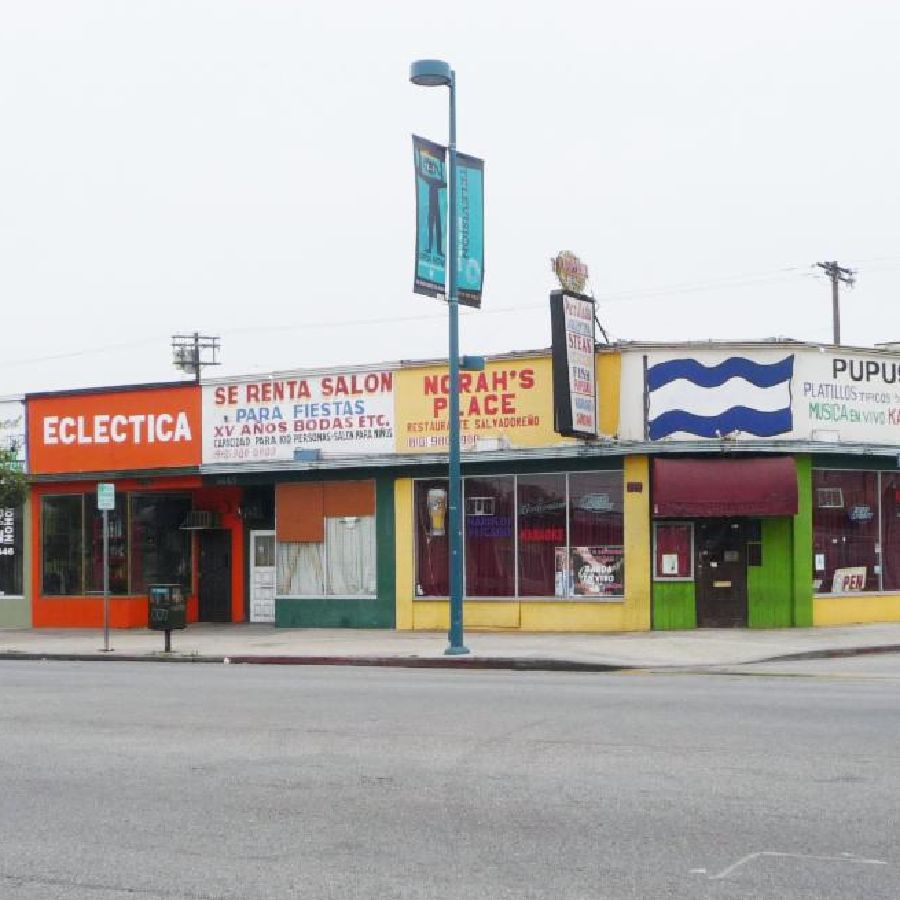
On March 18, City Planning held a listening session with local business groups and trade organizations to discuss the Department’s efforts to support economic development. The virtual meeting provided representatives of local industries with an opportunity to learn about the latest updates to the Restaurant Beverage Program, Processes and Procedures, and Local Emergency Ordinance.
As part of this outreach to local businesses, the Department invited all attendees to participate in an online survey that asked about their previous experiences with City Planning, any regulatory constraints they have faced, and their preferred methods of communication.
This discussion is part of the Department’s efforts to foster and maintain relationships with local business groups and trade organizations, especially those that represent minority-led business owners.
|
|
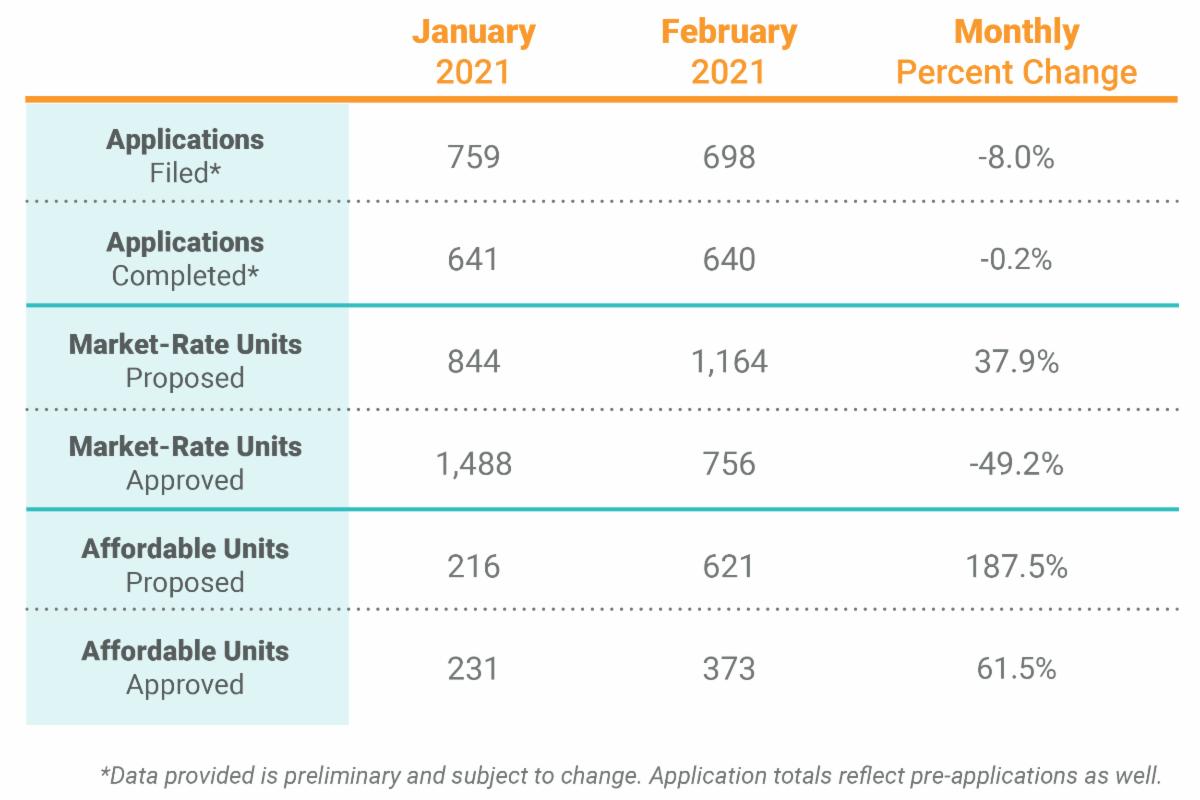
In the month of February, the number of applications filed and completed was on par with the numbers of applications filed and completed during the same time last year. |
|
|
|
- Held Public Hearing and virtual open house events in December 2020
- Facilitated Community Planning 101 webinar sessions in November 2020
-
Released updated draft Zoning, Plan Text, Land Use Map, and Community Benefits Program in November 2020
- Extended the comment period for the Draft Environmental Impact Report (EIR) to December 4, 2020 and Draft Plan to January 13, 2021 to allow for additional input
- Conducted virtual office hours in September 2020
- Released updated draft Zoning, Plan Text, Land Use Map, and Community Benefits Program in August 2020
-
Released Draft EIR in August 2020 for a 120-day comment period
- Conducted office hours in January and February 2020
- Released Draft Zoning in October 2019
- Released Draft Plan and Land Use Map in July 2019
|
|
|
|
- Preparing for workshops on the proposed new zoning in 2021
- Preparing Draft EIR
-
Released a Draft Land Use Map and Plan Principles and Strategies in December 2020
- Held virtual webinars in December 2020 to share draft land use designations
|
|
|
|
- Planning for EIR Scoping Meeting in early 2021
- Conducted a series of Office Hours in September 2020
-
Released Draft Concepts and held virtual open house webinars in July 2020
|
|
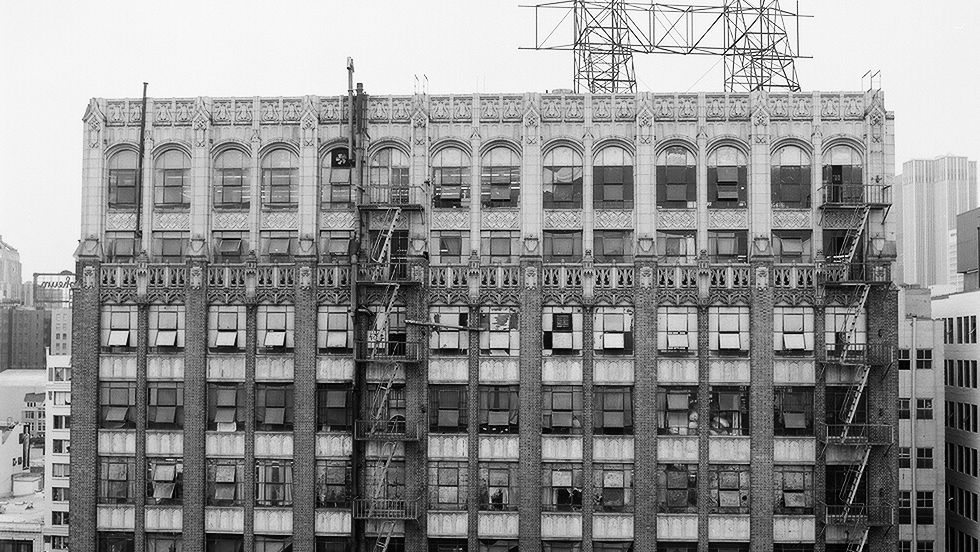
Located at 217 East 8th Street, this late Gothic Revival structure, known as the Garment Capitol Building, was built in 1926 by Jesse K. Lloyd and his longtime business partner, Florence C. Casler (1869-1954). Often listed as the gender-neutral “FC,” Casler was a pioneer in the field of women-run design, construction, and real estate ventures in early 20th century Los Angeles.
In 1912, she headed for Los Angeles, leaving Buffalo, New York, with nothing but her young daughters and an “abiding faith in the city’s future.” Florence began selling real estate, and in 1925, she was elected Director of the People’s Bank, making her the first female officer of a national bank in Los Angeles. She was also Vice President of the Pico Street Association.
By the time the Garment Capitol Building opened, Casler had already developed flats, bungalows, and specialized commercial buildings worth more than $74 million in today’s money. Lloyd & Casler also developed a 1927 Gothic Revival building, later known as the Renaissance Building, which today serves as the Downtown Women’s Center.
Once asked if she believed women could raise a family and have a successful career, Casler laughed, “I had to, so I never thought about it.”
|
|
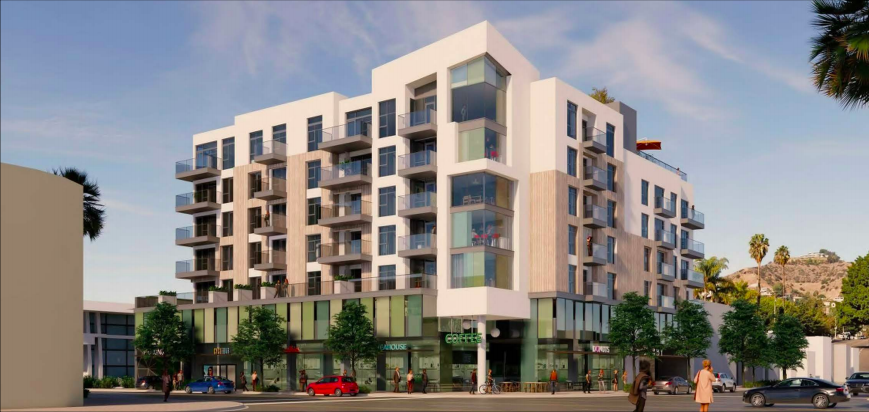
This month, the City Planning Commission approved a new seven-story, 62-unit project located at 7901 Sunset Boulevard, located in the Hollywood Community Plan Area. The mix of residential units will include 19 studio, 28 one-bedroom, and 15 two-bedroom units. Five units will be reserved for people with Extremely Low Income (less than $33,800, for a household of four). The project will also include 6,452 square feet of commercial tenant space.
Among other planning entitlements, the applicant requested to file under the Department’s Transit Oriented Communities (TOC) Incentive Program, which allowed the developer to receive certain development incentives in exchange for providing onsite affordable housing near public transit. Over the years, the TOC Incentive Program has helped produce deeper levels of affordability than any other planning entitlement, due to its base and bonus system and tiered benefit structure.
|
|
March City Planning
Commission Meetings
|
|
3/4, 3/11, 3/18, and 3/25 |
|
March Area Planning
Commission Meetings
|
|
Central: 3/9 and 3/23
South Los Angeles: 3/2 and 3/16
South Valley: 3/11 and 3/25
West: 3/3 and 3/17
East: 3/10 and 3/24
Harbor: 3/2 and 3/16
North Valley: 3/4 and 3/18
|
|
LOS ANGELES CITY PLANNING
@PLANNING4LA
|
|
Sign up to receive citywide planning updates by email
|
|
|
|
|
|
|