WEATHERING CHANGE:
Local Solutions for Strong Communities
2020-21 Webinar Series
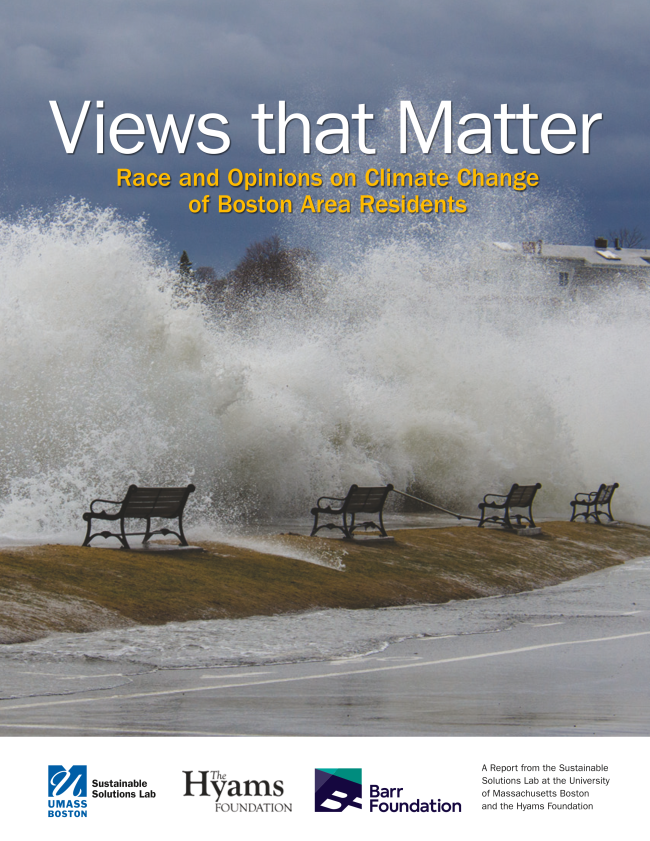
Views that Matter: Race and Opinions on Climate Change of Boston Area Residents

Thursday, January 21, 2021 - 12:00 - 1:15 PM ET
The webinar focuses on results from a first of its kind survey of 200 Boston area residents from each of these groups: Blacks, Latinos, Asian Americans, and whites.

Beyond the presentation and discussion of key findings, this webinar will encourage a broader consideration of challenges and opportunities in designing, funding, and administering studies aimed at elevating the voices of racial groups in climate related work.
Presenters
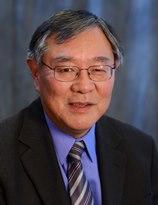
Paul Watanabe is Professor of Political Science and Director of the Institute for Asian American Studies at the University of Massachusetts Boston. His current research focuses on political behavior, race and ethnic studies, and public policy. He is the author of Ethnic Groups, Congress, and American Foreign Policy and principal author of A Dream Deferred: Changing Demographics, New Opportunities, and Challenges for Boston. Paul received his B.S. in Political Science from the University of Utah and Ph.D. in Political Science from Harvard University.
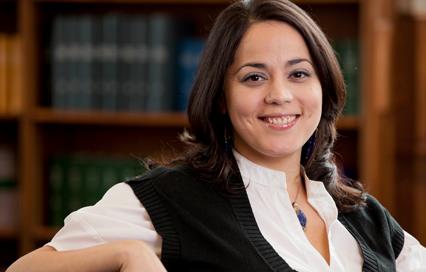
Dr. Lorena Estrada-Martínez’ research utilizes an ecological approach to understanding racial/ethnic disparities in behavioral and mental health outcomes. Most of her work has centered on how neighborhood- and family based dynamics during adolescence impact the short- and long-term risk for violent behaviors and depression among minority adolescents, with special emphasis on Latinx populations.
Want to learn more about how the intersections of social injustice and climate change can intensify the effect of climate impacts in communities that have been historically marginalized?
Register for our next 4-week online course:
Climate Justice and Equitable Adaptation

Jan 31-Feb 21, 2021
Registration Deadline: January 26, 2021
Instructor: Sarika Tandon

Climate change disproportionately affects communities of color and communities facing poverty. This module will focus on understanding how the intersections of social injustice and climate change can intensify the effect of climate impacts in communities that have been historically marginalized. This course will train current and future resilience professionals to work in a more inclusive manner with diverse constituencies and to advocate for and implement strategies that yield more equitable outcomes.

Participants will have the opportunity to learn about equitable adaptation strategies and tools, as well as on-the ground case studies from a community-based perspective. Participants will learn process oriented methods and outcome oriented strategies for integrating equity considerations into climate resilience initiatives in various settings, as well as developing interpersonal and leadership skills that will allow them to effectively support equitable outcomes in their work.

Please help us share this information with all who may be interested by forwarding this email to your networks.