VOLUME XVIII ISSUE NO.10 | OCTOBER 2026 | | |
Body-mind training, with or without drugs, helps us accept the body as it is while changing the habits that get in the way of healthy aging.
It brings together a conceptual understanding of how the body and mind influence one another with experiential practices that use guided imagery, bodywork, breathwork, and mindfulness.
These practices help us recognize and manage stress, become more aware of our physical and emotional states, and make healthier choices. They can also help us meet the inevitable changes of aging with greater acceptance and less resistance. And, combined with movement, they help us stay stronger and more flexible, able to move with grace and balance.
Mindful Awareness
Body-mind work cultivates mindful awareness, which supports the habits that build strength: exercise, eating, sleep, and noticing what you actually do versus what you intend.
Complements, Not Rivals
Drugs and practice can be complements, not rivals. Drugs influence our physiology. Body-mind training influences both our physiology and how we relate to it, to our habits, and to the experience of aging itself.
Drugs do chemically some of what practice does through awareness and physical exercise. They can help to overcome deeply ingrained habits by making the effort easier to bear.
But there is a price to pay.
The body-mind practices you learn must be applied and sustained to realize the benefits. To do that requires intentional effort and the courage to face the obstacles that get in the way of breaking old habits and building a new way of relating to your body and aging.
Living Fully as We Age
If you want to enjoy the time you have, as much as you can, drop the habits that get in the way and cultivate new ones that better support your wellness.
And perhaps that is the point. Whether or not we can slow the aging process, we can learn to live more fully and comfortably as we age.
Breath, Body, and Mind
For tools and techniques you can use to stay as healthy, strong, and flexible as possible as you age read Breath, Body and Mind: The Peaceful Warrior’s Guide to Mindful Health, Resilience, and Optimal Performance (https://www.amazon.com/dp/098996132X).
| | | Performance and Open-minded Mindfulness | |
Open-minded: questioning everything, accepting diversity and uncertainty.
Mindful: consciously aware; concentrated.
Foundation for blending process, project, engagement and knowledge management into a cohesive approach to optimize performance.
| | | |
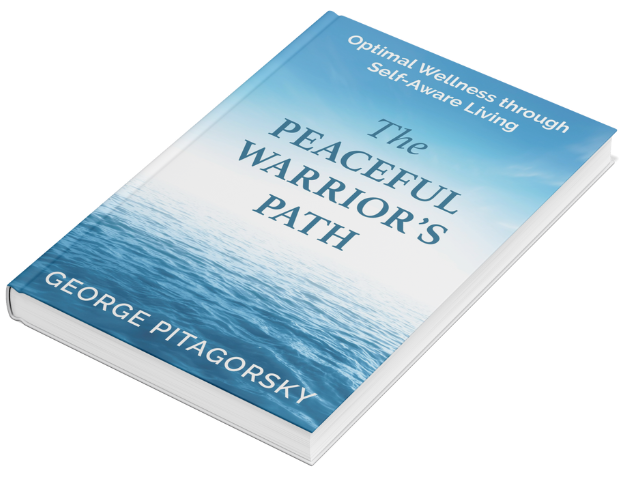
The Peaceful Warriors Path: Optimal Wellness through Self-Aware Living
Overcome stress. Perform at your best. Live in optimal wellness.
The Peaceful Warrior's Path is a practical guide for people of all ages, regardless of physical condition. It provides concepts, tools, techniques, and exercises that you can use every day, no matter where you are or what you are doing, to promote a sense of ease rather than angst. It is a motivational program for living resiliently, ready for anything, with health, happiness, and success, passionately involved and at peace with things as they are-and doing it ethically with kindness and compassion.
When it comes to becoming happier and more effective, what matters is your intention, how open-minded you are, and your willingness to work on yourself to change your mind and open your heart. With the right mindset, intention, and effort you might just experience enlightenment.
The Peaceful Warrior's Path weaves together self-awareness, mindfulness, meditation, stress management, and relaxation techniques, and emotional, spiritual, and social intelligence to sustain optimal wellness and enhance performance in whatever you do.
The Peaceful Warrior’s Path: Optimal Wellness through Self-Aware Living
| | |
How to be Happy Even When You Are Sad, Mad or Scared:
How to be happy...How to be Happy Even When You Are Sad, Mad or Scared is available on Amazon.com. It is a book for children of all ages (including those in adult bodies). Buy it for the children in your life so they can be better able to “feel and deal” - feel and accept their emotions and deal with them in a way that avoids being driven by them. You can order the book at
https://www.amazon.com/How-Happy-Even-When-Scared/dp/1072233363
| | |
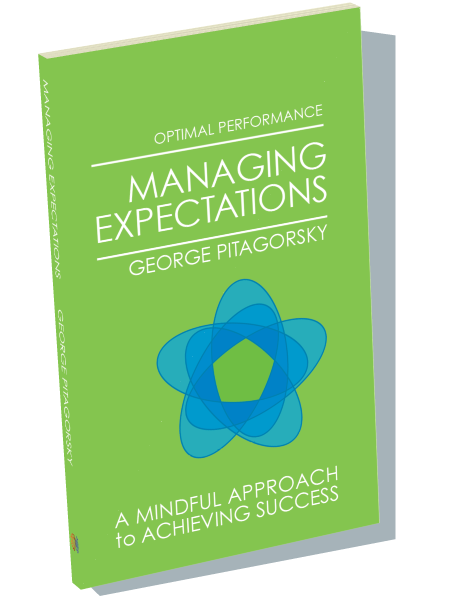
Managing Expectations: A Mindful Approach to Achieving Success
By George Pitagorsky
Success is measured in how well and how regularly you meet expectations. But what exactly \are expectations, and how do you effectively manage them when multiple priorities and personalities are involaved?
Using the case study of a Project Manager coordinating an organizational transition, this Managing Expectations book explores how to apply a mindful, compassionate, and practical approach to satisfying expectations in any situation.
George Pitagorsky describes how to make sure expectations are rational, mutually understood, and accepted by all those with a stake in the project. This process relies on blending a crisp analytical approach with the interpersonal skills needed to negotiate win-win understandings of what is supposed to be delivered, by when, for how much, by who, and under what conditions.
Read More
| | |
Managing Conflict in Projects
By George Pitagorsky
Managing Conflict in Projects: Applying Mindfulness and Analysis for Optimal Results by George Pitagorsky charts a course for identifying and dealing with conflict in a project context.
Pitagorsky states up front that conflict management is not a cookbook solution to disagreement-a set of prescribed actions to be applied in all situations. His overall approach seeks to balance two aspects of conflict management: analysis based on a codified process and people-centered behavioral skills.
The book differentiates conflict resolution and conflict management. Management goes beyond resolution to include relationship building that may serve to avoid conflict or facilitate resolution if it occurs.
Read More
| | |
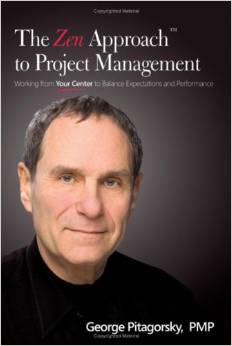
The Zen Approach to Project Management
By George Pitagorsky
Projects are often more complex and stressful than they need to be. Far too many of them fail to meet expectations. There are far too many conflicts. There are too few moments of joy and too much anxiety. But there is hope. It is possible to remove the unnecessary stress and complexity. This book is about how to do just that. It links the essential principles and techniques of managing projects to a "wisdom" approach for working with complex, people-based activities.
Read More
| | | | |