News and information to help journalists serve the public and stay safe.
|
|
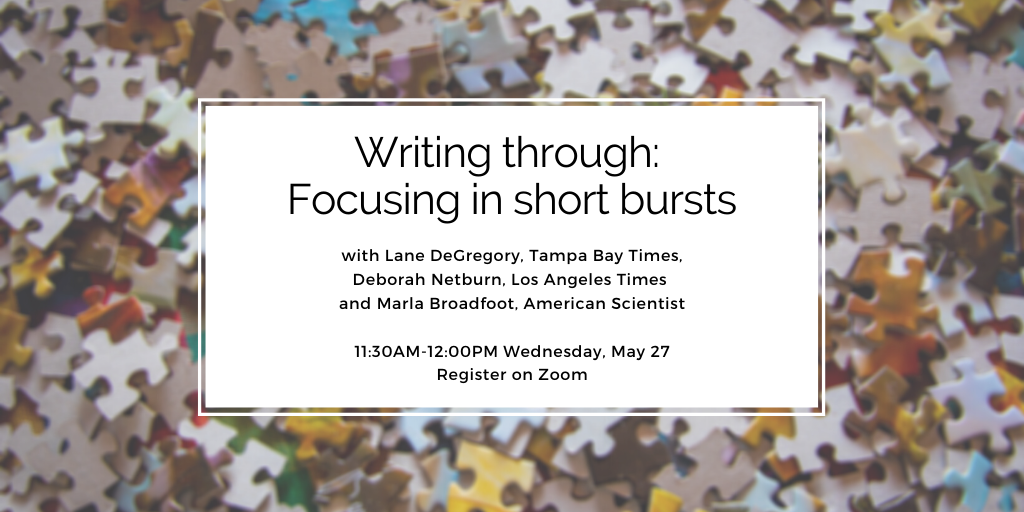
Many writers find themselves on deadline with limited time, space and attention during this unprecedented crisis. The National Press Club Journalism Institute and the
National Association of Science Writers
are partnering for a program that will offer tips for creating a writer-friendly physical space, finding your focus, and developing new tools to write in short bursts.
|
|
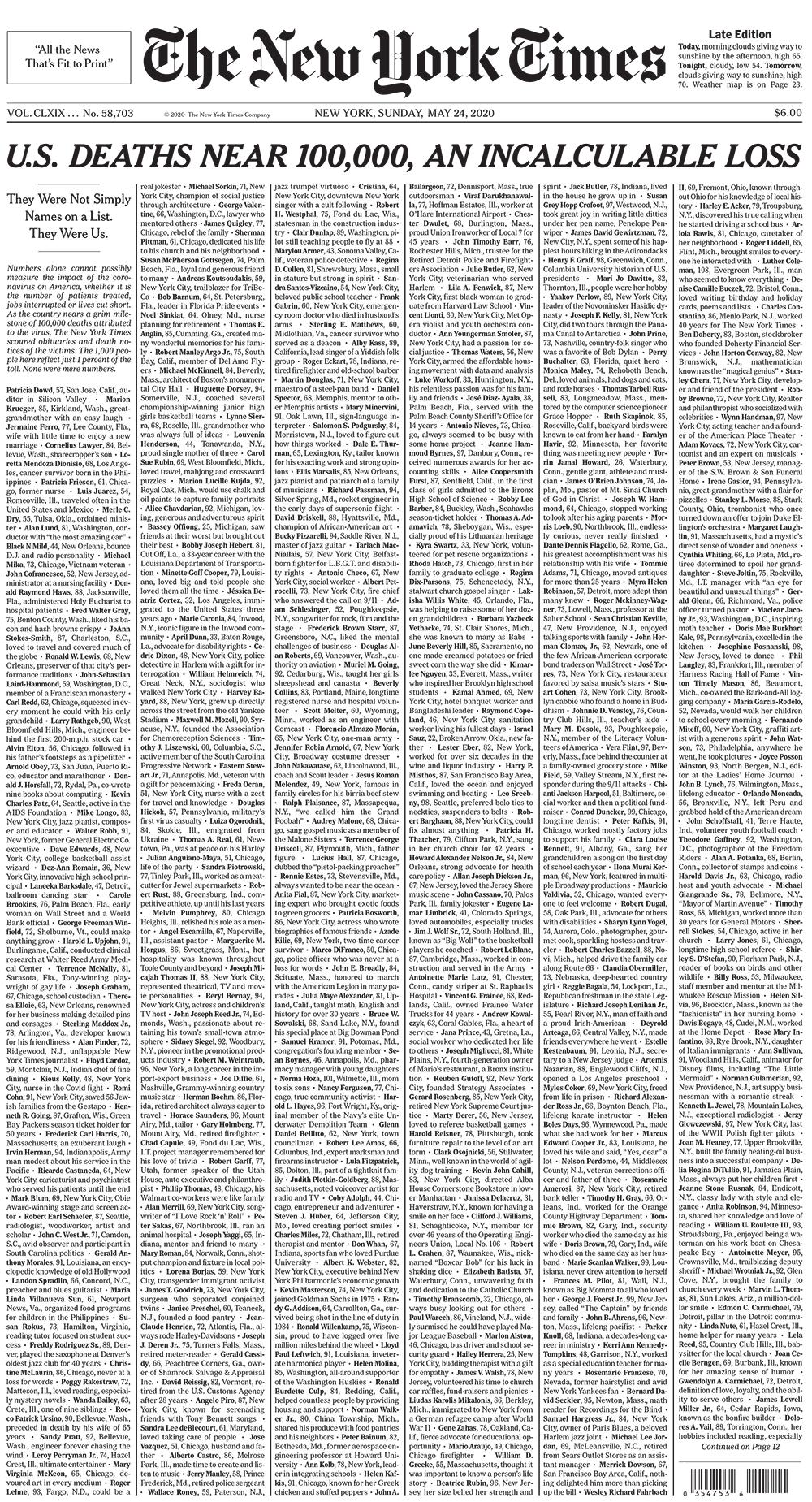
We reached out to assistant editor of the Graphics desk
Simone Landon
to get the story behind the project — a major collaboration among the
Graphics, National and Design desks.
“Once we seized on the concept, we just went with it,” she said. “It was emotionally taxing work at times, but I think we all felt grateful to ‘meet’ so many people from all walks of life.”
What was your process for collecting the names? What factors did you consider for those individuals and newspapers to feature? How many did you collect total and how did you narrow the selection down?
Landon
:
We started by trying to gather as many obituaries and paid death notices as we could in the time we had. We searched news reference sites like Factiva and Nexis and the obituary site Legacy.com for mentions of deaths related to coronavirus and did some more targeted searching on the sites of certain news outlets. Some of the names came from another project in the Times,
Those We've Lost
, and from paid death notices that appeared in the Times. A huge amount of the research credit belongs to
Alain Delaquérière
, a veteran in the Times research department. We also searched in Spanish-language and Chinese-language media for obituaries or articles about those who died.
We probably collected about 1,500 obituaries in the end, but some were duplicates (usually more prominent people who were covered in multiple outlets) or the details were difficult to confirm. We wanted to use as many as we could, even when there wasn't a lot of information about the person to go on. We did try for some geographic diversity, though we also kept in mind where the outbreaks were worst, so many people were from the New York area, Chicago and Washington state.
It's a rare moment for the NYT to publish a front page without an image. Can you describe how you decided to go with the list of names rather than a grid of images?
Landon
:
Images can be hugely powerful, of course, but at this scale we wouldn't have had much room for each face, and we thought it might be challenging to relate to a wall of unfamiliar faces.
Tom Bodkin
, the Times creative director, got behind the project early on and pushed for the full frontpage treatment. Once we seized on the concept, we just went with it, but in retrospect I'd say we were also faithful to the source material. There's a reason obituaries are written in words (though they often include photos). It's not about what the people looked like, but about how we remember them — their careers, their triumphs, their relationships, their hobbies, how much we loved them. That's all best expressed in language.
|
|
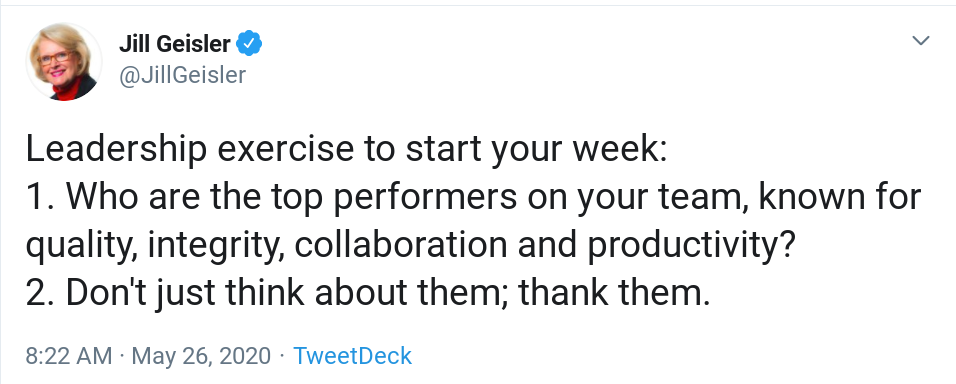
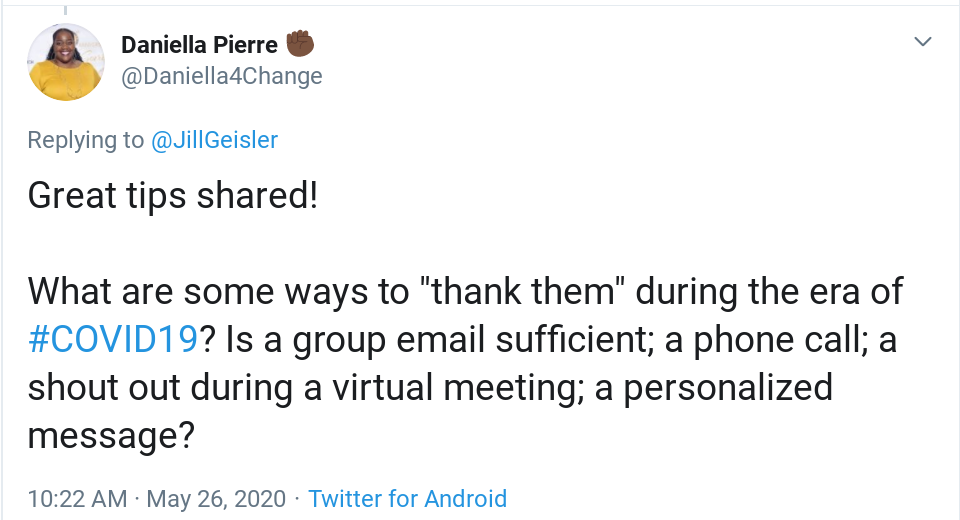
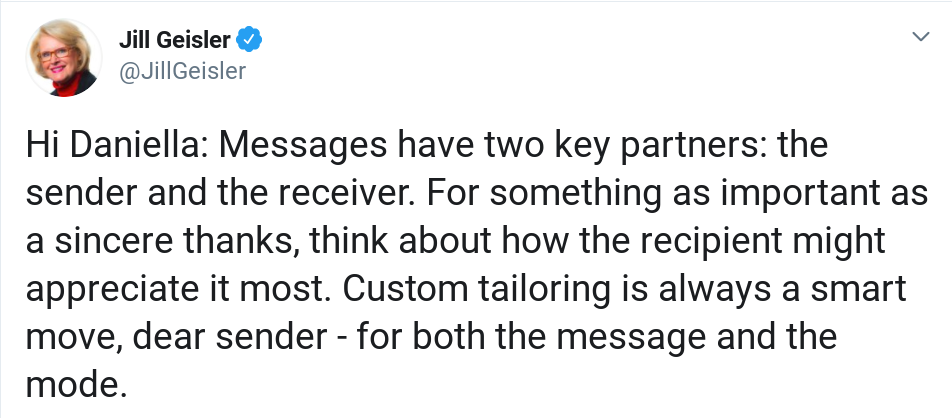
Advice from
Jill Geisler
, Bill Plante Chair in Leadership & Media Integrity, Loyola University Chicago, Freedom Forum Fellow in Women’s Leadership
|
|
|
Invest your time in something that can pay off: financial literacy.
If you find yourself less than confident in your budgeting, investing or other complicated financial skills, consider the array of free courses on the subject that can help you navigate tricky topics.
- EdX.org: This collection of university-backed courses includes making smart financial decisions, how to save money and investing basics.
- Alison.com: Finances and banking courses cover managing debt and understanding mortgages and home equity, among other topics.
- Udemy.com: Short courses range from personal finance problem-solving exercises to tools for small business owners.
- Skillshare.com: Video programs range from financial literacy to investing to starting a business.
|
|
This newsletter is written & edited by the National Press Club Journalism Institute staff: Beth Francesco, Holly Butcher Grant, Jim Kuhnhenn, and Julie Moos.
Send us your questions and suggestions
for topics to cover.
|
|
|
|
|
|
|