December 10, 2020
Top stories
As we approach 2021, we’re asking journalists to share what they learned this year and what they hope to learn in the year to come. 

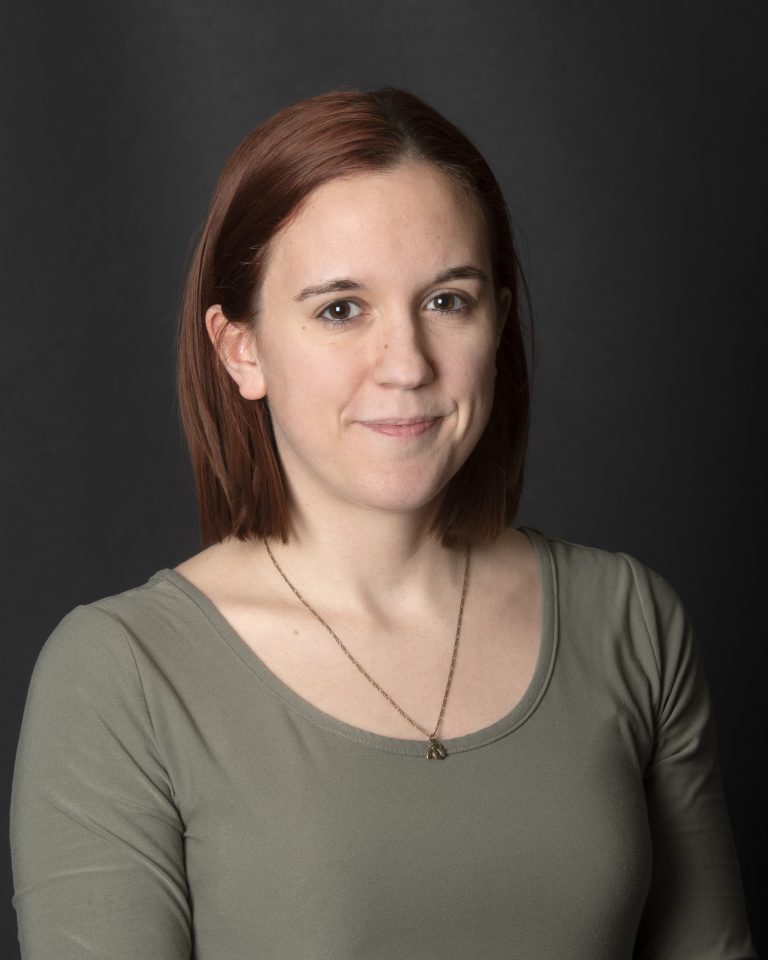
Current job: Executive editor, Centre Daily Times 

What are the main lessons you learned this year from your reporting that you’ll use next year?

McAllister: As a newsroom we learned that we can adapt to the most difficult of situations. Zoom interviews, getting creative with visuals — despite the many challenges, the focus is still on delivering essential news and telling good stories.

We also learned to power through fatigue — our own fatigue with a never-ending story and even fatigue from our audience. We learned to approach health stories in new ways, with utility and explainer stories to help our readers stay safe.

How did your work change during the pandemic?

McAllister: At the start of the pandemic, we were laser focused on delivering the latest updates in a constantly changing environment. Everyone was working on breaking news stories, and then updating those stories once they inevitably changed. We had a responsibility to explain fully to our readers what COVID-19 was and what was happening in our community. 

By summer, everyone knew what it was and what had happened with schools, events and testing. We were able to dig in and write about impact. It was breaking news when the county fair was canceled, but what did it mean for the kids who work hard every year to show and sell their animals? We gave readers a comprehensive look at Penn State’s reopening plans, but how did those plans compare with other universities and how did its shortcomings affect the community? The investigative work continued into the fall as cases surged.

What do you hope to learn or cover in the coming year?

McAllister: In 2021, I hope to cover all aspects of recovery in our community, documenting the ways businesses, nonprofits and community members rebuild. I also hope to be able to sustain the audience that came to us this year for COVID coverage and be their source for essential news and information even when there is not a pandemic.

How are you taking care of yourself now that you weren’t at the beginning of the pandemic?

McAllister: It took bringing home the office chair and rescuing newsroom plants for the work from home setup to begin to feel normalized, but once I set up a desk it helped to establish a clearer boundary between “work” and “home.” I also eat less stress candy than I did in the beginning, and make more time for exercise.
As president-elect Joe Biden prepares to lead a deeply divided country, what’s next for White House coverage? What can past coverage and recent experiences teach us about envisioning a better future for how journalists cover the president, and how Americans understand the United States?

Register now for this program, a partnership between the National Press Club Journalism Institute and the Markkula Center for Applied Ethics at Santa Clara University, which will address these topics.

Date: Friday, December 18, 2020
Time: 1 p.m. – 2 p.m. EST / 1 a.m. – 11 a.m. PST

Joining us with lessons from their firsthand experiences with the White House press corps are current Politico White House Correspondent Anita Kumar, former White House Press Secretary Dee Dee Myers, and longtime CBS White House Correspondent Bill Plante. The program will be moderated by Subbu Vincent, director of Journalism and Media Ethics at the Markkula Center for Applied Ethics.
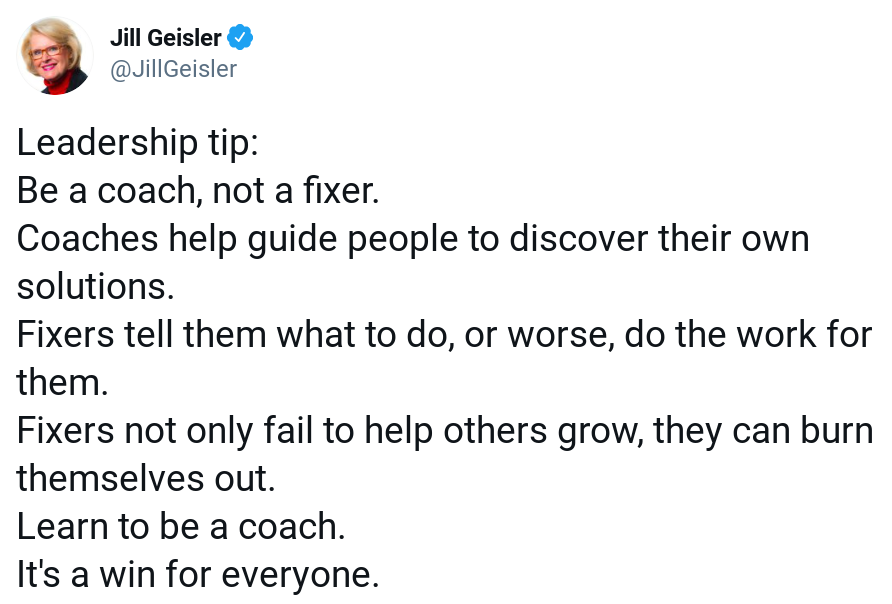
Coaching is built on questions, but they have to be good ones. The most powerful coaching questions are:

  • Clear and direct. They’re designed to clarify a situation and lead people to a solution.
  • Open-ended. They can’t be answered with just a yes or no. They require the person to think and add more information.
  • Nonjudgmental. They’re not loaded with criticism. 

Good questions lead to guided discovery.

Advice from Jill Geisler, Bill Plante Chair in Leadership & Media Integrity, Loyola University Chicago, Freedom Forum Fellow in Women’s Leadership

Click here to read Jill’s previous posts.
The next generation of journalists graduated in 2020 into a challenging job market unlike any other. We spotlighted them this summer, shared advice from their role models, and are checking in with them this month to see where they are now and what they’re learning about journalism. 

School: Arizona State University – Walter Cronkite School of Journalism and Mass Communication 
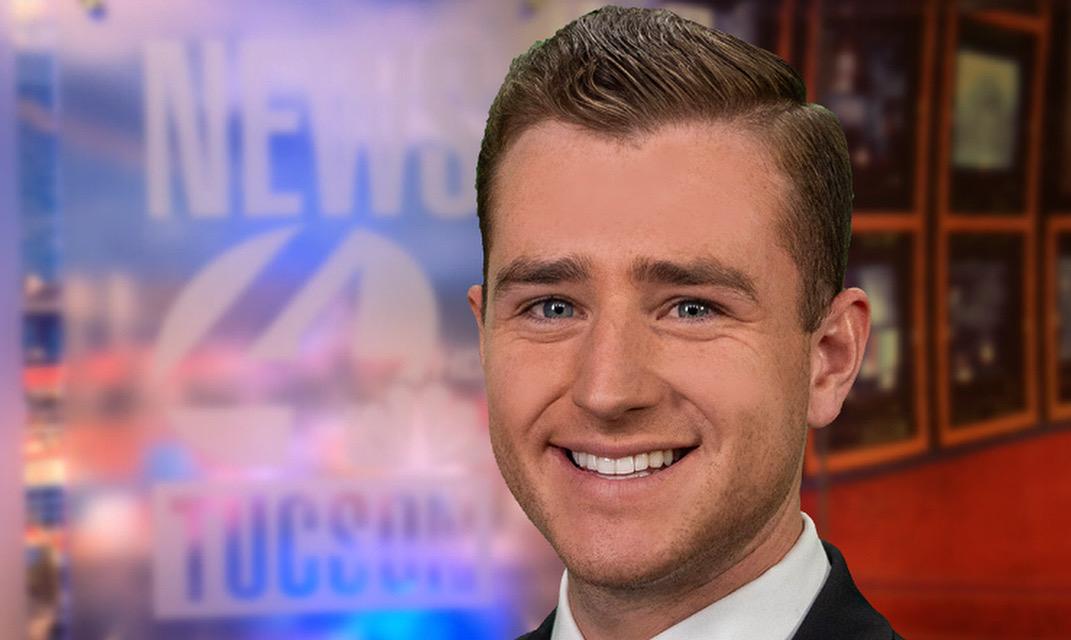
Current job: Morning reporter, News 4 Tucson
New wackiest story: Bighorn Fire

What’s been your best moment in journalism since graduation?

McLister: This is a tough one… It's been a whirlwind since graduation. From covering a massive wildfire, having a bobcat come into my live shot, and also visiting a chile pepper farm to learn about their harvest. 

If I have to decide, my best moment in journalism since graduation probably would be when it snowed here in southern Arizona. I told the newsroom that I was going to prepare to cover this. So, I drove up to the mountains with my photographer at 4 a.m. and covered the snow for our morning show. This might not be a big deal in other places, but for southern Arizonans, they went crazy. My videos went viral. We were the only station to physically make it up to the snow and at the end of the day, I felt the feeling of my hard work + determination paying off.

What do you wish you had learned as a student that you’re learning on the job?

McLister: I wish that I had learned how important confidence is in this career. You have to know it, own it, and know that you can own it. You're in the position for the reason that you can do it. With social media and viewer comments, it's important to keep your head up and know that you can do this. I believe it all comes down to confidence, and that is something I was never told is so important in this industry.

Have your journalism goals changed since graduation, and if so how?

McLister: My goals have not changed. But, I will say that I have realized what I really want in life and, what truly is most important to me: Kindness, hard work, friends, family, a good work/life balance, a stable market that I can work my way up in and raise a family in, etc. 

Now that I'm out of school, it's crazy to be now thinking about what the next step is. I always say that my favorite quote is "Work Hard and Be Nice to People." Since graduation, I have learned to live by this as much as I possibly can.

What’s the NEW wackiest story you’ve ever worked on?

McLister: I'd say that wackiest story that I've worked on was the moment I got to KVOA; The Bighorn Fire. It was a wildfire that lasted nearly a month and the day we started covering it was my first day on the job. Homes were getting evacuated daily, there were 1,100+ fire crew members working to put out the fire in the Arizona heat, it was a fiasco. My very first month, I had nearly 14 live shots every single morning/afternoon. I keep saying I was "literally thrown into the fire." That was WACKY and something I will truly never forget.

How are you taking care of yourself and staying motivated right now?

McLister: I take care of myself and stay motivated by staying strict to my sleep schedule, taking naps (as an AM newser this is all crucial) but additionally, I make time for my friends every single weekend and go to the gym/go on hikes during the week. Once I'm off work, my work phone stays in my bedroom and I try not to look at it. It's a balance that has worked great for me.

This newsletter is written & edited by the National Press Club Journalism Institute staff: Beth Francesco, Holly Butcher Grant, and Julie Moos. Send us your questions and suggestions for topics to cover.

Get this from a friend? Subscribe, and view the archives.