Dear Colleagues,
We hope you're doing well, and are finding time to enjoy all the fun and what's left of the foliage our region has to offer this time of year! This edition of Northeast Connections aims to help you digest the multitudes of things happening across the telehealth landscape, including multiple new CCHP Resources, Upcoming Webinars & Events, Open Telehealth Funding Opportunities, and so much more.
Before we dive in, we recognize that the continued spread of the COVID-19 Delta Variant, and the COVID-19 Vaccination Efforts have both caused us all to continue considering our workflows and operational efforts, we want you to know that the NETRC team is here to help however we can as while you continue to deliver care to your patients and communities.
As always, please don't hesitate to reach out with your telehealth questions, success stories, or just to say hello!
On behalf of the entire NETRC Team – Be well,
Reid Plimpton, MPH - Project Manager
|
|
Open Funding Opportunities |
|
|
|
Federal and State Policy Updates, & NEW CCHP Resources |
|
|
|
Federal Policy and Reimbursement updates
The Centers for Medicare and Medicaid Services (CMS) released its final CY 2022 Physician Fee Schedule (PFS) policies for Medicare last week. Unless otherwise noted, the policies will take effect on January 1, 2022. Much of the proposals published in July 2021 for public commentary remain intact, but CMS did make several modifications and clarifications. Click here for CCHP's New Fact Sheet and here for their most recent newsletter to read more about the changes finalized in the CY 2022 PFS.
Additionally, you can click here, here, here, or here for a variety recent news articles and legal blogs on the CY2022 PFS Release.
Policy Adjacent Updates
The Department of Health and Human Services Office of the Inspector General (HHS-OIG) released a telehealth report on October 18th that looked at the relationship between providers and Medicare patients utilizing telehealth between March and December 2020. Specifically, HHS-OIG examined encounter claims data to determine the presence of pre-existing relationships, dates of any prior visits, and the types of services provided. Notably, it was found that though pre-pandemic requirements limiting telehealth visits to established patients were waived, 84% of visits still occurred within those parameters.
You can read more about this report by clicking the links above, or by reading CCHP's deep dive into the report, here.
Recent State Policy Updates
We have reached the point in the calendar year where the NETRC Region's state legislative schedules are in various different stages, including multiple states who are still in the finalization stages of which bills will be heard/carried through to the floor for legislative discussion. Therefore for this month's edition of Northeast Connections, the NETRC team has only provided state level updates that have an immediate impact or timeline. However, for those interested in a deeper dive into the active discussions, CCHP maintains Policy Trackers for each TRC Region. You can find the Northeast Reporting Tool here.
Maine: On June 21, 2021, Public Law Chapter 291 “An Act Regarding Telehealth Regulations” became law following emergency enactment. The new law included definitions for telehealth and expanded them to include “interactive audio or video connection” between a patient and health care provider. In addition, it required licensing boards, including the Board of Licensure in Medicine (BOLIM), Board of Osteopathic Licensure (BOL), and State Board of Nursing (BON) to adopt rules governing telehealth services by their licensees, to include “standards of practice and appropriate restrictions.” At the time of the enactment of P.L. Chapter 291, the BOLIM and BOL had an existing joint “telemedicine” rule (effective December 10, 2016) that established “definitions” and “practice guidelines” including but not limited to licensure requirements, standards of care and professional ethics, scope of practice, identification requirements, the physician-patient relationship, practice standards, informed consent, record keeping, privacy and security requirements, and prescribing practices. The BOLIM and BOL proposed amendments to the existing joint rule, which will also be adopted by the BON upon approval.
The proposed amendment was released on 11/10/2021 for public comment through 12/10/2021, click here to read the full proposal.
New York: On October 27th, Governor Hochul extended Executive Order 4 (now E.O. 4.1) through November 26th, with expectations of revisiting the need before 11/26. The "Declaration of a statewide disaster emergency due to healthcare staffing shortages in the State of New York" was originally signed on September 27th, and allowed for multiple provider types to provide care to patients across state lines without following the standard NYS licensing processes. To read the complete bill, click here.
|
|
|
|
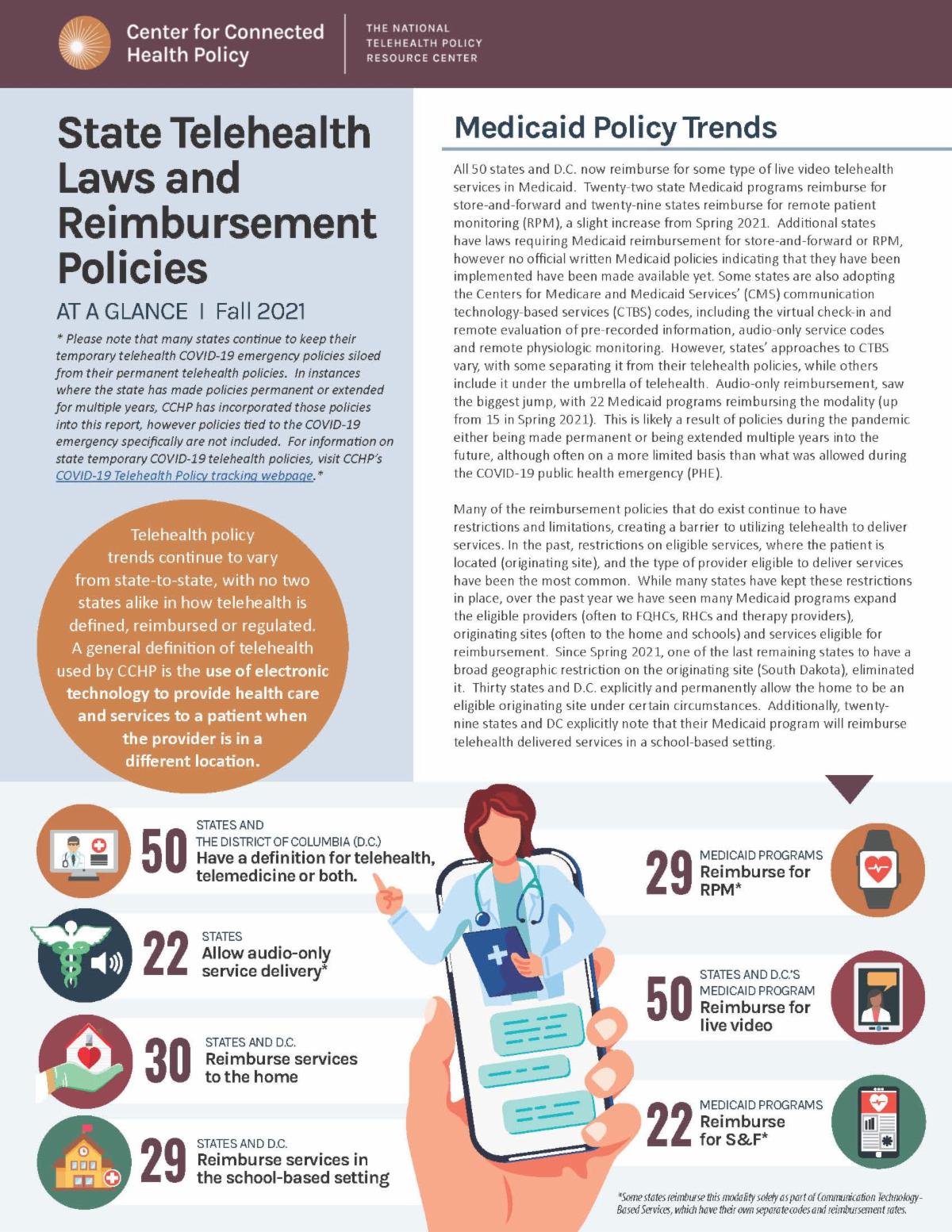
NEW CCHP's 50 State Report- Fall 2022 Edition
The 2021 Edition comes in multiple formats, including a NEW web-based format (link above), a summary infographic (click the image to the right), and an executive summary write-up (click here). Additionally, all of this information has been updated in CCHP's online Policy Finder Tool.
Please note that many states continue to keep their temporary telehealth COVID-19 emergency policies siloed from their permanent telehealth policies, while others have made permanent changes and updates; CCHP has clearly explained which documents include both of these scenarios, and which focus on permanent changes.
|
|
|
|
Open Funding Opportunities & Updates |
|
|
|
Rural Health Network Development Planning Program
FOA Number: HRSA-22-059
Applications Due: Jan 28, 2022
Total Program Funding: $ 2,000,000
Expected Number of Awards: 20
Award Ceiling: $100,000
The purpose of the Network Planning Grant Program is to promote the development of integrated health care networks in order to:
- Achieve efficiencies;
- Expand access to, coordinate, and improve the quality of basic health care services and associated health outcomes; and
- Strengthen the rural health care system as a whole.
This program supports one year of planning and brings together key parts of a rural health care delivery system, particularly those entities that may not have collaborated in the past, to establish and/or improve local capacity in order to strengthen rural community health interventions, and enhance care coordination.For the purposes of this program, an integrated health care network is defined as an organizational arrangement among at least three (3) regional or local health care organizations that come together to develop strategies for improving health services in a community.
Click here to learn more & apply! |
|
|
|
Rural Veterans Health Access Program
FOA Number: HRSA-22-058
Applications Due: December 10, 2021
Total Program Funding: $ 900,000
Expected Number of Awards: 3
Award Ceiling: $300,000
he purpose of this program is to provide funding to states to work with providers and other partners to improve access to needed health care services and to improve the coordination of care for veterans living in rural areas. Award recipients can implement a variety of strategies to improve the capacity of critical access hospitals (CAHs) and other rural health care organizations to provide services that meet the needs of veterans living in rural areas. Award recipients can also assist providers in making connections to the Department of Veterans Affairs (VA) system to coordinate care for rural veterans using community health care providers as well as the VA system.
Click here to learn more and apply! |
|
|
|
FCC/ USAC Emergency Broadband Benefit Program- Program Updates
Congress recently created the Affordable Connectivity Program, a new long-term, $14 billion program, which will replace the Emergency Broadband Benefit Program. This investment in broadband affordability will help ensure we can afford the connections we need for work, school, health care and more for a long time.
However, The Emergency Broadband Benefit is still available to eligible households. Households enrolled in the Emergency Broadband Benefit Program as of 12/31/21 will continue to receive their current monthly benefit during a 60-day transition period.
program. The benefit is available to eligible new, prior, and existing customers of participating
providers. Customers can sign up by contacting a participating provider, enroll online at
https://www.getemergencybroadband.org, or sign up via mail. To learn more or learn where to
access a mail-in application, call (833) 511-0311.
We invite you to continue working with us to spread the word about this timely program. As a reminder, the FCC’s Emergency Broadband Benefit outreach toolkit is a free, accessible, and effective way to add accurate information and graphics to your outreach campaigns.
Starting in 2022:
- The maximum monthly benefit will change from $50 per month to $30 per month for households not located on qualifying Tribal lands. The monthly benefit will remain at $75 per month for households on qualifying Tribal lands.
- Households have new ways to qualify for the Affordable Connectivity Program such as: receiving WIC benefits or having an income at or below 200% of the Federal Poverty Guidelines.
- Households that qualified for the Emergency Broadband Benefit due to a substantial loss of income due to job loss or furlough since February 29, 2020 or by meeting the eligibility criteria for a participating provider's COVID-19 program will need to re-qualify for the Affordable Connectivity Program.
|
|
|
|
USDA Rural Utilities Services (RUS) Rural eConnectivity Program
The ReConnect Program offers loans, grants, and loan-grant combinations to facilitate broadband deployment in areas of rural America that currently do not have sufficient access to broadband. In facilitating the expansion of broadband services and infrastructure, the program will fuel long-term rural economic development and opportunities in rural America. Beginning on November 24, 2021, applications can be submitted through the RUS on-line application portal until 11:59 a.m. Eastern on February 22, 2022.
For FY 22, loans, grants, and loan/grant combinations will be made for the costs of construction, improvement, or acquisition of facilities and equipment needed to facilitate broadband deployment in rural areas.
Click here to learn more and here apply ( Application portal opens on 11/24/21)! |
|
|
|
Open Telehealth Job Opportunities |
|
|
|
The University of New Hampshire is hiring for a Director of Interprofessional Education and the Telehealth Practice Center!
This new position, reporting to the Dean of the College of Health and Human Services, will engage in the academic mission of the College to strengthen the IPE curriculum and the growth of Telehealth Practice Center. Responsibilities include the integration of telepractice and e-health modalities in undergraduate and graduate education, service, and research for the health and human services disciplines across UNH. Ideal candidates will hold an advanced degree in a related field, exhibit an understanding of best practices around IPE in health and human services curricula, demonstrate clinical knowledge and understanding of the implementation of digital health technologies into service delivery, and have experience in the area(s) of sustainability planning and grant development and management.
|
|
|
|
Upcoming Webinars and Events |
|
|
|
Virtual CME/CE Event for Clinicians Who Serve Rural & Underserved Areas
The 3rd Annual Rural Health Clinical Congress, a free virtual live CME/CE conference, is less than 2 days away! This unique educational event is designed specifically for clinicians serving patients in rural and underserved communities. It will be held on Saturday, November 20, 2021, in conjunction with NOSORH’s National Rural Health Day (11/18/21). Clinicians can earn up to 6.0 complimentary CME/CE/MOC credits by participating.
|
|
NERGG's 44th Annual Educational Conference 2021
12/2-12/3: Noon-5p (both days)
This 2 day virtual conference is supported and designed by the
New England Regional Genetics Network, and includes over 10 hours of regional success stories and genetic care specific conversations, along with opportunities to network with like-minded professionals across the New England Region
CEU's are available for this event! Click here to view the two day agenda, and click here to register!
|
|
|
|
SAVE THE DATE(S)!
2/2-2/3 2022
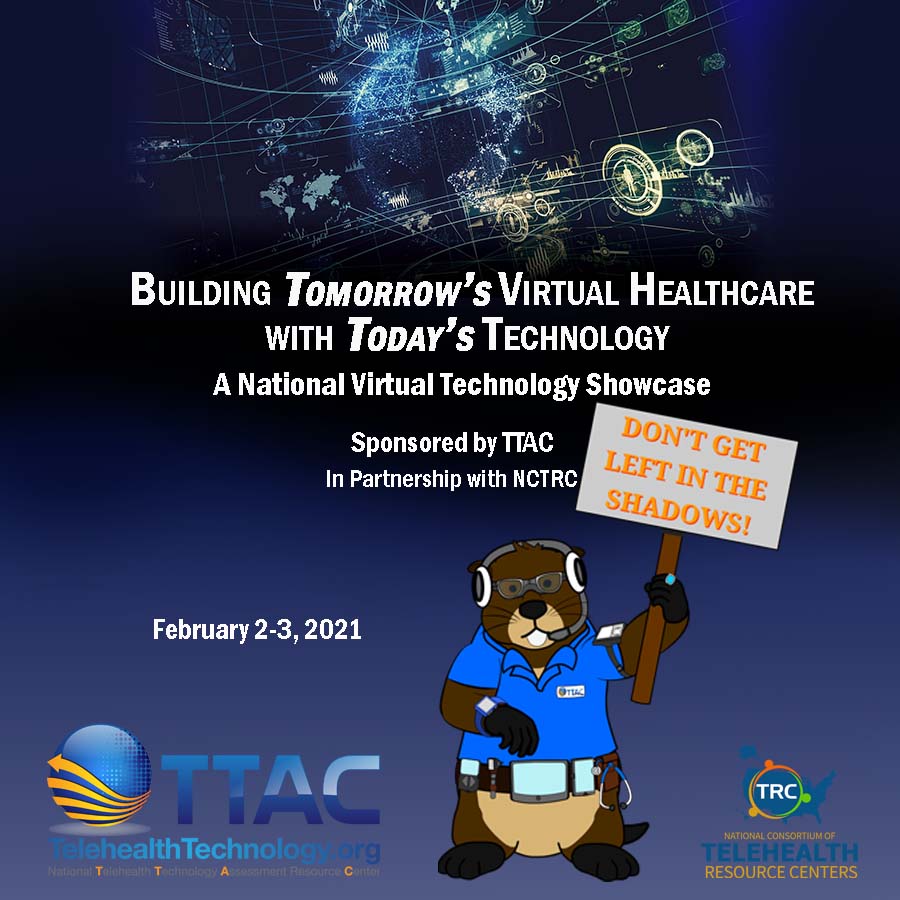
TTAC & NCTRC Virtual Technology Showcase
How are you celebrating Groundhog Day? Tune in to the National Virtual Technology Showcase February 2nd and 3rd to make sure you don’t get left in the shadows!
|
|
|
|
|
NETRC 2021 Annual Conference Highlights |
|
|
|
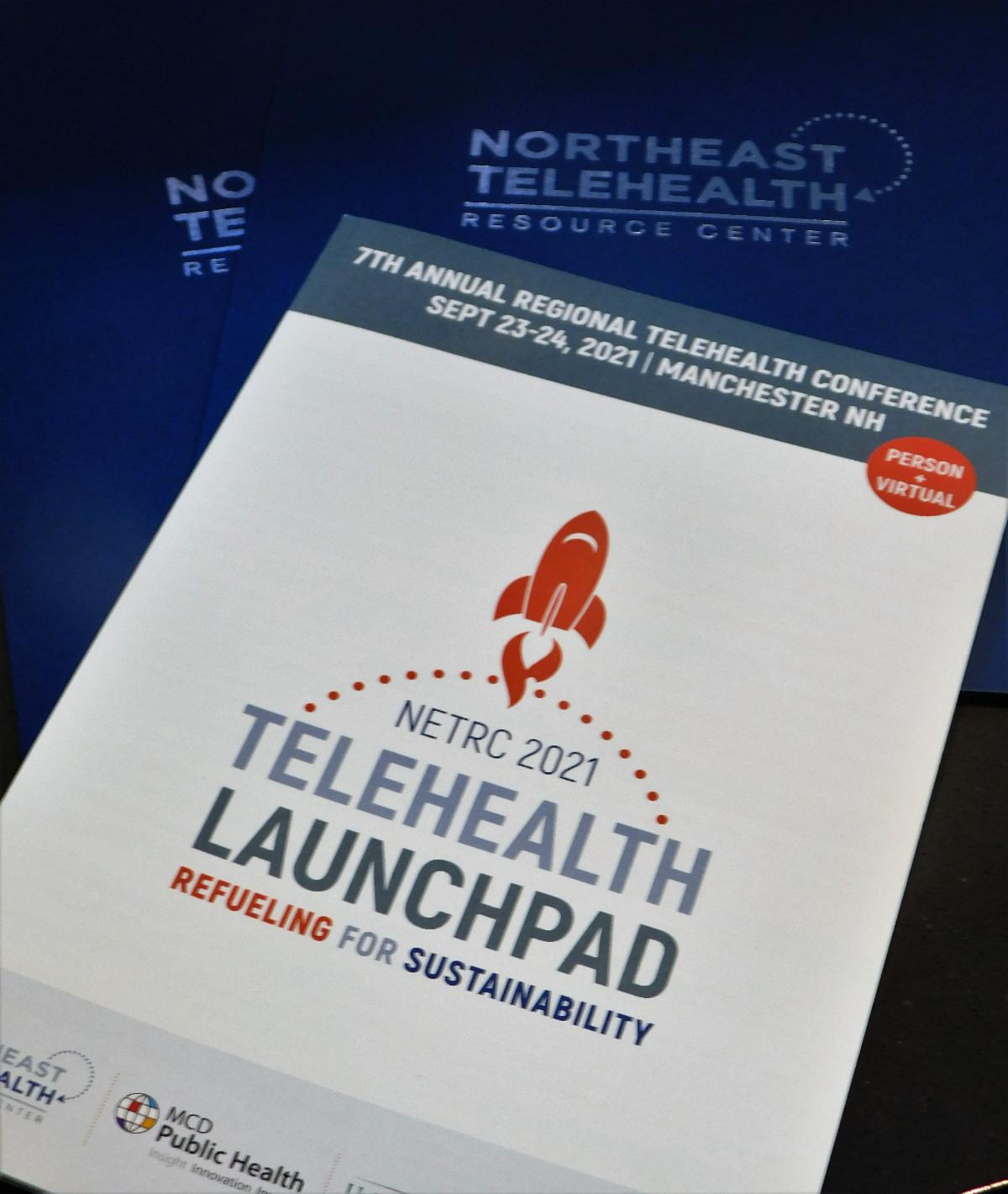
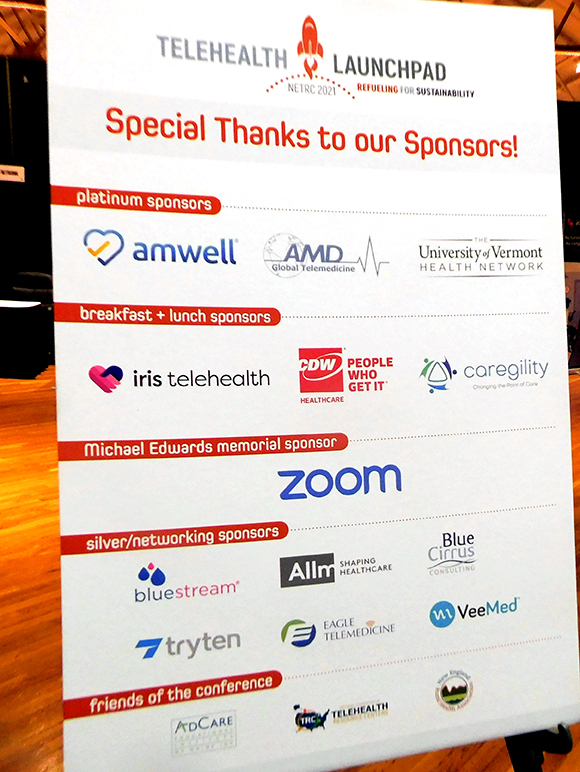
As mentioned in our previous newsletter, the NETRC2021 Telehealth Launchpad Conference was held just under 2 months ago, and the majority of the 25+ conference presentations & all of the presentation slides, along with additional resources from our event Industry Partners & Sponsors are now available on the EventMobi Conference Platform! See below for information on how to access said recordings and slides, and click here to read NETRC's summary write-up on the event.
For those who attended, Click here to access the platform. For those who were unable to attend the event but are interested in viewing the recorded sessions from NETRC’s conference, contact Phonse Allen-Laney at aralaney@mcdph.org or netrc@mcd.org to discuss access opportunities!
|
|
|
|
Featured Telehealth News
A larger news compilation can be found on the NETRC site here.
ATA to assess telemedicine's role in addressing U.S. healthcare disparities
HealthCareITNews October 27, 2021 Link
An advisory group convened by the organization released a framework of nine elements that can be used to work toward equity.
Lessons from the COVID-19 Pandemic: Planning for Disaster Preparedness and Emergency Management in Hospitals
JDSUPRA October 27, 2021 Link
Although the COVID-19 pandemic is still active worldwide, health care industry leaders and regulators have already begun to think about how to implement post-pandemic changes to health care delivery based on lessons learned during the global emergency of the past year and a half.
ATA to assess telemedicine's role in addressing U.S. healthcare disparities
HealthCareITNews October 27, 2021 Link
An advisory group convened by the organization released a framework of nine elements that can be used to work toward equity.
Using mHealth Wearables to Understand Diverse Populations
mhealthintelligence October 27, 2021 Link
Researchers are working collaboratively with Apple to gain data insights into diverse populations through wearable health devices.
The US Should Change Payment To Make Health Care More Equitable-
HealthAffairs Blog October 26, 2021 Link
This post is part of the Health Affairs Blog short series, “Value Assessment: Where Do We Go Post-COVID?” The series explores what we have learned about value assessment and related issues during the coronavirus pandemic, how we might think about value in health care going forward, and how these ideas might translate into policy.
RPM helps lower A1c below 9% for 84% of patients at Leon Medical Centers
HealthCareITNews October 26, 2021 Link
The remote patient monitoring program for high-risk diabetes patients has seen 28 blood-glucose readings per assigned device per month, indicating high levels of patient engagement.
Biden Administration Emphasizes Telehealth in its Infrastructure Strategy
mhealthintelligence October 25, 2021 Link
While Congress is whittling down the Biden Administration's massive Build Back Better plan, new announcements out of the USDA and FCC aim to support broadband expansion for telehealth - and to emphasize how important that is to the nation's infrastructure.
Debunking Common Remote Patient Monitoring Myths
mhealthintelligence October 25, 2021 Link
Providers interested in adopting remote patient monitoring face many prominent myths about the technology and its benefits.
ATA Asks the Biden Administration For Assurances on Telehealth Coverage
mhealthintelligence October 21, 2021 Link
The American Telemedicine Association has sent a letter to the Biden Administration asking that it provide assurances that emergency provisions to expand telehealth access and coverage remain in place at least through 2022.
FQHCs Find Audio-Only Telehealth Valuable During Pandemic, Study Finds
Healthcareinnovation October 20, 2021 Link
The Center for Connected Health Policy (CCHP) recently conducted a study examining the use of audio-only as a modality to provide services from Federally Qualified Health Centers (FQHCs) to Medicaid patients. CCHP offered several recommendations to policymakers regarding the use of audio-only by FQHCs to deliver services beyond the pandemic.
One RPM expert's take on why the tech is needed alongside telehealth
HealthCareITNews October 20, 2021 Link
The CEO of remote patient monitoring company Vivify Health talks how RPM, virtual care and analytics can improve outcomes and better move providers toward value-based care.
Telehealth Use Avoids Overutilization But Yields Health Disparities
PatientEngagement Hit October 20, 2021 Link
Although the influx of telehealth use didn’t result in healthcare overutilization, researchers still observed stark rural-urban health disparities.
Making the Post-Pandemic Telehealth Pivot
mhealthintelligence October 19, 2021 Link
The pandemic provided an impetus for a rapid shift to virtual care. Now healthcare organizations must find a long-term solution to balancing telehealth and in-person care.
A Focused Look At Audio-Only And FQHCs
CCHP October 19, 2021 Link
Telehealth has been key for primary care, but clinicians are still feeling hopeless
HealthCareITNews October 18, 2021 Link
Providers report burnout and compassion fatigue amidst the ongoing COVID-19 crisis, especially regarding conversations with vaccine-hesitant patients.
Bills to Avoid ‘Telehealth Cliff’ Delayed by Higher Priorities
Bloomburg Law October 15, 2021 Link
Lawmakers are struggling to push widely supported legislation that would end the “telehealth cliff” through a logjam created by their intense focus on President Joe Biden‘s more divisive priorities.
|
|
|
|
Recommended Telehealth Research/Resources
Check out the complete Telehealth Library Database on the NETRC site here.
Telephone vs. Video Visits During COVID-19: Safety-Net Provider Perspectives
,Ji Eun Chang, Zoe Lindenfeld, Stephanie L. Albert, Rachel Massar, Donna Shelley, Lorraine Kwok, Kayla Fennelly and Carolyn A. Berry 2021. JABFM Link
Changes in Virtual an In-Person Health Care Utilization in a Large Health System During the COVID-19 Pandemic
Telemedicine: Ensuring Safe, Equitable, Person-Centered Virtual Care- Institute for Healthcare Improvement (IHI), 2021 Link
NETRC Regional Telehealth Legislation and Regulation Tracker- Center for Connected Health Policy, 2021 Link
University of New Hampshire TelePractice Center (TPC) TelePractice Training Videos- UNH TPC 2021 Link
Changes in Short-term, Long-term, and Preventive Care Delivery in US Office-Based and Telemedicine Visits During the COVID-19 Pandemic Cortez C., Mansour, O., Qato, D.M., 2021 Link
GAO Reports on Telehealth COVID-19 Flexibilities Center for Connected Health Policy, 2021 Link
FQHC Telehealth Playbook- MA FQHC Telehealth Consortium; 2021 Link
Rapid Transition to Telehealth and the Digital Divide: Implications for Primary Care Access and Equity in a Post-COVID Era .Ji E. Chang PhD, MS, Alden Y. Lai, Avni Gupta, Ann Nguyen, Arolyn Berry, Donna Shelley 2021 Link
Addressing Inequities in Older Adults’ Health: A Role for Emerging Technologies
Alavi Z, Haque R, Felzer-Kim IT, et al. Community Ment. Health J. 57(1):57-63, 2021 Link
Anthony Jnr B. Inform. Health Soc. Care 46(1):68-83, 2021 Link
|
|
|
|
The Northeast Telehealth Resource Center has been made possible by grant numbers G22RH30352 and 1 U1UTH42523‐01‐00 from the Office for the Advancement of Telehealth: HRSA / DHHS. |
|
|
|
|
|