|
Helping Families Navigate the College Recruiting Process | | | |
Things Sure Are Getting Interesting at JB+C
I want to use my monthly column to share a few exciting updates. These developments are energizing for me personally, and I hope they give you a sense that our capabilities continue to expand well beyond what we’ve been known for over the past 20 years.
Last year, I experimented with something that I had been asked about many times before — supporting college student-athletes, in addition to the high school ones that have always been our focus.
| |
Generally, this means we schedule a quarterly check-in where we talk not only about how things are going athletically, but also academically, socially, and mentally—anything they want to discuss. For baseball players in particular, we also help with summer planning and, if necessary, finding their next home should they decide or need to transfer. If your student-athlete could use this kind of support, please let us know.
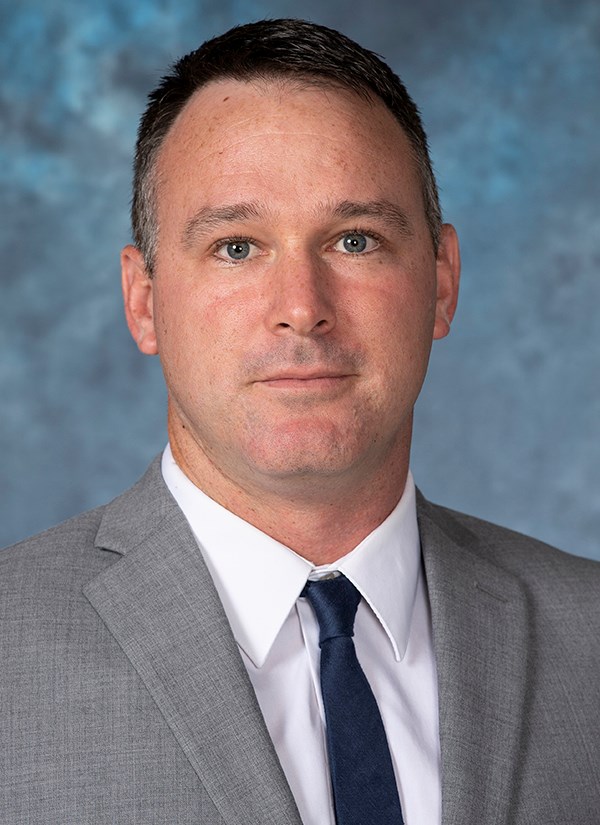
As we announced two months ago, Coach Adam Schlenoff joined our practice this summer—and he’s already making a huge impact. He’s brought in 23 new engagements, six of whom have already made verbal commitments, with several others nearing decisions soon.
Coach Kevin Sauer, the longtime Head Rowing Coach at the University of Virginia, has been part of our “All-Star” roster all year. Our first rowing client—a talented young woman from New York City—is likely to commit soon. Kevin’s leadership legacy and coaching tree stretch across the entire country.
In the last month, we’ve also added a name well known in the soccer community: Coach Mike Burke, who currently serves as the Richmond United ECNL Girls Director. Coach Burke and I have already started working with two new clients this week alone.
In football, Coach Seth Wilson is working on his first engagement with JB+C, and several more are already in the queue. Coach Wilson is a well-known name in Central Virginia football circles.
Finally, I’m in active discussions with potential partners in the tennis and basketball spaces as we continue to evaluate where JB+C can best serve those athlete communities. We’re also exploring opportunities to expand into other sports with the right people.
Beyond our consulting roster, there’s plenty happening behind the scenes as well. A new website is in development; we’re in conversations with a potential Chief Operating Officer; and I hope that by early 2026, we’ll add a Chief Administrative Officer to round out our leadership team.
With all this growth and change, I want to assure you that my hands are still on everything we do. Those who know me know that we will always operate with wisdom, passion, and transparency. Growth brings new challenges—but given the incredible team we’re building, I have every confidence that the level of service you’ve come to expect from JB+C will not waver.
Thank you for trusting us to walk alongside your most valuable “assets.” That faith means the world to me—and it never goes unnoticed.
-- Jeff Burton
| | | |
Baseball Recruiting Videos: What Coaches Want…
And What They Don’t.
When college baseball coaches watch a recruit’s video, we’re not looking for a long introduction, fancy graphics, or bad music. We want to see the player — right away. The first few seconds matter most. We shouldn’t have to wait to see your swing, your delivery, or your defensive actions. Lead with your best highlights. The goal is to help us quickly and clearly evaluate your athleticism, movement patterns, and consistency.
| |
Make the Video Clear and Simple
Your video should be stable, well-lit, and close enough that a coach can actually see how you move. Avoid shooting through fences or from hundreds of feet away. If you’re a hitter, show clear, close-up swings from different angles — ideally one that shows your full body and another that captures some ball flight. Don’t pan the camera or zoom mid-swing. We want to see how your body works, not how well your parent can track the ball. If you’re a pitcher, use multiple angles when possible. We want to see your delivery from the side, behind the catcher, and a clear view of how the pitch comes out of your hand and where it finishes. If you’re a defender, we’re watching how you move into and through a play. For infielders and catchers, focus on your footwork, quickness, and throwing accuracy. For outfielders, your first step is everything. Coaches pay attention to whether your first move is explosive or hesitant — whether you gain ground quickly and move efficiently.
What Coaches Are Really Evaluating: “Actions”
When coaches talk about “actions,” we’re talking about how you move. Your movement patterns reveal your athleticism and your potential. We’re asking ourselves:
- How fast and clean are your movements?
- Is there hesitation or wasted motion?
- Do your actions repeat consistently, or do they change from rep to rep?
Consistency in your movements shows that your mechanics are reliable — something every college coach values.
Stats Matter Less Than You Think, But Metrics Matter More
High school stats can be extremely misleading. A hitter might bat .500 in high school — but if most of that damage comes against relievers throwing in the mid-70s, and those same hitters strike out against every team’s starter who’s touching 85+, that average doesn’t tell the full story.
Every coach knows that competition levels vary drastically across high school programs and travel teams. That’s why we take batting averages, ERAs, and win-loss records with a grain of salt. They reflect production, but not necessarily projection — how that performance might translate at the college level. On the other hand, verified metrics tell us something we can trust. Exit velocity, pitch velocity, pop times, and running speeds reveal the top-end potential of an athlete. They give us a measurable window into your physical tools — the same tools that we can help refine once you’re in a college program. In short: success on the field is good, but verified data and clear video show us whether that success is built to last.
The Bottom Line
A good recruiting video gives college coaches a real look at how you move. We know that what we see on video is often your best day, but our job is to project how often that version of you shows up. So make it easy for us to see the things that matter most:
- Quality video and camera angles
- Clear, repeatable movements
- Efficient, athletic actions
Video, metrics, and actions are what get the door opened to college baseball programs — but to get the offer, your character will matter as much as any movement or metric.
-- Coach Schlen
| | |
Continuing The Recruiting Journey
Last month, we shared how our family’s recruiting journey with how what started as fun and love for the game gradually evolved into navigating a changing process filled with both excitement and uncertainty. As things progressed, we began to realize just how much there was still to learn.
During the spring of our son’s junior year in high school, after years of baseball parenting, we found ourselves facing the “unknown unknowns” of college baseball recruiting. You think you’ve seen it all after a decade of travel ball, tournaments, and lessons, but the recruiting process adds an entirely new layer of complexity. We came to the realization that we could benefit from additional support to help us better help our son in the months ahead.
Guiding the Process and Not Controlling It
Through a mutual connection, we were introduced to a consultant who specializes in guiding families through the college baseball recruiting process. This consultant is someone, like a college admissions counselor, who could help and guide our son through a process that’s unique to every individual. The consultant acted as a “college baseball adviser,” complementing the support our son was already receiving from his coaches.
Just as teachers play a vital role in a student’s academic growth, coaches are essential contributors to a player’s development and understanding of the game. The consultant’s role wasn’t to replace that guidance but to add a different perspective and help define goals beyond simply “I want to play baseball in college” and creating a realistic plan for achieving such goals.
Working together, they helped our son identify and target programs that fit his abilities and aspirations. It was also made clear that he needed to take ownership of the process which involved writing his own emails to coaches, following up after tournaments, and promoting himself on social media. While much of this was outside his comfort zone, the process required him to grow not just as a player, but as a young adult learning to advocate for himself.
Building the Team Around the Player
Over the summer, exciting things began to unfold. The consultant remained engaged as opportunities emerged, offering valuable insight and feedback based on ongoing communication with college programs. For us as parents, it was a reminder that the recruiting landscape is constantly changing. A consultant’s approach is not a packaged formula and never a guarantee. The approach needs to be fluid with honest guidance, realistic expectations and steady advocacy.
Looking back, engaging a baseball consultant was one of the best decisions we made. With experience, perspective, and a genuine passion for helping young athletes, the consultant completed what we now think of as the recruiting “team” comprised of the player, the coaches, and the trusted adviser. Together, they helped our son mature and move closer to achieving his dream of playing college baseball.
This stage of the recruiting journey continued to teach us more about the game and the process and uncovered some of the “unknowns” of college baseball recruiting.
#ParentOnDeck
| | |
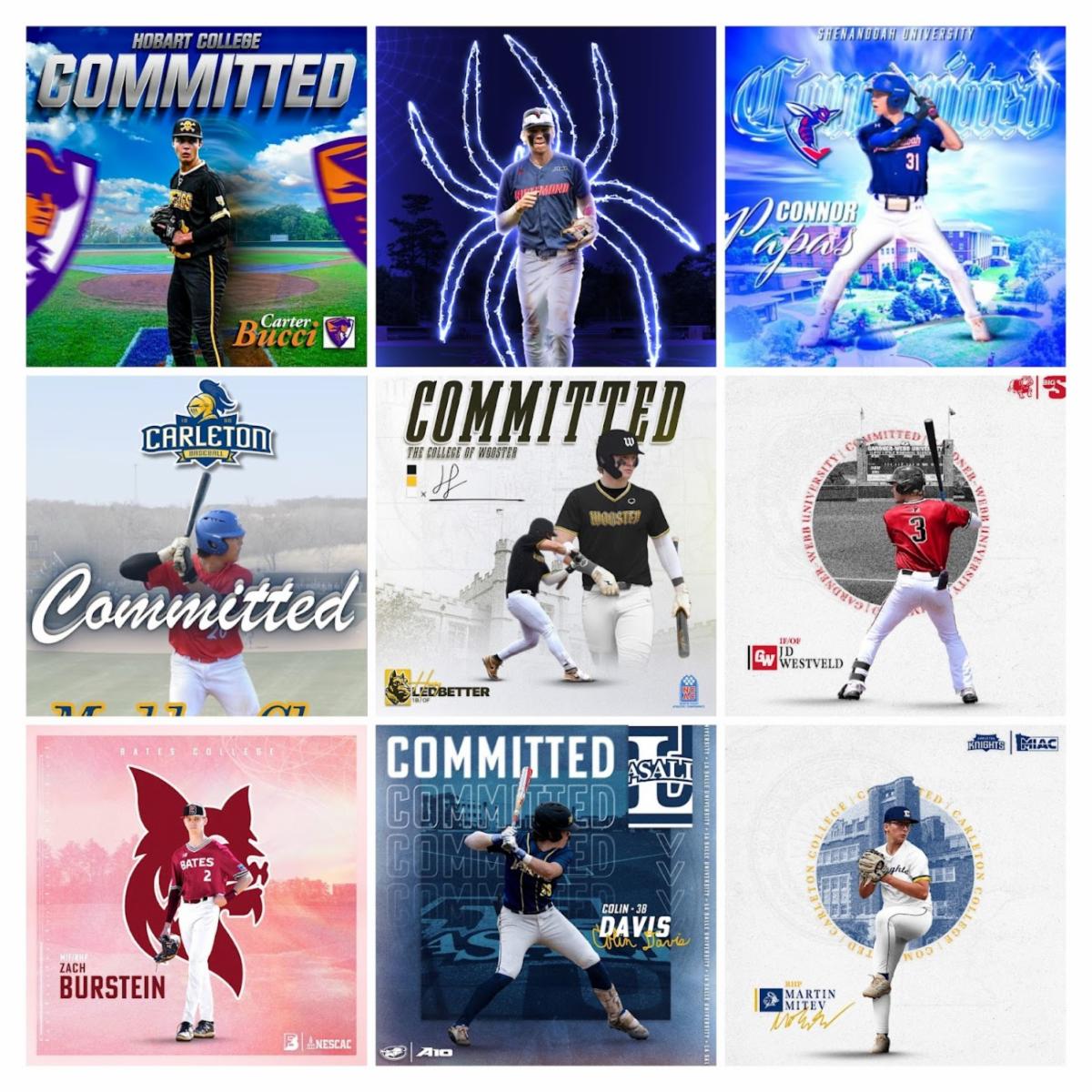
First Row: Carter Bucci - Hobart; Waylon Ammons - Richmond; Connor Papas - Shenandoah
Second Row: Maddux Chu - Carleton; Henry Ledbetter - Wooster; JD Westveld - Gardner-Webb
Third Row - Zach Burstein - Bates; Colin Davis - LaSalle; Martin Mitev - Carleton
| | Whether you're just beginning your journey or making your final choice, JB+C is here to help you navigate with clarity, confidence, and care. Please reach out using the buttons below if you or someone you know would like to reach out or learn more! | | | | |