Weekly Digest Number 10 - March 9th, 2021 |
|
The Auditor General’s 2021 Report on Rail Safety: Another Groundhog Day |
|
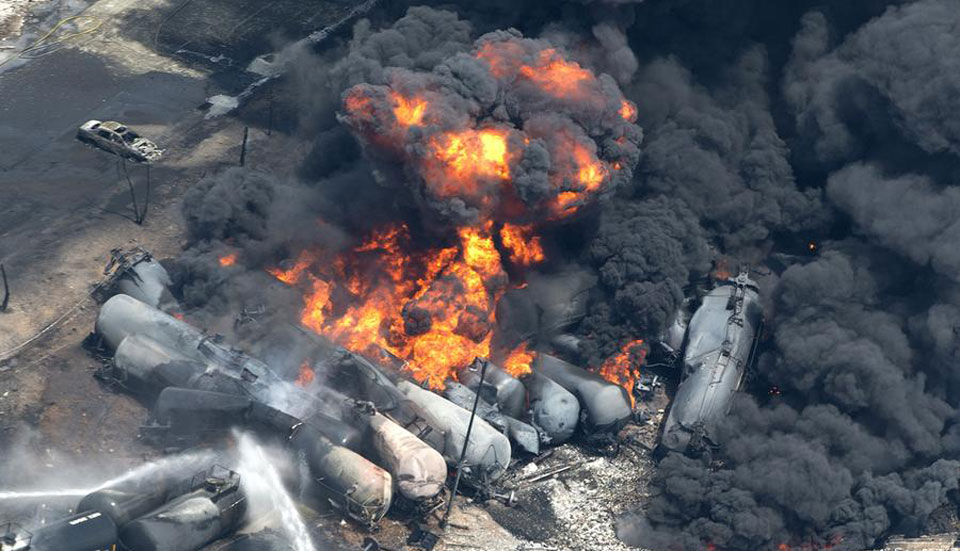
Last Thursday [February 25] the Auditor General [AG] (of Canada) released a series of reports, including the lack of government supports to ensure safe drinking water for indigenous communities, and mismanagement of the government’s shipbuilding plan. Receiving much less attention was its report on rail safety, the first since the 2013 Lac-Mégantic rail disaster, which claimed 47 lives, orphaned 26 children, destroyed the town centre and spilled a record 6 million litres of toxic Bakken shale oil.
The AG report found that while there have been modest improvements, Transport Canada’s audits of Safety Management Systems [SMS] - the centerpiece of its safety oversight regime since it was introduced 20 years ago - focused on whether a company’s SMS complied with regulatory requirements, checking off the regulatory boxes: not whether these systems were effective - namely whether they improve safety, i.e. reduces the risk of accidents. In the press conference, AG Karen Hogan called the Department’s failure to assess the effectiveness of SMS “a big loophole.”
|
|
NTSB to Investigate Fatality at BNSF Rail Yard in Southern California 3/3/2021 |
|
(Editor's Note: The worker has been identified as a conductor, 46 year old T.J. Ellis, with 7 years with BNSF. He was crushed between two railcars, apparently whole making a set-out on an adjacent track.)
The employee was fatally injured during yard operations. BNSF is cooperating in the investigation. According to Orange County Fire Authority (OCFA), which received an emergency call at approximately 12:37 a.m. local time, one individual was trapped under a train. OCFA determined after arriving at the scene that two trains had converged and crushed the victim.
|
|
Oil Trains: Are Profits Worth Our Risk?
Please take the time to watch this recorded Webinar, a production of the Adlai Stevenson Center for Democracy. Co-sponsored by Railroad Workers United.
|
|
Trains with fewer crew members fatigued from long hours often run through communities carrying flammable oils, explosives, and toxic substances.
At this Stevenson Center webinar, three panelists discuss the need for further regulation of railroads and other practices to protect community safety. Gerri Songer is an educator, local activist and Legislative Director of Northwest Suburban Teachers Union Local 1211 IFT-AFT. She works to prevent accidents which often create hazardous runoff. Justin Mikulka is a freelance writer, audio and video producer and has a Civil and Environmental Engineering degree from Cornell University. Mark Burrows is a retired Canadian Pacific Railroad engineer and an active member of SMART/TD, formerly United Transportation Union, who now works with Railroad Workers United to fight for improved safety for railroad workers and the public.
|
|
Congressional Hearing: “Full Steam Ahead for Rail: Why Rail is More Relevant Than Ever for Economic and Environmental Progress” |
|
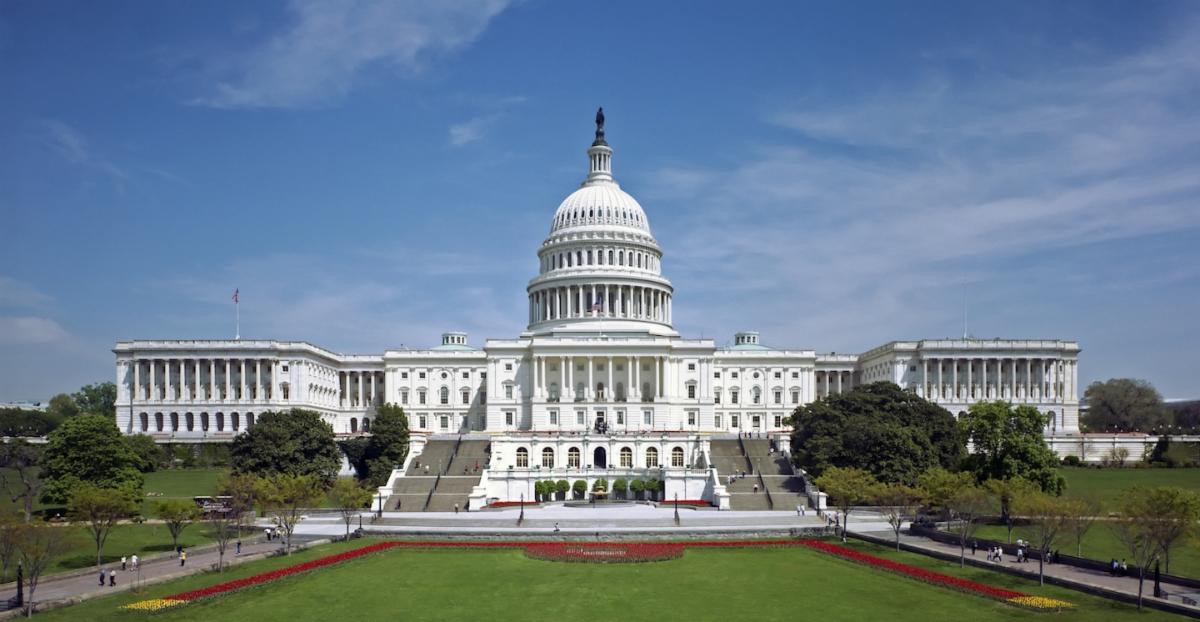
This hearing will explore the importance of rail to the U.S. economy and as a tool to mitigate climate change. Watch it live!
DATE: Wednesday, March 10, 2021
TIME: 11:00 AM
LOCATION:2167 Rayburn House Office Building and Virtually
|
|
FRA Issues Face-Mask Mandate |
|
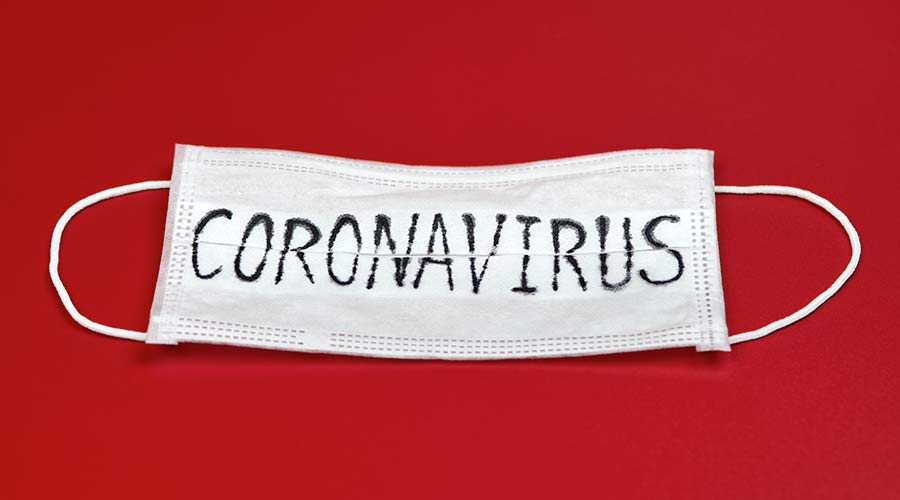
The order was issued to require compliance under President Biden's recent executive order and that of the Centers for Disease Control and Prevention (CDC), which called for masks to be worn in airports and on planes and various modes of surface transportation, including trains, to prevent the spread of the coronavirus.
The FRA's order mandates that railroads require their personnel to wear a face mask while engaged in railroad operations, including whenever in a transportation hub or facility under the rail carrier's control, regardless of duty status.
Individuals who refuse to wear masks can be removed from service and subject to fines. Railroads that don't enforce the order also could face civil penalties.
|
|
NTSB investigating fatal accidents involving BNSF, KCS workers |
|
The National Transportation Safety Board (NTSB) has begun investigations into two recent fatal accidents involving Class Is. The agency is investigating a March 3 accident in La Mirada, California, in which a BNSF Railway Co. employee was fatally injured during yard operations. The employee died after being crushed between two trains, local news media reported. Also, the NTSB has been investigating a Dec. 23, 2020, incident in which a conductor of a Kansas City Southern train was struck by the train operating in a rail yard in Tupelo, Mississippi. The conductor died later that day in a nearby hospital, according to the NTSB's executive summary of the ongoing investigation.
|
|
Extreme Winter Weather Slows Traffic: AAR |
|
(Editor's Note: As mentioned in last week's News Summary, perhaps the AAR should have added that the practice of so-called Precision Scheduled Railroading substantially aided and abetted this traffic slowdown due to lack of crews and locomotives and other infrastructure)
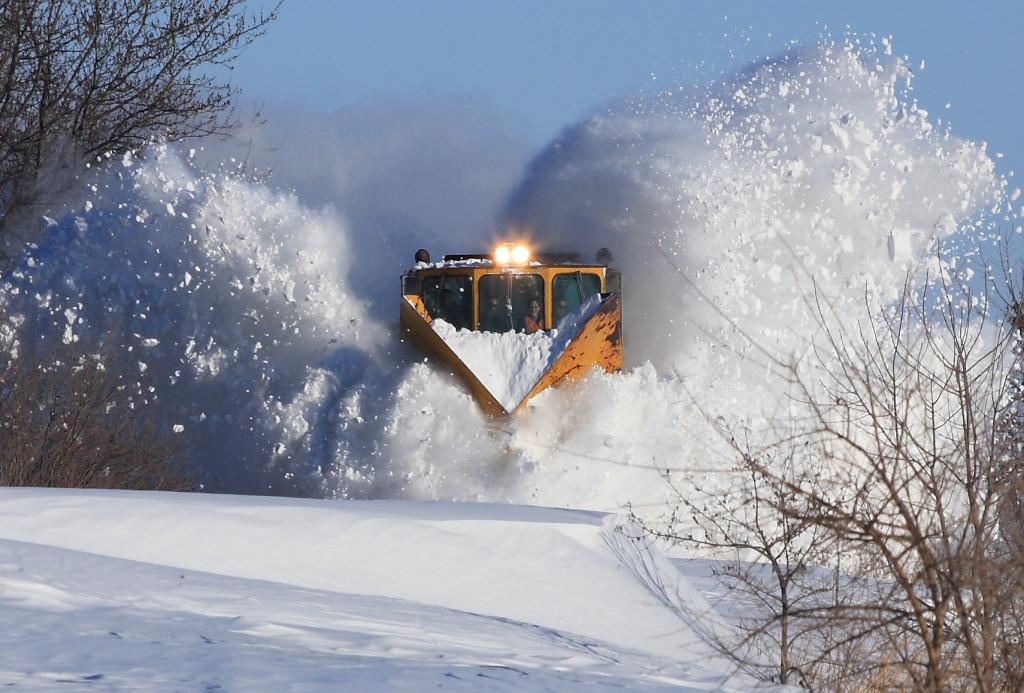
The Association of American Railroads, in reporting U.S. rail traffic for the week ending Feb. 27, 2021, as well as volumes for February 2021, noted that volume took a polar vortex hit. “During February, snow and ice covered wide swaths of the country, including many areas that rarely see harsh winter weather wreaking havoc on all forms of transportation, including rail,” said AAR Senior Vice President John T. Gray. “In fact, total U.S. rail carloads in the third week of February were the lowest for any week in AAR’s records that go back to 1988. While carloads rebounded during February’s final week to a more typical level, the month ended with noticeably lower total volumes. On the positive side, both intermodal and grain traffic remained relatively strong through three of the four weeks of the month.”
|
|
Support the Railroad Employee Equity & Fairness Act |
|
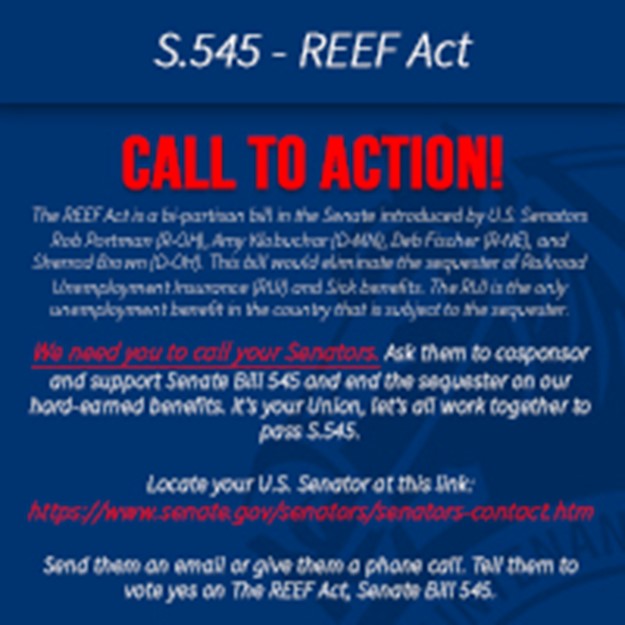
The REEF Act (Railroad Employee Equity Fairness Act) is a bill currently up for vote in the U.S. Senate. It deals specifically with eliminating the sequester of Railroad Unemployment Insurance (RUI) and Sick Benefits. The REEF Act is a bi-partisan bill in the Senate introduced by U.S. Senators Rob Portman (R-OH), Amy Klobuchar (D-MN), Deb Fischer (R-NE), and Sherrod Brown (D-OH). This bill would eliminate the sequester of Railroad Unemployment Insurance (RUI) and Sick benefits. The RUI is the only unemployment benefit in the country that is subject to the sequester.
Now is a call to action: we need you to call your Senators. Ask them to cosponsor and support Senate Bill 545 and end the sequester on our hard-earned benefits. It's your Union, let's all work together to pass S.545. Locate your U.S. Senator at this link: https://www.senate.gov/senators/senators-contact.htm Send them an email or give them a phone call. Tell them to vote yes on The REEF Act, Senate Bill 545.
|
|
BNSF posts lower revenue, higher income in Q4 |
|
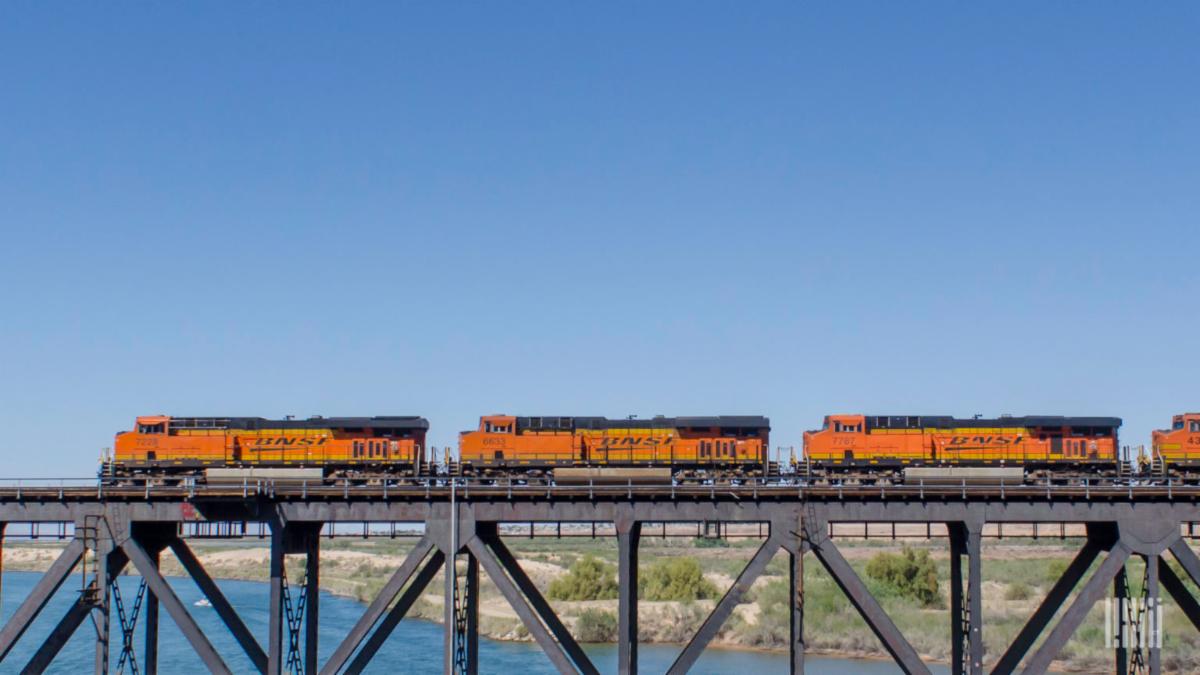
BNSF Railway Co. today reported fourth-quarter 2020 revenue decreased 3% to $5.7 billion, but operating income rose 3% to $2.2 billion and net income climbed 5% to $1.5 billion compared with 2019's financial results. The Class I attributed the lower revenue primarily to a 3% decrease in unit volume and a 6% decrease in average revenue per car, BNSF officials said in a financial performance summary posted on the Class I's website. Operating expenses for the quarter fell 6% year over year to $3.5 billion. The Class I posted a Q4 operating ratio of 60.3% compared with 62.8% in Q4 2019.
|
|
More Than 40 Freight Train Cars Derail in the Southern California Desert |
|
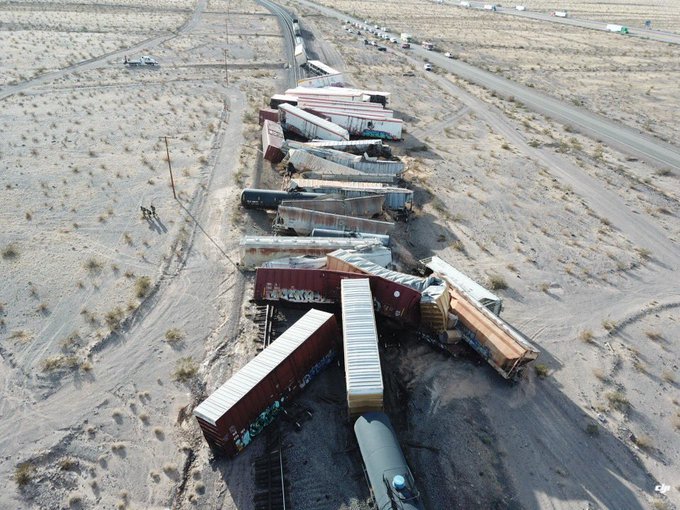
A freight train derailed in the Southern California desert on Wednesday, sending more than 40 rail cars off the tracks in San Bernardino County.
No injuries were reported when the BNSF Railway train went off the tracks around midday near the remote Mojave Desert community of Ludlow, the San Bernardino County Fire Department said on Twitter. Photos and video tweeted by the fire department showed cars piled up along the tracks, some on their sides. “Initial reports indicate 44 cars derailed, and one car carrying ethanol alcohol is leaking,” BNSF spokeswoman Lena Kent said in an email.
|
|
Labor Solidarity: Rail Union (BMWED) Supports Alabama Amazon Workers' Union Drive |
|
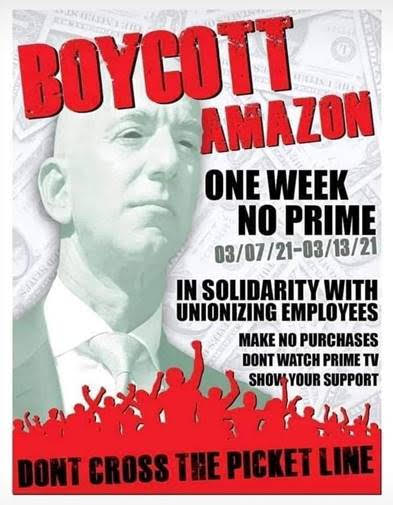
(Editor's Note: At the RWU March Steering Committee Meeting 3/3/21, the Steering Committee voted to support the Amazon workers, joining the BMWED in this effort. We urge all RWU members and all rails to lend these workers your support in their determined efforts to fight back and form a union at the world's biggest corporation!)
Amazon warehouse facility workers in Bessemer, Ala. are voting this month to join the Retail, Wholesale and Department Store Union (RWDSU). If successful, it would be the first Amazon warehouse in the country to form a Union. The BMWED supports the workers right to vote – unimpeded by management, without coercion or threat – and we hope the Union certification is successful. It would be a gigantic step forward for Amazon workers nationwide. Amazon generated $125.6 billion in net sales in 2020, capitalizing on a pandemic that had millions of Americans shopping from home. Jeff Bezos is the second richest person in the entire world, with a net worth of $182 billion.
|
|
|
|
|
|
|