|
As is widely recognized, Medicare Advantage co-pays continue to increase, while coverage policies are becoming increasingly restrictive. At the same time, CMS continues to provide substantial bonuses to Medicare Advantage plans and appears to be moving toward broader adoption of Medicare Advantage, potentially through automatic enrollment mechanisms that may limit choices for Medicare beneficiaries.
Click here to read an update regarding CarolinaEast Medical Center and its decision to discontinue participation with Blue Cross Blue Shield and UnitedHealthcare Medicare Advantage plans.
This information was provided by Giovanna Garcia.
| | |
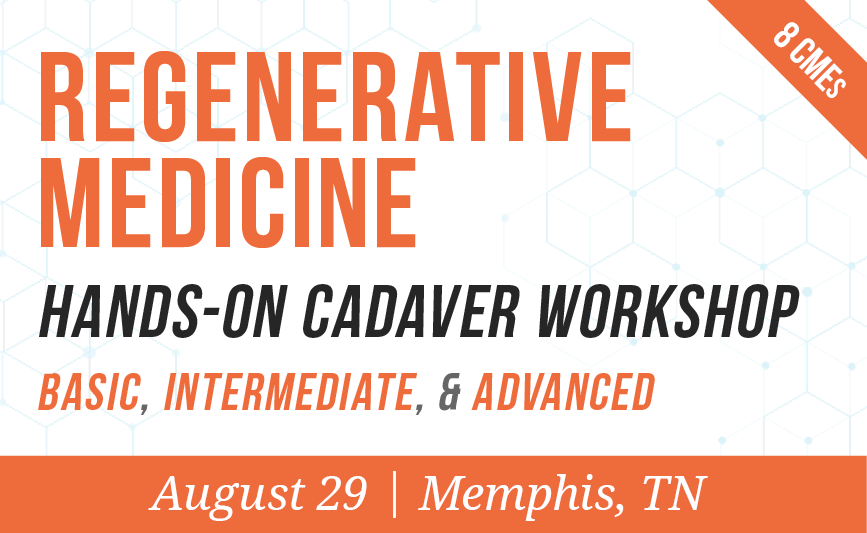
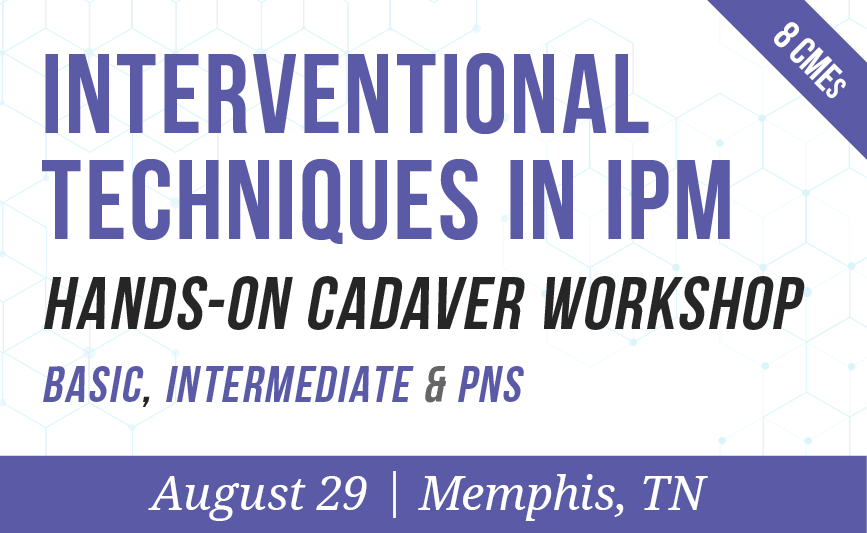
Register Today for these
Upcoming ASIPP Workshops
| | |
It was Kennedy's decision, according to reports
FDA Commissioner Marty Makary, MD, MPH, resigned on Tuesday after just over a year at the agency and days of speculation about whether he'd be fired.
Kyle Diamantas, the agency's deputy commissioner for food, was named as the acting FDA commissioner.
The news was first reported by Politico, though the Wall Street Journal reported last week that President Trump had signed off on a plan to fire the embattled commissioner.
While the White House did have to sign off on the plan, HHS Secretary Robert F. Kennedy Jr. made the call, Politico reported. "It was really Secretary Kennedy himself who made this decision," an administration official told the outlet.
Click here to read the full article.
| | |
Diabetic peripheral neuropathy is a covered condition by Medicare and many other insurers however, Cigna has incorporated into the new policy effective August 4, 2026 to cover diabetic peripheral neuropathy when all the criteria are met as follows:
Trial
A short-term trial (i.e., at least [5] days) of a non-high-frequency or high-frequency (HF10 SCS) dorsal column spinal cord stimulator is considered medically necessary when ALL of the following criteria have been met:
- Performed for the treatment of chronic, intractable pain secondary to diabetic peripheral neuropathy in the lower extremities
- Symptoms include BOTH of the following:
- lower extremity neuropathic pain present for >12 months
- pain is rated at least VAS ≥5
- Ineffective pain relief with or intolerance to at least TWO of the following:
- anticonvulsants
- tricyclic antidepressant
- SNRI (serotonin-norepinephrine reuptake inhibitor)
- opioids
- If taking opioids, the opioid use is ≤100MME (morphine milligram equivalent) per day.
- Hemoglobin A1c (HbA1c) <10% within three (3) months prior to trial
- There are no other medical diagnoses (e.g. chronic inflammatory demyelinating polyneuropathy [CIDP]; Hepatitis B; HIV; Lyme disease; chemotherapy or vitamin deficiency induced neuropathy) that are concordant with the presenting symptoms, signs, and results of relevant studies (e.g., imaging, electrodiagnostic testing, laboratory testing, etc.).
- Attestation by a behavioral health provider (i.e., a face-to-face or virtual assessment [with or without psychological questionnaires and/or psychological testing]) reveals no evidence of inadequately controlled mental and/or behavioral health conditions/issues (e.g., substance use disorders, depression, or psychosis) that would impact perception of pain, and/or negatively impact the success of a SCS or contraindicate placement of the device
Permanent Implant
Permanent implantation of a non-high-frequency or high-frequency (HF10 SCS) dorsal column spinal cord stimulator is considered medically necessary when BOTH of the following criteria have been met:
- Must meet ALL criteria for a short-term trial spinal cord stimulator as noted above.
- There has been documented pain relief of at least 50% during a short-term trial of SCS.
Click here to view the Cigna Medical Coverage Policy
| | | |
Apply now for one of the following 2026 dates:
May 23, June 27, July 25, September 26, October 24, November 14, & December 12
Four (4) hour virtual exam
- ABIPP Path – Combined CCPM/ CSM Exam
For those with subspecialty in Pain Medicine
Two (2) hour virtual exam
- ABIPP Competency Exam in IPM
For those without primary board certification
Two (2) hour virtual exam
- ABIPP Competency Exam in Regenerative Medicine
Two (2) hour virtual exam
- Controlled Substance Management Competency Exam
Two (2) hour virtual exam
- Documentation, Coding, Compliance, Practice Management Competency Exam
Two (2) hour virtual exam
August 28, 2026
- ABIPP Part II Oral and Practical Examination
Topics that will be covered:
Caudal epidural injections; Lumbar interlaminar epidural injections; Lumbar/sacral transforaminal epidural injections; Cervical epidural injections; Thoracic epidural injections; Lumbar/sacral medial branch and L5 dorsal ramus blocks; Cervical medial branch blocks; Thoracic medial branch blocks; Lumbar/sacral facet joint nerve radiofrequency neurolysis; Cervical medial branch radiofrequency neurolysis; Thoracic medial branch radiofrequency neurolysis; Sacroiliac joint injections; Cervical sympathetic blocks; Lumbar paravertebral sympathetic blocks; Intercostal nerve blocks; Lumbar discography; Celiac plexus blocks (not Splancnic nerve blocks); Percutaneous epidural adhesiolysis; Spinal cord stimulation lead placement
| | |
Idea was among those floated in Project 2025 report
When your patients turn 65, will they automatically be enrolled in a Medicare Advantage plan or accountable care organization (ACO)? That idea is now on the Trump administration's radar.
CMS is currently mulling a plan that would automatically enroll beneficiaries into either Medicare Advantage plans -- in which private insurers contract with CMS to serve Medicare beneficiaries -- or ACOs, such as those that participate in the Medicare Shared Savings Program, according to a report in STAT.
Currently, people who don't make a choice are enrolled in traditional Medicare, which offers seniors the opportunity to see any doctor that takes Medicare; however, traditional Medicare is not the option favored by the Trump administration. Would auto-enrollment in either an ACO -- which is financially incentivized to provide more efficient care at a lower cost -- or Medicare Advantage be better than fee-for-service (FFS) Medicare, "where there's not this long-term, secular relationship between the beneficiary, the patient, and their provider? Yes," Chris Klomp, director of CMS's Center for Medicare, said in the STAT interview.
Republicans argue that Medicare Advantage, with its smaller physician networks and stricter prior authorization rules, can save the Medicare program money. But a report by the Medicare Payment Advisory Commission (MedPAC) in March 2026 found that Medicare paid $76 billion more for Medicare Advantage patients in 2025 than it would have if those same patients had been enrolled in traditional FFS Medicare.
Click here to read the full article.
| |
Emphasizes that broad spread in the U.S. is "extremely unlikely at this time"
The CDC has issued a Health Alert Network (HAN) health advisory on hantavirus, urging clinicians to be aware of the potential for imported cases of hantavirus disease in connection with an outbreak of Andes virus aboard a cruise ship.
While the risk of broad spread in the U.S. is "considered extremely unlikely at this time," the agency noted that early symptoms can be easily confused with influenza or other viral illnesses. In addition, the virus may not be accurately detected in body secretions and excretions within the first 72 hours of symptom onset, so testing should be repeated after that window, the agency warned.
About 30 passengers disembarked the ship on April 24, returning to their home countries, including several Americans. Several state health departments -- including Arizona, California, Georgia, Texas, and Virgina -- confirmed to MedPage Today that they are monitoring individuals in their respective states. New Jersey also is monitoring two people who were on the same flight as a woman who was symptomatic on board and later died. Maryland also announced it is monitoring two people who were on that flight.
A Spanish woman who was on that flight also has developed symptoms and is being monitored. A Dutch flight attendant from that flight who had symptoms and was being treated recently tested negative for the virus.
Click here to read the full article.
| |
ASIPP is pleased to announce the launch of the Regenerative and Longevity Medicine Section!
This section reflects the growing importance of regenerative and longevity medicine—fields dedicated to restoring health, enhancing vitality, and extending the healthy years of life. From stem cell therapies and tissue engineering to gene therapy and orthobiologics, these disciplines are transforming the way we approach pain management and age-related decline.
Section membership offers:
- Access to ASIPP’s physician database and future data registry
- Opportunities for certification and continuing education
- Section-exclusive resources and updates
No additional cost for ASIPP members!
| | |
Monica Lypson, MD, keeps a white coat hanging on the back of her office door, just in case she needs it.
As a professor of medicine at Columbia University Irving Medical Center in New York City and the vice dean for medical education, Lypson occasionally needs to wear it in her role as an administrator. When she’s on hospital service, though, she’s much more likely to wear a navy fleece jacket embroidered with her name and title.
Ericka Gibson, MD, OBGYN with Kaiser Permanente in Atlanta, received her medical training in the era of the fleece jacket. Because delivering babies and performing surgery can be a “messy job,” she never bothers with a white coat in the hospital, just in the office.
“Usually, the decision comes down to whether I’m wearing something where I want to cover my arms because it’s chilly in the office or I need the pockets,” said Gibson. “It’s never about the status of the white coat.”
Click here to read the full article.
| | |
ASIPP is proud to launch our Resident and Fellow Mentorship Program. This initiative is designed to connect trainees with experienced pain physicians to foster professional growth, provide guidance, and strengthen the future of our specialty.
Each mentor would be paired with one to two trainees, but can take more if interested. Trainees will be responsible for initiating introductions and arranging at least one to two video calls per year. These sessions will provide opportunities for mentees to seek advice on clinical decision-making, career planning, research opportunities, and professional development.
We believe that your experience, expertise, and insight can have a lasting impact on the next generation of pain physicians. By volunteering as a mentor, you will play a critical role in shaping the future of our field and ensuring that ASIPP continues to cultivate excellence in interventional pain medicine.
If you are interested in serving as a mentor, please confirm your participation by filling out the appropriate form below.
| | |
People using increasingly popular “wellness” peptide products have no reliable way to know whether the substances are safe or effective, according to a new white paper from two patient safety groups.
The Institute for Safe Medication Practices (ISMP) and ECRI say the commercial market for compounded peptides has outpaced the scientific evidence for their safety and effectiveness. Various types are marketed for muscle building, injury recovery, and immune support.
Many of the products, including BPC-157, TB-500, and epitalon, are not approved for human use and have not undergone adequate clinical testing.
The warning comes amid a recent move by the Trump administration to remove the substances from a list barring them from being compounded because of safety risks. The FDA in April 2026 set meetings with an advisory committee to discuss allowing the peptides to be compounded.
Click here to read the full article.
| | |
The Opportunity:
- Well-established group seeking an interventional pain physician with pain fellowship training
- Comprehensive interventional pain management program with physicians, nurse practitioners, and two Ambulatory Surgery Centers
- Established interventional pain management practice with strong clinical and research focus
- High-volume practice that is ethical and fully legally compliant
- Research and publication opportunities available
- Early and generous partnership opportunities in both the practice and ASC
| |  | |
The Community:
- Excellent quality of life in a county of more than 60,000 residents, with a regional drawing area exceeding 200,000
- High standard of living with abundant recreational and social opportunities
- Strong public school system and a private parochial elementary school
- Convenient location: approximately 2.5 hours to Nashville and St. Louis; 3 hours to Memphis, Louisville, and Lexington
- Daily one-hour flights to major international hubs, including Chicago O’Hare and Houston, TX
| | Please email Cindy Jackson at cindy@thepainmd.com with your current CV to schedule an interview or to learn more about this practice. | | | |
We're excited to let you know that the new ASIPP Community, hosted by DocMatter, is now live!
The ASIPP Community on DocMatter will serve as a place for members to collaborate around clinical and research topics to advance the care of their interventional pain patients.
Click here to be a part of the conversation!
| | |
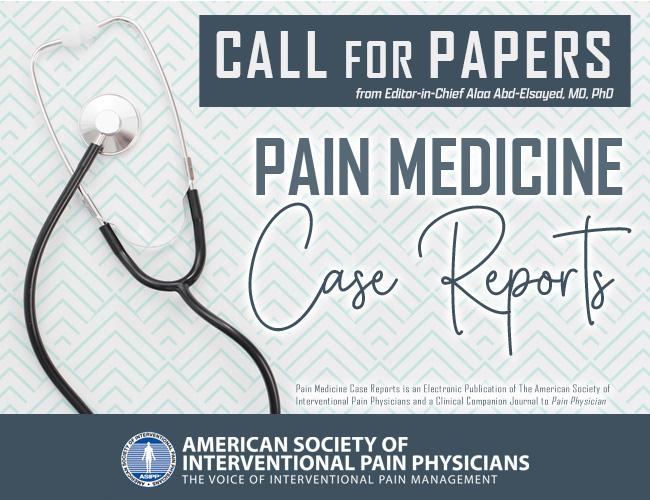
Pain Medicine Case Reports (PMCR) and Editor-in-Chief Alaa Abd-Elsayed, MD, PhD would like to invite you to submit case reports and case series to the PMCR journal. Your article will be published free of charge.
Open access journals are freely available online for immediate worldwide open access to the full text of published articles. There is no subscription fee for open access journals. Open access journals are no different from traditional subscription-based journals: they undergo the same peer review and quality control as any other scholarly journal.
Interested in becoming a member of the PMCR Editorial Board?
Editorial board members are asked to review 2-6 manuscripts per year. Please submit your most up-to-date CV to sgold@asipp.org for consideration.
For more information or to submit your articles, click here.
| | |
We are excited to announce that Pain Medicine Case Reports (PMCR) journal (eISSN 2768-5152) has been accepted for inclusion in MEDLINE and PubMed, the prestigious bibliographic database of the U.S. National Library of Medicine. PMCR, a companion publication to the prestigious Pain Physician journal by ASIPP, joins its counterpart in achieving indexing in both MEDLINE and PubMed, marking ASIPP’s dual presence in these renowned databases.
The inclusion of PMCR journal in MEDLINE signifies a higher level of selectivity, as MEDLINE consists of the top 5,200 biomedical journals. This indexing also means that articles from PMCR will be searchable using NLM Medical Subject Headings (MeSH terms) and other metadata.
The selection for MEDLINE follows a rigorous evaluation process by reviewers from the Literature Selection Technical Review Committee (LSTRC). According to their criteria, the scientific quality of a journal’s content is the primary factor considered for indexing.
We extend our congratulations to the Pain Medicine Case Reports Editor-in-Chief, Deputy Editor-in-Chief, Journal Team, and Editorial Board for this achievement, which underscores the significance and excellence of this esteemed journal.
| | | | |