|
Q: Who should consider taking at-home antivirals if they have a confirmed case of COVID-19?
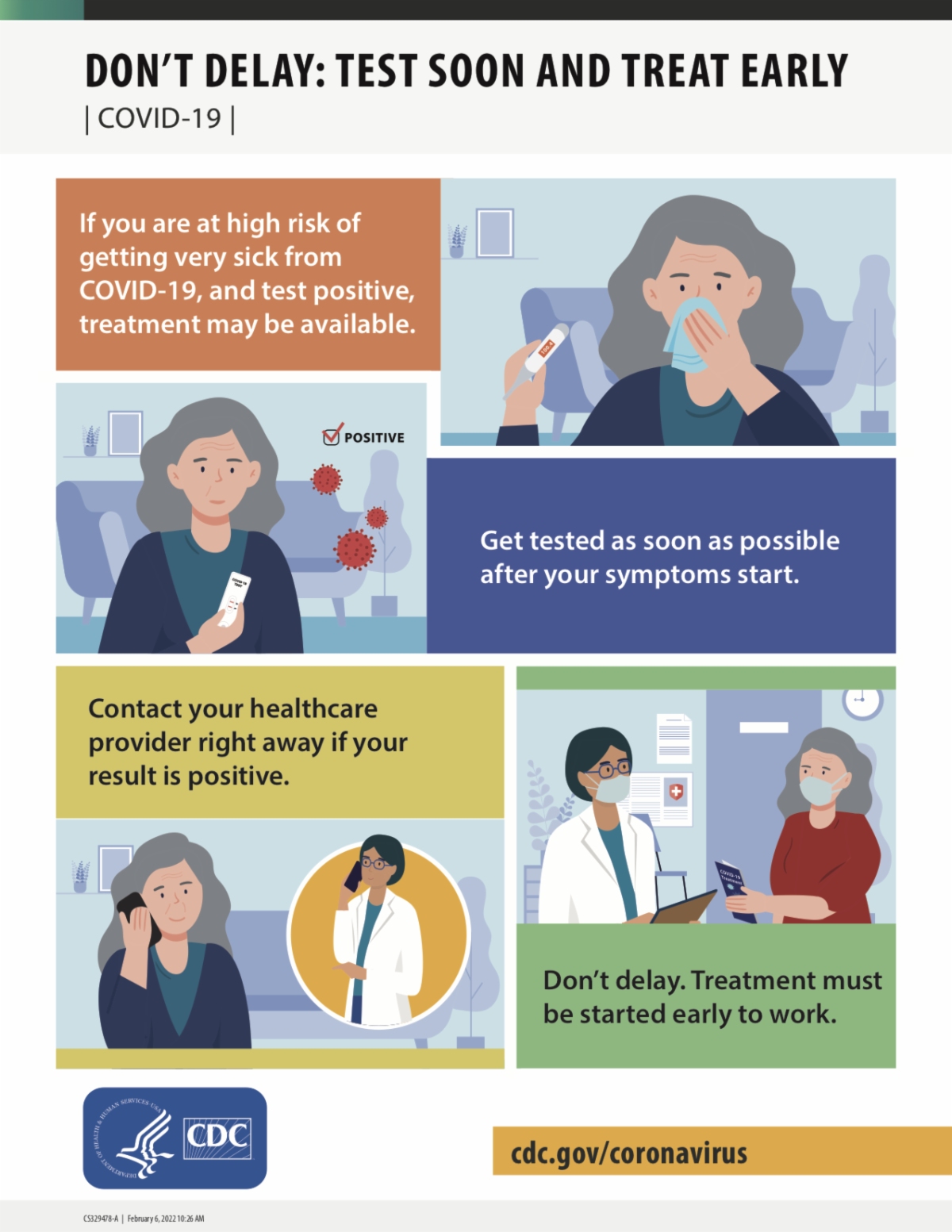
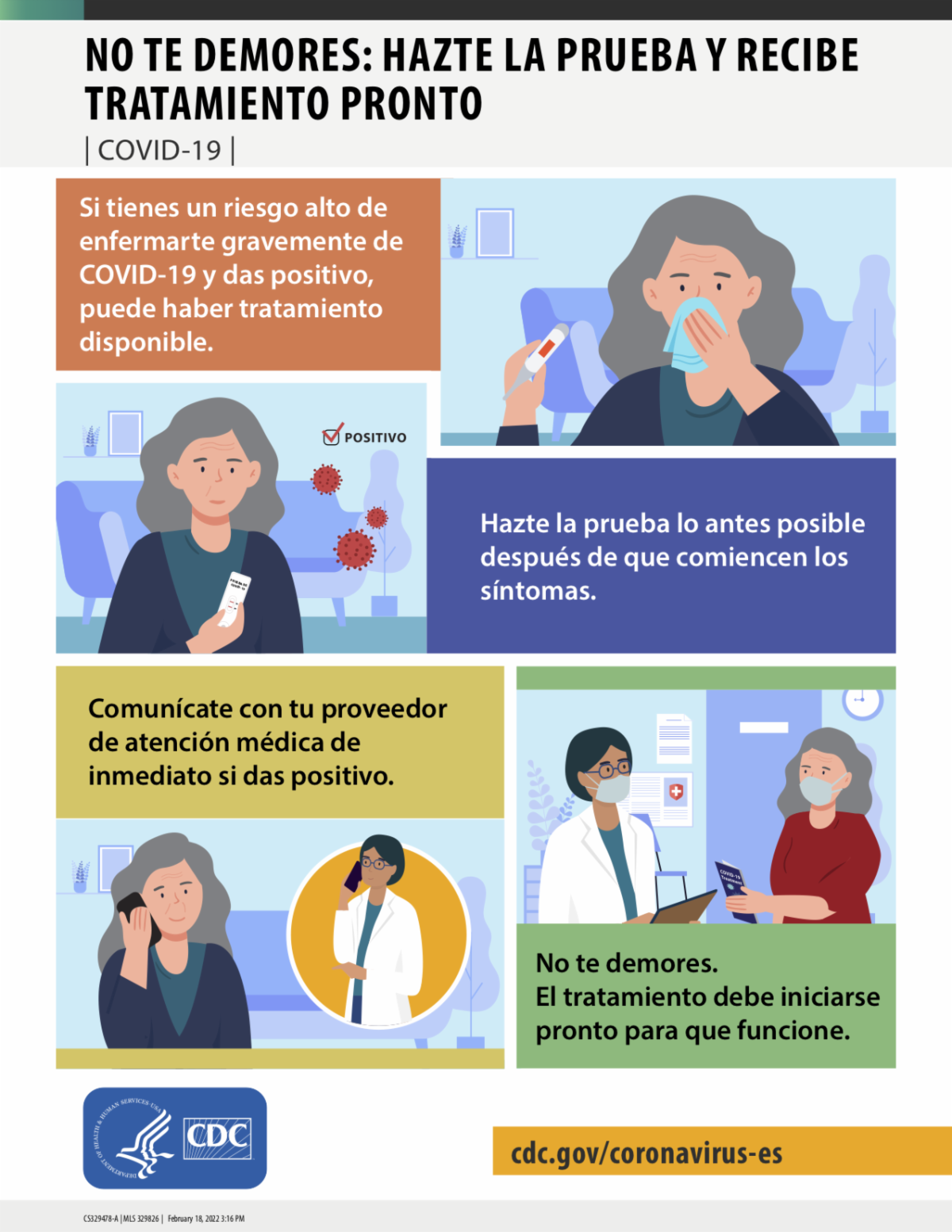
A: Most people can recover from a COVID-19 infection with the use of over-the-counter medications. Certain populations face a higher risk of severe illness from a COVID-19 infection and should consider pursuing antiviral medication if they test positive. Severe illness from COVID-19 means that someone may need to be hospitalized, may need intensive care, may need a ventilator to help with breathing, or may die as a result of the infection. Those facing an increased risk include:
- Adults over the age of 65
- Persons of any age with underlying health conditions
- Immunocompromised individuals
- People living in congregate settings
You may be eligible for at-home antiviral medications if:
- You are at high risk for severe symptoms
- Have tested positive for COVID-19 with symptoms starting no later than within the last 5 days
- Are not in the hospital
All antiviral therapies require a prescription from a healthcare professional. If you think you may qualify, talk to your provider. To see the full list of health factors and underlying conditions that increase the risk of severe illness, visit the CDC’s website.
Q: How do antiviral therapies work?
A: Antiviral therapies help the body fight off viral disease. They work by targeting specific parts of the virus’ replication process to prevent it from multiplying, lowering the amount of virus in the body and helping to prevent severe illness and death.
There are two antiviral therapies with FDA EUA approval available in the Blue Ridge Health District, Paxlovid and Molnupiravir (LAGEVRIO):
- Paxlovid, approved for ages 12+, works by preventing the production of a specific enzyme needed for the virus to make copies of itself. By slowing down production and thus decreasing the virus’ spread in the body overall, the immune system is better able to fight off the infection. Studies thus far have shown a higher rate of efficacy with Paxlovid than Molnupiravir (LAGEVRIO).
- Molnupiravir (LAGEVRIO), approved for ages 18+, works by causing the virus to make mistakes when it attempts to replicate.
Q: Why is it important to start taking antivirals within the first few days of experiencing symptoms or testing positive?
A: Because antiviral treatments target the virus’ replication process in order to lower overall levels present, they must be taken early before the SARS-COV-2 virus has thoroughly self-replicated and spread throughout the body.
Q: Are there any side effects or risks to taking antiviral medication?
A: Potential side effects after taking Paxlovid include an allergic reaction, an altered sense of taste, diarrhea, high blood pressure, and muscle aches. Molnupiravir (LAGEVRIO) is not recommended for use during pregnancy and can cause harm to an unborn baby. The most common side effects are diarrhea, nausea, and dizziness.
Paxlovid and Molnupirivir (LAGEVRIO) are still being studied. There is limited information about the safety and effectiveness of these antivirals to treat people with mild-to-moderate COVID-19.
Q: What is COVID rebound or the rebound effect?
A: COVID rebound is defined as a recurrence of COVID-19 symptoms or a new positive test result after an original COVID-19 diagnosis and resolution of symptoms or negative test. The rebound has been reported to occur between 2-8 days after initial recovery, resolving within an average of 3 days. There are no reports of severe illness among these cases. According to the CDC, “a brief return of symptoms may be part of the natural history of SARS-CoV-2 infection in some persons, independent of treatment with Paxlovid and regardless of vaccination status”. Currently there are no recommendations to pursue additional courses of antiviral treatment for suspected COVID rebound.
Q: Why is it important to get vaccinated and not rely solely on therapeutic treatments?
A: Antiviral treatments are meant to help your immune system fight the COVID-19 virus and prevent severe illness. They are only a short-term solution meant to counteract an acute infection, and do not provide long-term protection. COVID-19 vaccines, on the other hand, supply the immune system with a kind of “blueprint” for building antibodies against the SARS-COV-2 virus and trigger antibody production. Protection from a COVID-19 vaccine series lasts around 4-6 months, with further protection available through booster doses (which retrigger antibody production).
|