In a stream of high-profile changes at the largest higher education institution in New England (if you don't count the heavily online Southern New Hampshire University), Boston University (BU) President Robert A. Brown announced he will step down at the end of the academic year after 17 years in charge. The university also reported that Pulitzer Prize-winning Boston Globe editor Brian McGrory will leave the top job at the region's biggest paper at the end of the year to become the BU journalism department's chair. Scott Taylor, a Georgetown University scholar of African politics and vice dean for diversity, equity and inclusion, became dean of BU’s Frederick S. Pardee School of Global Studies. ... The University of Vermont Health Network named Dr. Sunil “Sunny” Eappen, an anesthesiologist and chief medical officer at Boston-based Brigham and Women’s Hospital, to be the new CEO and president of Vermont's largest health network. ... The Biden administration tapped Renee Wegrzyn, the vice president of business development at Boston-based Ginkgo Bioworks Holdings Inc., a synthetic biology firm, to lead the Advanced Research Projects Agency for Health. ... Lumina Foundation announced that Michelle Asha Cooper, deputy undersecretary at the U.S. Department of Education, will join the foundation next month as vice president for public policy and executive director of its Washington, D.C. office. ... See more on these and other changes in NEJHE's Comings and Goings tally of new appointments in New England higher ed and beyond.
Pictured: Robert A. Brown
|
|
|
Tidbits from the NEJHE Beat ... |
|
|
Brief items from the "NEJHE Beat"—that unique constellation of issues connected to higher education and also to social justice, economic and workforce development, regional cooperation, quality of life, academic research, workplaces and other topics that together say "NEJHE."
|
|
|
Blasts from the Past ... Some Back Issues of The New England Journal of Higher Education's predecessor Connection...
|
|
|
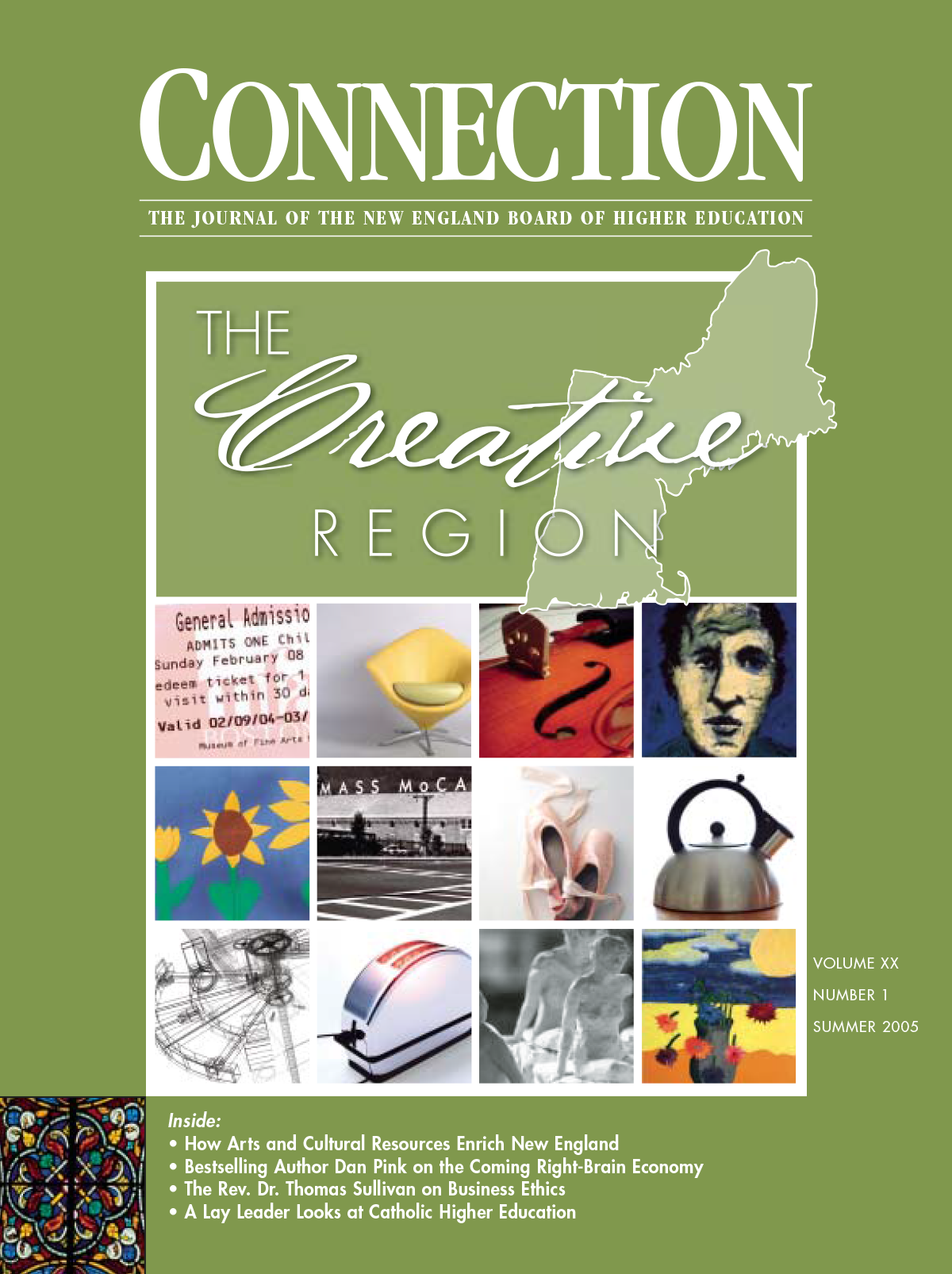
New England's rich base of arts education programs, museums, symphonies and dance troupes not only enrich the region's quality of life and generate significant revenue on their own, but also serve as midwives to a burgeoning "creative economy," according to the Summer 2005 issue of Connection. The creative economy encompasses a range of professions and endeavors where competitiveness depends not on linear, analytical thinking, but rather on right-brained skills such as artistry and empathy. This new creative economy faces stiff challenges, however. Features include a Q&A with bestselling author Dan Pink.
|
|
|
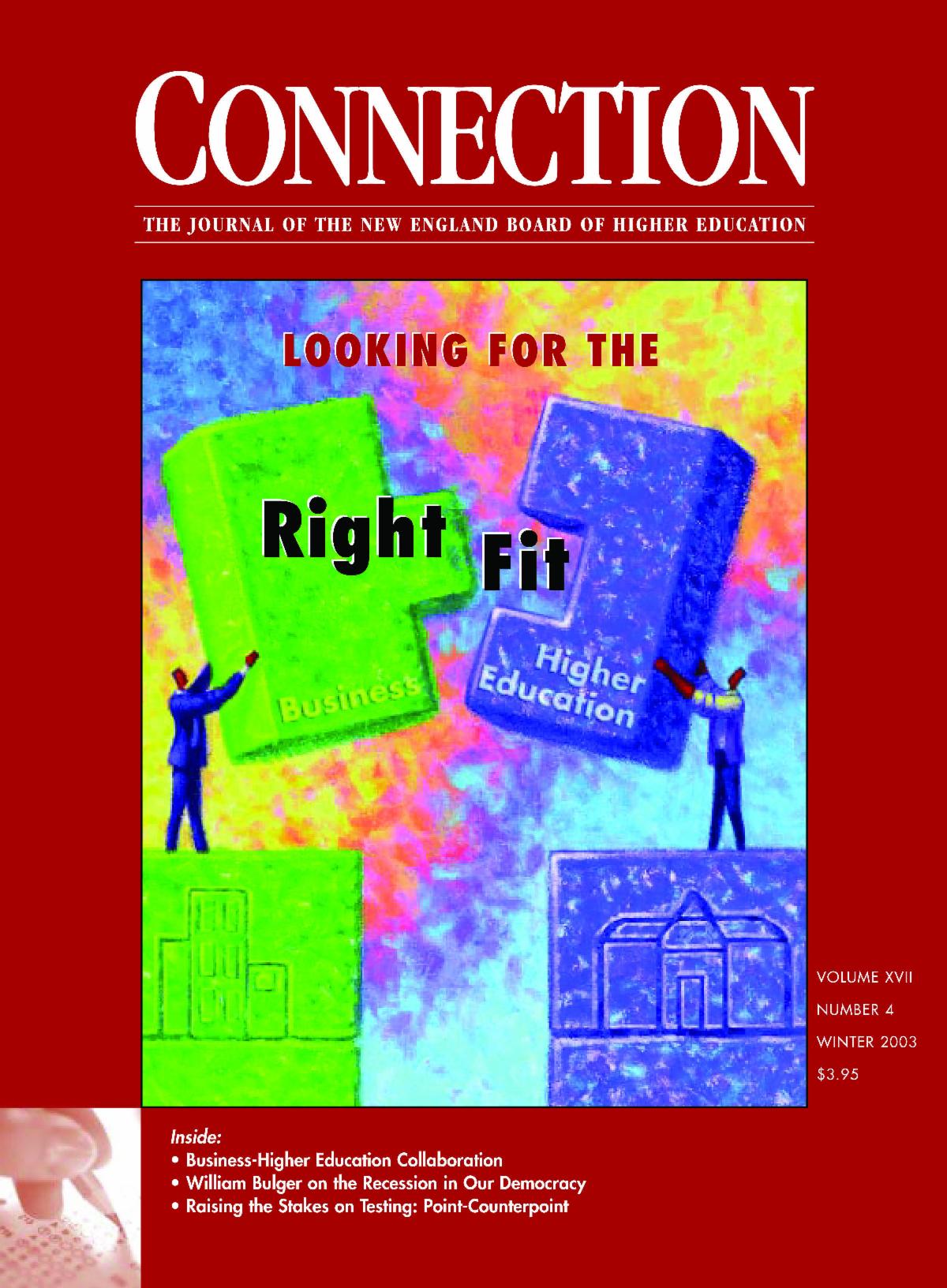
College presidents and corporate executives explain why New England's "innovation economy" will depend increasingly on how well colleges and business work together. Connection explores how colleges across New England are teaming up with business to prepare students for real-world jobs, entering into agreements with business to commercialize faculty research and contracting out their strategic expertise. Businesses, in turn, are providing scholarships and internships, funding university research programs and giving their execs time off to teach on campus.
|
|
|
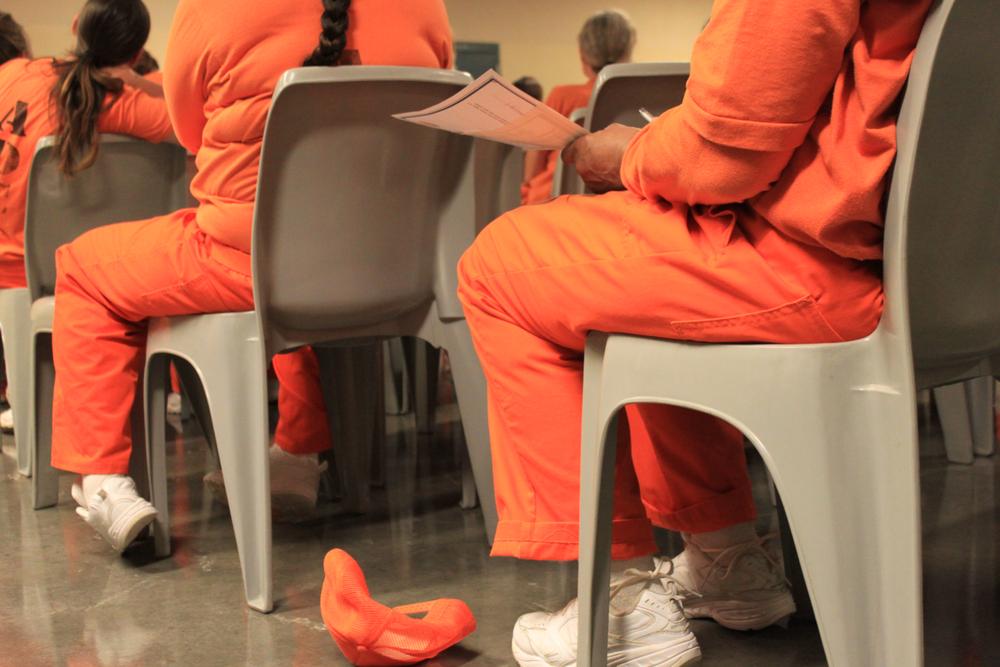
NEBHE and The Educational Justice Institute (TEJI) at MIT have launched the New England Commission on the Future of Higher Education Behind Bars. More than 201,800 people are incarcerated, on parole or on probation in New England. Incarcerated people who participate in higher education behind bars are 48% less likely to recidivate than those who do not, according to a report by the national organization Vera Institute of Justice. Other studies have shown that, while many prison education programs have profound impacts, their effectiveness is increased by aligning resources, stakeholders and policies. For example, turnover and transfer between prisons and jails results in many incarcerated students being unable to finish courses and degree programs. And a silver lining of the Covid-19 pandemic has been the development of synchronous distance learning technologies to reach incarcerated students. The NEBHE and TEJI Commission—funded with a $250,000 grant from the Ascendium Foundation—will formally convene approximately 60 individuals throughout New England who represent key stakeholders to explore such issues. Commission members will include postsecondary and corrections leaders, current and previously incarcerated individuals, employers, legislators and governors. The Commission will work for approximately 12 months, then release a formal report providing specific recommendations for state policy and higher education institutions, departments of correction, public-private partnerships and multistate or regional initiatives.
|
|
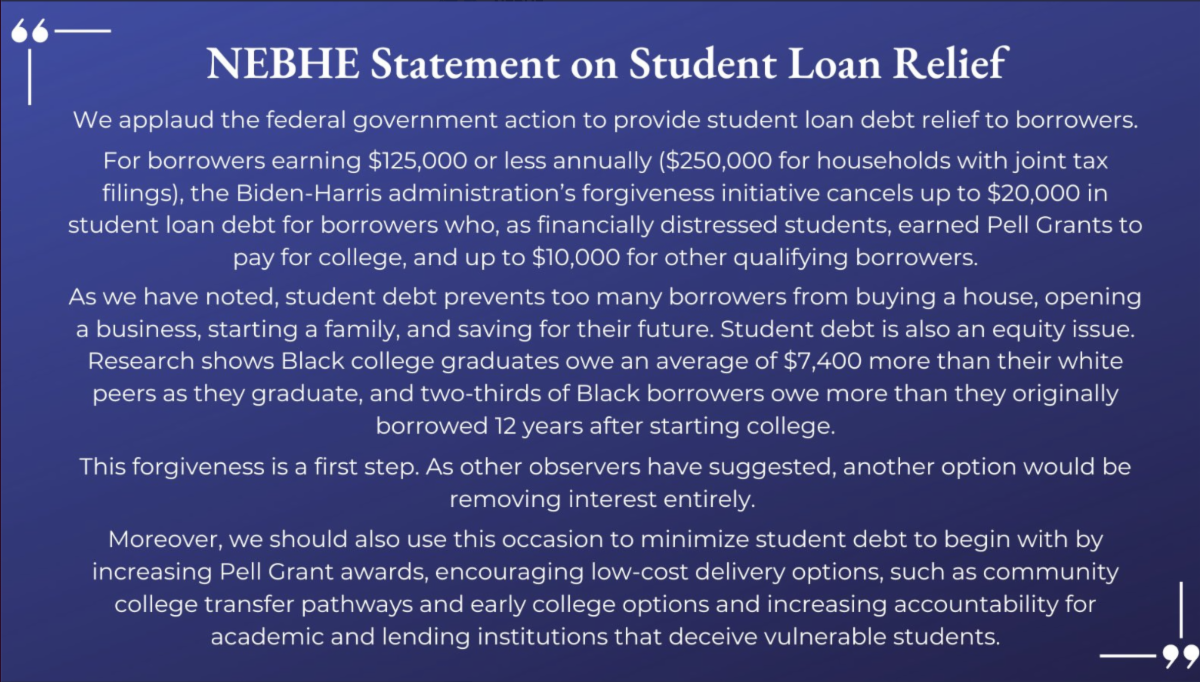
NEBHE Issues Statement on Loan Forgivenes |
|
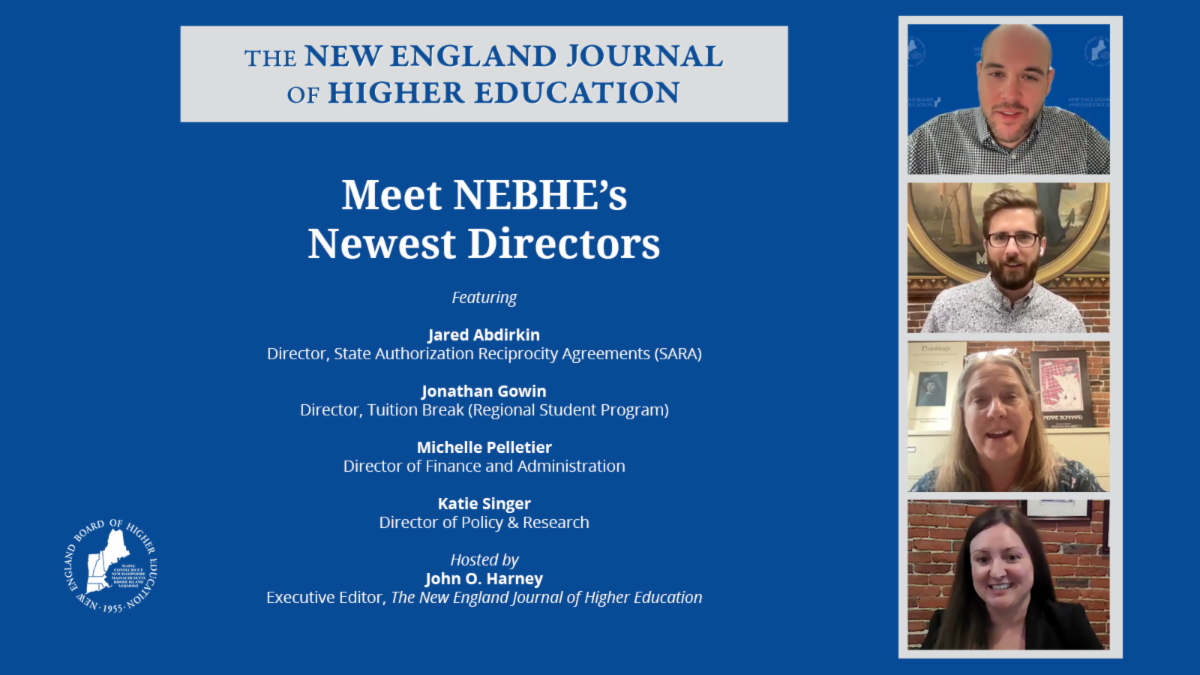
Meet NEBHE's Newest Directors |
|
NEJHE NewsBlast is a summary of NEJHE content and other news around NEBHE prepared weekly by NEJHE Executive Editor John O. Harney and emailed every Wednesday to opinion leaders and practitioners. When responding to NEJHE content, please make sure that your remarks are relevant, courteous and engaging. Individuals are responsible for their comments, which do not represent the opinions of the New England Board of Higher Education. We urge commenters to briefly note their occupational or other interest in the topic at hand. Please refrain from offensive language, personal attacks and distasteful comments or they may be deleted. Comments may not appear immediately. Thank you for staying engaged.
|
|
NEJHE NewsBlast is sponsored by
|
|
For more information about partnering with NEBHE, click here
or send an email message to our events coordinator Marla Phippen.
|
|
© 2020 New England Board of Higher Education |
|
|
|
|
|
|
|