FEBRUARY 2, 2026

 
Facebook  X  Instagram  Email  Web

Homeland Security Comes to Phoenix: Federal Raids, Protests, and the Consequences of Interference


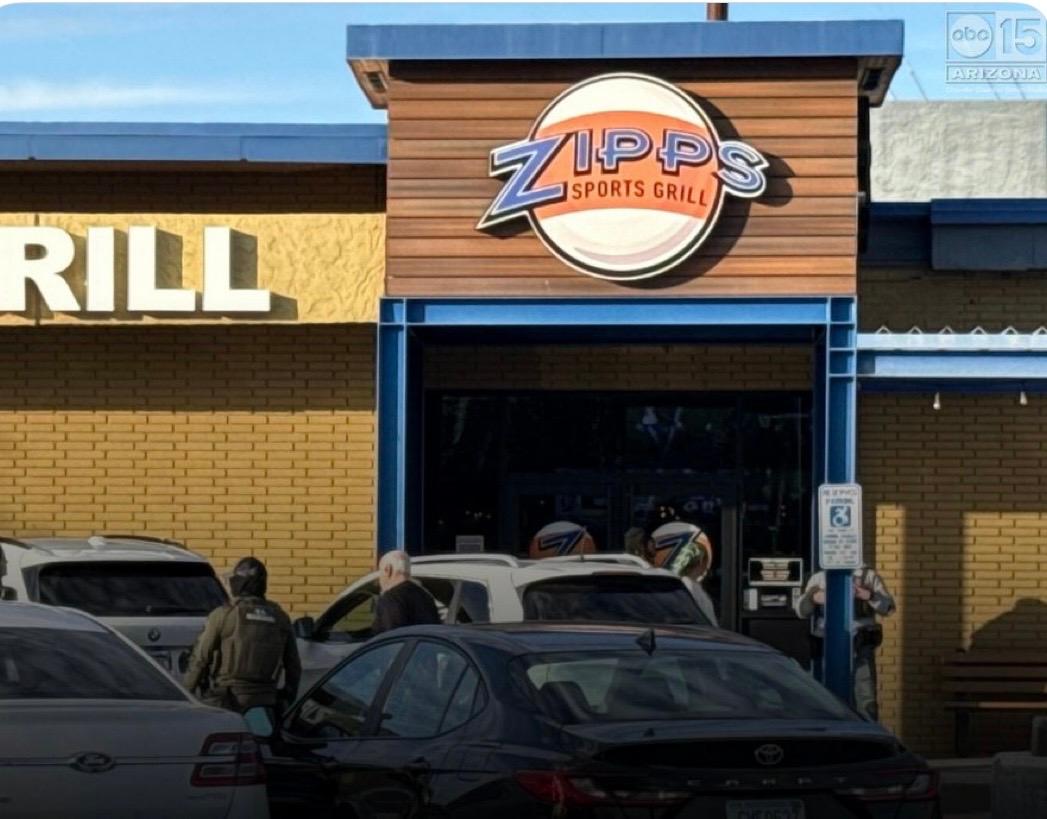
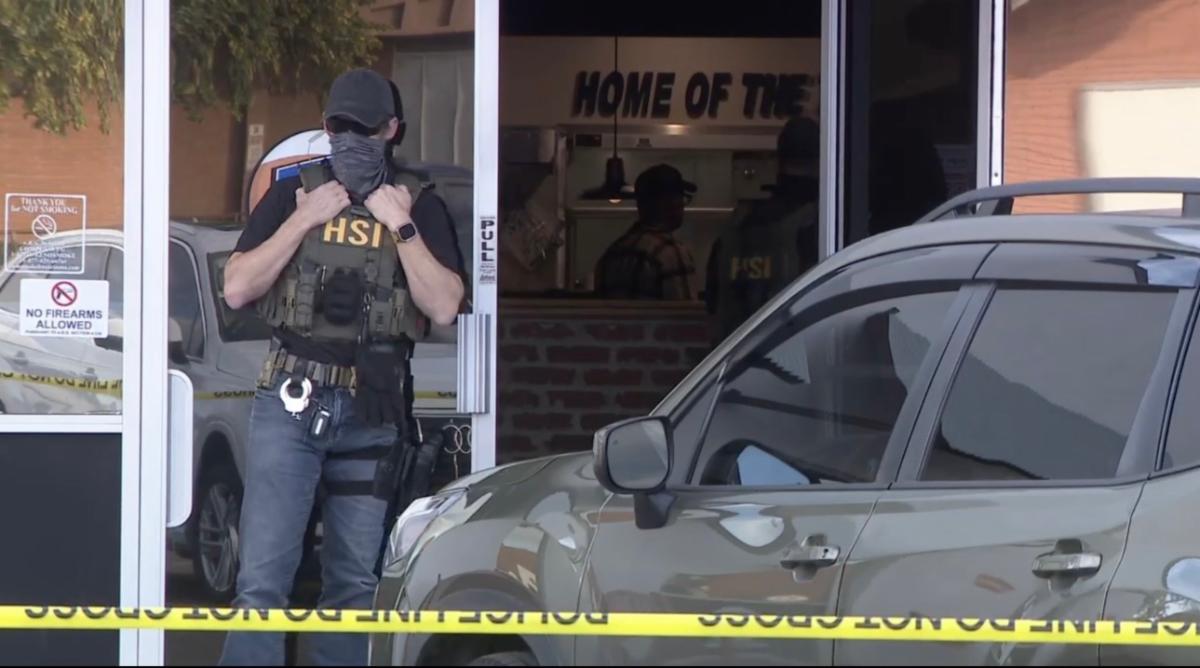
On Monday, January 26, 2026, federal immigration enforcement arrived in the Valley in a highly visible and coordinated operation. Agents with U.S. Immigration and Customs Enforcement (ICE), working alongside Homeland Security Investigations (HSI), executed 15 federal search warrants at Zipps Sports Grill locations across the Phoenix metropolitan area.


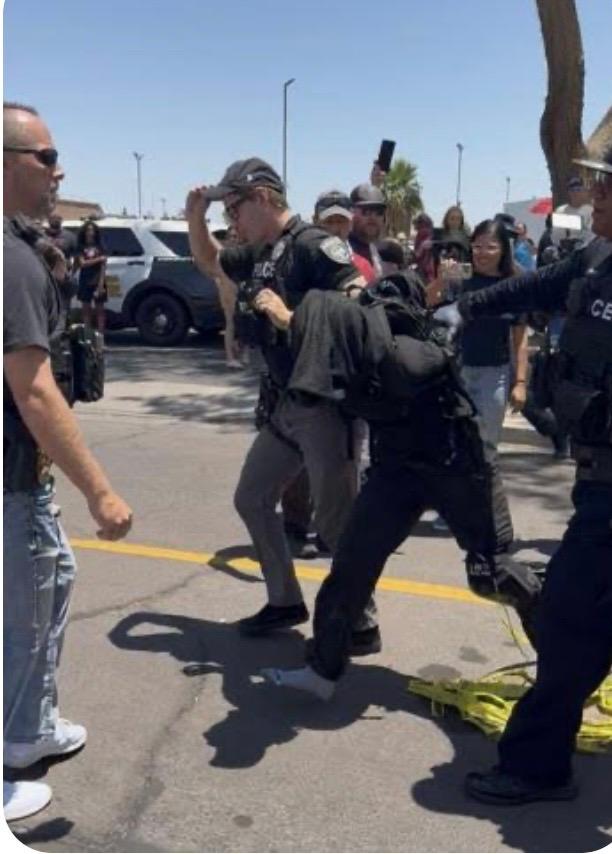
The operation followed a months-long federal criminal investigation and was authorized by a federal judge. While agents were carrying out their lawful duties, they were met at several locations by protesters who actively interfered with the execution of the warrants—leading to confrontations and, in at least one case, an injury that required medical transport.

What Happened

Federal agents served warrants at Zipps locations throughout Phoenix and Tempe. There were 36 people arrested and individuals were observed being detained, some with their hands zip-tied.


  • Park Central (Central Avenue, Phoenix): Employees reported agents questioned staff and removed boxes of documents. No arrests were reported at this location.
  • Tempe: News crews observed several employees detained.
  • South Tempe (near Warner Road & McClintock Drive): Witnesses reported at least one injured individual, believed to be an employee, who was transported by ambulance.


One particularly troubling detail emerged from witness accounts: at least one location reportedly received a phone call 20 to 30 minutes before ICE arrived, giving staff time to prepare for the raid. It is not yet known how advance knowledge of the operation was obtained or who made the call—an issue that may itself become part of the investigation.


The Investigation

While formal charges have not yet been announced, information from the scene and preliminary reporting indicate the investigation involves serious felony violations of federal law, potentially including:


Labor & Immigration Felonies

  • Harboring unauthorized workers
  • Conspiracy to hire unauthorized aliens, often involving falsified I-9 forms
  • Labor exploitation and possible human smuggling, including coercive working conditions


Financial & Tax Crimes

  • Payroll tax evasion and paying workers “under the table”
  • Money laundering through legitimate business operations
  • Aggravated identity theft, including misuse of Social Security numbers
  • Fraud, potentially involving federal programs or relief funds


HSI investigations are known for their complexity and multi-agency coordination, which helps explain the scale and precision of last Monday's enforcement action.

Protests and Interference

What remains puzzling—and frankly alarming—is the shock expressed by some protesters when injuries occurred while they were physically interfering with federal agents executing judicially approved warrants. Please allow the agents to do their job.


These were not random sweeps. They were targeted actions based on evidence, reviewed and authorized by a federal judge. Interfering with search warrants or arrests is dangerous—not only for law enforcement, but for employees, bystanders, and protesters themselves.


Search warrants are not suggestions. They are legal orders backed by evidence, the courts, and federal authority. Protests that cross the line into obstruction escalate risk—and, as seen in Tempe, can end with someone in an ambulance.


It was concerning watching the video of protesters standing on a sidewals holding signs being sprayed with mace as ICE drove by in a vehicle. I believe this action is being investigated.


As more details are released, the full scope ofthe investigation will become clearer.

Getting Your Message Out There 📣


Are you hosting a Republican event, training, or volunteer opportunity in Maricopa County? I’m happy to help spread the word! If you’d like me to post a flyer for your event, please share it with me and I’ll get it up on the Facebook page Maricopa County Republican Events, Training, and Volunteer Opportunities.


My goal is simple: create one reliable place where Maricopa County Republicans can quickly find events, trainings, and ways to get involved. To make that happen, I need your help—please like and share the page with your Republican friends and networks.


Let’s build a stronger, more connected grassroots community together. 🇺🇸

Maricopa County Supervisors Clash With Recorder During 2027 Budget Special Meeting


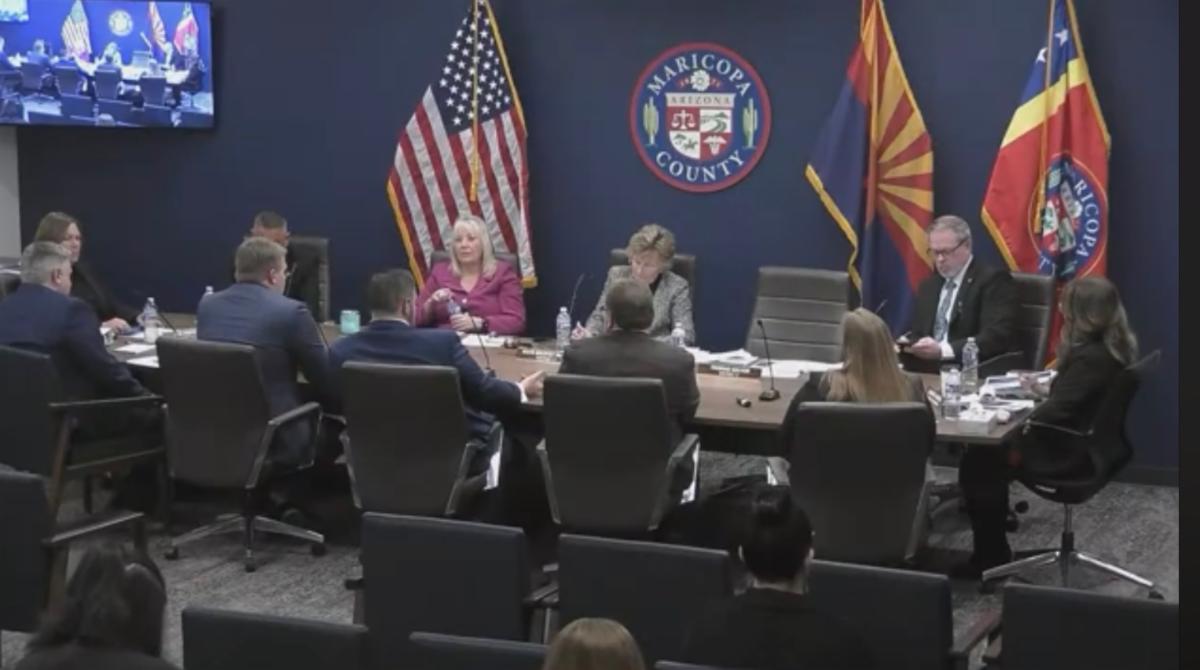
On Wednesday, January 28, the Maricopa County Board of Supervisors held a Special Meeting to hear 2027 Above Baseline budget requests from several county departments. Departments presenting included County Treasurer John Allen, County Attorney Rachel Mitchell, County Manager Jen Pokorski, and County Recorder Justin Heap.


Board Chairwoman Kate Brophy McGee opened the meeting by noting, “Everyone has important asks.” The Board had provided clear guidance to all presenters: develop a sustainable budget that advances the County’s mission and strategic goals, direct Human Resources to develop targeted compensation strategies, ensure presentations are made publicly, and evaluate any increases for their impact on the County’s expenditure limitations.


Most departments delivered presentations that were brief, focused, and detailed. That was not the case with the Recorder’s Office.


A Contentious Presentation

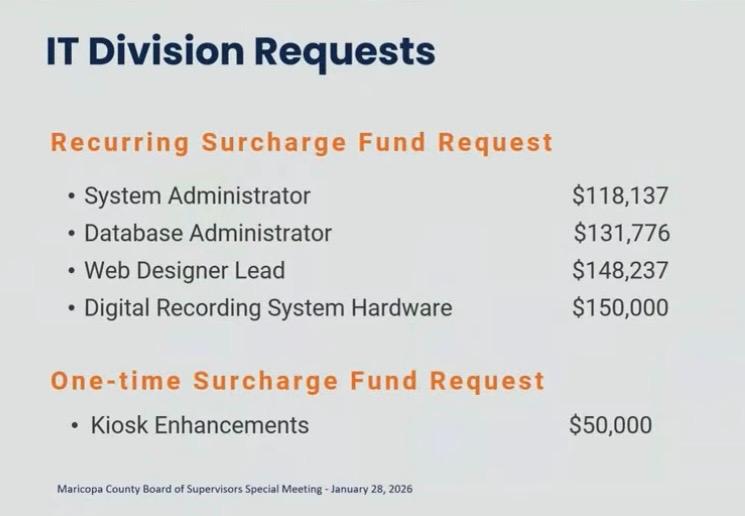
The presentation by Recorder Justin Heap quickly became lengthy and contentious, with visible friction between the Board and the Recorder’s Office. Heap requested the creation of at least 11 new positions, a notable expansion for a department. Note that the Recorder's office generates revenue for both its office and the County’s General Fund. Heap stated that recordations are up 20%, increasing revenues in his department.


The requested positions included:


  • 4 IT positions to upgrade and maintain a system that is more than 20 years old
  • 2 recordation staff
  • 1 grant manager
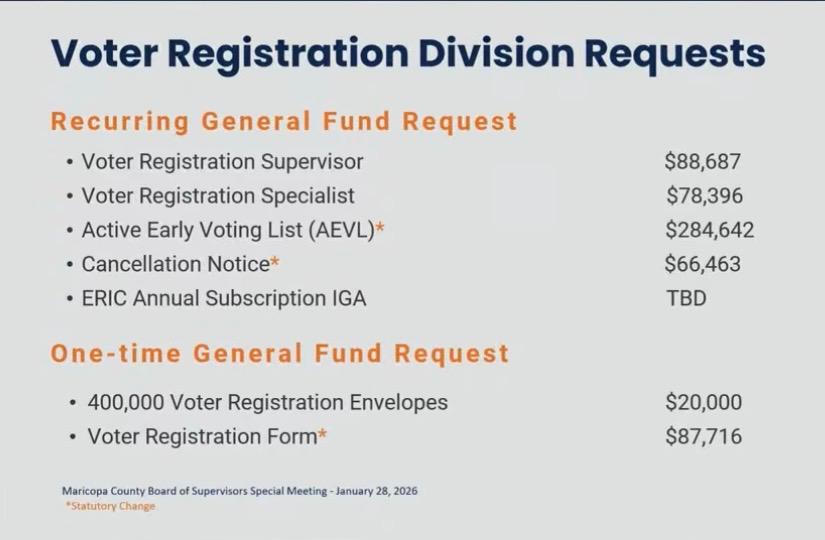
  • 2 voter registration staff
  • 2 signature verification staff
  • 1 constituent services position


Heap attended the meeting with several staff members, including Sam Stone, Jeff Mason, and Richard Green. All Supervisors were present, with Thomas Galvin participating by phone.

Lawsuit Looms Over Budget Discussion

Throughout the presentation, discussion repeatedly veered off track due to ongoing tension surrounding the lawsuit between Heap and the Board of Supervisors over the shared services agreement. The legal dispute was referenced multiple times, and at several points the exchange resembled a territorial battle, with each side asserting its authority.


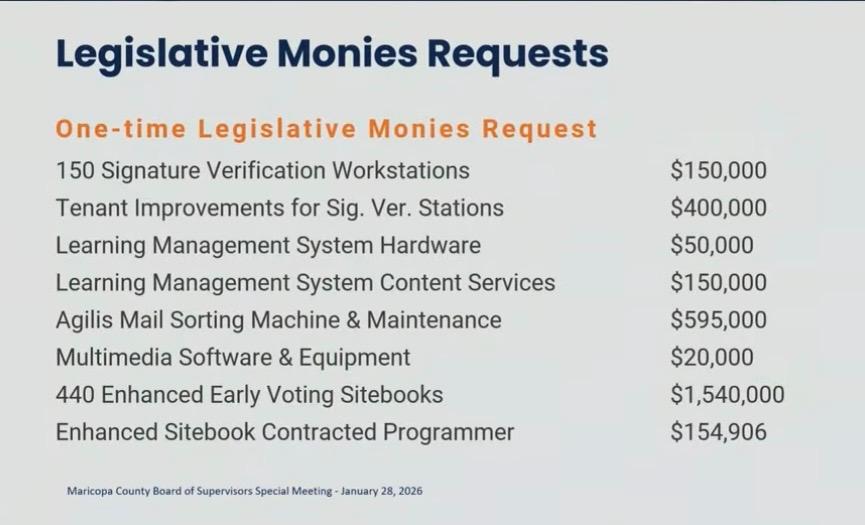
One particularly sensitive issue involved a repeat request for a $595,000 Agilis Mail Sorting Machine from Runbeck Election Services, including a five-year service agreement. Heap described the machine as a significant time-saving tool for his office.


This request was a hot-button issue for the Board because, during a court hearing two days earlier, Heap’s attorney suggested that voters had been disenfranchised due to the Board’s denial of the machine last year. Chairwoman Brophy McGee directly asked Heap whether voters had, in fact, been disenfranchised.


Heap responded plainly: “No.”


He clarified that while voters were not disenfranchised, they could have been, and emphasized that his office had not disenfranchised voters. However, he stated he could not speak for the prior administration under Stephen Richer. Heap reiterated that the machine would help staff meet required election timelines.


Signature Verification and Voter Confidence

The discussion returned to voter disenfranchisement during the segment on signature verification. Heap acknowledged that nearly 6,000 ballots were not counted in the last election due to the new signature verification process. While the rejection rate was higher than in previous elections, Heap noted it was still below the national average.


Several Supervisors urged Heap to proactively contact those voters before the next election to resolve signature issues and prevent a repeat scenario. Heap agreed to look into the legal feasibility of doing so.


Legislative Funding for the Recorder's Office

The Arizona Legislature partially funded the County Recorder’s Office with $4 million, helping offset a portion of the department’s budget needs. Chairwoman Kate Brophy McGee thanked Recorder Justin Heap for his efforts in securing that funding. Heap then provided the Board with a detailed breakdown of how the legislative funds would be allocated, noting that the money is specifically targeted toward election-related expenses, including operational and administrative costs tied to conducting elections.

Sharp Rebuke From Supervisor Gallardo

Near the end of the meeting, lone Democrat Steve Gallardo, delivered a pointed and emotional statement. Gallardo reminded Heap that he is one vote on the Board and questioned how Heap could expect his support while members of the Recorder’s leadership team were posting derogatory and partisan statements about Democrats on social media during business hours.


Gallardo stressed that the Recorder’s Office must be nonpartisan, adding that many Democrats lack confidence in the office due to perceived partisanship. His remarks reflected long-simmering frustration and were among the most direct criticisms of the meeting.


Chairwoman Brophy McGee expressed concerns as well, noting that Heap has traveled throughout Maricopa County spreading misinformation about the Board of Supervisors, and agreed that the Recorder’s Office should remain nonpartisan.


A Weak Showing, According to the Board

Supervisor Galvin concluded by calling the presentation weak and stated he would be submitting a list of questions in writing.


The meeting made one thing clear: the divide between the Maricopa County Board of Supervisors and the Recorder’s Office remains deep, and budget discussions—especially those tied to elections—are unlikely to cool anytime soon.


In Closing

As the meeting concluded, the contrast in leadership styles was evident. I appreciated the professionalism of Debbie Lesko and Mark Stewart, who consistently worked to keep the discussion grounded and focused on the task at hand—evaluating budget requests responsibly and within the Board’s established guidelines. In a meeting marked by tension and distraction, their steady approach underscored the importance of fiscal discipline, clear process, and respectful governance, especially when public trust and election integrity are central to the conversation.

Leaders Call for Urgent Action on US 60–Loop 303 Corridor


On January 12, Mayor Kevin Sartor and Councilman Nick Haney of Surprise sent a formal letter to the Arizona Legislature, urging immediate action to address worsening transportation conditions along the US 60, Loop 303, SR 74, and 163rd Avenue corridor.


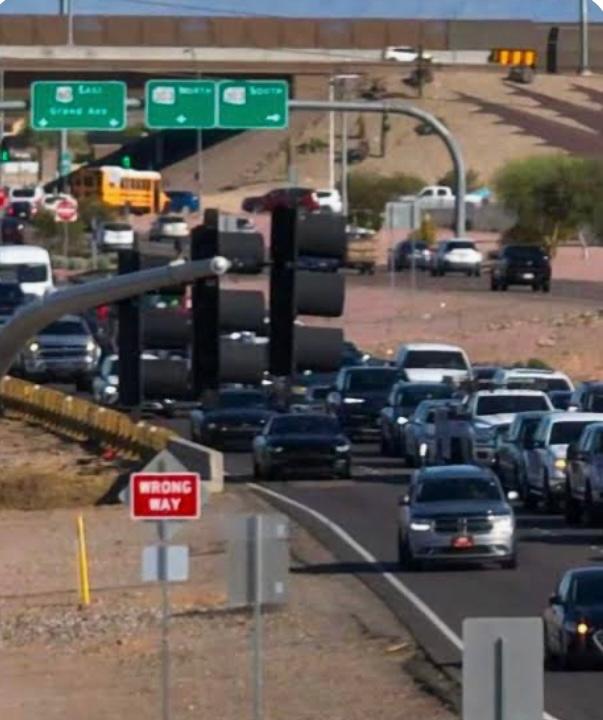
Their letter cites the Maricopa Association of Governments (MAG) US 60 Corridor Study, which clearly shows that population growth in the West Valley has far outpaced existing transportation infrastructure. Traffic volumes in this area have surged, congestion has intensified, and safety risks have increased—creating daily challenges for commuters, families, school transportation, freight movement, and emergency responders.

This corridor is a critical artery for the West Valley, yet it is increasingly overburdened. Gridlock at peak hours, long delays, and frequent accidents are becoming the norm rather than the exception. These conditions don’t just affect travel time—they impact household budgets as well. As accident rates rise, insurance premiums increase for drivers across the West Valley, meaning families are paying more simply because the infrastructure has not kept pace with growth.

Mayor Sartor and Councilman Haney made it clear: incremental fixes are no longer enough. Without decisive state and federal investment, conditions will continue to deteriorate, putting public safety and quality of life at risk.


Now is the time for action. West Valley residents are encouraged to reach out to their state legislators and urge them to prioritize funding and accelerated improvements for the US 60–Loop 303–SR 74 corridor. Smart, timely infrastructure investment is essential to protect drivers, control rising costs, and ensure the region can grow responsibly.


The message from Surprise is simple and urgent: the data is clear, the impacts are real, and delay is no longer an option.

Bylaw Ballots Counted: PCs Once Again Reject Top-Down Control


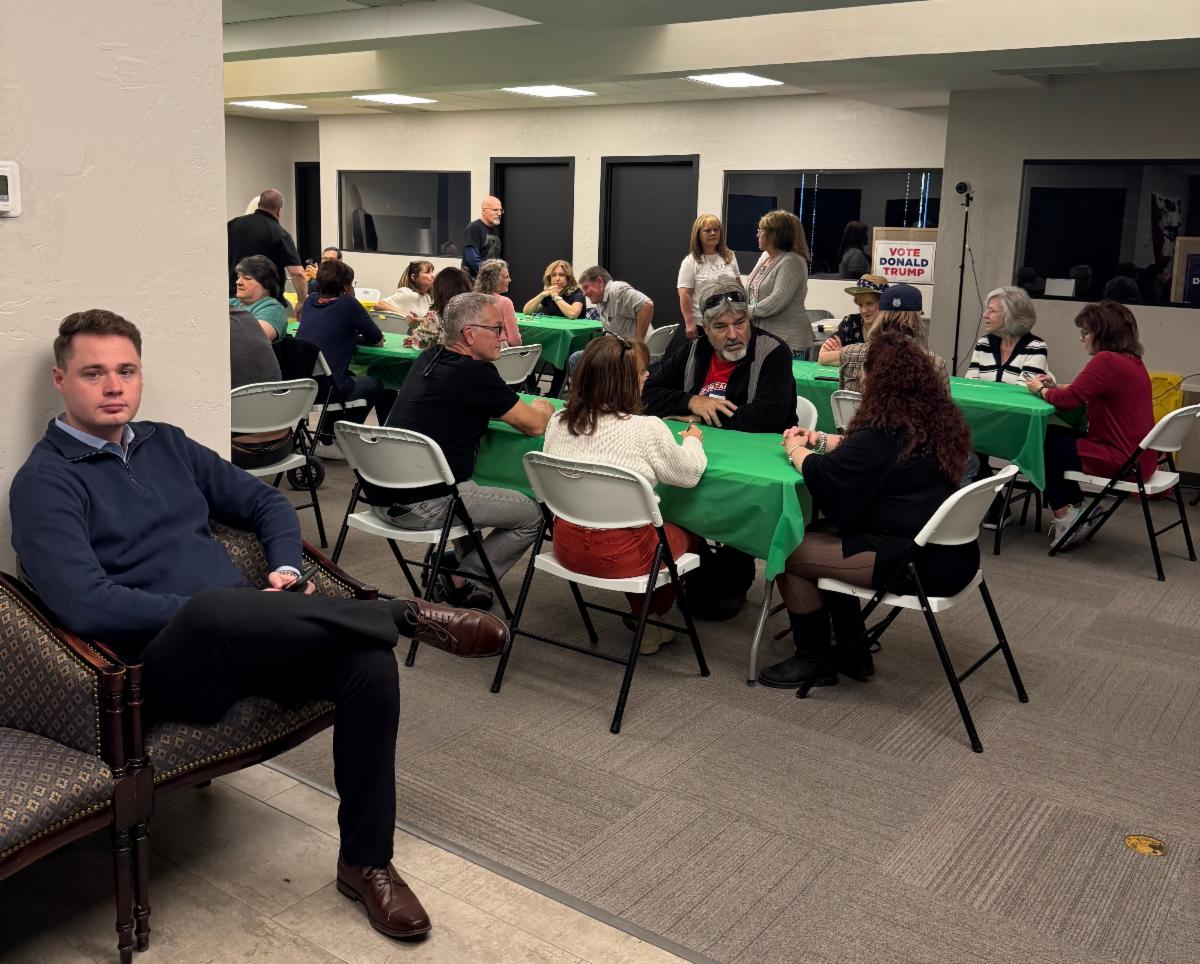
On January 31st, volunteers arrived at the Arizona Republican Party (AZGOP) offices in Scottsdale to count the ballots from the bylaw vote taken at the Annual Meeting on January 24th. I attended as an observer for the process.


Ballot counting began promptly at 2:00 p.m. and wrapped up around 4:15 p.m. Once counting concluded, the aggregation process began. This portion took additional time because each bylaw amendment required a two-thirds supermajority to pass—not a simple majority.


Shelby Busch and her tally team were prepared and professional, with twelve tally teams in total participating in the process. Leadership was present to supervise, and observers were allowed throughout. For transparency and security, the entire process was video recorded.


Just before counting began, newly elected AZGOP Chair Sergio Arellano arrived and was met with a round of applause from those in attendance.


It was after 7:00 p.m. when the final results were released: every bylaw amendment failed. A total of 1,428 ballots were cast. Under the bylaws, adoption required a two-thirds majority (952 votes) of all ballots cast. Many had predicted this outcome. Precinct Committeemen (PCs) and State Committeemen have repeatedly rejected these same or similar proposals in past years. The consistent concern is that the amendments would concentrate power at the top, weakening the role and authority of PCs. At the January 24th meeting, I personally heard numerous State Committeemen state they were voting “no” across the board.


Frustration was evident. Many felt these changes would strip them of their voice and their vote. At a time when the Republican Party in Arizona—like much of the country—is fractured, PCs remain united in resisting top-down leadership structures.


I remain prayerful that our party can come together, but I am not optimistic that unity will come quickly. The ongoing purity tests within our party are driving good people away and, ultimately, putting Democrats into office.


We must return to the philosophy of Ronald Reagan—that the Republican Party is a big tent, capable of welcoming differing views while still promoting shared principles and unity. And we must once again honor the 11th Commandment of Republican politics: Thou shalt not speak ill of another Republican.


If we fail to do so, we risk continuing down a path that weakens us from within—at a time when unity matters more than ever.


The results are:

(The undervotes tell the story.)


2026 Proposed Bylaw Voting Results -


1 - Title: Proxies at State Meetings | 459 For / 958 Against – Fail (11 undervotes)


2 - Title: Dedicated Building Fund Account | 829 For / 587 Against – Fail (12 undervotes)


3 - Title: Officers Shall Refrain from Endorsements | 660 For / 755 Against – Fail (13 undervotes)


4 - Title: LLC Creation or Status Changes to Existing LLC | 891 For / 508 Against – Fail (29 undervotes)


5 - Title: Hand Count Required Before Write-In Candidate Vote Is Certified | 732 For / 677 Against – Fail (19 undervotes)


6 - Title: Chairman’s Compensation for Fundraising | 683 For / 732 Against – Fail (13 undervotes)


7 - Title: Qualifications to be Elected as Executive Committee Officer | 719 For / 694 Against – Fail (15 undervotes)


8 - Title: Contractual Obligations Beyond Chair Elected Term | 884 For / 530 Against – Fail (14 undervotes)


9 - Title: Additional Duties of National Committeeman & Committeewoman | 640 For / 720 Against – Fail (18 undervotes)


10 - Title: Mandatory Resignation of Republican Party of Arizona Elective Officers, MALs and National Committeeman/Committeewoman | 519 For / 892 Against – Fail (17 undervotes)


11 - Title: Proxies at State Meetings | 458 For / 930 Against – Fail (40 undervotes)


12 - Title: Officers Shall Refrain from Endorsements | 331 For / 1,050 Against – Fail (47 undervotes)


13 - Title: Manner of Voting | 571 For / 798 Against – Fail (59 undervotes)


14 - Title: LLLC Creation or Status Changes to Existing LLC | 463 For / 895 Against – Fail (70 undervotes)


15 - Title: Hand Count Required Before Write-In Candidate Vote Is Certified | 656 For / 716 Against – Fail (56 undervotes)


16 - Title: State Committeeman Elections | 626 For / 746 Against – Fail (56 undervotes)


17 - Title: Elected State Committeeman/Officer – Minimum 2 Years as SC Or PC | 359 For / 1,007 Against – Fail (62 undervotes)


18 - Title: Contractual Obligations Beyond Chair Elected Term | 506 For / 861 Against – Fail (61 undervotes)


19 - Title: Additional Duties of National Committeeman & Committeewoman | 322 For / 1,047 Against – Fail (59 undervotes)


20 - Title: Mandatory Resignation of Republican Party of Arizona Statutory or Non-Statutory Elective Officers | 446 For / 917 Against – Fail (65 undervotes)


Did You Sign a 2026 Candidate Petition Too Soon? There Is a Remedy


Election season moves fast—especially in 2026, with new candidates entering races every week. Many voters sign the first petition they see, only to later realize:


  • A stronger candidate entered the race
  • A candidate they truly support announced later
  • They misunderstood which office the petition was for


If that sounds familiar, here’s the good news 👉 you are not stuck.


Yes, You Can Remove Your Signature

Arizona law allows voters to withdraw their signature from a candidate’s nomination petition before the filing deadline. This gives you the freedom to support the candidate you actually want on the ballot.


Your signature matters—and it should go to the candidate you believe in most.


Why This Matters

  • You may only have one valid petition signature per race
  • If two candidates submit your signature, both can be impacted
  • Removing a signature protects election integrity and voter choice


This process exists specifically so voters are not penalized for honest mistakes.


How to Fix It

The remedy is simple:


  1. Complete the signature withdrawal form
  2. Submit it according to the instructions provided
  3. Once processed, you are free to sign another candidate’s petition


👇 Just complete the form below to remove your signature from a previously signed petition and ensure your support goes where you intend.


Final Thought

Petition season is hectic. Candidates rush, voters are busy, and decisions evolve. Arizona law recognizes that—and gives voters a way to correct the record.


Your voice matters.


Make sure your signature reflects it.

Confirmed: ICE Facility in Surprise Will Be Used as a 1,500-Bed Detention Center — Key Questions Remain


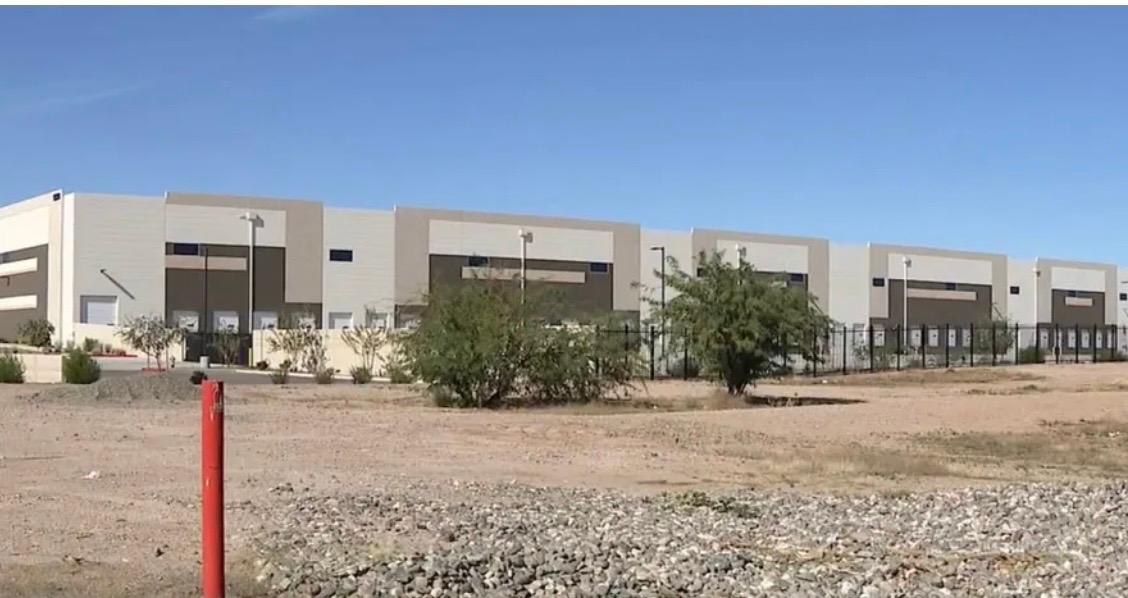
Recent reports and speculation surrounding the large warehouse purchase in Surprise can now be updated with confirmed information. It has been verified that the more than 400,000-square-foot facility near Sweetwater Avenue and Dysart Road purchased by U.S. Immigration and Customs Enforcement will be used as an immigration detention center with approximately 1,500 beds.


The property, acquired for roughly $70 million in cash from RG Surprise, LLC, was completed by the Rockefeller Group and previously known as the Surprise Pointe Commerce Center. While the purchase itself occurred late last year, Surprise city officials reportedly learned of the transaction through media coverage on January 29, highlighting the lack of early coordination with local governments. Federal land purchases and use do not have to comply with county and city zoning requirements so not communication was needed. But it would havebeen appreciated.


Moving Forward: Coordination, Not Chaos

In response to the confirmation, I—along with West Valley Indivisible leader Brent Peak—will be meeting jointly with the Surprise Police Department to coordinate how the community moves forward.


The goal of this meeting is twofold:


  • To ensure peaceful, lawful protests for those who oppose the facility
  • To discuss public safety coordination and community support now that the facility’s purpose is confirmed


Regardless of one’s position on federal immigration policy, maintaining public safety and open lines of communication is critical.


Key Concerns That Must Be Addressed

With confirmation comes responsibility—and several important questions that deserve clear answers:


Public Safety & Police Costs


How will this detention center impact the police budget for the City of Surprise and surrounding jurisdictions? Increased calls for service, transportation needs, and protest management all carry real costs.


Can those expenses be shifted back to the facility operator—whether that is Homeland Security Investigations directly or a private contractor such as CoreCivic—instead of being absorbed by local taxpayers?


Property Values


What effect will a 1,500-bed ICE detention center have on nearby residential property values? Homeowners deserve transparency and data, not reassurances without substance.


Traffic & Infrastructure


How will visitation days, staff shifts, and transport vehicles impact already busy traffic corridors in the area? This part of Surprise was not designed for detention-center traffic volumes, and mitigation plans must be clearly outlined.


What Next

The news that a large detention center is being placed in a quiet suburb like Surprise has understandably sparked strong emotions on all sides of the issue. What concerns me most is that the West Valley has long been a refuge for families seeking relief from the congestion and intensity of urban life in Phoenix and larger suburbs like Mesa, Chandler, and Scottsdale. Projects such as a detention center—and the proposed BNSF hub—force us to ask an uncomfortable but necessary question: if these communities are transformed into extensions of the urban core, where are families supposed to go to escape the urban jungle? This is precisely why thoughtful planning, community input, and accountability must guide every step forward.


Eyes on the Protests

I will be closely monitoring the protests surrounding U.S. Immigration and Customs Enforcement and the proposed new facility. I plan to attend any demonstrations strictly as an observer—my shirt will literally say Observer. My goal is to see firsthand how these protests are received by the public and to objectively assess how individuals on all sides conduct themselves when disagreements arise. I am hopeful that everyone’s First Amendment rights are fully respected and that any protests, whether in support of or opposition to the ICE facility, remain peaceful, lawful, and focused on civil expression rather than confrontation.


PLEASE SUPPORT OUR COUNTY SHERIFF

Monitor Meeting Updaate


The quarterly federal monitor meeting with the Maricopa County Sheriff’s Office has been canceled. At this time, no new date has been announced. If the meeting is rescheduled, I will share the updated information as soon as it becomes available.


Thank you for continuing to support our Sheriff and the men and women of the Maricopa County Sheriff’s Office. Your engagement and vigilance matter, and staying informed is one of the most important ways we hold systems accountable while standing behind those who serve our community.

Republicans Warn: ICE Tactics Are Undermining Border Enforcement—and Public Trust


For years, immigration has been one of the Republican Party’s strongest political issues. Voters consistently supported border security, enforcement of existing laws, and deportations of those in the country illegally. But recent events—and shifting public opinion—suggest that advantage is eroding, not because voters oppose enforcement, but because they are increasingly alarmed by how it is being carried out.


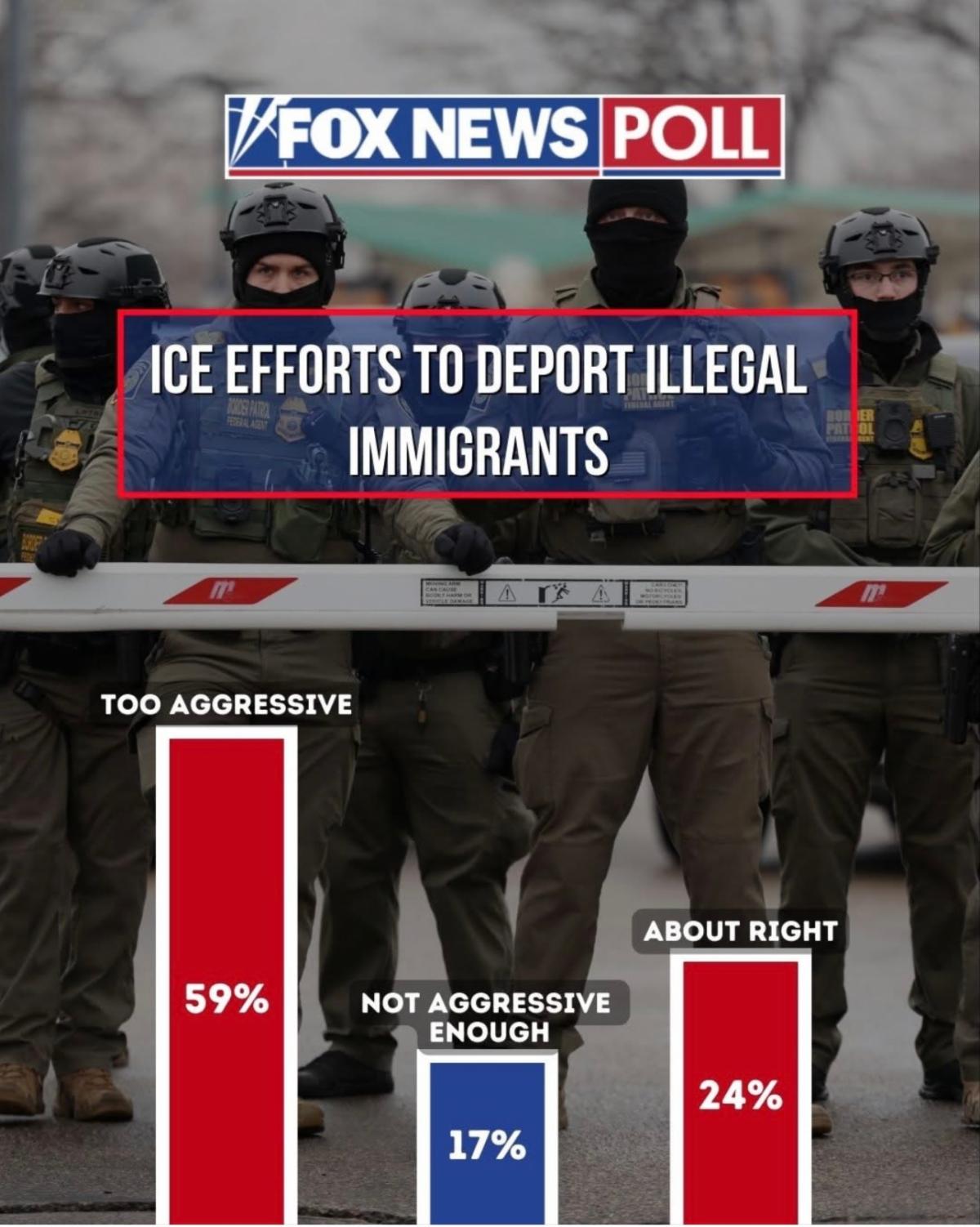
A new FOX News poll shows a notable shift: 59% of voters now say Immigration and Customs Enforcement (ICE) is too aggressive, an increase of 10 points since July. Importantly, the concern is not limited to Democrats. The perception that ICE has become too aggressive has risen sharply among independents (+22 points), moderates (+19), Whites without a college degree (+14), Republican women (+14), and even Trump voters (+9).


When respondents were asked what specifically troubles them, the answer was clear: tactics, not targets.


  • 44% cited “using too much force”
  • 23% said ICE is “targeting the wrong people”
  • 29% said both


That distinction—supporting ICE while rejecting certain tactics—has become the central theme emerging from Republican leaders themselves.


Gina Swoboda: “We Voted for Deportations—Not This”

Former Arizona Republican Party Chair Gina Swoboda, now running for Congress in Arizona’s 1st Congressional District, publicly voiced what many Republicans are saying privately.


Speaking to KTAR News, Swoboda warned that President Donald Trump has “politically lost the argument” on immigration enforcement if current tactics continue. Her concern followed the fatal shooting of 37-year-old Alex Pretti by federal agents in Minneapolis—just weeks after another fatal ICE-related shooting of Renee Good in the same area.


“We can’t have American citizens being killed,” Swoboda said. “Law enforcement is in danger. The public is in danger. This can’t happen this way.”


Swoboda emphasized that voters overwhelmingly supported deportations—but not warrantless raids, escalating confrontations, or tactics that risk innocent lives.


“Public polling shows we love ICE, we support ICE—but not the actions,” she said. “It’s the difference between the officer and the tactics.”


A Quiet Shift Inside the GOP

Behind the scenes, concern is growing across the Republican conference. Lawmakers worry that continued protests—and more bloodshed—could spiral into further violence, while also squandering what had been a winning issue at a time when voters are already frustrated with inflation and cost-of-living pressures.


Several Republicans have signaled it is time to turn down the temperature:


  • Oklahoma Governor Kevin Stitt blamed “bad advice” surrounding the president.
  • Senator Thom Tillis warned that rushing to judgment without investigations damages both public trust and President Trump’s legacy.
  • Representative James Comer publicly questioned whether ICE should temporarily pull back from Minneapolis to prevent further loss of innocent life.
  • Senator David McCormick called for a full investigation while stressing that enforcement must maintain public trust.
  • Senator Bill Cassidy bluntly stated that “the credibility of ICE and DHS are at stake.”
  • House Homeland Security Chair Andrew Garbarino formally requested ICE officials testify before Congress.


These statements may be carefully worded, but the message is unmistakable: unchecked tactics are becoming a liability—morally, legally, and politically.


Resetting the Approach

In response to mounting criticism, President Trump announced he was sending border czar Tom Homan to Minnesota, placing him directly in charge and restructuring the chain of command—moves widely interpreted as an effort to de-escalate and reset. Swoboda praised the decision, noting that returning to judge-signed warrants instead of administrative ones could help restore respect for constitutional protections.


“If this doesn’t work,” she warned, “then the experiment and this tactic has failed—and we have lost lives.”


The Bottom Line

Republicans are not abandoning border enforcement. They are defending it by demanding it be done lawfully, responsibly, and without unnecessary escalation. The growing chorus from within the party makes one thing clear: support for ICE does not mean blind support for every tactic.

If immigration remains a “home game” for Republicans, it will only stay that way if enforcement protects both public safety and public trust.

Patriot Happy Hour Recap


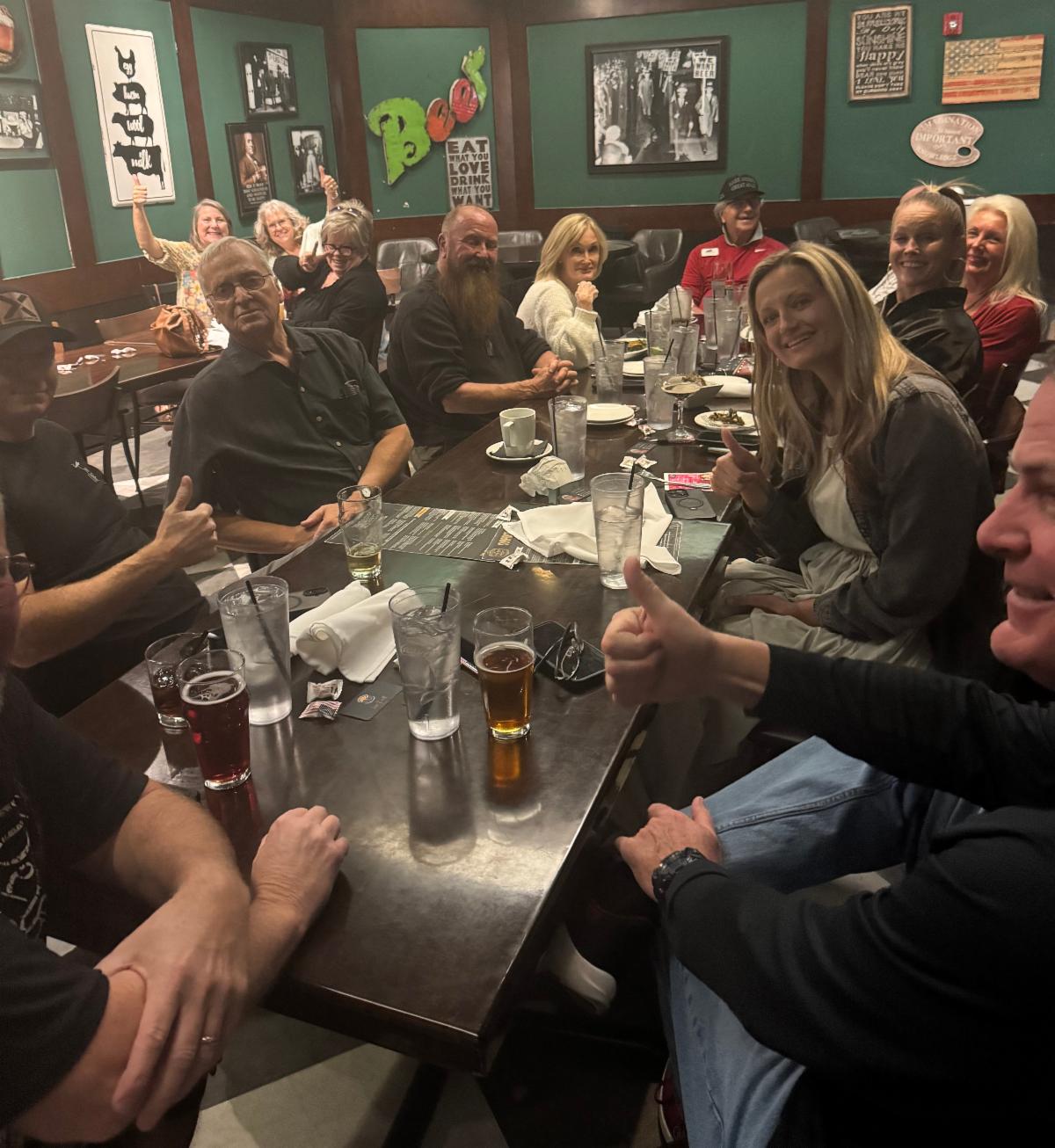
We had another fantastic Patriot Happy Hour on January 28th! It was great to catch up with familiar faces and welcome some new friends to the table. A few folks couldn’t make it due to the flu—get well soon, we missed you!


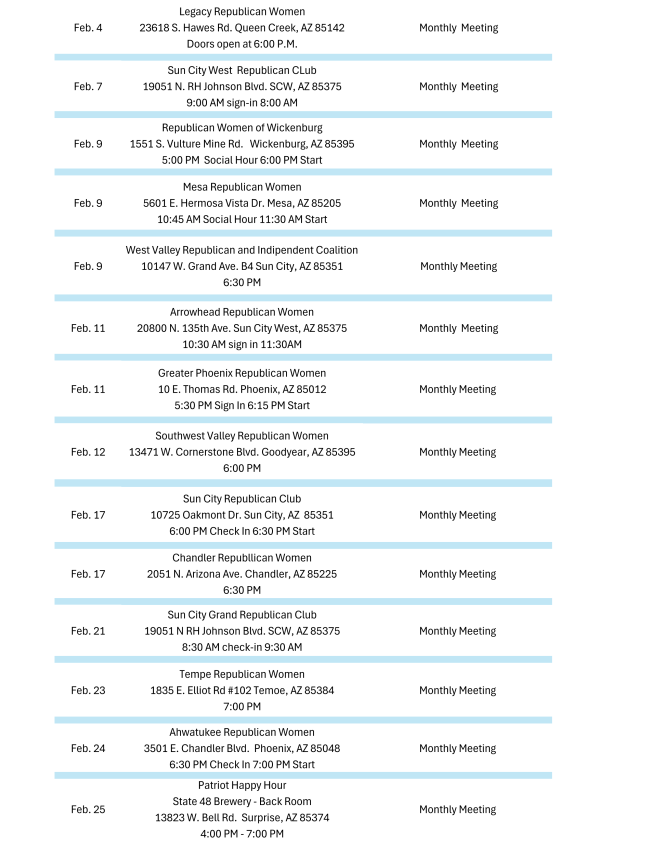
We’re already looking forward to the next Patriot Happy Hour on February 25th. Be sure to mark your calendar—we hope to see you there! 🇺🇸🍻

IF YOU WOULD LIKE YOUR CLUB LISTED PLEASE CONTACT ME

Thank you,

Lisa Everett


www.patriotnheels.com


Follow me on:

X - @patriotnheels

Facebook - @patriotnheels

Instagram - @patriotnheels