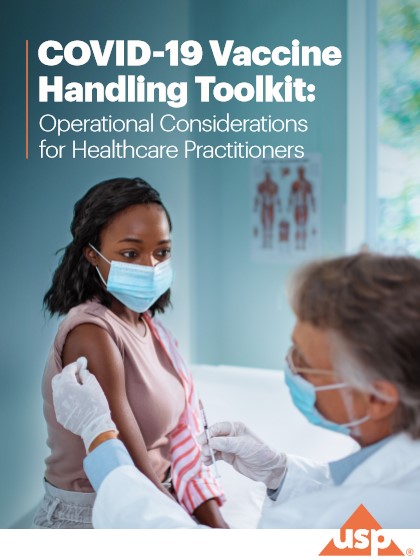
This winter continues to bring all of us new challenges. Just when Groundhog Day came around, our country was faced with more unexpected disasters. From Texas’ power crisis to the ongoing challenges of administering the COVID-19 vaccination. We might not always be able to prevent them from happening, but we can do a better job at planning. Failure to plan is planning to fail.
In this issue, we want to focus on emergency and business continuity planning.
What is an emergency? An emergency is any natural disaster, terrorist attack, and other events that disrupt the distribution of medications to patients.
What should emergency planning include? An emergency plan specifies procedures for handling sudden or unexpected situations. An emergency plan shall include a plan for the distribution of medications during an emergency, address the facilities, services, and products, and identify the effect that an emergency would have on an organization's program.
To develop an effective emergency plan, we outlined the following steps:
1. Know your risk and vulnerability. Understand the key systems, infrastructure, and processes that may and can be impacted. Know which systems and processes must be maintained, and the effect their disruption would have on your organization’s ability to distribute medications to patients. Conducting periodic system and operations risk assessment is a best practice. The system assessment shall identify key areas, systems, infrastructure, and processes that can be affected by disasters.
2. Prevent and Prepare. Developing a comprehensive emergency and business continuity plan is key to prevent disruption in medication distribution. The plan shall include a definition of emergency, medication inventory, alternative electric power source, equipment and appliances to be powered, server location, alternative site(s) of operations and dispensing, remote electronic record access, and others. The plan shall address the organization’s facilities, services, and products. Be sure to include communication methods and processes for internal staff, referrals, and patients. The bottom line is that your organization shall have a plan in place to address how to distribute medications in the event of an emergency. Don’t wait till an emergency strikes. “The time to repair the roof is when the sun is shining.” – John F. Kennedy
3. Learn and Improve. Unfortunately, we have had plenty of emergency situations in the last year to test our emergency preparedness. How did you do? Were you prepared for short-term disasters and long-term emergencies? What lessons did your organization learn? Aside from the emergencies, we experienced recently, conducting annual drills simulating emergency situations is a helpful tool to test your emergency and business continuity plan. Conduct the drill, observe, and analyze the test results, identify areas for improvement, revise the emergency and business continuity plan, and train the staff on the updated procedures. Follow the same process after an actual emergency.
It’s time to review your emergency and business continuity plan if you have not done so in the last 12 months or develop one if you do not have it in place. If you need any guidance, please contact us. We can help you in developing, testing, and maintaining the plan. "It is easier to act your way into a new way of thinking than to think your way into a new way of acting." – Jerry Sternin
On the bright side, 1.7 million Americans are being vaccinated each day, a whole new supply chain coming with the impending Johnson & Johnson vaccine, and the daily declining number of new COVID-19 cases, we are turning the corner.
Hang in there, spring is coming…
Warm wishes,
Mei