|
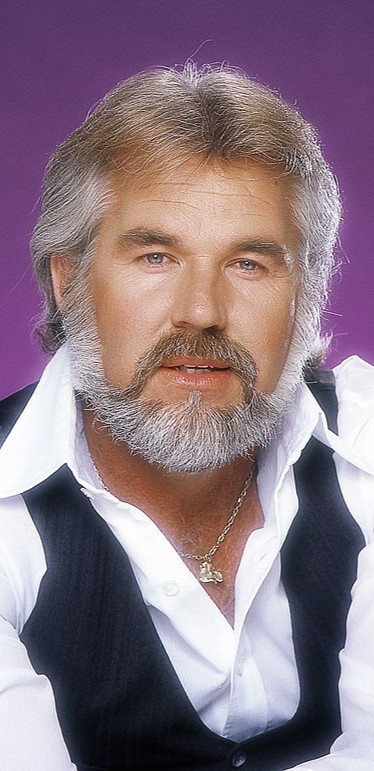
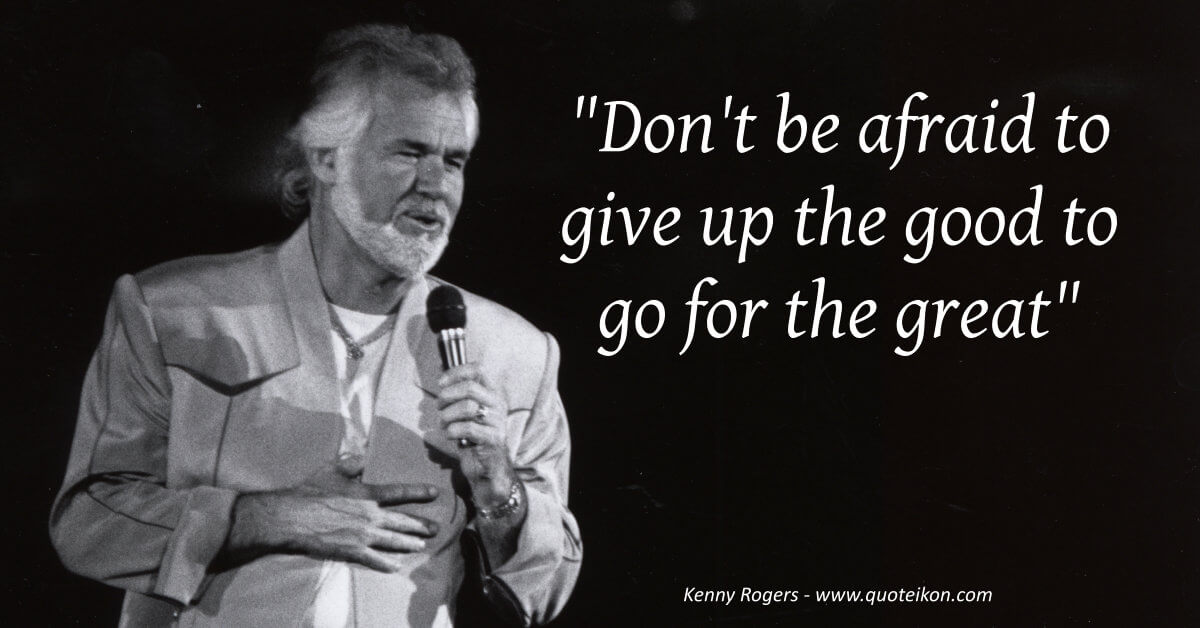
Son, I've made a life out of reading people's faces.
Knowing what their cards were by the way they held their eyes.
If you're gonna play the game, boy
You gotta learn to play it right
| |
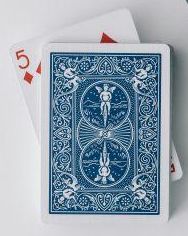
You got to know when to hold 'em
Know when to fold 'em
Know when to walk away
And know when to run
You never count your money
When you're sittin' at the table
There'll be time enough for countin'
When the dealing's done
Every gambler knows
That the secret to surviving
Is knowing what to throw away
Knowing what to keep
'Cause every hand's a winner
And every hand's a loser
-The Gambler by Kenny Rogers
| | Leading Off: We Are All Gamblers | | |
The famous song "The Gambler" was written by Don Schlitz in 1976 when he was 23 years old. He wrote most of the lyrics in his head walking back to his apartment in Nashville. It was the first song of his ever recorded by an artist. Kenny Rogers released his hit version in November 1978.
Everything we do is a gamble, isn't it? We are never 100% certain about anything except, as the expression goes, 'life, death, and taxes.'
The song has always fascinated me and when it came out I was a teenager looking for wisdom, and I think it had a hidden impact on me.
| | You Got to Know When to Hold 'Em | | |
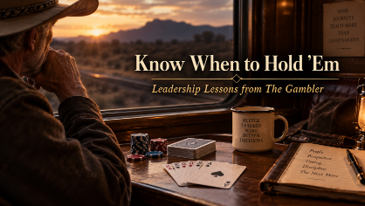
I have never considered Kenny Rogers one of the great management theorists. Peter Drucker? Sure. Stephen Covey? Absolutely. Kenny Rogers? Probably not the first person who comes to mind. But perhaps he should.
In 1978, Rogers released The Gambler, a song about a chance encounter between two men on a train. Somewhere along the way, the gambler offers a little advice that has probably been quoted in more business meetings than Kenny Rogers ever imagined:
“You got to know when to hold ’em, know when to fold ’em, when to walk away and when to run.”
| |
That may be pretty good advice for a poker player. It may be even better advice for a leader. Because leadership isn't simply knowing when to persevere.
- Sometimes you hold on.
- Sometimes you change course.
- Sometimes you walk away.
- And occasionally you realize the situation is so wrong that walking isn't nearly fast enough.
The hard part is knowing which is which.
|
HOLD ’EM
We become attached to things like people, projects, ideas, and strategies. Sometimes we become attached even to meetings that should have ended 45 minutes ago.
We convince ourselves that because we have already invested time, money, energy, and emotion into something, we have to keep investing more. I have certainly done it. There have been times during my career when I knew something wasn't working, but rather than question the idea, I worked harder at it.
- I added another meeting.
- Created another spreadsheet.
- Changed the organizational chart.
- Explained the idea one more time.
Sometimes perseverance is admirable.
Sometimes it is just stubbornness wearing a business suit.
And knowing the difference is leadership. There are also times when quitting would be the easier choice.
- The results haven't appeared yet.
- People are questioning the direction.
- The first attempt didn't work.
- Someone says, “Maybe we should rethink the whole thing.”
Sometimes we should. But sometimes the right answer is to stay at the table. Many of the best things that have happened in my life did not happen quickly. They required patience, persistence, adjustment, and occasionally ignoring the little voice saying, “This would be a whole lot easier if you just stopped.” That's where Stay with It matters.
Persistence doesn't mean blindly repeating the same action forever. It means believing enough in the destination to keep searching for a better route. Hold on to the goal. You may need to change the plan.
|
EVERY HAND CAN WIN—OR LOSE
Another line in the song has always intrigued me: “Every hand is a winner and every hand is a loser.” At first, that sounds contradictory. How can the same hand be both?
But leadership works that way too. Give two managers the same circumstances, the same budget, the same people, and the same problem, and they may produce two completely different results.
- One sees limitations. The other sees possibilities.
- One complains about the hand they were dealt. The other starts figuring out how to play it.
- The cards matter. But what you do with them matters more.
I've known people who were handed tremendous opportunities and wasted them.
I've also known people who were handed circumstances nobody would choose and somehow created something remarkable from them.
Maybe there are fewer inherently “good hands” and “bad hands” in life than we think.
Sometimes the difference is how we play them.
|
READ THE FACES
Then Kenny's gambler says something that sounds remarkably close to what I call Observational Leadership: “Son, I've made a life out of reading people's faces, knowing what their cards were by the way they held their eyes.”
There it is. Observe. Long before anyone called it emotional intelligence, situational awareness, or reading the room, the gambler understood something leaders sometimes forget: People are always telling us things. They just don't always use words.
- A hesitation.
- A facial expression.
- Someone who suddenly stops contributing in a meeting.
- The employee who says, “Everything's fine,” when nearly everything about them suggests otherwise.
- The customer who says they like the proposal but never asks what happens next.
- The person sitting across the table who agrees with every word—and clearly doesn't agree with any of them.
Good leaders don't just listen to what people say.
- They notice.
- They pay attention.
- They read the room.
- They look for what other people miss.
Leadership is often hidden in plain sight.
|
FOLD ’EM, WALK AWAY—OR RUN
Walking away from something you once believed in can feel like failure. But good leaders understand that stopping something that no longer works isn't necessarily failure. Sometimes it's judgment.
- Markets change.
- Customers change.
- People change.
- Circumstances change.
And occasionally we learn something we wish we had known six months earlier.
The dangerous phrase is: “But we've already put so much into it.” That is exactly when leaders need to Observe. Forget for a moment what you hoped would happen. What is actually happening? Look at the results. Listen to the people closest to the work. Pay attention to what customers are telling you. Then Act on what you see.
And remember that Kenny Rogers didn't just say there was a time to fold.
He said there was a time to walk away and a time to run. That's an important distinction. Some situations deserve patience. Some deserve an orderly exit. And some deserve an immediate one. Leadership requires knowing the difference. There is no prize for continuing down the wrong road longer than everyone else.
|
KNOW WHAT TO THROW AWAY
Another of the gambler's lessons may be the most important:
“Every gambler knows that the secret to survival is knowing what to throw away and knowing what to keep.” That applies to far more than cards. What should a leader keep?
- A great employee.
- A good idea that needs more time.
- A value that shouldn't be compromised.
- A relationship worth repairing.
- A goal that still matters.
And what should a leader throw away?
- A process nobody can explain why it's still used.
- A project kept alive primarily because we've already spent money on it.
- A meeting that exists because it has always existed.
- An assumption that used to be true.
- An idea that has become more important to its creator than to the customer.
Sometimes leadership is about adding something. Sometimes leadership is about having the courage to let something go. The difficult part is knowing which is which.
|
DON'T CELEBRATE AT THE TABLE
There is one more lesson from The Gambler that I particularly like. Don't start counting your winnings while the game is still being played. Business has its own version of this.
- The great presentation.
- The handshake.
- The verbal agreement.
- The terrific first quarter.
- The candidate who says, “I'd love to join the company.”
- The customer who says, “This looks great.”
And suddenly we're celebrating. Not so fast. I have learned over the years that there is a dangerous distance between almost finished and finished.
- A sale isn't a sale until it's closed.
- A new employee isn't an employee until they show up.
- A project isn't successful because the kickoff meeting went well.
- And a football game isn't over because you're ahead with two minutes left.
Ask any New England Patriots fan. Actually, depending on the year, maybe don't.
One of the easiest ways to lose momentum is to start admiring your success before you've actually achieved it.
Confidence is useful.
Complacency is expensive.
Finish the hand.
Then count the chips.
|
KNOW WHAT YOU'RE HOLDING
Maybe that is the biggest leadership lesson buried inside Kenny Rogers' song.
Before you can decide whether to hold something, fold it, throw it away, walk away from it, or run from it, you first have to understand what you're looking at. That requires observation. Take another look.
- Are we making progress?
- Or are we simply busy?
- Is this person struggling because they need help—or because they are in the wrong role?
- Does this strategy need more time—or has the world changed around it?
- Are we one adjustment away from success—or five years into proving an idea that never worked?
- What are people telling us without saying a word?
- And are we paying close enough attention to notice?
Those aren't easy questions. They are leadership questions.
Observe.
Read the situation. Read the results. Read the room. Sometimes, read the faces.
Act.
Make the decision the situation requires—even when it isn't the decision you hoped to make.
Stay With It.
When something is worth pursuing, don't abandon it simply because it became difficult.
Maybe Kenny Rogers understood leadership better than I gave him credit for. Because sometimes leadership really does come down to knowing what to keep, what to throw away, when to stay at the table—and when it's time to leave. And one more thing.
Whatever you do—don’t mistake a good hand for a finished game or a game won.
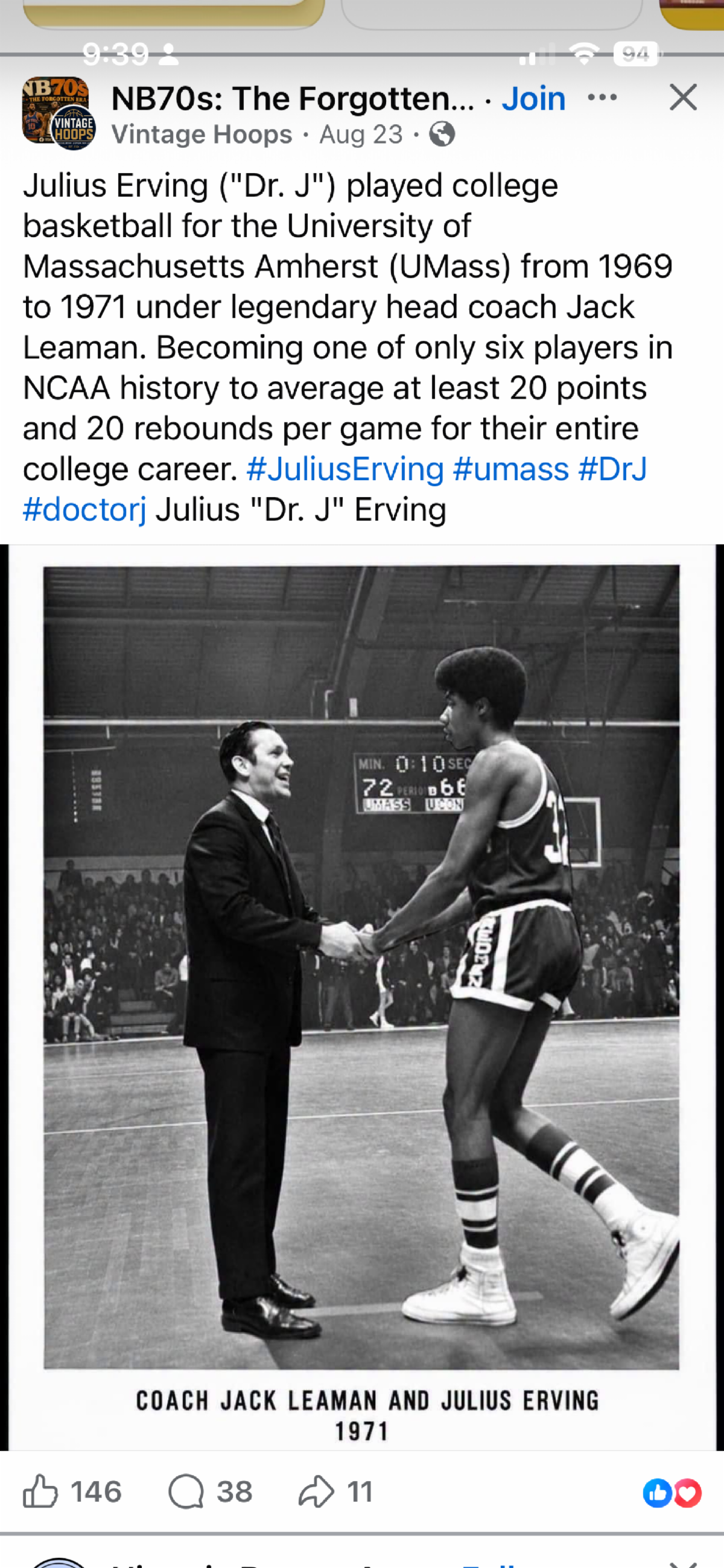
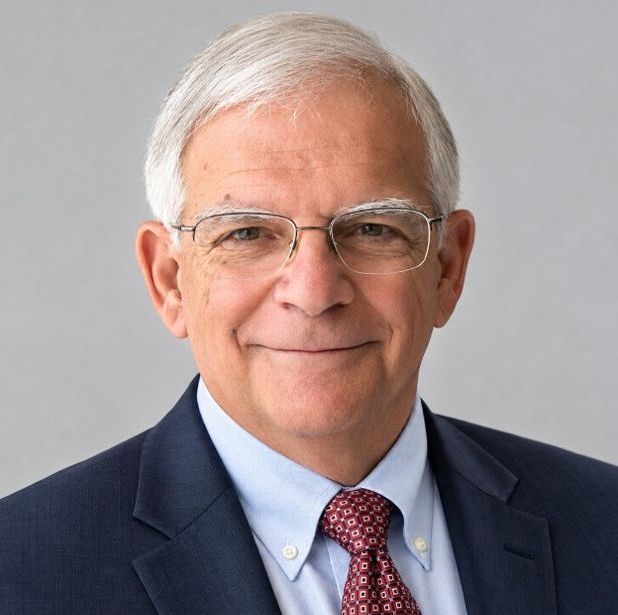
| | Surprise Photo at the End: A Classmate | | If you are reading this on a social media platform, click below and you'll automatically receive a 'different' story every week on Wednesday. | | |
The Roll Call of states and countries where readers reside: Arizona, California, Colorado, Connecticut, Delaware, Florida, Georgia, Hawaii, Illinois, Indiana, Iowa, Kansas, Kentucky, Louisiana, Maine, Massachusetts, Michigan, Mississippi, Missouri, Montana, New Hampshire, New Jersey, New Mexico, New York, North Carolina, North Dakota, Ohio, Pennsylvania, Puerto Rico, Rhode Island, South Carolina, South Dakota, Tennessee, Texas, Vermont, Virginia, Washington and Washington DC, Wisconsin plus Canada, Conch Republic, Australia and the United Kingdom.
| | |
Ed Doherty
774-479-8831
www.ambroselanden.com
ed-doherty@outlook.com
Forgive any typos please.
| | | | | |