Volume 10, Issue 7 │February 27, 2026 | | | |
Support SB 3707
Supporting SB 3707 is critical to ensure Vision Benefit Managers are held to clear, enforceable standards that protect patient choice and fair reimbursement. Building on prior reforms, this bill closes loopholes that have allowed VBMs to undermine independent optometry practices. SB 3707 strengthens oversight, transparency, and accountability, helping to ensure Illinois doctors can put patients first without unfair interference.
Support SB 3707
🔗 Read SB 3707
🔗 Read the full press release
Take Action:
🔗 Consider becoming a Key Person
🔗 Donate to the Eyes on Tomorrow Fund
🔗 Donate to IOA-PAC
🔗 Report VBM Abuse
More updates and calls to action will follow as the bill moves through the legislative process.
| | |
Join us on Sunday, March 1 in Tinley Park for one LAST chance of tested CE! Limited seats still available!
DON'T FORGET to get 12 tested hours this renewal period! The IOA has ONE MORE opportunity left to get tested CE.
The course will be 6 hours TQ and run from 9am-4pm. The course is automatically available as tested CE. The test will be automatically emailed out for every course where the attendee scans in and out.
| | Licenses expire on March 31, 2026, so don't forget to complete your CE before the licensing cycle ends! | | |
License renewals are now OPEN!
The Illinois Department of Financial and Professional Regulation (IDFPR) has officially opened the renewal cycle.
If you’re ready to renew your license, please click the link below to log in and access resources on renewing through IDFPR. Licenses expire on March 31, 2026.
| |
Attention: Illinois Controlled Substance license holders!
Please be aware that when renewing an Illinois controlled substance license, IDFPR has the previous requirement of 3 hours of continuing education listed as a condition of renewal. This was changed on 1/1/2025 to 1 hour of continuing education. Only one hour of CE on safe opioid prescribing is required per state law.
| |
Win a $100 Gift Card!
The IOA is gathering insights to strengthen optometry across Illinois. Please fill out the anonymous survey & upon completion you will receive a link for your chance to win a $100 gift card!
| | February is Low Vision Awareness Month! | | |
Here are some ways to spread awareness during Low Vision Awareness Month:
- Raise awareness through in-office and digital outreach
- Identify patients early, especially those with chronic eye disease
- Educate patients on low vision care and rehabilitation options
- Promote low vision devices and assistive technology
- Engage staff and caregivers in the care process
- Focus messaging on independence and quality of life
| | |
Do you provide home visits? Eye exams in Spanish? Aviation vision? Update your doctor profile today!
Every week patients use the doctor lookup feature on the IOA/AOA website or call the IOA looking for an OD in their area. Oftentimes they are looking for services such as home visits or optometrists who speak a certain language. Update your IOA/AOA profile so patients can easily find you by logging into your profile at the link below.
| | |
Please join the Southern Illinois Optometric Society and the IOA in supporting State Rep Paul Jacobs, O.D., in his race for the Illinois Senate!
An IOA member Rep. Jacobs is currently running for the Illinois Senate in the 59th district to replace retiring Senator Dale Fowler. Join your fellow optometrists in supporting the ONLY optometrist in the Illinois General Assembly. Your contribution will help support the campaign for State Rep. Paul Jacobs, O.D. as he runs for the Illinois Senate.
Contributions may be made to the campaign via check.
About Rep. Paul Jacobs, O.D.
Representative Paul Jacobs has been an optometrist for over 45 years, practicing in several communities throughout Southern Illinois. He currently serves in the 118th district as the elected representative for all of Alexander, Pulaski, and Union Counties and portions of Jackson and Williamson Counties. Some of his committee assignments include Appropriations-Higher Education, Cybersecurity, Data Analytics, & IT, Health Care Licenses, Higher Education, Veterans' Affairs, and Higher Ed-Degree Conferral.
Dr. Jacobs has been a strong advocate for the Illinois Optometric Association, supporting their efforts to enable optometrists to practice to the full scope of their license in VA hospitals, ensuring that our nation's veterans receive essential eye care.
Representative Jacobs also sponsored SB764, known as the Vision Care Plan Regulation Act, which introduced reforms to ensure fairness and transparency in contracts with vision plans. A key provision of this legislation prohibits vision care plans from limiting an eye care provider's freedom to choose their suppliers, materials, or labs, or from requiring them to purchase materials from a source owned by the entity that issued the vision care plan. SB764 also mandates that eye care providers post a notice to patients if they do not accept the fee schedule set by the insurer for vision plans.
| | |
MEMBER BENEFIT: On-Demand CE Series FREE for Members!
Don't forget! The IOA offers FREE On-Demand CE, as part of your membership you gain access to a variety of free continuing education courses. Courses for the 2024-2026 licensing cycle are now available on the On-Demand CE platform. ODs can take all 18 regular hours of CE online through the On-Demand CE Series.
As an Illinois licensed CE provider, all courses taken through IOA will count for an Illinois license renewal.
| | The Eyes on Tomorrow Fund, previously known as the Legislative Equity Fund, is a dedicated resource created by and for optometrists to support the Illinois Optometric Association’s (IOA) state-level advocacy efforts. This fund directly empowers optometry’s fight for scope expansion, the regulation of Vision Benefits Managers (VBMs), and other legislative battles crucial to protecting the profession and ensuring patient care. Unlike political action committees (PACs), this fund is not used to support candidates but instead provides critical resources for advancing optometry in Illinois. | | |
The PAC (Political Action Committee) is a group organized to promote its members' views on selected issues, usually through raising money that is contributed to the campaign funds of candidates who support the group's position to keep our friends in office. Now more than ever, we need strong, principled leaders who will fight for equal rights, and access to essential services —Will you pitch in today to help us protect our profession and the patients we serve?
Contributions to the IOA PAC can be made as a One-Time Donation or as Recurring Monthly Donation and deducted automatically from donor's bank account or charged to their credit card. Selecting to contribute a set amount on a monthly basis is a painless and effortless way to contribute to and support the IOA PAC. Contributions to the IOA PAC fund are not deductible for federal income tax purposes.
| | |
|
We want to hear from YOU!
Do you have a business question or a dilemma we can answer for you? Others may have the same inquiry. Ask away! We will answer your question in an upcoming issue.
(Don't worry, we won't include your name.)
| | |
Eye care practitioners should report all violations of the FCLCA, including instances in which contact lens sellers fail to comply with the prescription verification provisions of the law.
| | |
Filing a complaint? Use the resources below to get started.
If you believe a health insurance company is violating the Vision Care Plan Regulation Act, please file a complaint with the Illinois Department of Insurance by following the link below. If appropriate, please also encourage your patients to file a complaint. Doing so is what drives the Department of Insurance to take action against insurance companies who aren’t following the law. File a complaint with the Department of Insurance at the link below.
Vision Plans & Insurance Companies:
Dept of Insurance Complaint Submission - How to File a Complaint
Office of the Illinois Attorney General - File a Complaint
Report illegal and unsafe contact lens sales to the FDA & FTC:
Fairness to Contact Lens Consumers Act compliance and safety | AOA
IDFPR:
IDFPR | File a Complaint
Medicaid Managed Care Complaint Portal:
Managed Care Provider Resolution Portal | HFS
| |
Federal Court Blocks Provisions of Texas Law Focused on Managed Vision Care Plans and OD Communications
Vision Monday | By Staff
February 24, 2026
DALLAS—A federal judge in the U.S. District Court for the Northern District of Texas last week blocked portions of HB 1696, the 2023 Texas law that restricted how managed vision care plans communicate price and provider participation information to members. Judge James Wesley Hendrix ruled that key provisions of the statute violated the First Amendment by barring vision plans from informing patients about participating providers who offer lower cost services or products. The opinion said the law would have “forced consumers to remain ‘misled or uninformed for their own protection,’” the court said in rendering its decision.
The lawsuit, filed in 2023, was brought by a coalition that included the Healthy Vision Association, the National Association of Vision Care Plans (NAVCP), VSP Insurance Company and Visionworks. The plaintiffs said HB 1696 would stop plans from telling members about lower cost options and participating providers, and that would reduce transparency and consumer choice. VMAIL reported at the time of the original complaint that plaintiffs said the statute “stops dead in its tracks a market-based mechanism for decreasing the cost of vision care” by restricting communications to members.
When the suit was filed, the Healthy Vision Association said the law “imposes unconstitutional restraint on the right of managed vision care companies to communicate important health care information to insured patients, including how to maximize their benefits through specific providers.” The association framed the challenge as protecting consumers’ right to receive information that helps them make informed, cost conscious decisions.
Michael Guyette, president and CEO of VSP Vision, called the court’s decision “a resounding win for Texans,” saying the ruling “empowers individuals to access affordable, high-quality eyecare and eyewear in a destination that best suits their needs.” The company said HB 1696 would have prevented plans from informing members about participating providers who offer more affordable services or products, thereby limiting consumer value and choice.
The Alliance for Affordable Vision Care (AAVC), a coalition of plan and consumer oriented groups, also praised the ruling. The AAVC said keeping communication channels open preserves patients’ access to “clear, accurate information about their vision coverage and lower cost care options.”
Rich Schindehette, president of the Healthy Vision Association and an AAVC member, said, “Vision care patients deserve straightforward, factual information about how to use their vision benefits. When families have access to information about all their options, they can make choices that benefit their health and finances.”
Supporters of HB 1696—including the Texas Optometric Association (TOA) and the American Optometric Association (AOA)—say the law was intended to curb what they call anti competitive and vertically integrated practices by some vision benefit managers. They say the statute was designed to stop tactics such as steering patients to plan owned retailers, tiering providers based on product purchases or discounts, imposing unfair chargebacks, requiring unrelated patient data on claims, and using audit extrapolation. Those supporters argue such practices can limit provider independence and harm patient choice.
“Texas optometrists, who provide the majority of primary eyecare in the state, intervened in the lawsuit alongside the State of Texas to defend HB 1696,” the TOA told VMAIL. “We believe the statute's restrictions on conduct by VBMs (Vision Benefits Managers) were narrowly tailored to prevent deceptive steering and protect vulnerable consumers, consistent with the state's authority to regulate insurance and health care markets for the public good.”
The TOA expressed it respectfully disagrees with the federal court’s latest decision, calling it a setback for Texas patients and access to vision care. In a statement provided to VMAIL, it said, “While we respect the judicial process, this ruling undermines Texas' efforts to curb monopolistic behaviors in the vision benefits industry that drive up costs, limit provider networks, and erode patient choice and access. The TOA remains committed to advocating for policies that put patients and independent providers first.”
“It seems the vision benefit middleman industry is pointing to a temporary reprieve through the courts for corrupt and thoroughly anti-patient, ‘steering and tiering,’ tactics, a result of their two years of legal warfare targeting the Texas Department of Insurance and legislature, the TOA, and a provision of the state’s comprehensive 2023 VBM reform law,” Jacquie Bowen, OD, AOA president, told VMAIL. “What they refuse to discuss is resolving patient and doctor complaints and the growing nationwide momentum for VBM accountability.”
The TOA noted that it will continue working with the Texas legislature, the attorney general's office, and its partners to “explore all available options to restore and strengthen protections for Texas consumers and doctors of optometry.”
|
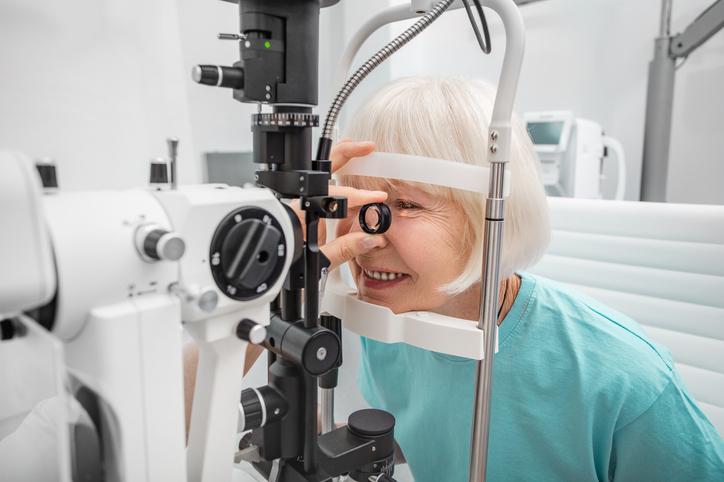
Why Older Adults Should Focus on Eye Health Now
Fox Illinois| By Staff
February 25, 2026
(StatePoint) As you age, it’s important to keep an eye on your vision. While some vision changes can be expected over time, others may signal something more serious, such as cataracts, glaucoma or age-related macular degeneration (AMD), which can result in vision loss, blurred vision and glare.
According to one study, one-third of all cases of cataracts, open-angle glaucoma and early AMD occur in those 80 years old or older.
“Older adults with diabetes are especially at risk of developing eye-related issues over time, including cataracts and glaucoma, as well as diabetic retinopathy," said Dr. Grant Tarbox, senior executive medical director with HealthSpring, which offers Medicare plans across the country.
In fact, more than half of people with diabetes eventually develop diabetic retinopathy, according to the National Eye Institute. This is a serious condition that can cause blindness if left untreated.
Vision screening recommendations for older adults vary by organization based on health status and medical history. Nevertheless, if you have a vision benefit in your insurance plan, it’s a good idea to take advantage of it in 2026.
While Original Medicare doesn’t cover a routine annual vision exam, most Medicare Advantage (MA) plans, such as those offered by HealthSpring, do provide additional vision benefits, including annual screenings. These plans may even provide you with an incentive for getting an annual vision exam. To avoid surprise payments, always visit an optometrist or ophthalmologist in your network.
Many eye diseases don’t present symptoms in the early stages, making screenings important.
When conditions are caught and treated early, disease progression can be slowed. Both Original Medicare and MA plans generally cover treatment for various eye diseases. Beneficiaries may have to pay coinsurance or copays, depending on their coverage. Additionally, a Medicare Part D plan, which is often included in an MA plan, generally covers eye drops and other vision-related prescriptions.
“You should always ask your eye doctor to share information about your vision health with your primary care physician, including any prescriptions ordered, to better coordinate care,” said Tarbox.
In addition to screenings, you can support healthy eyes with lifestyle tweaks. Tarbox added that the same habits that benefit your overall health are also good for your eye health. This includes eating well, maintaining a healthy weight, washing your hands, not smoking, and taking medications as prescribed.
Additionally, because of the heightened risk of diabetic retinopathy, people with diabetes should undergo comprehensive annual eye exams and keep their A1C (a measurement of blood sugar), blood pressure and cholesterol levels under control.
| |
AskAOA: New MIPS Courses Available Now
CMS MIPS 2026: MVP and MIPS Reporting for Promoting Interoperability
This course provides information and resources on MIPS Value Pathways, various reporting options and specific guidance for doctors of optometry regarding participation in the MIPS program.
MIPS 2026
This webinar provides key updates on the Medicare MIPS program for 2026.
| | |
Last Day for the AOA CIP Independent Practice Institute Applications
The AOA Center for Independent Practice (CIP) is accepting applications for its 2026-2027 class of Independent Practice Institute (IPI) participants. Applications are due by Feb. 27 with selected participants notified in April.
The AOA CIP Independent Practice Institute is a 12-month, member-benefit program designed to engage and equip the upcoming generation of doctors with the business basics of running an independent practice. Through a combination of virtual and in-person training, participants will obtain the skillset and confidence to start or step into an independent practice.
Open to all active AOA member students and doctors, particularly those early in their careers, the Independent Practice Institute is accepting applications for the 2026-27 program. Applications are due by Friday, Feb. 27.
Learn more about the Independent Practice Institute here.
| | |
Illinois Sees Slight Drop in 2026 Open Enrollment
Health News Illinois |By Ryan Voyles
February 24, 2025
About 448,571 Illinoisans signed up for insurance during the 2026 open enrollment period, Get Covered Illinois confirmed last week.
The enrollment figure is a 3.7 percent drop from the record-high 465,985 individuals who enrolled the previous year.
Illinois launched a state-based marketplace last year, which allowed it to extend the enrollment period through the end of January.
The most recent federal data released at the end of January shows that Affordable Care Act sign-ups for 2026 are down by over 1 million compared to the previous year. It is the first time since 2020 that sign-ups appear to have declined.
The Congressional Budget Office estimated last year that the national coverage reduction could be between 30 percent and 50 percent.
With enhanced premium tax credits expiring at the end of 2025, premium payments are estimated to have increased 114 percent, on average, for subsidized enrollees who stay in the same plan.
The average Illinois household will see a 78 percent increase in its premiums for the 2026 plan year, with state officials saying the brunt of the increase is due to the subsidies expiring.
| |
Telehealth Has Become ‘Essential’ for Older Medicare Patients
Medical Economics | By Austin Littrell
February 20, 2026
Nearly half of Medicare mental health visits happen over video or phone, and millions of older adults are using telehealth to manage routine chronic conditions such as diabetes and high blood pressure. Those are key findings from a new analysis published in Annals of Internal Medicine.
Approximately 1 in 6 Medicare beneficiaries between 2021 and 2023 used telehealth at least once, and tens of millions of virtual visits each year were for non-mental health conditions, including diabetes, hypertension and COVID-19.
Researchers from the University of Utah School of Medicine and the University of Michigan Medical School linked each outpatient visit in a nationally representative sample of nearly 15,000 Medicare enrollees to its associated medical condition and classified whether the encounter was in person or via telehealth.
Their findings, published Feb. 16, come just weeks after Congress extended key Medicare telehealth flexibilities through December 31, 2027, under H.R. 7148, the Consolidated Appropriations Act, 2026.
Telehealth visits are split between mental health and chronic disease
In the Annals analysis, 16.4% of Medicare beneficiaries had at least one telehealth visit between 2021 and 2023.
Mental health still dominated virtual care. Nearly half of all outpatient visits for mental health conditions were delivered via telehealth — an estimated 31 million virtual mental health visits each year. But almost as many telehealth appointments — approximately 29 million annually — were for non-mental health conditions.
Anxiety-related and depressive disorders were the most common conditions treated via telehealth overall, with an estimated 9.4 million and 8.8 million virtual visits per year, respectively. Among non-mental health conditions, uncomplicated diabetes (approximately 2.2 million telehealth visits annually), hypertension (1.5 million) and COVID-19 (1.1 million) topped the list.
“We were surprised at the number of non-mental health conditions, like high blood pressure or diabetes, that were commonly addressed through telehealth,” said Terrence Liu, M.D., MS, assistant professor of internal medicine at University of Utah Health and first author on the study. “Even though a smaller percentage of these visits were conducted through telehealth, because these are very common conditions, the total number of estimated visits was very similar to telehealth visits for mental health conditions, numbering in the tens of millions.”
Higher-need patients are more likely to go virtual
In the study, telehealth users were more likely to be medically complex patients than relatively healthy, tech-savvy seniors.
Compared with those who saw clinicians only in person, telehealth users were more likely to have higher levels of education, to report physical or cognitive limitations, to rate their health as fair or poor and to have substantially more outpatient visits overall.
Put simply, people juggling more medical problems and more contact with the health system were also more likely to use telehealth at least some of the time.
| | |
Check out the newest IOA classifieds here!
Optometrist Needed in Chicago (Read more)
Northern IL:
Subcontracting Opportunity with Illinois Department of Corrections (Read more)
Small Private Practice in Morris, IL Seeking PT Optometrist (Read more)
Optometrist Needed Full or Part Time (Read more)
OD Needed at Private Office in North Suburbs (Read more)
Full Time OD Needed in Highland Park (Read more)
Optometrist Needed in Algonquin & Mundelein (Read more)
Associate Optometrist – Part-Time with Path to Ownership (Read more)
Great FT or PT Opportunity at Primary Eyecare Center in Rockford, IL (Read more)
Part Time OD Needed at Private Practice in Schaumburg, IL (Read more)
Optometrist – Full Time - Private Practice - Yorkville, IL (Read more)
Excellent Private Practice Opportunity for Part-Time Associate in Northbrook, IL (Read more)
Optometrist Opportunity — Lake Zurich & Grayslake, IL (Read more)
Optometrist Needed in Western Suburbs (Read more)
Full-Time Optometrist Needed at Geneva Eye Clinic in Geneva, IL (Read more)
Central IL:
Join the Community Eye Care Family! Full-Time Optometrist – Pana & Taylorville, IL (Read more)
Join the Community Eye Care Family! Full-Time Optometrist – Mt. Zion, IL (Read more)
Southern IL:
On-Site Opportunity with IL Dept of Corrections (Read more)
Out of State:
Yooper Optometrist Wanted - Escanaba, MI (Read more)
Equipment for Sale:
Equipment available for sale (Read more)
| | THANK YOU TO OUR INDUSTRY PARTNERS! | |
Illinois Optometric Association
217-525-8012
| | | | | |