The Mycological Society of America
|
|
2021 MSA Spring Election Results |
|
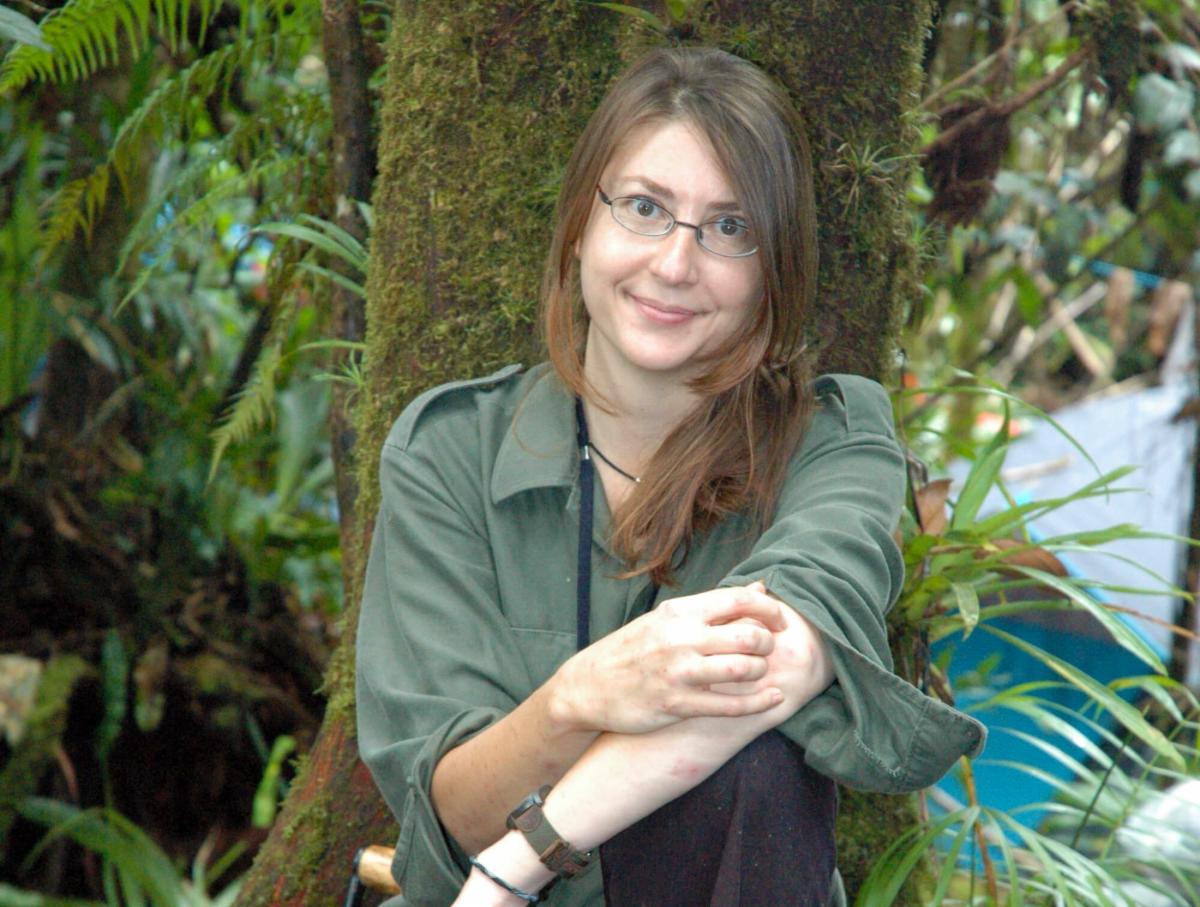
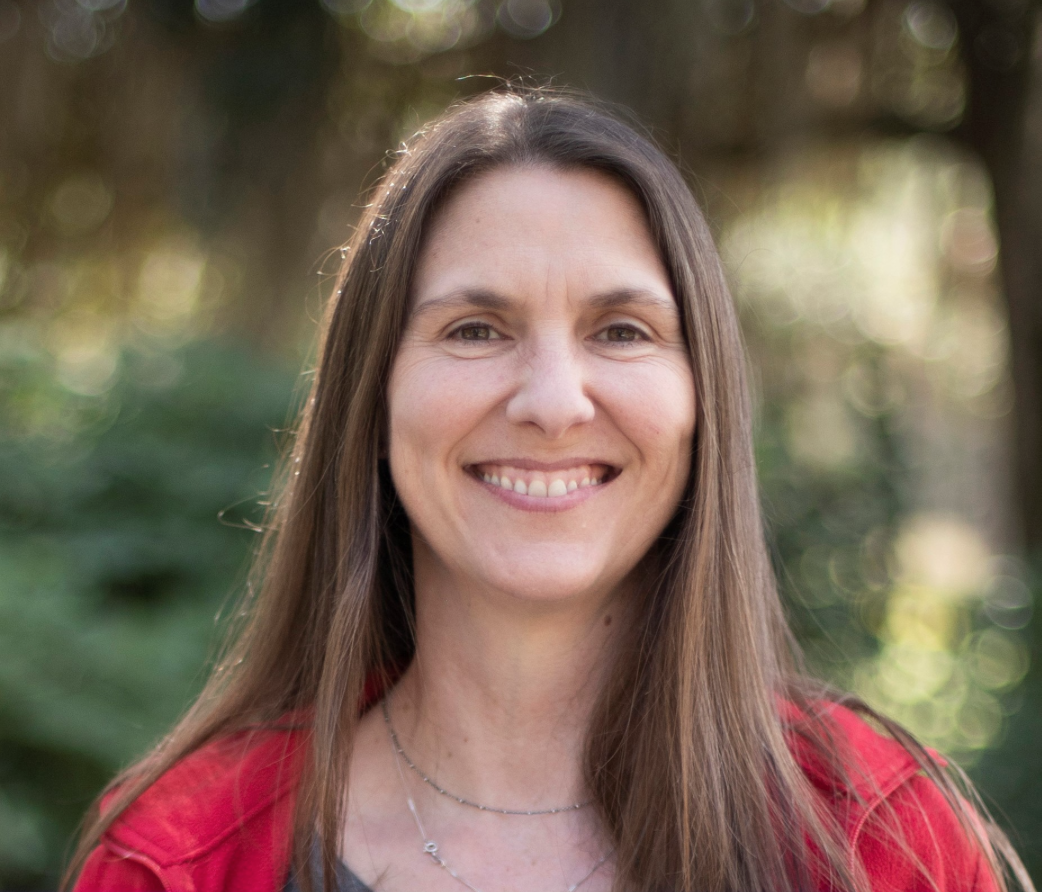
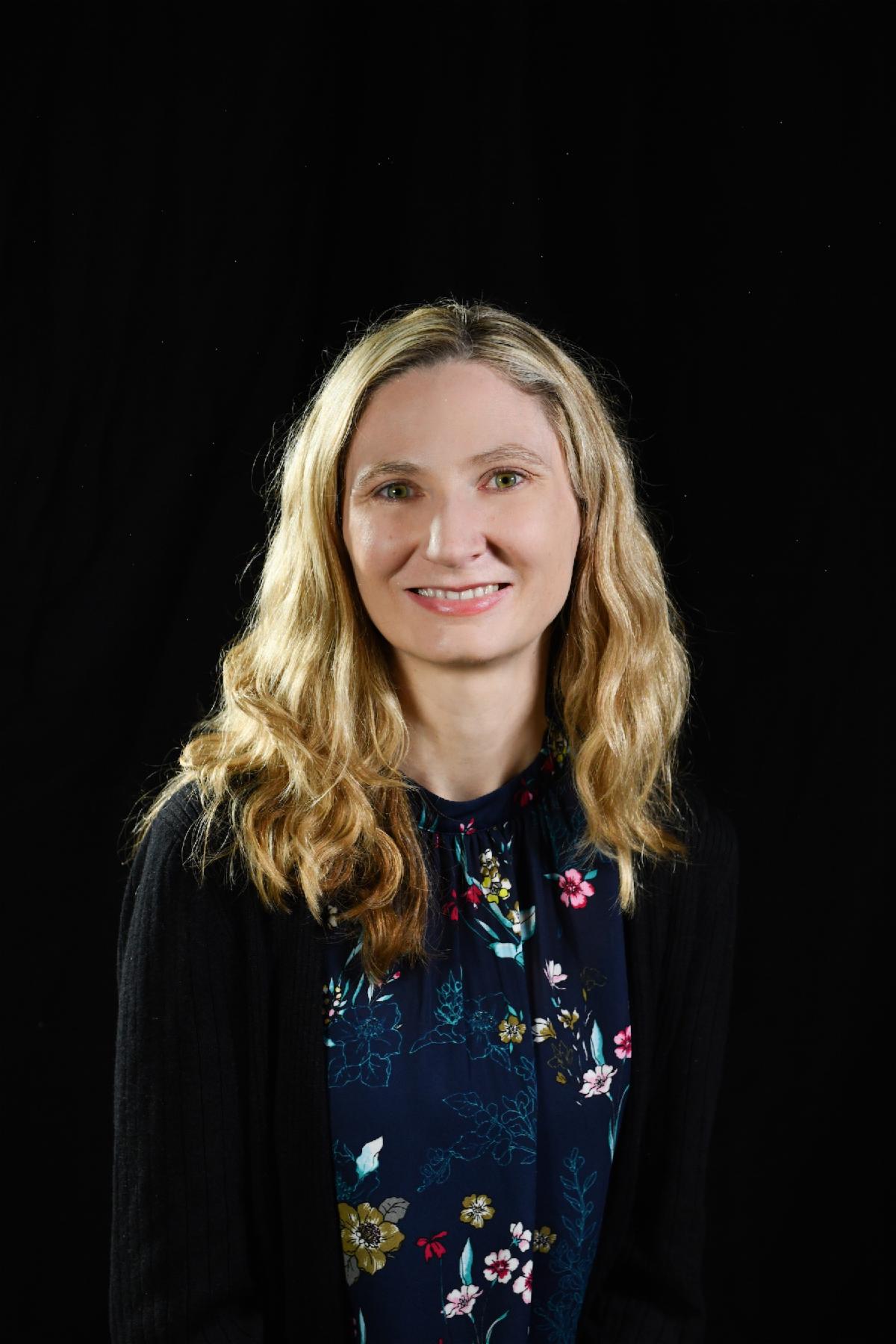
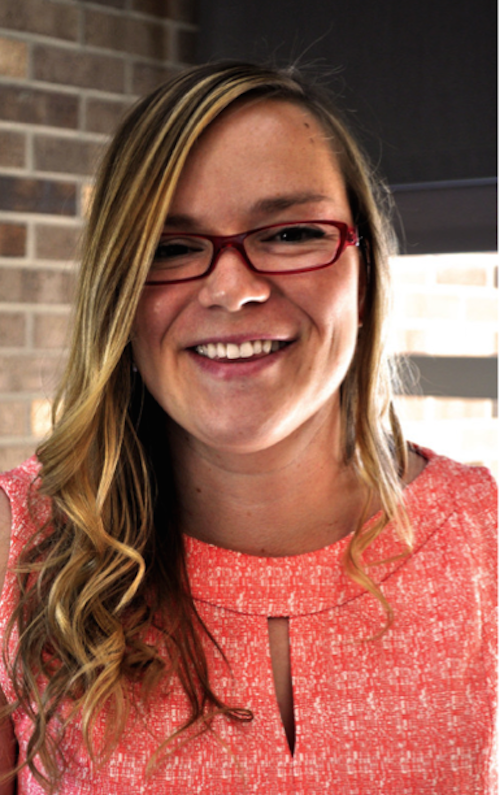
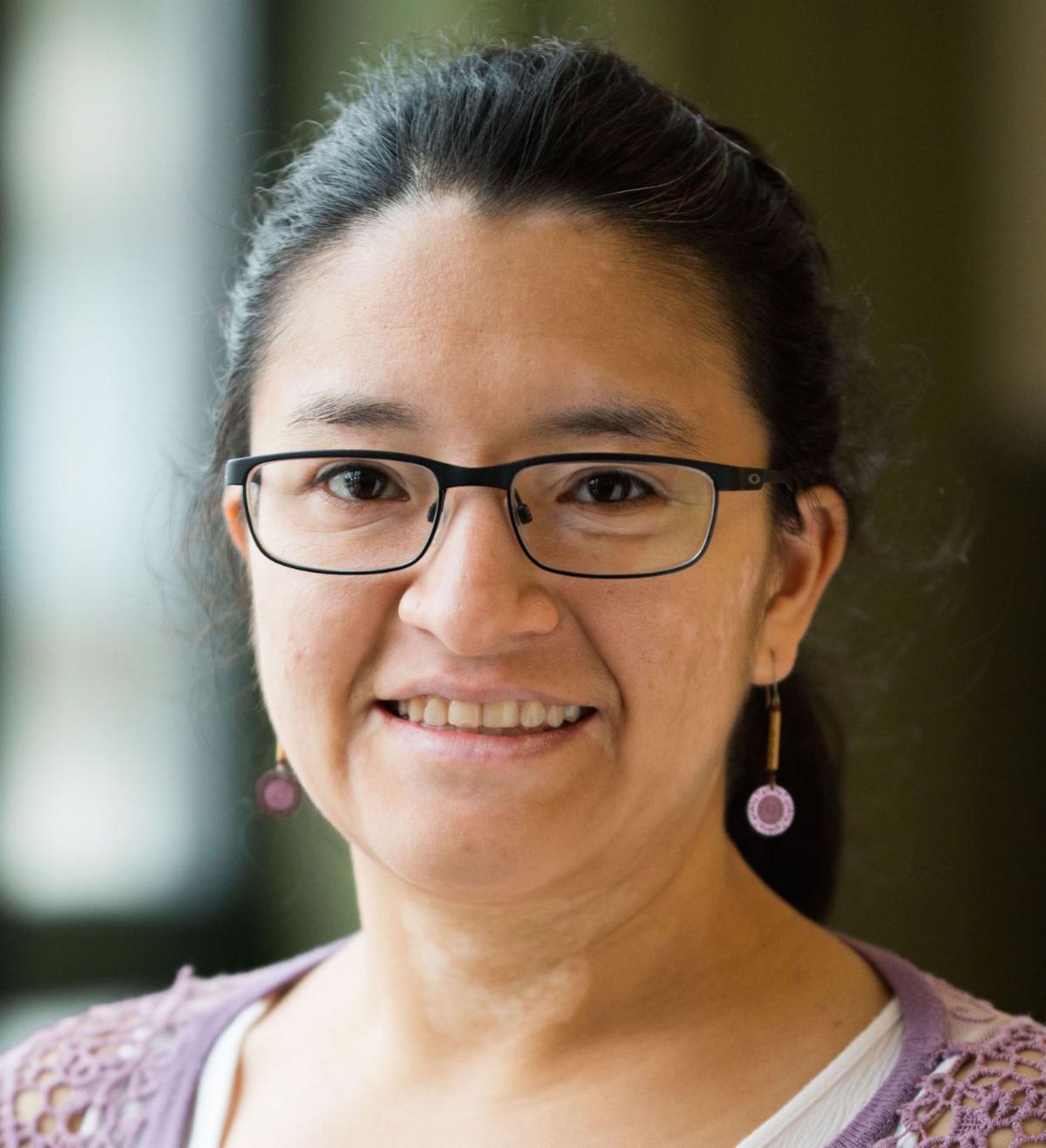
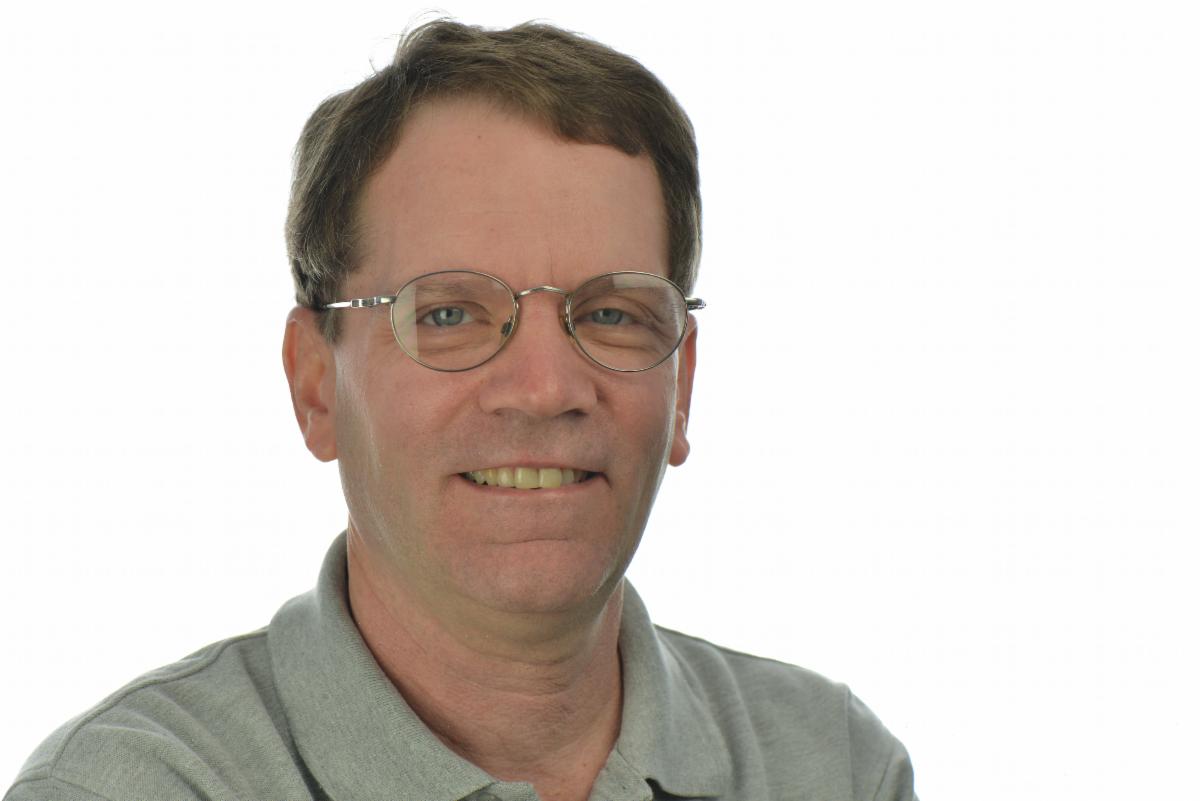
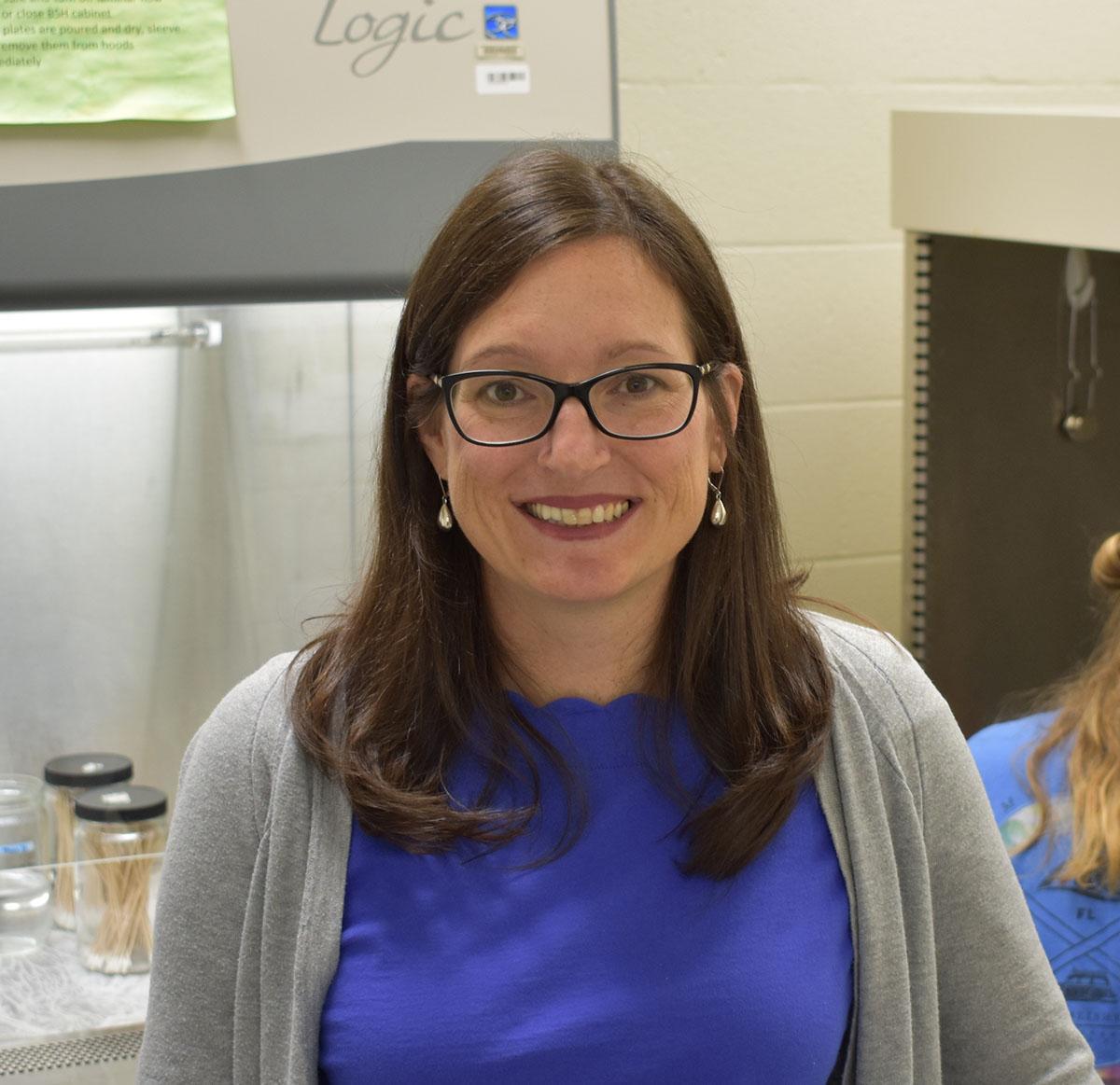
The Mycological Society of America (MSA) is pleased to announce and congratulate the following MSA members on election to their respective positions: |
|
|
 |
Councilor of Ecology & Conservation
|
|
|
|
Councilor of Systematics & Evolution
|
|
|
|
|
Councilor of Genetics & Cell Biology
|
|
|
|
Councilor of Symbiosis & Pathology
|
|
|
|
MSA Members Elected to National Academy of Science |
|
Congratulations to MSA members Louise Glass and Joe Heitman, recently elected to the National Academy of Sciences!
The National Academy of Sciences (NAS) was founded in 1863 (during the Presidency of Abraham Lincoln) to provide our nation with independent, objective leadership on any matter related to science and technology. Advice has often centered around military concerns, for example during the world wars, but more recent efforts have focused on modern challenges, including climate change. The NAS also recognizes scientists with distinguished records of original research by electing these scientists as members, and we are proud to announce that this year, multiple mycologists were elected as NAS members! For reasons that are not at all clear, fungal biology is not well represented within the NAS generally, but we may be at a moment of change!
|
|
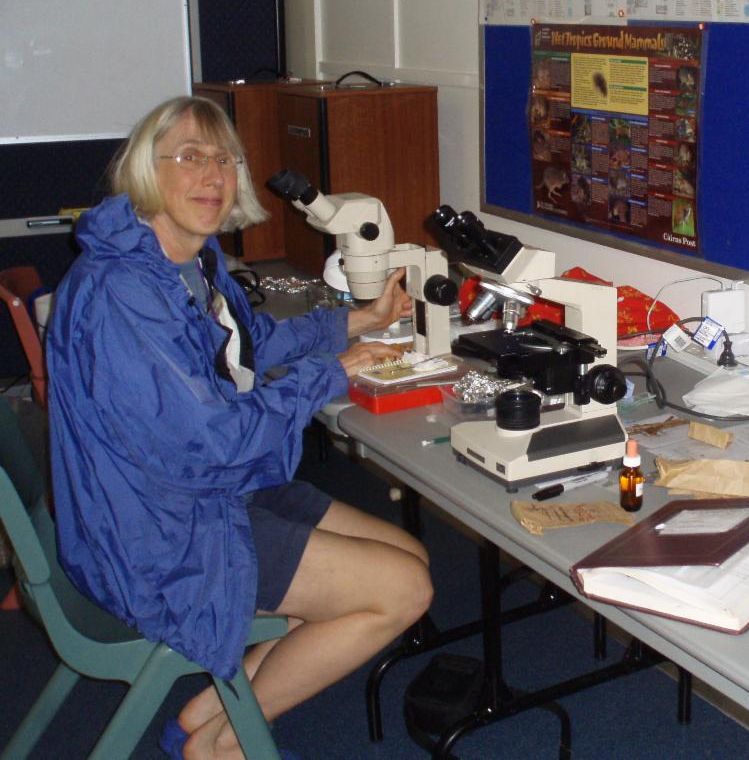
Education in mycology is a vibrant and essential aspect of our activity in MSA. The new Educator Spotlight column in Inoculum aims to highlight our outstanding educators and their motivations, approaches, and educational content for mycology and related disciplines.
For the inaugural spotlight, the MSA Education Committee has selected Terry Henkel, PhD. If you’d like to nominate someone to be "spotlighted", please send their names and email addresses to sgremillion@georgiasouthern.edu.
To see the full interview with Dr. Terry Henkel, click the button below.
|
|
The recent news of guidelines and recommendations for reduced COVID-19 restrictions provides exciting, renewed hope and promise for returning to a more realized normal. I remain optimistic that we will be back together for our annual MSA meeting in Gainesville in 2022. As I reflect on the unexpected and unknown challenges that we all experienced in the past 15 months, I recognize the incredible anguish, anxiety, loss, and self-sacrifice in our personal and professional lives. However, these challenges were met with adaptive resilience, engaged connectivity, and perseverance by our members and mycological community. Although the global pandemic has changed the world as we know it, our collective experience has strengthened our community and Society, regardless of distance and in-person contact. For example, under the leadership of Anne Pringle, 2020 Program Chair Lisa Grubisha, and with assistance from The Rees Group, MSA Council members embarked on a collaborative effort to develop our first-ever virtual annual meeting last year over a very short timeframe. This year, Heather Hallen-Adams, Chair, and the Program Committee, are actively involved with the Botanical Society of America’s leadership in expanding and organizing the 2021 virtual Annual Meeting with multiple scientific societies, another first for MSA. More information on the joint meeting schedule will be forthcoming. I look forward to our virtual gathering and interactions on July 19-23, 2021.
During the past two years, we have learned much and are beginning to better understand the benefits and limitations of conducting online virtual meetings. Although it is challenging to duplicate activities conducted in a traditional face-to-face (F2F) meeting in an online environment–particularly for delivering interactive meeting content and developing a sense of community–it can be achieved. As we move forward, we would like to include a virtual component into our annual F2F meetings in the future, but the economic sustainability of conducting a “hybrid” meeting remains to be determined. Virtual access to our annual meeting would promote increased attendance, inclusion, and membership, particularly for those who cannot participate in a F2F meeting due to job, family, economics, and/or other personal responsibilities and barriers.
In addition to the annual meeting and in alignment with our valued commitment to diversity, equity, and inclusion, I am pleased to announce that two Interchange Ambassador Awards were recently granted. These awards provide support to MSA members to connect with underrepresented groups, with dual aims: sharing information about MSA and mycology; and encouraging attendance and engagement at MSA annual meetings, where Ambassadors serve as mentors and networking guides. The Society also renewed its membership in the Societies Consortium on Sexual Harassment in Science, Technology, Engineering, Mathematics, and Medicine (STEMM) and provided a letter of collaboration to partner with 12 other scientific societies on a National Science Foundation LEAding cultural change through Professional Societies (LEAPS) proposal.
MSA members are currently actively engaged in addressing the following issues and matters relevant to the Society.
-
After the recent and sad passing of Nancy Weber Smith, we were contacted by an attorney representing her estate informing us that MSA was named as a beneficiary in her irrevocable trust. The trust document specified that Nancy’s mycological library (including many books previously owned by her father Alexander H. Smith) be sold with the proceeds donated to MSA, with some specifications. We are currently in discussions with the attorney and trustee of Nancy’s estate to provide an opportunity for MSA members to purchase select books prior to and during our auction at the upcoming annual meeting with the proceeds donated to MSA.
- Two ad hoc advisory committees were formed to streamline and develop a user-friendly donation process that is coupled with membership renewal and revision of membership categories and dues. This will require changes in our bylaws and a vote from Council and MSA membership for approval.
-
We continue to move forward with our Mycologia contract renewal with the Taylor & Francis Group and will begin discussions this summer on renewing our contract with The Rees Group. We have been happy with the renewal process and our continued positive interactions with both groups.
-
During my tenure as your President, I was invited to and attended several MSA Student and Post-doc Section virtual presentations and was very impressed with the clarity and scientific quality of these presentations. Members should receive emails with “MSA (month) Student Symposium” in the subject line. Please consider attending these sessions to support our students and post-docs, as they are the future of the Society. For more information or if you are interested in participating, please email Tania Kurbessoian at tkurb001@ucr.edu or students.msa@gmail.com.
- I thank the candidates who agreed to stand for the open Council positions in the spring 2021 election and those of you who recently cast your ballots for these positions and the proposed changes in our constitution and bylaws.
- On behalf of the Society, I want to applaud and congratulate two of our distinguished MSA members, Joseph Heitman and Louise Glass, on their recent election to the National Academy of Sciences!
As I approach the final few months of my term as President, I want to express my sincere thanks for your confidence, patience, and trust in me as we navigated the global pandemic together. I have truly enjoyed serving as your President and remain extremely impressed with your dedicated and enthusiastic service for supporting the educational and research mission of this great and welcoming Society. I am very proud of what we accomplished together. It has been an honor and privilege to serve as your President and I am grateful for many positive interactions with all of you. I will continue to serve on the Executive Council as Past President in 2021-22 and warmly welcome A. Elizabeth (Betsy) Arnold as your next President. Betsy will begin her term as President at the end of the Annual Business Meeting at the upcoming joint Annual Meeting on July 23, 2021.
-Marc Anthony Cubeta
|
|
|
Executive Vice President's Report |
|
Executive Vice President’s Report—June 2021
Greetings MSA colleagues! I miss all of you and look forward to seeing you all again very soon.
We are looking forward to the joint MSA virtual meeting with the Botanical Society of America taking place July 19-23, 2021. Details can be found by following this link: https://msafungi.org/2021-msa-annual-meeting/. The abstract and registration portals are open.
Council Business: Executive Council met by videoconference on February 12, 2021. The midyear reports are available here: https://msafungi.org/msa-meeting-minutes-and-reports/. The Annual Council Meeting is scheduled for July 17, 2021, by videoconference. Three email polls were sent out to council and approved since my February column: Poll 2021-04— Approval of the MSA Honorary Awards Nominees 1; Poll 2021-05—Approval of the MSA Honorary Awards Nominees 2; Poll 2021-06— Approval of the MSA Honorary Awards Nominees 3.
New Members: I would like to extend a warm welcome to the following new members who joined MSA since my February 2021 column. Their membership will be formally approved at the 2021 Annual Business Meeting during the virtual Annual Meeting:
Canada: Nourin Aman, Jaclyn Dee, Maxime Murphy, Catherine Robidas
China: Nigel Hywel-Jones
Colombia: Aída Marcela Vasco Palacios
Italy: Francesco Dovana
Mexico: Virginia Ramirez Cruz
United States: João Araújo, Page Baluch, Jordan Baumbach, Mary Berecka, Rachel Berner, Breanna Chase, Brian Clauss, Peter Coggan, Courtney Copper, Andrew Cortese, Jonathan del Rosario, Sergio Gabriel Peralta, Melody Godby, Benjamin Gonzalez, Lauren Gritzmacher, Colin Haley, Rebecca Harkness, Christopher Helton, Lori Huberman, Dillon Husbands, Abigail Ireland, Patricia Kaishian, Nina Knight, Kyle Landry, Hui-Ling Liao, Victoria Luizzi, Jessie Marlenee, Shelby Meador, Talia Michaud, Abigail Neat, Dennis Oliver, Teresa O’Meara, Aaron Onufrak, Rolando Perez, Anne Polyakov, Annika Rose-Person, Alexis Sullivan, Andrea Talbot, Marie Trest, Kelcie Walther, Leanne Westvang, Jason Westvang, Sarah Winkowski
2021 Membership Renewal: Renewal notices have been sent. Membership dues will remain the same. We now have auto-renewal and multiyear renewal options available. There are substantial discounts for members for the 2021 Annual Meeting registration so renew now if you have not done so already. Please contact me with any suggestions, complaints, or feedback on the membership renewal process.
To increase membership and involvement in the MSA, it is important to recommend the Society to amateur and professional colleagues, and particularly to students and postdoctoral associates who are interested in fungi. MSA members include pathologists, geneticists, systematists, ecologists, and those people who just want to know more about the fascinating world of fungi. Please help us get the word out! Signing up is easy by following the links on the membership page (https://msafungi.org/join-or-renew/). Please feel free to contact our MSA Membership Coordinator, Cori VanGalder, at msafungi@reesgroupinc.com if you have questions about renewing or new memberships.
REMINDER — MSA Directory Update: Have you checked your information in the MSA directory recently? Now is a good time to make sure your address, phone, and email are current. The MSA relies almost entirely on email to bring you timely information on MSA news, awards, elections, meetings, and other activities. To ensure that you receive MSA blast emails and Inoculum, and so your colleagues can keep in touch, please check the accuracy of your contact information in the online directory. This can be accessed via our website (https://msafungi.org/). Look for the membership menu option and drop down to “Member Login”. Once you log in, you will see your profile with options such as “edit profile”, “my directory profile”, and “email subscriptions”. If you need assistance with updating your membership information, please contact our MSA Membership Coordinator, Cori VanGalder, at msafungi@reesgroupinc.com.
|
Please feel free to contact me about MSA business, or any other questions you have about the Society.
I hope to “see” you online at the 2021 Annual Meeting!
Respectfully submitted,
MSA Executive Vice President
|
|
|
Polypores of the Mediterranean Region
By: Bernicchia, A., S.P. Gorjón
This book is a well-produced volume, full of photographs (both macro and micro), replete with accurate and instructive drawings, and descriptive of this non-natural group of basidiomycetes. The work lies between a flora and a monograph. While the authors acknowledge the primacy of DNA sequencing in much current research, the emphasis here is on the ecology and morphology of 116 included genera (435 accepted species; 6 new combinations), which they describe in detail. Keys are provided for all genera and species.
|
|
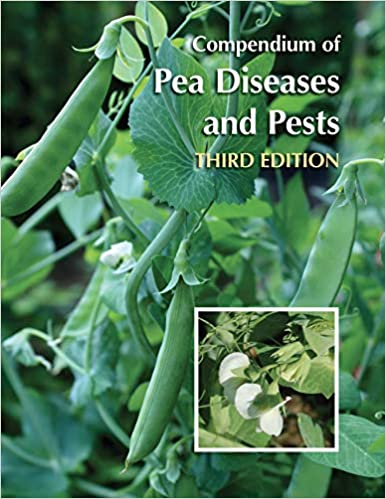
Compendium of Pea Diseases and Pests, Third Edition
By: Harveson, R. M., J.S. Pasche, L. Porter, W. Chen, M. Burrows
This compendium is the latest of more than 40 compendia on various food, fiber, and ornamental crops published by the American Phytopathological Society. Originally released in 1984 and revised in 2001, this third edition includes more than 200 color photographs, of which 90% are original to this volume. The information within has been substantially updated and expanded from previous editions.
|
|
|
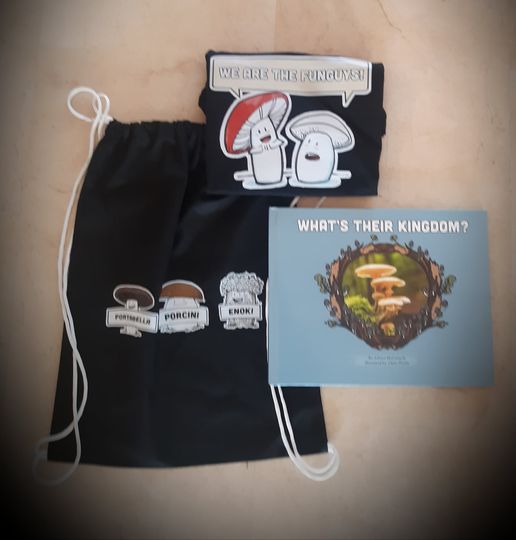
What’s Their Kingdom?
By: Juliene McCormick with Claire Thoele
This book is intended to teach young people about fungi, using mushrooms and bracket fungi as examples. Narrated by the author as well as the two “Fun Guys”, the book actively engages readers by highlighting characteristics of other Kingdoms of living organisms, and then differentiating fungi from organisms in those other Kingdoms.
|
|
Fungi of Temperate Europe (2 vols.)
By: Thomas Læssøe and Jens Petersen
This two-volume set, translated from Danish, establishes a new benchmark for presentation and ease of use. The authors are well-known and widely respected mycologists. Læssøe is the author of a popular English language field guide; Petersen is author of the recent Fungal Kingdom. Their original remit was to prepare a revision of the magisterial, but out-of-print, Danmarks Svampe.
|
|
|
Newly Published Books for Review
|
|
MSA News and Announcements |
|
Congratulations to the 2021 MSA Interchange Ambassadors!
Submitted by: Abeer Alqurashi, Anna Bazzicalupo, Sonya Erlandson, Elizabeth Feliciano, Brian Lovett, and Geromy Moore
|
We are delighted to announce and extend our congratulations to the inaugural MSA Interchange Ambassadors: Dr. Adriana L. Romero-Olivares and Nicole Colón-Carrión. Dr. Romero-Olivares is an assistant professor at New Mexico State University in the Department of Biology, and she studies how fungi respond and adapt to climate change. Nicole is a PhD Candidate at the University of Arizona in the College of Agriculture and Life Sciences studying how fungal symbionts of tropical trees respond to hurricanes and climate change.
|
|
|
World Fungus Day: We Need You!
Submitted by: Lynne Boddy
|
All MSA members know that fungi are crucial to our very existence, as mycorrhizal partners with plants, and as major decomposers and nutrient cyclers, not to mention as producers of medicines and food, which they provide to us, to other vertebrates and to many invertebrates. Most lay people, and even many biologists, do not, however, realize the importance of fungi. When I mention fungi people often think “yuck!”, their opinion being colored by sinister connotations from stories, and knowledge that fungi rot our food and homes, kill our plants, and that some are deadly poisonous. They do not know that our planet’s ecosystems would not function without fungi; there would be no fertile soil, no plant life, no herbivores, no carnivores, and no humans. |
|
|
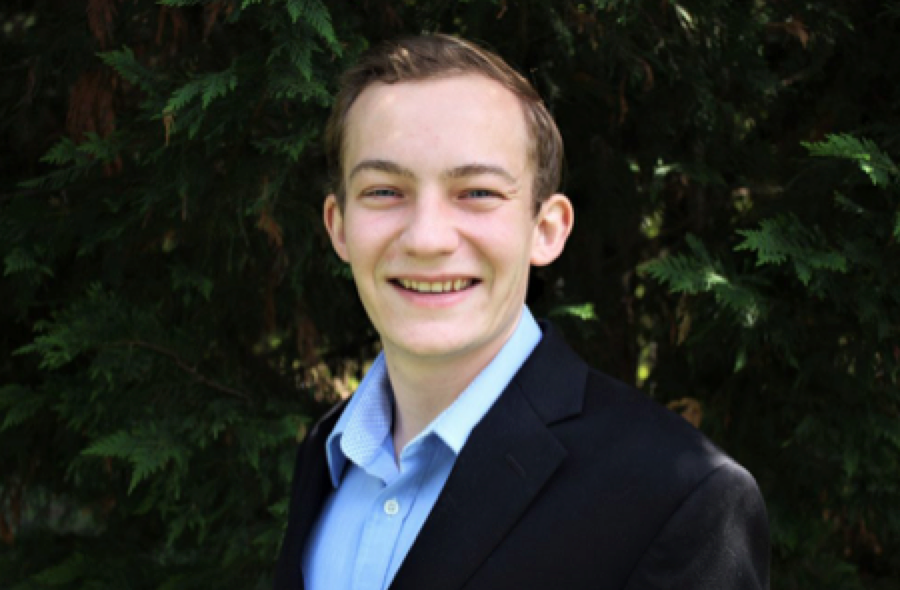
Daniel Meyers wins Couch Award in Biology
Submitted by: Carol Ann McCormick
Daniel Meyers is the 2021 winner of the Couch Award, which is given to a senior biology major at the University of North Carolina at Chapel Hill (UNC at CH) who has interests in plant biology and has demonstrated the highest ideals of scholarship and research. He will be graduating in May 2021 with a B.S. in biology and minors in chemistry and entrepreneurship.
“It was wonderful to recognize a biology student working on fungi with the Couch Award this year,” said Dr. Mark Peifer who served on the Awards Committee.
|
|
Special Topic Awards
Since 2018, a very generous anonymous donor has contributed funds to MSA to support research by our members. The donor is passionate about forests and translational mycology and we have respected their wishes by sponsoring special calls for proposals that contribute to a greater understanding of fungal interactions in old growth forests, other unique or endangered ecosystems, or applied mycology. In this issue of Inoculum we provide a snapshot of the diverse research projects undertaken in the context of these awards, with a primary focus on 2018 awards. Enjoy, and to our donor: Thank you!
Anne Pringle, Past President
|
|
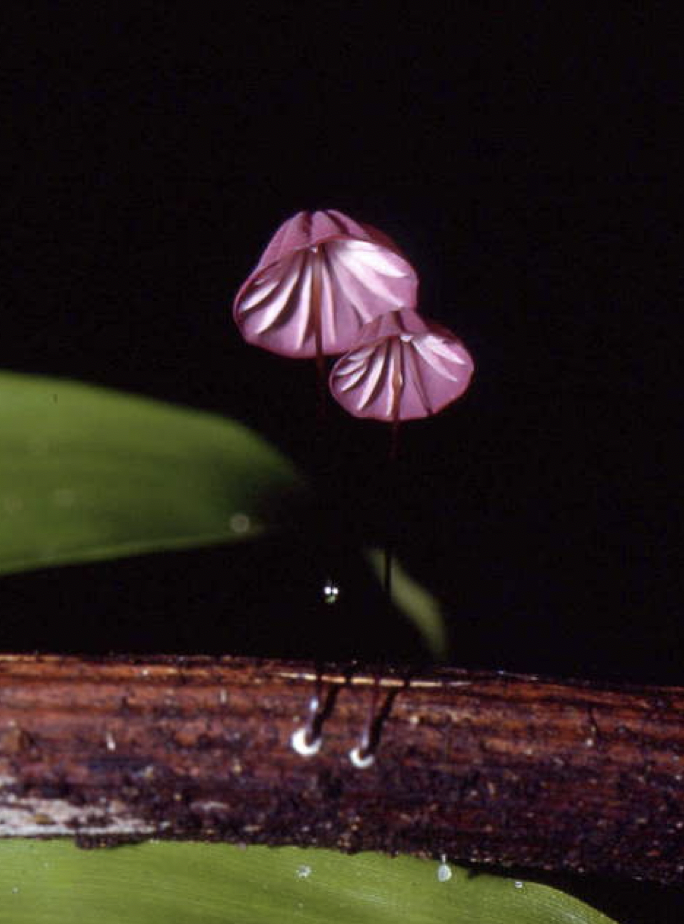
Fungi of the Greater Antilles – Puerto Rico: Marasmius haematocephalus (Mont.) Fr.
Submitted by: E. Setliff
Trips to Puerto Rico were made in 1975, 1991, and 1993 to collect fungal decomposers of woody plants, especially the white rot fungi. The idea was to obtain these fungi in culture in order to later screen them for their high delignification abilities as part of a biopulping project. Generally, tropical broad-leaved trees have slightly higher lignin content than temperate trees, and so there may be stronger delignifying fungi in the tropics. The primary industrial interest was to reduce costs by lowering the amount of electrical power required to grind up wood for paper pulp. However, decomposer fungi of all types were collected, and to a large extent photographs were taken to record their fresh in situ characteristics.
|
|
Students’ Mycology Symposium
|
|
Virtual conferences got you down? There can be some real FOMO when sessions are co-occurring and you can’t make it to all the talks you’d like to see! MSA’s Student and Post-Doc Section started a Students’ Mycology Symposium in January 2021, highlighting students since then! Are you interested in sharing your work? Send us an email or fill out the form and we’ll get you in a designated time slot. What about previous talks? View them here.
|
|
Call for Submissions: ALL NEW National Audubon Society Master Guide to Mushrooms
|
|
Fieldstone Publishing, together with publishing partners Knopf/Penguin Random House, are soliciting short-form articles for inclusion in the newly designed National Audubon Society Master Guide to Mushrooms, slated for publication in 2022.
For additional information and to see suggested topics, see the full article.
|
|
Don't Forget to Register for the 2021 Meeting!
The 2021 MSA joint meeting with the Botanical Society of America (BSA) is right around the corner. Visit the regularly updated BSA home page for the most recent information.
To ensure you receive the discounted meeting registration price, please be sure to renew your MSA membership for 2021 if you haven't already done so.
We are still looking for your donated mycological items for the auction. Books, clothing, jewelry - we welcome it all!
If you would like to contribute one or more items, please follow the steps below.
- Take 1-5 photos of each item you wish to donate.
- Write a short description of your item, including the suggested item value or your best estimate of it.
- Determine the minimum bid, and include it in the item description.
-
Email the photos and description to the MSA Member Coordinator at msafungi@reesgroupinc.com with the subject line: Auction Donation
Important Meeting Links
|
|
|
|
-
Remember to enable emails from msafungi@reesgroupinc.com for continued MSA updates.
-
If you haven't yet renewed your membership for 2021, please do so here!
-
Digital issues of Mycologia are now accessed on the MSA website, not at Taylor and Francis. You will need your log in information.
|
|
Thank you to all who have donated to MSA funds since our last publication of Inoculum!
|
|
We Want to See Your Fungal Photos! |
|
Your fungal photo could be featured as the header for the next issue of Inoculum!
MSA is calling for your photos! Chosen photos will appear in future issues of Inoculum. Submit your photos along with your name and any text you'd like to accompany the image (optional) using the button below!
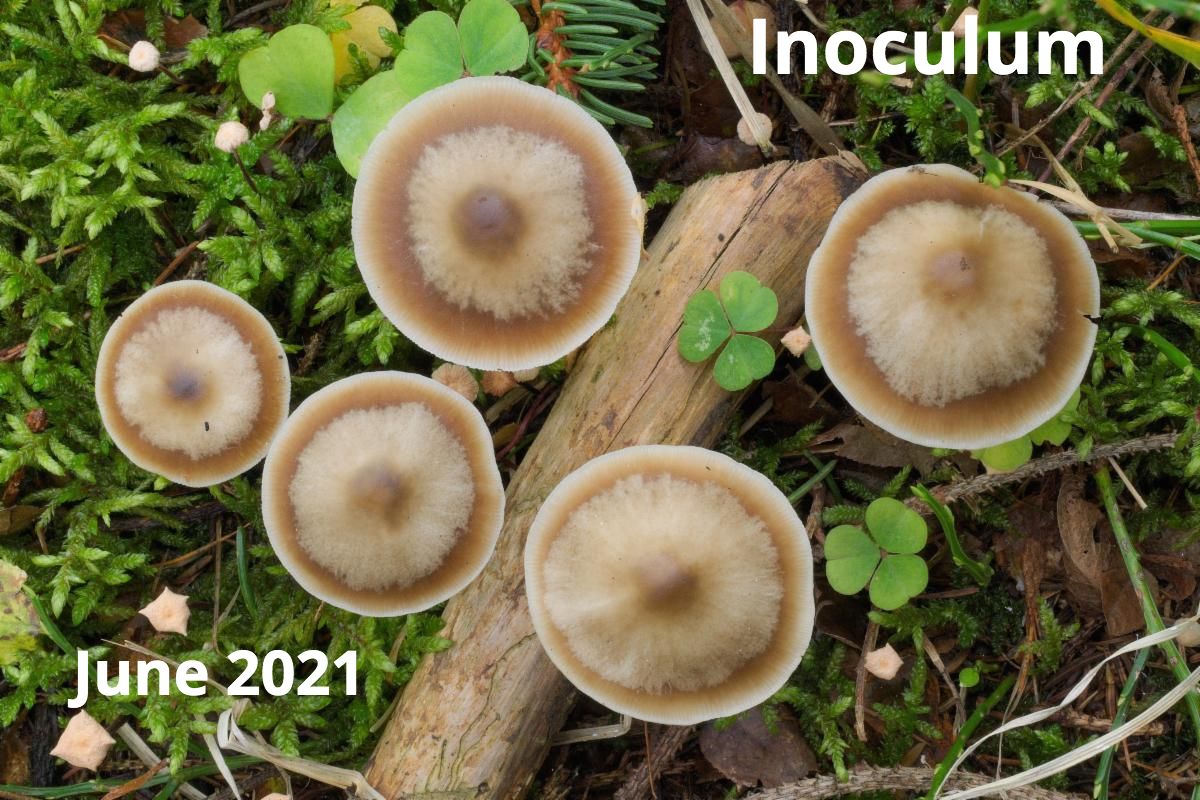
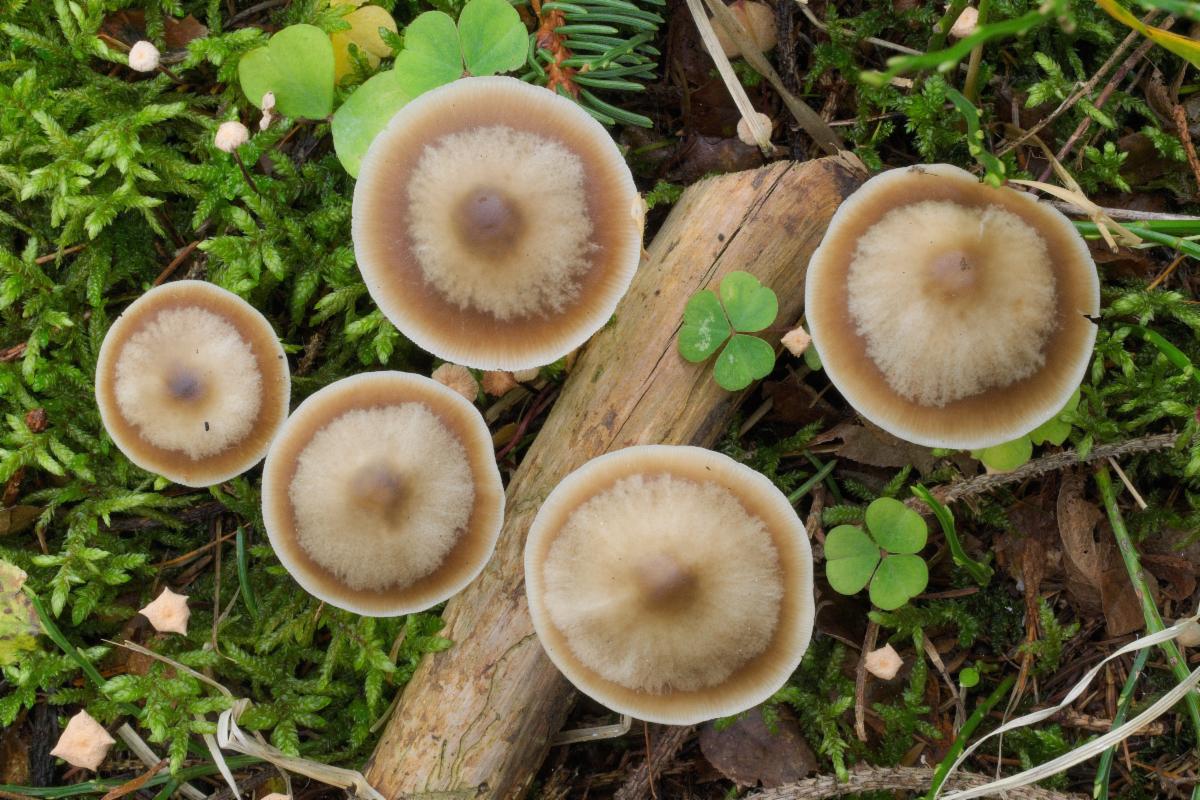
The header for this issue of Inoclum was submitted by Marco Floriani: "Typical specimens of Rhodocollybia butyracea, displaying a conspicuously hygrophanous cap surface."
Thank you for submitting your photo, Marco!
|
|
The Mycological Society of America | (608) 441-1060 | 2424 American Ln. Madison, WI, 53704 | MSAfungi.org
|
|
|
|
|
|
|