Protecting the Cold Chain When Refrigeration Systems Come Under Attack

Recent cyber incidents across Europe have shown how vulnerable the refrigerated food supply chain can be when connected refrigeration systems are compromised.  In mid-October 2026, attackers remotely took control of refrigeration controllers at as many as 700 French supermarkets, forcing units into defrost mode or raising temperatures as high as 50°C (122°F).  The result was widespread food spoilage, some equipment fires, and losses estimated in the tens of millions of euros. 

On November 2, a second wave struck grocery stores in at least seven countries, including Belgium, Sweden, Ireland, the Netherlands, Luxembourg, Estonia, and Finland (with reports extending to Italy and Portugal).  Chains such as Delhaize, Carrefour, Spar, ICA, Coop, and SuperValu reported refrigeration systems set to defrost or elevated temperatures, again forcing the discard of chilled and frozen products.  EU Agriculture and Food Commissioner Christophe Hansen described the repeated incidents as “a deliberate attempt to disrupt our food supply chain and undermine consumers’ confidence in it.” 

BLOGS

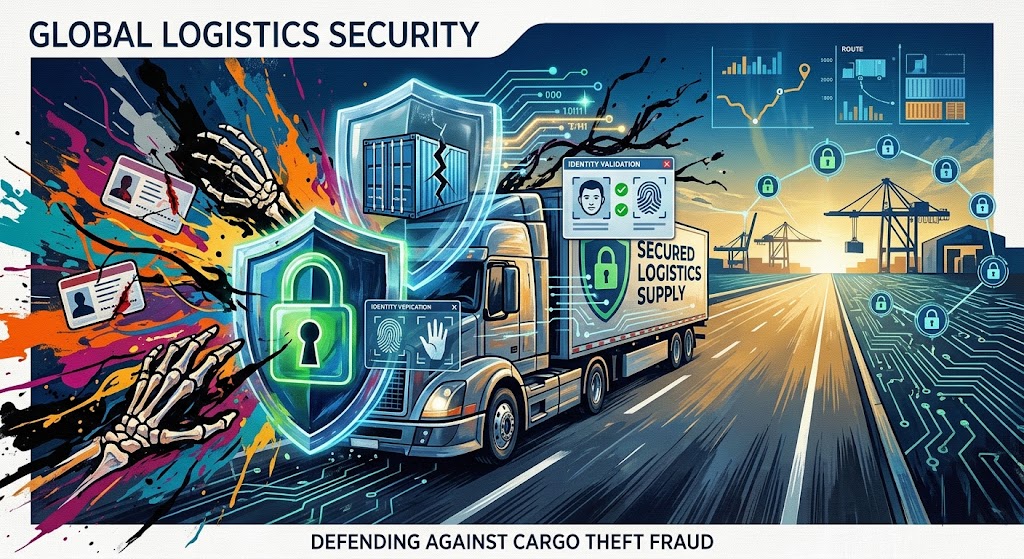
$12 Million Cargo Theft Scheme Highlights Why Carrier and Driver Vetting Matter More Than Ever


The transportation industry depends on trust. Shippers entrust carriers with valuable products, freight brokers rely on transportation partners to deliver shipments safely, and businesses depend on the supply chain to keep their operations moving. But what happens when criminals exploit that trust to steal millions of dollars in freight?


A recent federal cargo theft case involving an alleged $12 million scheme demonstrates how sophisticated criminals are finding new ways to infiltrate the trucking industry. Rather than simply stealing a truck or breaking into a trailer, the individuals involved allegedly took control of established trucking companies, used their identities to secure legitimate freight contracts, and diverted shipments before they reached their destinations.

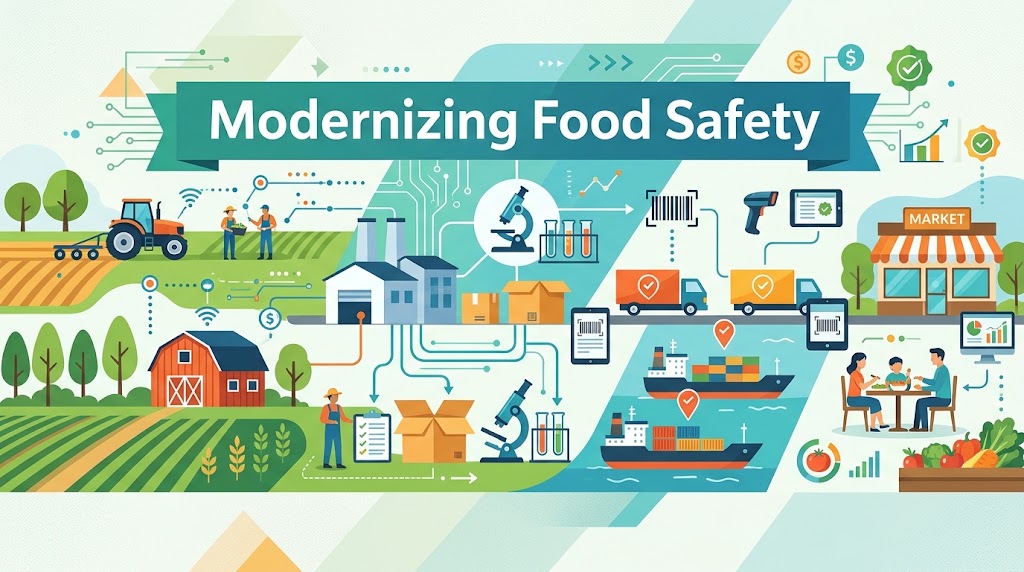
Modernizing Food Safety: Key Takeaways from the Draft Food Safety Law (Amended)


Food safety touches every household, and proposed changes to the legal framework aim to modernize how food production, distribution, and oversight are handled from farm to table.


During the 2nd Session of the 16th National Assembly, Minister of Health Dao Hong Lan—authorized by the Prime Minister—presented the draft Law on Food Safety (Amended). This comprehensive overhaul consists of 9 chapters and 74 articles, replacing outdated provisions with risk-based management strategies aligned with international Codex standards.


Here is a detailed look at what the proposed legislation entails, what changes are on the horizon for businesses and regulators, and the key refinements recommended by lawmakers.

Contact Us:

CustomerService@roadscholar.com

800-542-2301

www.roadscholar.com

 
Facebook  X  YouTube

View as Webpage