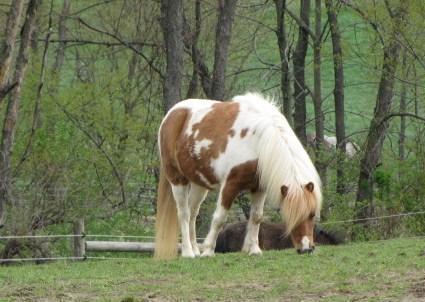
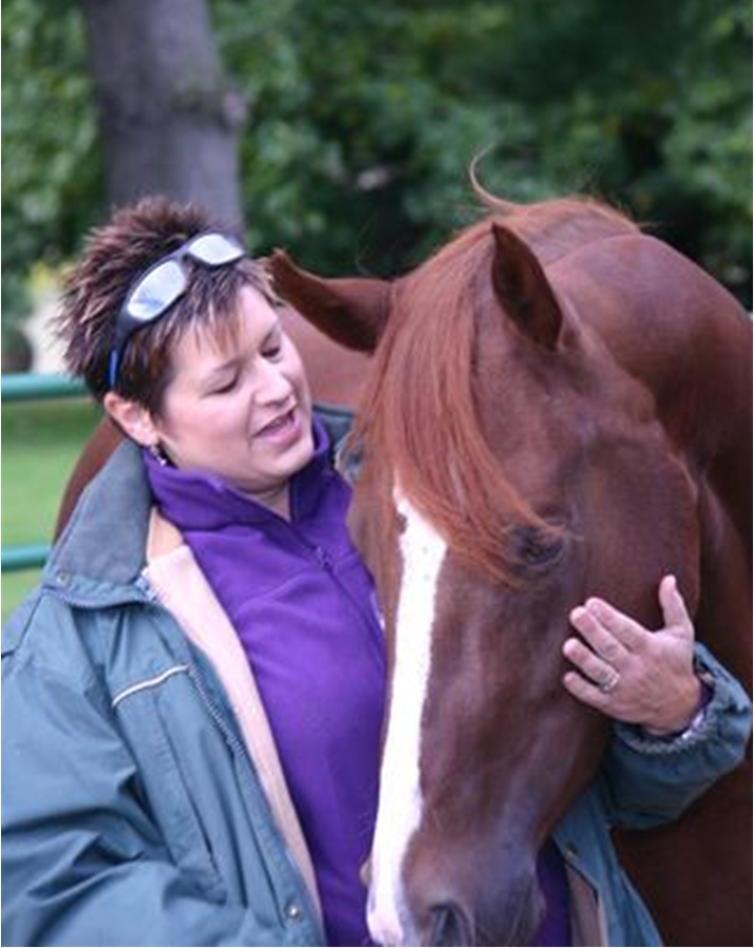
As spring begins to unfold this year, it feels like an enormous window has been opened up to let fresh air in. I can feel myself breathing deeply and noticing a sense of relief in being able to have clients once again coming out to do leadership and team development with my team of horse and human facilitators! We hosted our first demonstration workshop on April 30th and had a blast with our participants! As we begin having groups come for workshops, I am grateful for the opportunity to "get back to grazing" after the chaos of 2020.
The quote at the beginning of this newsletter provides insight into why horses are excellent role models in returning to a state of calm. They don't hold on to the anxiety that often accompanies uncertainty or chaos. They are experts at discerning how much energy to expend in responding to a situation and they understand that expending more energy than is necessary could jeopardize their ability to respond to the next situation. I think this is an important capability for humans to learn as well.
You'll recall that my past several newsletters discussed David Rock's SCARF model, which describes the 5 social dimensions that are triggered as either threat or reward when we have an experience - Status, Certainty, Autonomy, Relatedness, and Fairness. I think it's fair to say that all 5 of these areas have been triggered for most of the world over the past year. That's a lot of threat response happening to a lot of people at the same time. As things continue to open up and people are finding their way through the post-COVID experience, it's important for organizations to create environments that support "getting back to grazing;" i.e. returning to work without being over-stressed about future uncertainty. To be clear - the concept of getting back to grazing isn't about going back to the way things were; it's about getting back to a place of equilibrium as opposed to staying in a place of chaos.
I've been reading some very interesting articles about "re-boarding" - which is the process of helping your team members get their feet back under them as they return to work. Let's face it - things aren't the same and they never will be. We like thinking about going back because that's where certainty lives. But we can't go back to the way things were before March of 2020 - that's not how the universe works.
Some questions to consider include:
- What are we doing to help our employees get back on track as they return to the workplace?
- How are we helping them adapt to a new culture of working?
- What will help my team reconnect as they move forward together?
Here are some articles on re-boarding that might be helpful to you. And as always, my team is here to help your team recalibrate, get "back to grazing," and be prepared for the next challenge that comes their way!