|
President's Cabinet Award
Interprofessional Education and Practice Scholar
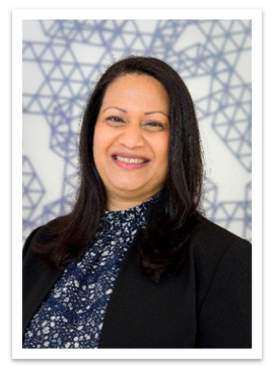
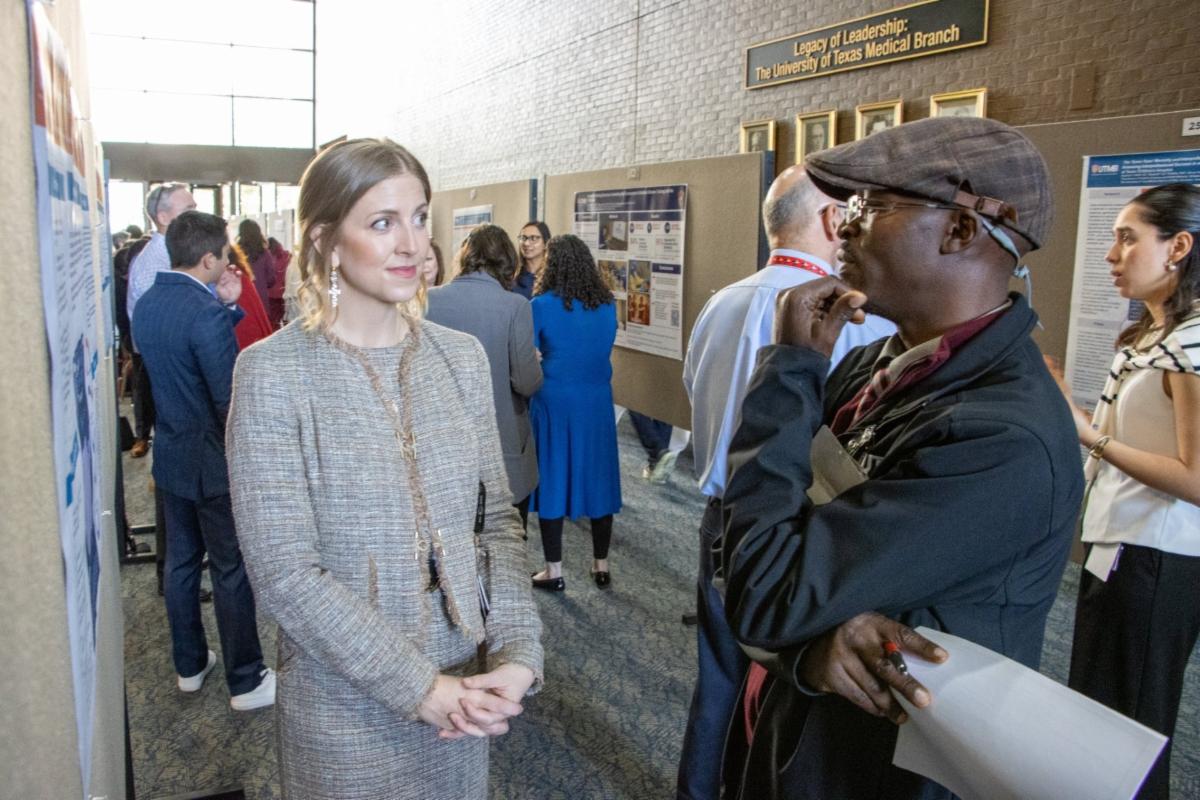
Congratulations to this year's President's Cabinet Award recipient, Danielle Dunn, masters of science student at UTMB's School of Health Professions and an IPEP Scholar. In September 2026, Danielle received the award for her IPEP scholar immrsion project, A Duty to Assist: UTMB as an Access Point for Human Trafficking Victims, and a Three-Dimensional Approach to Intervention. The recognition came as a complete surprise, and one that Danielle says she will never forget.
The program grew out of a chance encounter six years ago in the UTMB Emergency Room. While waiting for care, Danielle found herself seated next to a woman, whom we will call "Mary," who was desperate and brave enough to share that she was a victim of human trafficking. By coincidence, Danielle knew Stephanie Munson Clawson, a former UTMB colleague who had recently joined a Houston organization that helps people escape captivity and build lives of autonomy. Danielle lent Mary a phone so she could receive a call to arrange a pickup point. "I had just happened to be in the right place, and I just happened to have the right information," as Danielle reflected. "Imagine if all of our UTMB patient-facing staff had the same ability to assist."
That question became A Duty to Assist. The need is real. Houston has ranked #1 in the nation for human trafficking, though recent years have brought tremendous efforts to combat it. Cruise ship terminals and tourist destinations are known transfer points, and hospitals are among the few places where victims have unsupervised contact with the outside world. Together, these factors place UTMB, and Galveston in particular, in a unique position to help. The program's three-part approach includes clinician training, electronic health record flags, and discreet patient-facing hotline information.
Turning a Clinic Visit into a Lifeline
For many people caught in human trafficking, a trip to the doctor may be the only time they encounter someone outside their trafficker's control. A Duty to Assist program is built around that moment, combining proven elements from intervention efforts across the country into a three-part approach:
1. Training. Engage in practical materials to prepare clinicians how to recognize the signs and symptoms of a patient who may need help. Staff then arrive to the exam room ready rather than caught off guard.
2. Medical Records. The program builds out ICD-10 codes and patient flags that stay in the electronic health record. If an intervention doesn't succeed at the first visit, the flag alerts future clinicians to then try again to connect the patient with help.
3. Hotline. Fliers with pull-off tabs will be placed in patient-facing restrooms and waiting areas, so patients don't have to memorize the human trafficking hotline number. They can take it with them.
Together, the three pieces aim to make sure that no visit is a missed chance to help.
Once again, congratulations to our IPEP Scholar on an award that honors a single act of compassion and a vision to make it possible for every patient-facing team member at UTMB.
|