Coast Posts
- A Newsletter From FEC

May 2026

Monthly News Updates

News from Future Earth Coasts International Project Office
Shanghai | East China Normal University

Highlights:


  • FEC Advances Sustainable Blue Economy Agenda at Onsite INFLECTION 2026 Meeting
  • Meta-Network Team Convenes Onsite to Develop Indonesia’s Meta Network for Coastal Resilience
  • Exploring Blue Carbon Ecological Processes: Join Session 3 of the Innovation & Technology Transfer Webinar Series
  • FEC-SIMSEA Youth Joint Seminar | Unlocking the Potential of Seagrass-associated Tourism: Perception and Tourism Potential Study, Bintan Island, Indonesia
  • Designing Fairer Shores: Insights from Session 2 on Coastal Protection
  • Event Recap | Building Future Leadership Dialogues: Seeing Coastal Change from the Deck of Novara
  • Anthropocene Coasts: Call for Papers – Tour de Coasts
  • FEC New Publication | Microplastic contamination in remote mountain lakes of the Americas: a baseline assessment from Patagonia and Northern California
  • FEC New Publication | Beach law in the anthropocene
  • Updates from the Host Institution of the FEC IPO China | Global Recruitment of Outstanding Young Scientists
  • CALL for PAPERS: Special Issue on The Future of Beaches: 2050 and beyond?


What have we been up to

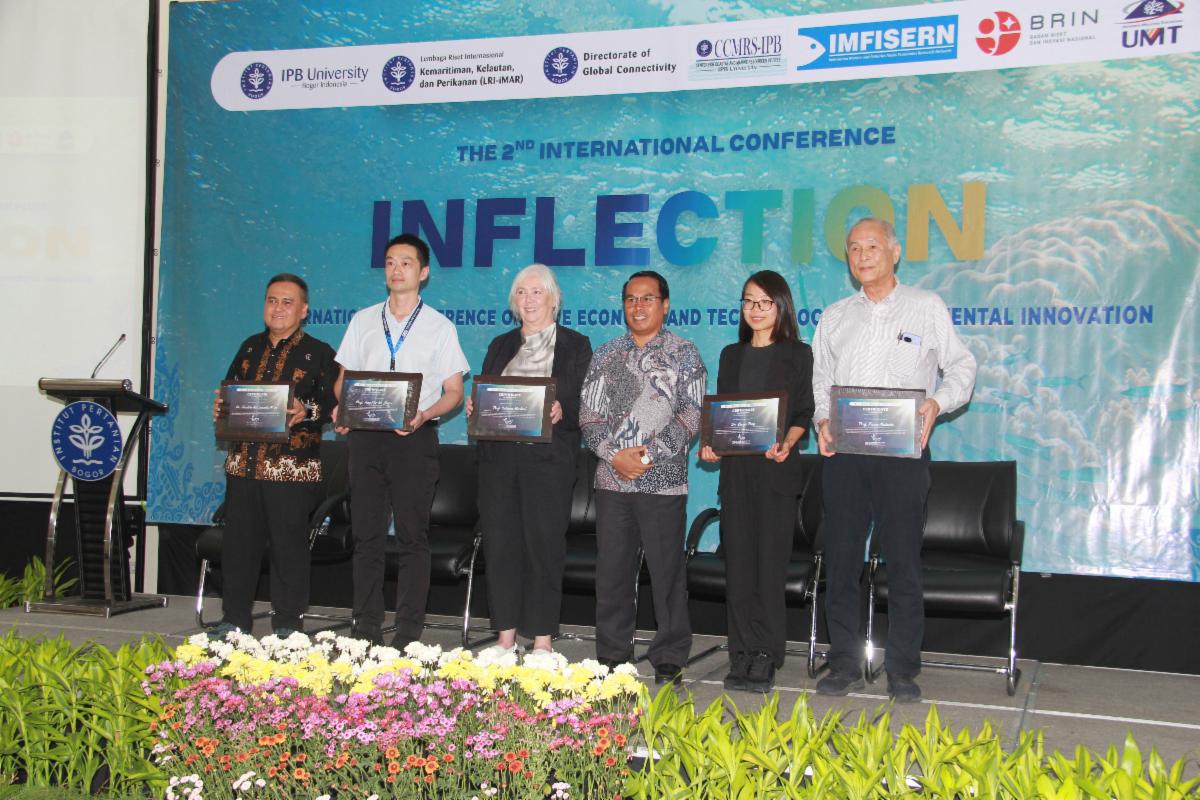
FEC Advances Sustainable Blue Economy Agenda at Onsite INFLECTION 2026 Meeting

The Second International Conference on Blue Economy and Techno-Socio Environmental Innovation (INFLECTION 2026) was successfully held at IPB University, Bogor, Indonesia, from 19 to 21 May 2026. Under the theme “Global Blue Impact: Shaping What Comes Next”, the conference brought together scholars, policymakers and industry representatives from more than a dozen countries, including Malaysia, the Philippines, Vietnam, Japan, China, Australia, Türkiye, Pakistan, Afghanistan, Germanyand Tanzania. Together, they explored cutting-edge issues in marine biotechnology, blue economy transformation and coastal sustainable development. 

Dr. Xiaoyu Fang, Co-Executive Director of FEC, stated in her keynote that the rapid development of the blue economy requires balancing economic growth with social justice, ecosystem health and climate resilience, and that a persistent gap remains between science and policy. She introduced FEC’s systematic efforts to bridge this gap through global coastal networks and transdisciplinary knowledge co-design and co-production, as well as the Meta‑Network project – a platform connecting global research and governance networks to accelerate SDG 14 implementation and strengthen science‑policy interactions at multiple scales. She emphasised that bridging the science‑policy gap is a continuous process rooted in community values, inclusiveness and collaboration.


Click here to read more.


FEC and SIMSEA Co-Lead Meta Network: CNS-IDN Construction Meeting Held in Bogor

--Dedication and Partnership to Accelerate SDG 14 Action for Indonesia’s Coasts

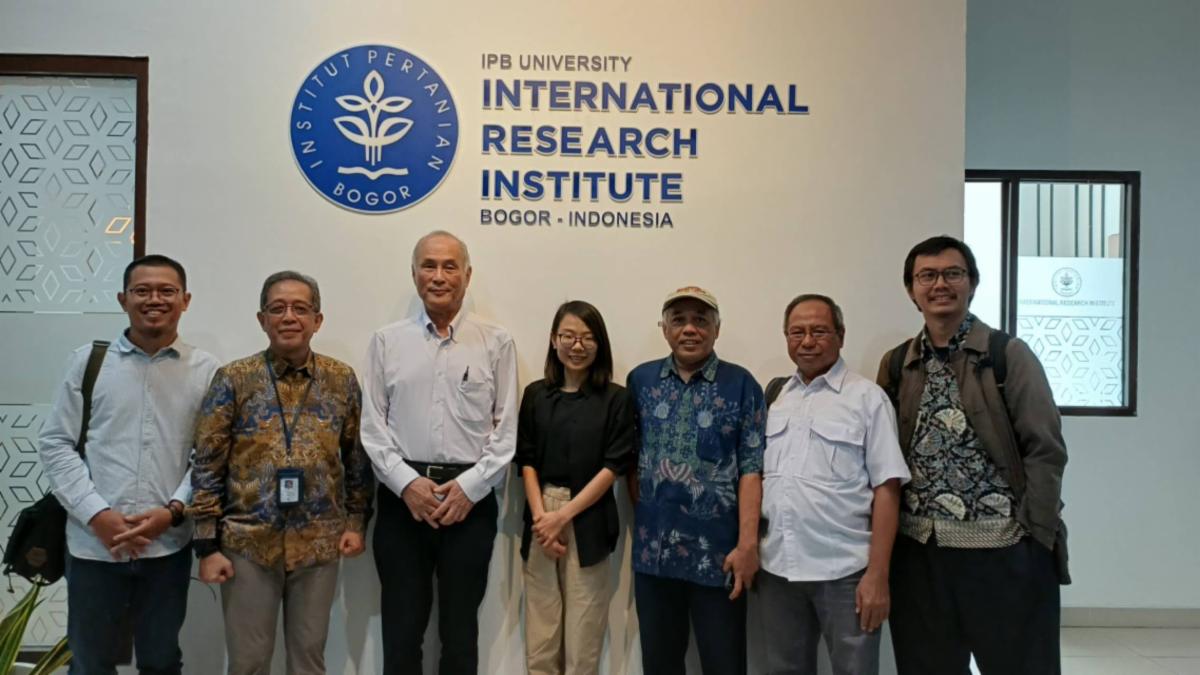
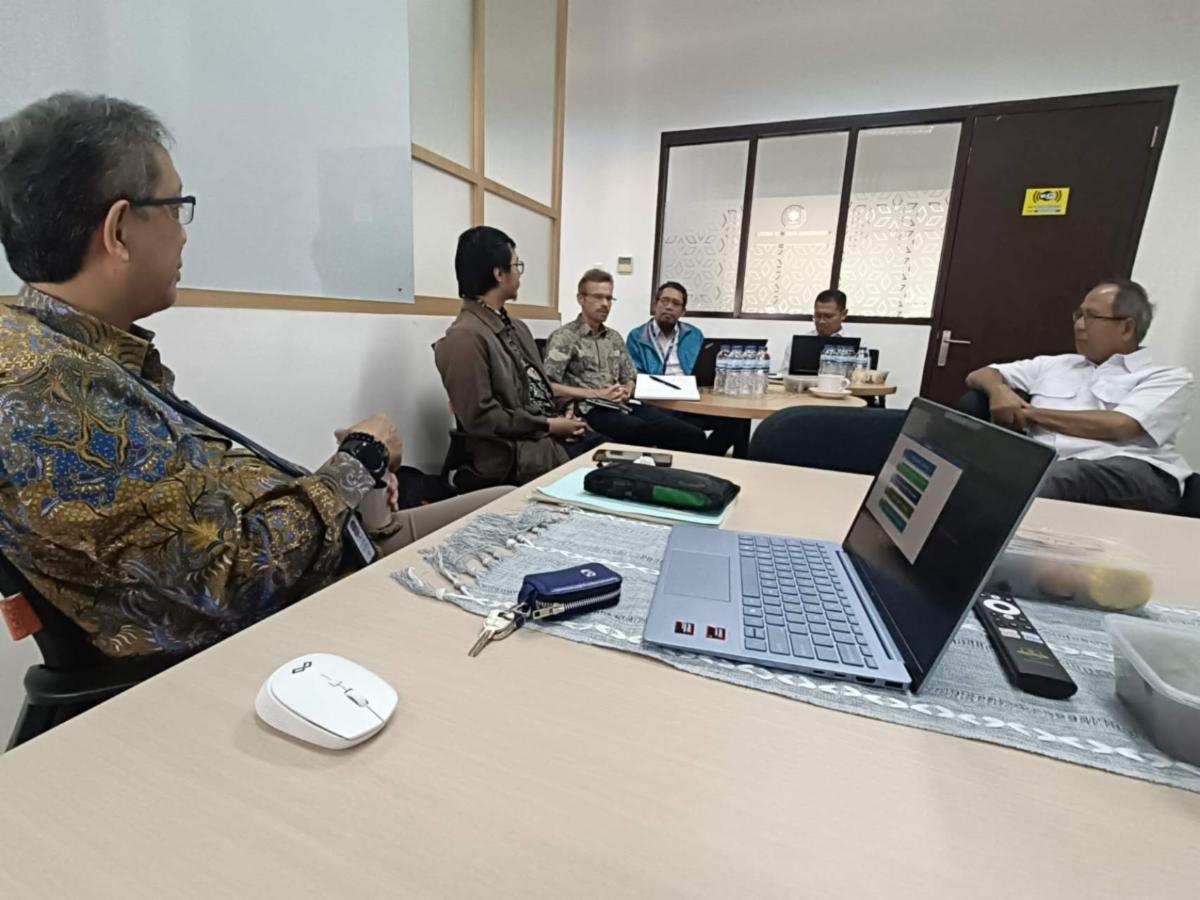
On 21 May 2026, the Core Network System (CNS‑IDN) construction meeting of the Meta‑Network Initiative was successfully held at IPB University, Bogor, Indonesia. The Meta‑Network is co‑led by Future Earth Coasts (FEC) and SIMSEA, bringing together global and regional expertise to advance coastal sustainability. This meeting was another key action‑oriented session following the launch of the FEC‑SIMSEA “Meta‑Network Initiative”. Its core objective was to translate the Meta‑Network concept into a distributed, polycentric and federated governance network suited to Indonesia’s archipelagic context, and to define its linkage with national and local policy decision cycles. Core members from FEC, Institute of Science Tokyo, BRIN (Indonesia’s National Research and Innovation Agency), MMAF (Ministry of Marine Affairs and Fisheries), PKSPL‑IPB, FFMS‑IPB, DAAD and UNPAD attended the meeting onsite. 

The meeting was convened by LRI i-MAR under the leadership of Prof. Luky Adrianto, who facilitated the strategic discussion on CNS-IDN implementation. Experts not only brought the comparative advantages and technical expertise of their respective institutions but also demonstrated a strong commitment to the principle of “long term rooting and co design”. Dr. Xiaoyu Fang, Co-Executive Director of FEC, shared FEC’s practical experiences from FEC’s global networks in Africa, Latin America and East Asia. Professor Kazuo Nadaoka, drawing on decades of ICM research in Japan and Southeast Asia, proposed concrete mechanisms for coupling a polycentric network with local decision nodes. Indonesian experts from BRIN, MMAF and IPB provided open and in‑depth analyses of national SDG 14 indicator progress, data availability and policy windows.

Click here to read more.


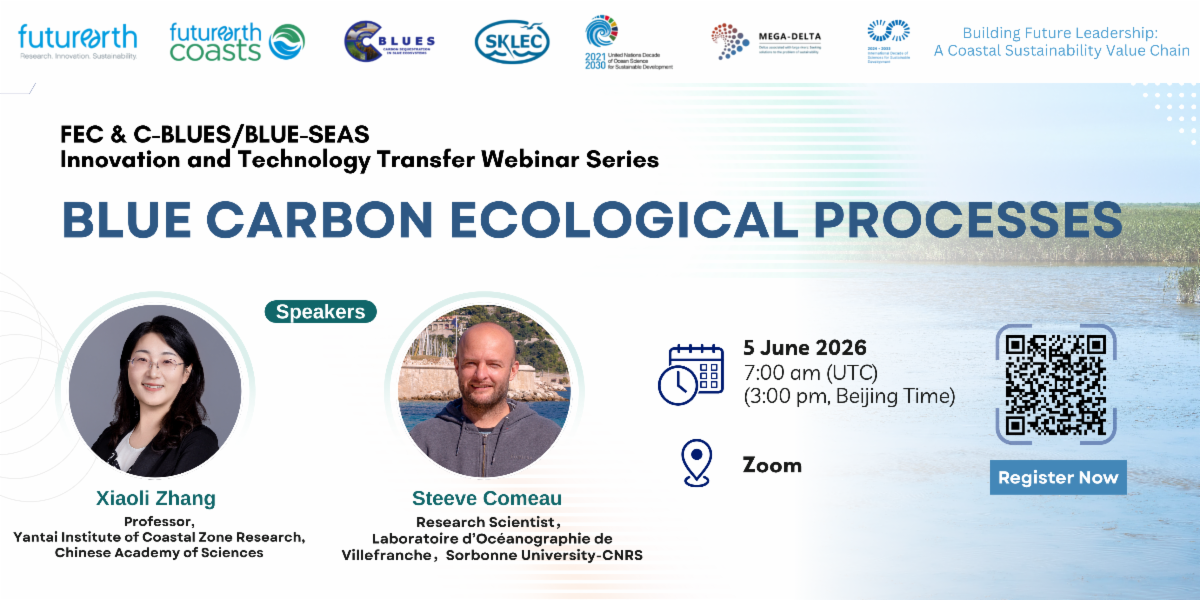
Exploring Blue Carbon Ecological Processes: Join Session 3 of the Innovation & Technology Transfer Webinar Series

Future Earth Coasts (FEC), in partnership with the C-Blues and Blue-Seas initiatives, is pleased to launch the third session of the Innovation and Technology Transfer Webinar Series. This series brings together researchers and professionals from around the world to share innovative approaches, cutting-edge technologies, and transferable methodologies. The goal is to advance blue carbon scientific research, ecological monitoring, and integrated management globally.


This session focuses on blue carbon ecological processes. By integrating field observations with controlled experiments, it investigates the mechanisms of carbon cycling and greenhouse gas emissions in seagrass beds under multiple stressors, thereby providing a scientific basis for blue carbon assessment and conservation in the context of climate change.

The webinar will feature:

Dr. Xiaoli Zhang on Emission Fluxes, Processes and Driving Mechanisms of Greenhouse Gases N2O and CH4 in Seagrass Beds, and

Dr. Steeve Comeau on Ecological Processes in Blue Carbon Ecosystems Under Multiple Stressors.


Date & Time

June 5, 7:00-8:00 AM UTC


Registration

The event is free to attend and open to all. Click here to register.


Click here to read more.


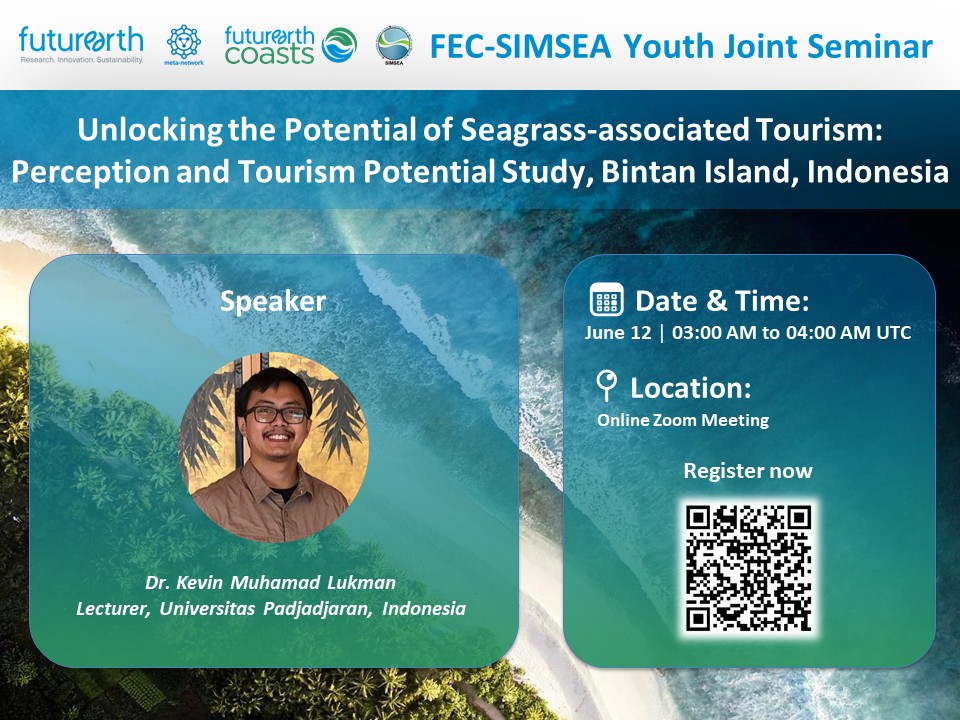
FEC-SIMSEA Youth Joint Seminar | Unlocking the Potential of Seagrass-associated Tourism: Perception and Tourism Potential Study, Bintan Island, Indonesia

TALK

  • Unlocking the Potential of Seagrass-associated Tourism: Perception and Tourism Potential Study, Bintan Island, Indonesia


Dr. Kevin Muhamad Lukman, Lecturer, Head Researcher of Sustainable Tourism Study Center, Universitas Padjadjaran, Indonesia


Seagrass ecosystems provide multiple benefits and various ecosystem services, however the ecosystem is now under threat from anthropogenic activities. To mitigate these threats, seagrass conservation is needed, yet the challenge of limited funding hinders the efforts. The concept of seagrass-associated tourism presents an opportunity to fund conservation efforts, while promoting seagrass ecosystem services, specifically related to cultural services of tourism activities, while also raising the awareness of seagrass’ importance. This study explores stakeholder perceptions of seagrass benefits, tourism feasibility, and threats to seagrass on Bintan Island, Indonesia. Our findings show strong stakeholder support for seagrass-associated tourism, but there are challenges that remain to be addressed, mainly the human activities that can threaten seagrass. This presentation recommends a crucial aspect of engaging local communities and various stakeholders to develop seagrass-based tourism while also promoting conservation efforts. Through the implementation of seagrass-associated tourism, the concept is expected to secure conservation funding and foster a sense of belonging and stewardship for seagrass. 


Registration


The event is free to attend and open to all. It will take place at 03:00 AM to 04:00 AM UTC on June 12.


Click here to register.


Click here to read more.


Designing Fairer Shores: Insights from Session 2 on Coastal Protection

Future Earth Coasts (FEC) hosted the second session of the Just Transitions Online Training Series on 12 May 2026, focusing on one of the most debated areas of coastal governance: how to ensure that coastal protection measures are fair, inclusive, and socially just. The session brought together practitioners, researchers, and community‑focused professionals to examine how adaptation choices shape both risks and opportunities for coastal societies.


Rethinking Coastal Protection Through a Justice Lens


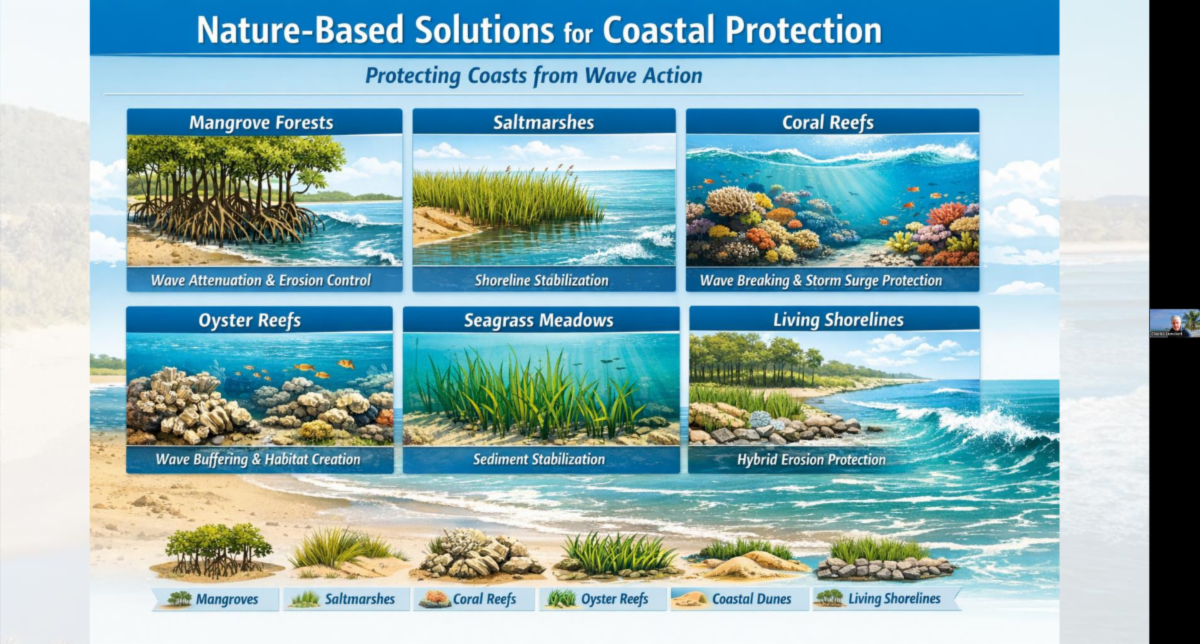
Prof. Charles Lemckert opened the session with an exploration of nature‑based solutions (NbS) and hybrid approaches. He emphasized that while NbS such as mangroves, dunes, reefs, and seagrasses can reduce wave energy and support biodiversity, their performance is influenced by ecological dynamics, climate variability, and long‑term environmental change. This introduces uncertainties that differ from the predictability of hard engineering structures.

Contrasting Pathways: Lessons from Cuba and Colombia


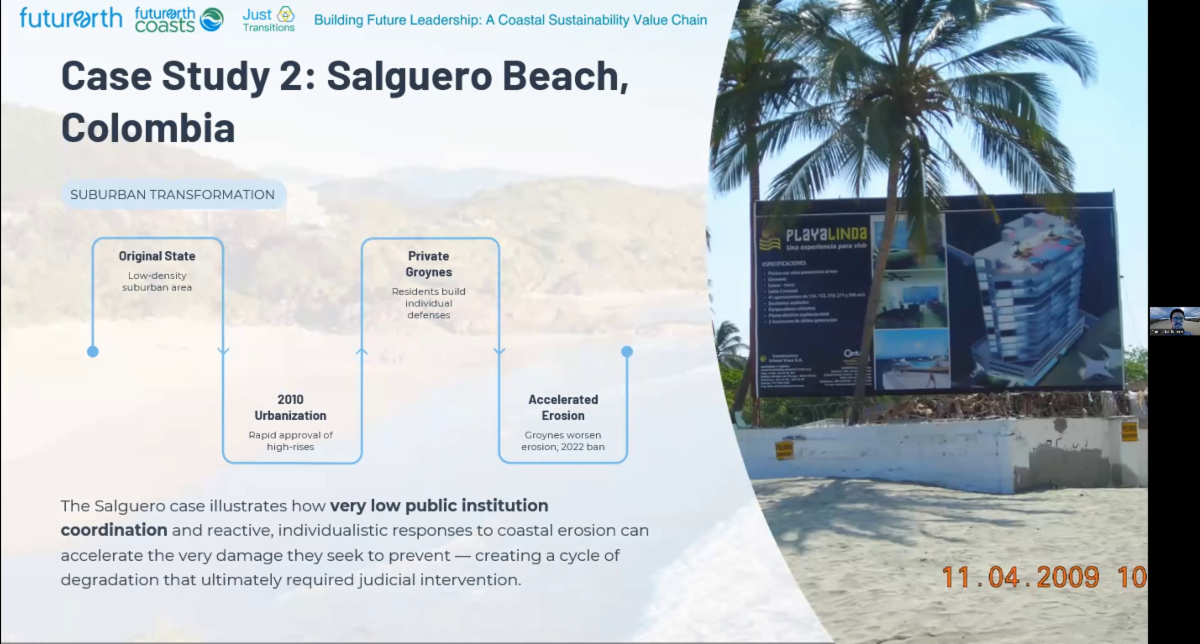
Dr. Camilo M. Botero presented a comparative analysis of Varadero Beach in Cuba and Salguero Beach in Colombia, illustrating how different governance choices lead to very different justice outcomes.

Click here to read more.


Click below to watch the recorded session:


Event Recap | Building Future Leadership Dialogues:

Seeing Coastal Change from the Deck of Novara

Future Earth Coasts hosted a live conversation on 21 May at 8:00 UTC with Nigel Jollands and Veronica Lysaght of Novara One Planet, moderated by Professor Bruce Glavovic. The co‑skippers shared insights from their multi‑year sailing expedition through some of the world’s most remote and climate‑exposed coastal regions.


During the Dialogue, Nigel and Veronica reflected on how their journey has evolved into a platform for community driven climate action. They described working with coastal communities in the Caribbean, Morocco, and the Arctic—supporting local leaders to identify priorities, navigate political realities, and access the resources needed to strengthen adaptation efforts.


Click below to watch the recording of this live interview.


Anthropocene Coasts:

Call for Papers – Tour de Coasts

Anthropocene Coasts is launching a new special collection titled Tour de Coasts.  

This special collection is supported by FEC and provides a forum for knowledge exchange about priority coastal sustainability concerns and aims to create a comprehensive understanding of coastal sustainability challenges and opportunities from a global perspective.


For this Special Collection, Anthropocene Coasts invites manuscripts of all aspects of coastal sustainability challenges and opportunities globally including but not limited to: governance; individual, cultural, community, and ecological health; effective and inclusive communication; human behavioral change; food, water, and housing security; ecological analyses; economics and financial incentives; potential for managed coastal retreat; technology and increased connectivity; coastal disease threats and health benefits; use crises to inform; and modeling. 

The submission deadline for this collection has been extended to June 30, 2026. You can access the topical collection via this link. 


Guest Editors 


Dr. Katya Altman, Bureau of Ocean Energy Management, USA 


Dr. Dwayne Porter, University of South Carolina, USA  

Dr. Heath Kelsey, University of Maryland, USA

Dr. Anja Scheffers, Southern Cross University, Australia 

Dr. Xiaoyu Fang, East China Normal University, China  

New Article Published in This Special Collection


Dutta, S., Al Balushi, M., Al Harbi, F., & Paul, S. (2025). Fisheries management of the Arabian Peninsula region with special emphasis to the Sultanate of Oman: perspectives of climate change adaptations. Anthropocene Coasts, 8(1), 1-14.

https://doi.org/10.1007/s44218-025-00088-8

FEC New Publications

Microplastic contamination in remote mountain lakes of the Americas: a baseline assessment from Patagonia and Northern California


María B. Alfonso, Facundo Scordo, Carina Seitz, Andrés H. Arias, Ana C. Ronda, Gian M. Mavo Manstretta, Sudeep Chandra, Gerardo M. E. Perillo, María C. Piccolo

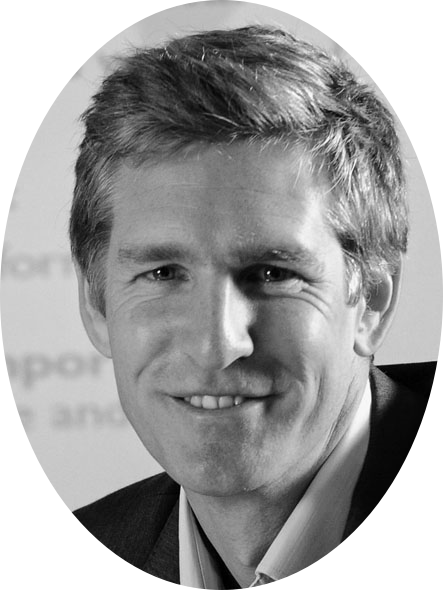
Prof. Gerardo M. E. Perillo

Abstract


Plastic pollution and its effects on freshwater ecosystem function are increasingly recognized, with recent research demonstrating that even remote environments are impacted. Despite growing evidence, the relative importance of local versus large-scale transport processes in delivering microplastics (MPs) to remote mountain lakes remains poorly understood. Surface water samples were collected by net trawling in 15 remote mountain lakes, eleven in the Patagonia region of Argentina and four in Northern California, United States, and analyzed by stereomicroscopy and Raman spectroscopy for MP concentration, shape, size, color, and polymer composition. MPs (≥ 80 µm) were detected at all sites, with concentrations ranging from 0.23 to 2.79 particles m−3 (mean: 0.75 ± 0.62 particles m−3). No significant difference in MP concentration was observed between regions (U = 12; p = 0.215), despite contrasting socioeconomic contexts. Fibers were predominant (70%), followed by fragments (24%) and films (6%), with most particles measuring less than 1 mm and over half under 0.5 mm. Ten polymer types were identified, with polyester (PES) and polyethylene terephthalate (PET) most common, primarily as fibers. No significant relationships were found between MP concentration and watershed characteristics, proximity to urban areas, public access, or altitude. The consistent MP signature across these remote lakes, regardless of morphology, accessibility, or geographic region, suggests that diffuse, large-scale transport mechanisms such as atmospheric deposition and watershed connectivity are more influential than localized point sources in remote freshwater systems. However, certain lakes near urban infrastructure or camping areas exhibited higher MP concentrations, indicating that localized anthropogenic influences may still contribute in specific cases. These findings underscore the extensive impact of MP pollution and highlight the need for coordinated mitigation strategies at local, regional, and global scales.


Click here to read more.


Beach law in the anthropocene


Timothy F. Smith, Justine Bell-James, John Page, Anja Scheffers, Giorgio Cataldo, Jennifer Corrin, Hossein Esmaeili, Miguel Frohlich, Adrienne Paul, Thomas Perroud, Jill Robbie, Hui Wang


Abstract


There is an urgent need to respond to the challenges of the Anthropocene, including climate change and sea-level rise. However, responses can be challenged by legal and institutional frameworks. In the context of sea-level rise, ownership structures for beaches and coastal areas can either facilitate or hinder effective responses. In this paper, we analyse ownership laws for beaches and coastal areas across many of the world's legal traditions.

Prof. Timothy F. Smith

We find that laws relating to the coast are dominated by a focus on the protection of private property rights and economic interests over that of environmental and Indigenous values, although public rights, such as access, present a more mixed picture, with arguably stronger protections in civil law jurisdictions. Legislators can redesign entrenched traditions through focusing on the systemic implications of their decisions. To enable the transformations required to address the challenges of the Anthropocene, reconstruction of what ‘ownership’ means (private and public) will need to be underpinned by a future-oriented set of legal principles based on notions of environmental justice.


Click here to read more.


Coastal Radar

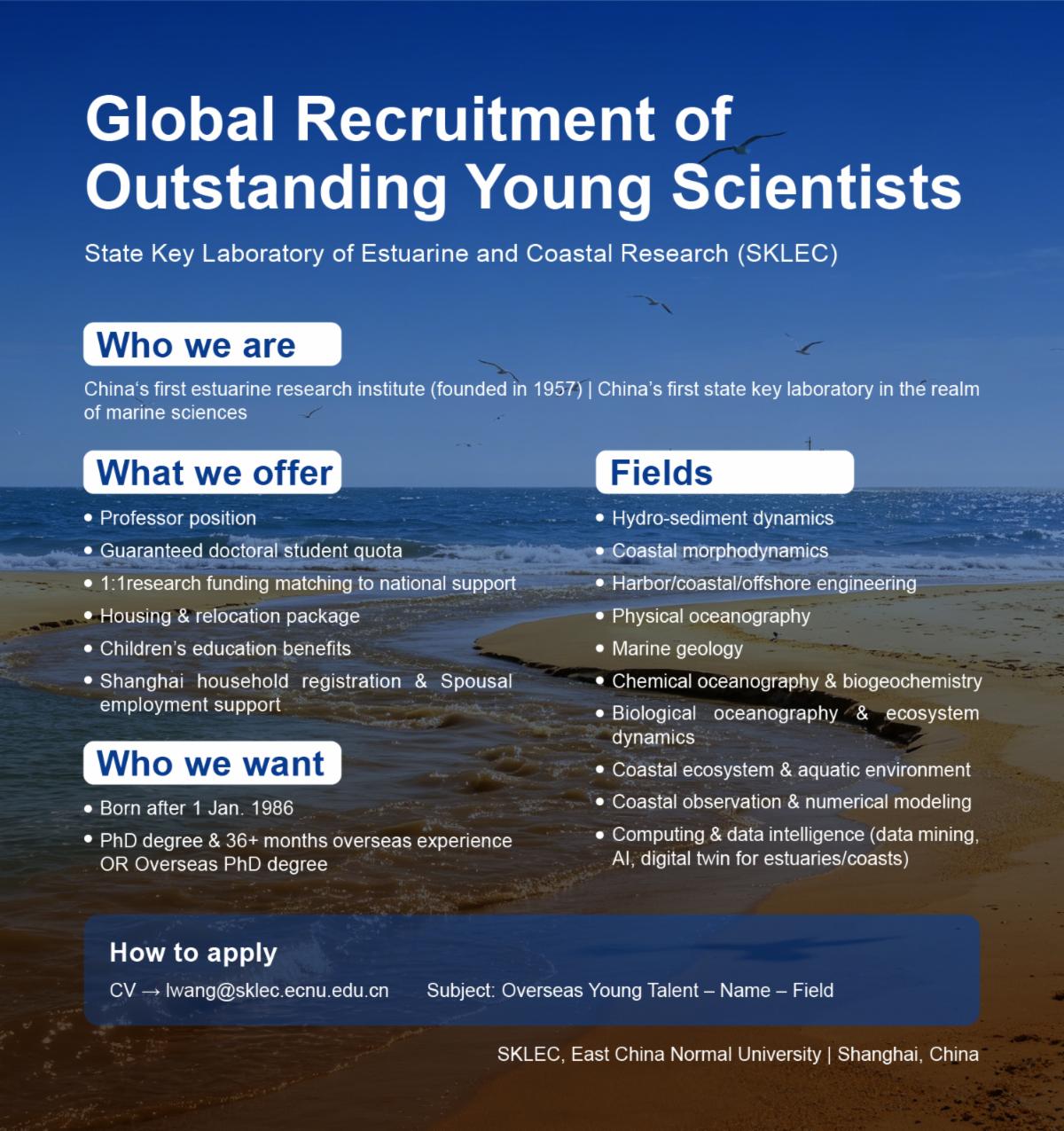
Updates from the Host Institution of the FEC IPO China | Global Recruitment of Outstanding Young Scientists

Global Recruitment Opportunity

The State Key Laboratory of Estuarine and Coastal Research (SKLEC)—established in 1957 as China’s first national laboratory dedicated to estuarine and coastal studies and based in Shanghai—is recruiting outstanding early‑career scientists (born after 1 January 1986) with an overseas PhD or international research experience.


SKLEC offers a competitive package that includes a professorship appointment, PhD student quota, research funding, housing support, education assistance, and spousal employment support.


How to Apply

Please send your CV to lwang@sklec.ecnu.edu.cn with the subject line:

Overseas Young Talent – [Name] – [Field]


Application Deadline: 31 May 2026


CALL for PAPERS: Special Issue on The Future of Beaches: 2050 and beyond?

The future of beaches: 2050 and beyond?


A special issue of Space and Culture


Co-edited by Associate Professor Marina De Souza Sartore (Federal University of Sergipe, Sergipe, Brazil) and Associate Professor Nick Osbaldiston (James Cook University, Cairns, Australia)


This special issue calls for papers to address this in the following (non-exhaustive) list of potential topics or themes

  • The future impact of climate change, sea level rise and storms on the viability of beaches and what this will mean for cultural valuation of the beach into the future.
  • Private/public debates in relation to beach ownership, where this is tracking (using case studies or empirical examples), and what it will mean for the future of public access to beaches
  • Changing cultural values on the beach – will we see another shift on beach lifestyles and valuations as modernity progresses further?
  • What will the future of leisure practices/sports be?
  • What is the future of beaches that remain relatively untouched?
  • How is beach pollution impacting on our enjoyment of beaches today, and what will this mean for future generations?
  • What sorts of conflict are we seeing more on beaches today? What will this look like in fifty, or a hundred years from now?
  • The beach tourist – what do they look like and what potential possibilities are there for a different form of tourism to flourish in the near future?
  • Increasingly, non-humans (animals, waves, sand, etc) are recognized as having a role in beachside living. Often in history, we have attempted to control this to promote the idyllic beach. However, as climate change and sea-level rise take shape, how will non-humans' impact on beachside living?
  • Beaches have long been culturally framed as exotic spaces, sites for national defense, religious places, therapeutic retreats, and venues for leisure. Today, however, other frames are emerging: beaches as commodities, financial assets, paradises, and beyond. How might these new interpretations reshape our understanding of beaches and their future?
  • Traditional beach leisure practices and sports, for example, surf institutions, are important social actors in shaping cultural and social life on the beach. What are their challenges today and what should be their role in the future?


Key Dates

  • EOI emails inclusive of a 250-word abstract to be sent to nick.osbaldiston@jcu.edu.au by the 30th of May 2026.
  • Acceptance of abstracts – June 15th, 2026
  • Full papers due to the journal for peer review – 1 October, 2026
  • Estimated publication – early/mid 2027


For any queries, please contact the editorial team at nick.osbaldiston@jcu.edu.au.


Click here to read more.

New FEC Publications (Since April 2026)

○ Alfonso MB, Scordo F, Seitz C, Arias AH, Ronda AC, Mavo Manstretta GM, Chandra S, Perillo GME and Piccolo MC (2026) Microplastic contamination in remote mountain lakes of the americas: a baseline assessment from Patagonia and Northern California. Front. Toxicol. 8:1851245.

doi: 10.3389/ftox.2026.1851245

○ Charuka, B., Angnureng, D. B., Adhiambo, R. T., Tutu, G. O., Ekumah, N. O., Grace, A. E., ... & Aheto, D. W. Adaptation in Coastal Areas of Ghana: Opportunities and Challenges for a Just Transition. Just Transition and Climate Justice in Sub-Saharan Africa, 133-153.

https://doi.org/10.4324/9781003669593-12

○ Conner, W. H., Day, J. W., Day, R. H., Duberstein, J. A., Hunter, R. G., Keim, R. F., ... & Wolfe, B. T. (2026). Sustainable Management of Coastal Freshwater Forested Wetlands in the Mississippi River Delta. Forests, 17(4), 514.

https://doi.org/10.3390/f17040514

○ Lutalo, B., Matovu, B., Sarfo, I., Semakula, H. M., Mukwaya, P., Turyahabwe, N., & Mwangu, A. R. (2026). Sand mining in Africa: Value chains, sustainability dilemmas, and key lessons for extractive industries. The Extractive Industries and Society, 27, 101952.

https://doi.org/10.1016/j.exis.2026.101952

○ Mwabvu, B., Matovu, B., & Viswanathan, P. K. (2026). Co-designing the future of smallholder farming amidst anthropogenic and environmental complexities: Critical options and narratives for sustainable agriculture practices in India. Sustainable Futures, 11, 101899.

https://doi.org/10.1016/j.sftr.2026.101899

○ Paul, S. (2026). Copepods of a creek and an inter-tidal beach: perspectives from Sagar Island of Ganges estuary, India. Community Ecology, 1-11.

https://doi.org/10.1007/s42974-026-00303-7

○ Smith, T. F., Bell-James, J., Page, J., Scheffers, A., Cataldo, G., Corrin, J., ... & Wang, H. (2026). Beach law in the anthropocene. Ocean & Coastal Management, 278, 108213.

https://doi.org/10.1016/j.ocecoaman.2026.108213


FEC Publications (April, 2025 - March, 2026)

○ Adhiambo, R., Mensah, P. K., Koomson, A., & Acheampong, E. (2025). Navigating stress: Impacts of temperature, polycyclic aromatic hydrocarbons, and heavy metals on the diatom Thalassiosira weissflogii adapted to tropical waters of the Gulf of Guinea. Aquatic Toxicology, 107388.

https://doi.org/10.1016/j.aquatox.2025.107388

○ Celliers, L., Ferse, S., Bruns, A., Eisenack, K., Hornidge, A. K., Klepp, S., ... & Rölfer, L. New rationalities, inner logic, and hope for sustainable future coasts. Global Sustainability, 1-21.

https://doi.org/10.1017/sus.2025.10041

○ Cumming, G. S., Rogers, A. A., Collins, T. G., Cuttler, M. V., Elrick-Barr, C. E., Gliottone, I., ... & Wilson, S. K. (2025). Social-ecological contributions of protected areas to their surroundings. One Earth, 8(12).

https://www.cell.com/one-earth/abstract/S2590-3322(25)00288-X

○ Cunha, J., Elliott, M., Villasante, S., Balbi, S., Cabecinha, E., & Ramos, S. (2025). Assessing cumulative risks to coastal and marine habitats under management and climate change scenarios: The case of northern Portugal. Ocean & Coastal Management, 268, 107756.

https://doi.org/10.1016/j.ocecoaman.2025.107756

○ Davies-Vollum, K. S., Puttick, S., Agyekhumene, A., Amolegbe, T., Aneyo, I., Boateng, I., ... & Sohou, Z. (2025). A stakeholder-informed framework for the sustainable management of coastal lagoons in West Africa. Anthropocene Coasts, 8(1), 1-11.

https://link.springer.com/article/10.1007/s44218-025-00093-x

○ Day, J. W., Conner, W. H., Ewel, K. C., Hunter, R., Kemp, G. P., Lane, R., ... & Rybczyk, J. (2025). Integrating human and natural systems from a global systems perspective. Ecological Modelling, 510, 111351.

https://doi.org/10.1016/j.ecolmodel.2025.111351

○ Defeo, O., Corte, G., Barboza, C. A., Debiasi, P., Costa, L. L., Elliott, M., ... & McLachlan, A. (2025). Sandy beaches within meta-social-ecological systems: An integrated framework for ecology, management, and conservation. Estuarine, Coastal and Shelf Science, 109350.

https://doi.org/10.1016/j.ecss.2025.109350

○ Duan, Y., Sanchez-Azofeifa, A., Chen, C., Tian, B., Li, X., Sengupta, D., & Zhou, Y. (2026). S2Coast-2023: The first global 10-meter resolution coastline dataset derived from enhanced Sentinel-2 composite imagery using Google Earth Engine. Remote Sensing of Environment, 334, 115186.

https://doi.org/10.1016/j.rse.2025.115186

○ Dutta, S., Al Balushi, M., Al Harbi, F., & Paul, S. (2025). Fisheries management of the Arabian Peninsula region with special emphasis to the Sultanate of Oman: perspectives of climate change adaptations. Anthropocene Coasts, 8(1), 1-14.

https://doi.org/10.1007/s44218-025-00088-8

○ Elliott, M., Borja, Á., & Cormier, R. (2025). Managing marine resources sustainably–But how do we know when marine management has been successful?. Ocean & Coastal Management, 265, 107623.

https://doi.org/10.1016/j.ocecoaman.2025.107623

○ Elliott, M., Cormier, R., & Borja, Á. (2025). Making sense of marine management–The ten-tenets revisited. Marine Pollution Bulletin, 221, 118580.

https://doi.org/10.1016/j.marpolbul.2025.118580

○ Elrick-Barr, C. E., Smith, T. F., & Thomsen, D. C. (2025). Practitioner perspectives of wellbeing in rapidly changing Australian coastal communities. Ocean & Coastal Management, 266, 107668.

https://doi.org/10.1016/j.ocecoaman.2025.107668

○ Galparsoro, I., Montero, N., Mandiola, G., Menchaca, I., Borja, Á., Flannery, W., ... & Stelzenmüller, V. (2025). Assessment tool addresses implementation challenges of ecosystem-based management principles in marine spatial planning processes. Communications Earth & Environment, 6(1), 55.

https://doi.org/10.1038/s43247-024-01975-7

○ Genchi, S. A., Vitale, A. J., & Perillo, G. M. (2025). Coastal cliff erosion: a bibliometric analysis and literature review. Anthropocene Coasts, 8(1), 1-18.

https://doi.org/10.1007/s44218-025-00072-2

○ Gutierrez, D., Calado, H., Toor, F. v., Moreira, M., Paramio, M. L., Martins, F., Santos, N., Melo, N., & Newton, A. (2025). Empowering Maritime Spatial Planning and Marine Conservation Efforts Through Digital Engagement: The Role of Online Platforms. Sustainability, 17(14), 6371.

https://doi.org/10.3390/su17146371

○ Herrera-Silveira, J. A., Pech-Cárdenas, M., Cinco-Castro, S. G., Pech-Poot, E., Árcega-Cabrera, F., Iturria-Dawn, R., ... & Teutli-Hernández, C. (2025). Mangrove blue carbon in Laguna de Términos, México, a protected area: spatial variability, sources and factors related. Regional Studies in Marine Science, 104390.

https://doi.org/10.1016/j.rsma.2025.104390

○ Jiang, W., Huang, Z., Dai, Z., Luo, J., Zeng, W., & Liang, X. (2025). Attenuation of hydro‐sediment dynamics progradation over mangrove wetland. Journal of Geophysical Research: Oceans, 130(2), e2024JC021531.

https://doi.org/10.1029/2024JC021531

○ Li, Y., Donnelly, J. P., Gao, S., Gao, J., Bramante, J. F., & Kotra, K. K. (2026). Reconstructing 3100 years of extreme coastal flooding events from Emau Island, Vanuatu. Quaternary Science Reviews, 373, 109733.

https://doi.org/10.1016/j.quascirev.2025.109733

○ Li, Y., Robinson, S. V., Nguyen, L. H., & Liu, J. (2023). Satellite prediction of coastal hypoxia in the northern Gulf of Mexico. Remote Sensing of Environment, 284, 113346.

https://doi.org/10.1016/j.rse.2022.113346

○ Li, Y., Xia, Z., Nguyen, L., Wan, H. Y., Wan, L., Wang, M., ... & Liu, J. (2025). Spatiotemporal dynamics of coastal dead zones in the Gulf of Mexico over 20 years using remote sensing. Science of The Total Environment, 979, 179461.

https://doi.org/10.1016/j.scitotenv.2025.179461

○ Liang, X., Dai, Z., Mei, X., Wang, R., Zeng, W., & Fagherazzi, S. (2025). Hurricanes induced irreversible large‐scale loss of mangrove forests. Geophysical Research Letters, 52(9), e2025GL115692.

https://doi.org/10.1029/2025GL115692

○ Matovu, B., Bleischwitz, R., Lukambagire, I., Alkoyak-Yildiz, M., Tarek, R., Etta, L., ... & Hsieh, Y. L. (2025). Examining the perceptions and attitudes toward Women's employment and leadership in the blue economy: A case study of India. Social Sciences & Humanities Open, 11, 101537.

https://doi.org/10.1016/j.ssaho.2025.101537

○ Matovu, B., Mim, T. A., & Lutalo, B. (2025). Where and how can Africa and India leverage the blue economy opportunities of the Indian Ocean region as a driver for sustainable development and partnerships?. Sustainable Futures, 10, 101218.

https://doi.org/10.1016/j.sftr.2025.101218

○ Niu, D., Tan, Y., Ma, C., Qi, Y., Li, Y., Li, Y., & Tang, J. (2025). Reservoir artificial flood discharge is a critical driver for the compositional and functional shifts of dissolved organic matter in river mouth. Communications Earth & Environment, 6(1), 996.

https://doi.org/10.1038/s43247-025-02920-y

○ Niu, D., Li, Y., Tan, Y., Ma, C., Qi, Y., Li, Y., & Tang, J. (2025). The impact of water-sediment regulation scheme (WSRS) on the chemistry of dissolved organic matter in the Yellow River estuary and adjacent waters. Water Research, 123669.

○ Nogueira, S. F., Vitale, A. J., Genchi, S. A., Roth, A., Vargas, S. M., Siben, A., ... & Perillo, G. M. (2025). Design and development of a cost-effective buoy using 3D printing for coastal monitoring. HardwareX, e00657.

https://doi.org/10.1016/j.ohx.2025.e00657

○ Ogier, E. M., Pecl, G. T., Hughes, T., Lawless, S., Layton, C., Nash, K. L., & Morrison, T. H. (2025). Novel marine-climate interventions hampered by low consensus and governance preparedness. Nature Climate Change, 1-10.

https://doi.org/10.1038/s41558-025-02291-4

○ Ogier, E. M., Pecl, G. T., Hughes, T., Lawless, S., Layton, C., Nash, K. L., & Morrison, T. H. (2025). Enhance responsible governance to match the scale and pace of marine–climate interventions. Nature Climate Change, 1-2.

https://doi.org/10.1038/s41558-025-02292-3

○ Onwubiko, C. C., & Aheto, D. W. (2025). Assessing the Role of Coastal Habitats in Flood Reduction in Selected Communities of Rivers State. Coasts, 5(2), 17.

https://doi.org/10.3390/coasts5020017

○ Paul, S., Karan, S., & Bhattacharya, B. D. (2026). Short-term impact of cyclone Yass on the copepod community of Muriganga estuary of India. Discover Ecology, 2(1), 7.

https://doi.org/10.1007/s44396-026-00024-1

○ Salazar, Y. C. A., Genchi, S. A., Nuciari, L., Perillo, V. L., Piccolo, M. C., & Perillo, G. M. (2025). MiSMoS (MicroScale Morphology System): an inexpensive new method to survey 3D surface micromorphology. Latin American Journal of Sedimentology and Basin Analysis.

https://lajsba.sedimentologia.org.ar/lajsba/article/view/264

○ Valiela, I., Chenoweth, K., & Day, J. (2025). Meta-analysis of vegetation responses to experimental nitrogen enrichments done in salt marshes under different sea level rise regimes reveal interaction of N supply and sea level rise. Science of The Total Environment, 975, 179198.

https://doi.org/10.1016/j.scitotenv.2025.179198

○ Vivian, C., Boettcher, M., Elliot, M., Mengis, N., Merk, C., Oschlies, A., ... & Gupta, A. (2025). The State of the Science for Marine Carbon Dioxide Removal (mCDR)–A Scientific Summary for Policy-Makers.

https://doi.org/10.5281/zenodo.15490407

○ Wu, S., Hu, Y., Zhao, W., Gong, L., Song, Y., Li, C., ... & He, Q. (2025). Human flood adaptation characteristics: A comparative study of three global river deltas. Journal of Hydrology, 133531.

https://doi.org/10.1016/j.jhydrol.2025.133531

○ Yang, J., Dai, Z., Mei, X., Lou, Y., & Fagherazzi, S. (2025). Wetland gain and loss in the Mississippi River bird‐foot delta. Earth's Future, 13(6), e2024EF005003.

https://doi.org/10.1029/2024EF005003

○ Zhao, X., Kaniewski, D., Wang, Y., Marriner, N., Salem, A., Alassal, S. E., ... & Chen, Z. (2025). On the long and winding road: unravelling the late emergence of Neolithic agriculture in the Nile Delta. Quaternary Science Reviews, 359, 109368.

https://doi.org/10.1016/j.quascirev.2025.109368

○ Zhao, X., Kaniewski, D., Wang, Y., Marriner, N., Salem, A., Liu, Y., ... & Chen, Z. (2025). Holocene trends in Nile Delta fire regimes driven by cropland expansion and reduced precipitation. Quaternary Science Reviews, 361, 109412.

https://doi.org/10.1016/j.quascirev.2025.109412


FEC Official Journal

Anthropocene Coasts

special column

Anthropocene Coasts, the official journal supported by Future Earth Coasts, is archived by 17 databases, such as Emerging Sources Citation Index (ESCI), SCOPUS, Google Scholar, Catalogue of Chinese High-Quality Sci-Tech Journals (Geosciences), CLOCKSS, CNKI, Wanfang, CNPIEC, Dimensions, EBSCO Discovery Service, Naver, EBSCO Discovery Service, OCLC WorldCat Discovery Service, Portico, ProQuest-ExLibris Primo, ProQuest-ExLibris Summon, TD Net Discovery Service.


Official Website:

https://www.springer.com/journal/44218

Submission system:

https://www.editorialmanager.com/anth/default1.aspx

Call for Papers:

Understanding Coastal Processes and Human-Environmental Interactions in the Anthropocene: Multidisciplinary Perspectives


GUEST EDITORS:


Dr. Qiang Yao

Prof. Kai Tan

Prof. Haibo Zou

Prof. Cheryl Harrison

Dr. Érika Ferreira Rodrigues 


This special collection is designed to explore the complex human-environmental interactions within coastal settings, emphasizing the wide spectrum of processes shaping coastal landscapes and human responses to these changes. We invite contributions from traditional geoscience studies, field investigations, ecological assessments, and remote sensing analyses, along with innovative DL and ML methodologies. By accommodating diverse scientific perspectives and methods, this issue seeks to foster a deeper understanding of the complexities surrounding coastal hazard dynamics and resilience strategies, ultimately contributing valuable insights toward more informed and sustainable coastal restoration efforts.


In alignment with the United Nations Sustainable Development Goals (SDGs), this collection particularly supports: • SDG 11 – Sustainable Cities and Communities • SDG 13 – Climate Action • SDG 14 – Life Below Water • SDG 15 – Life on Land • SDG 17 – Partnerships for the Goals


Submission deadline

31 May 2026


Click here to read more.

Online Resources

"World Large River and Delta Systems Source-to-Sink Online Talk Series" continue to update!

Links:

(1) Bilibili: https://space.bilibili.com/441864512

(2) YouTube:https://tinyurl.com/s2stalks


For more resources in 2022: https://meas.ncsu.edu/sealevel/s2s/talks.html

Most of our subscribers are coasts-related researchers. If you would like to put some recruitment information or share some latest news about coastal research in FEC monthly newsletter, please feel free to contact us through fecchina@ecnu.edu.cn.

FEC IPO is supported by:
 
Follow us on Wechat !
「FEC微信公众号」


FEC IPO-China

联系方式:

FEC 国际项目办公室(中国)| 河口海岸学国家重点实验室
华东师范大学
东川路500号 上海 | 200241

邮箱 | fecchina@ecnu.edu.cn
Contact details:

FEC IPO (China)
State Key Laboratory of Estuarine and Coastal Research
East China Normal University
No.500, Dong Chuan Rd. Shanghai | 200241

Email | fecchina@ecnu.edu.cn
 
 
Facebook  Twitter  Linkedin