|
Fire, Water, Electrical Safety
Modern homes and buildings incorporate the latest building codes and are designed to minimize the possibility and effects of fire and other risks. While building safety professionals help maintain these systems, there are preventative tasks that all contribute to occupant health, occupant safety and security and overall sustainability. Here we've listed a few brief fire safety tips, and be sure review our guides on home fire, electrical and water safety below.
- Develop and practice a fire escape plan. Keep hallways clear of obstructions, do not block or obstruct emergency escape windows and exit doors.
- Put a smoke alarm on every level of your home, outside each sleeping area and inside every bedroom. Test each smoke alarm regularly and keep batteries fresh by replacing them annually.
- Never overload electrical cords or power strips, and don’t use appliances that have damaged cords.
- Make sure all pedestrian gates in the barrier fence for your pool are self-closing and self-latching. Other gates should be equipped with a locking device and should be locked.
- Keep all items that can burn away from your home, clean leaves from your gutters and clear dead leaves and branches from shrubs and trees.
Find out more.
Disaster Preparedness
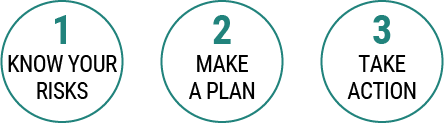
Just like scouting an opposing team before the big game, it's an individual, family and community responsibility to know which disasters you're at an increased risk for, and how to mitigate those risks by leveraging tips and building codes specific to each disaster. Review these simple, life-saving tips in the resources below, and check out our Safety Toolkits and Ready.gov for specific tips on dealing with earthquakes, extreme heat, floods, home fires, hurricanes, tornados, wildfires and more.
- Remember, keep it simple:
|