Trouble reading this briefing? View as webpage.

Friday | Oct 23, 2026

Stocks stabilize after rout.

  • Stocks are stabilizing after yesterday’s rout in the AI trade, though further gains in oil prices are keeping sentiment cautious.
  • The euro area’s private sector slowed more than expected in October, weighed down by France, the region’s No. 2 economy, as it grapples with fiscal and political tensions.
  • Asian stocks pared earlier losses, with the Kospi trimming its more than 4% drop to less than 1%. Nikkei recovers to trade ~0.7% lower. US equity index futures fluctuate between gains and losses, with Nasdaq-100 contracts steady after the cash benchmark slumped almost 3% in the US session.
  • The 10-year Treasury yield was little changed at 4.96%, after plunging 17bps in the US as a rout in AI stocks and market turmoil in France fueled haven demand. A gauge of the inverse relationship between US government bonds and AI-focused stocks has strengthened to levels last seen a year ago. JGBs extended gains, with the benchmark yield falling ~10 basis points to 2.78%. Meanwhile, Japan’s key price gauge rose above the BOJ’s target level for the first time this year.
  • Treasuries rallied for their best day in more than a year. French bond stress intensified, driven by a broad flight from risk and the threat of another round of weekend protests. The yen surged to a 156 handle against the dollar as a global equity selloff boosted demand for havens.

Capital remains available, but investors are becoming more selective about valuation, liquidity, and risk. US financial markets faced renewed pressure this week as investors reassessed technology valuations, private-market liquidity, and inflation risks. Sharp declines in AI-related equities exposed concerns over capital-intensive growth and debt-financed infrastructure, while Blackstone's earnings highlighted the widening gap between strong institutional capital inflows and slowing investment realizations. Rising oil prices and Treasury yields added pressure across asset classes, even as new federal stablecoin rules advanced the regulatory framework for digital finance.


let's recap...

OCC finalizes federal stablecoin regulatory framework

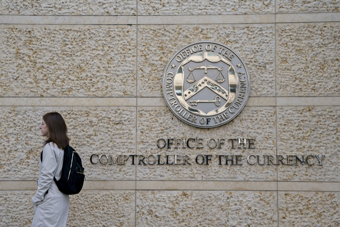
The Office of the Comptroller of the Currency issued a final rule on October 21 implementing most of the GENIUS Act's regulatory requirements for payment stablecoin issuers. The framework establishes standards for reserve backing, redemption, risk management, and certain custody activities involving OCC-supervised institutions. The rule takes effect January 18, 2027, while separate requirements addressing anti-money laundering and sanctions compliance remain under development. The measure establishes a federal supervisory framework for stablecoin issuance, with implications for banks, digital-asset custodians and institutional payment infrastructure. (Banking Dive)


Technology selloff sends Nasdaq to four-month low in daily performance

US technology stocks fell sharply on October 22 as investors reassessed returns on artificial-intelligence spending after major technology companies reported earnings. The Nasdaq 100 fell nearly 3%, its worst daily performance in four months, while semiconductor shares fell sharply. Meta fell about 7%, and Tesla declined about 2%, despite earnings that beat expectations, as concerns about capital expenditures and profitability weighed on valuations. The selloff also increased demand for US Treasuries and widened corporate credit spreads. (CNBC)


Blackstone reports declining investment realizations despite strong inflows

Blackstone reported third-quarter results on October 22, showing net investment realizations down 34% to about $332 million as higher borrowing costs and market volatility constrained asset sales. Distributable earnings declined 13% to $1.32 per share, while net inflows exceeded $63 billion, lifting assets under management to $1.37 trillion. Credit and insurance strategies attracted approximately $36 billion of new capital. The results highlighted the divergence between continued institutional allocations to alternative assets and reduced liquidity from private-market investment exits. (InvestmentNews)


Treasury yields jump as Middle East developments drive oil higher

US Treasuries sold off on October 21 after reports of escalating Middle East tensions sharply raised oil prices. The two-year Treasury yield rose as much as five basis points to 4.83%, its highest level in a week, while the dollar strengthened and US equities retreated. West Texas Intermediate crude futures climbed toward $98.50 a barrel during the afternoon session. The simultaneous moves in energy, government bonds and equities reflected renewed inflation concerns and changing expectations for Federal Reserve policy. (Bloomberg)


US equities record worst week since June as AI shares slide

US stocks closed sharply lower on October 16, with the Nasdaq Composite down 2.1% and the S&P 500 down 1.1%, marking their weakest week since June. The Nasdaq lost approximately 4.5% over the week as semiconductor and AI infrastructure companies faced selling pressure. CoreWeave declined 12% on Friday, extending its five-session loss to approximately 25%, while yields on its bonds rose above 15%. The declines underscored growing investor scrutiny of debt-financed AI infrastructure and companies' ability to generate enough cash flow to service borrowing. (Associated Press)


a little bit of cyber + AI

AI-discovered PHP vulnerabilities trigger global security emergency

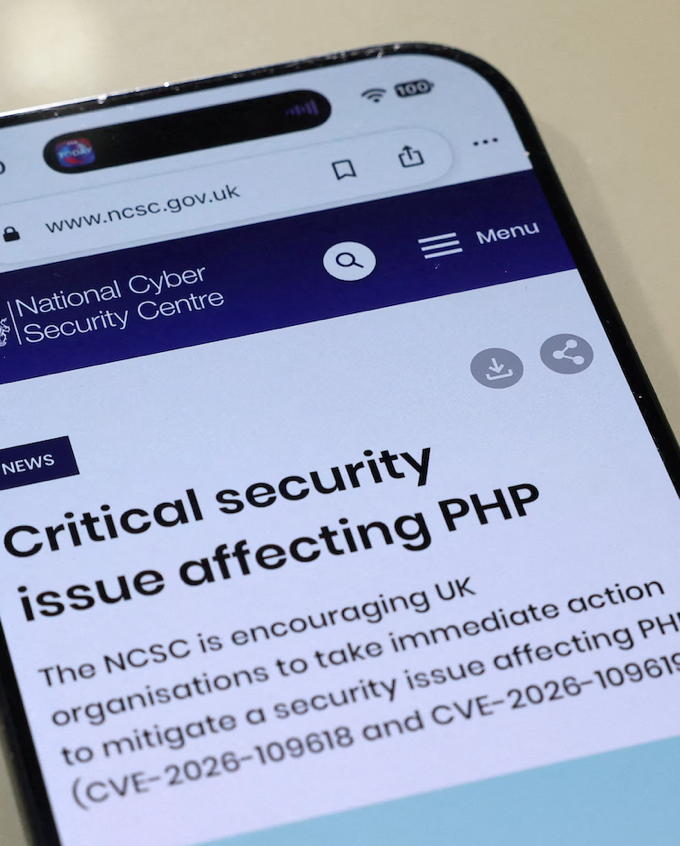
Two critical vulnerabilities in PHP, the programming language used by about 70% of websites, prompted emergency security updates on October 21 after researchers used AI tools to uncover flaws that could let unauthenticated attackers execute code on vulnerable servers. The disclosure triggered widespread scanning and exploitation attempts, precautionary service shutdowns, and urgent patching by website operators and cloud providers. The incident highlights both AI's expanding role in vulnerability discovery and how quickly newly disclosed flaws can become active threats. (Axios)


Microsoft links China-aligned hackers to AI-powered ConnectWise attack

Microsoft disclosed on October 21 that the China-aligned threat group Storm-0940 used the ARTEX agentic AI penetration-testing framework to accelerate attacks against Microsoft 365 customers through compromised identities in the ConnectWise Cloud Backup application. The attackers attempted to access more than 2,250 tenants at rates reaching 2,900 sign-in attempts per minute, with evidence of subsequent reconnaissance, credential modifications, and persistence activity across multiple environments. ConnectWise began phased service restoration on October 22 while advising affected customers to maintain restrictions on compromised connections. (Cybersecurity Dive)


AI agents used to compromise more than 100 websites in automated campaign

A Reuters investigation published October 19 detailed how a Chinese-speaking hacker used AI agents and approximately $5,000 in resources to conduct more than 1,200 intrusion attempts, compromising over 100 websites. Reuters identified affected organizations, including Deere, SharkNinja, and Cummins, after reviewing the attacker's activity. The findings document the use of autonomous AI systems to conduct cyber intrusions at scale with comparatively limited financial resources, raising operational concerns about attack volume, automation, and defensive response capacity. (The Next Web)


binge reading disorder

Illustration by Olivia Sheehy | InsideHook

What your cocktail order says about you

Your drink order may reveal more than your taste in alcohol. Bartender Dani Brand offers a cheeky field guide to barroom personalities, from Long Island Iced Tea drinkers who invite chaos to beer-and-shot regulars who win bartenders' hearts. Martini enthusiasts should know exactly what they want and stop at three, while wine drinkers tend to play it safe. And the Cosmopolitan? Still the preferred accessory for aspiring New Yorkers.

(InsideHook)


Italy’s mozzarella supply caught in a truckers' revolt

Italy is preparing emergency aid for farmers and truckers after protests over soaring fuel costs disrupted mozzarella production and left parts of southern Italy short of essential goods. The government moved to release additional funding even as demonstrations continued in several regions, despite an agreement with transport associations. The unrest has turned a fuel-price dispute into a supply-chain headache, with Italy’s beloved mozzarella among the casualties. (Bloomberg)


AI fuels a global scam industry worth billions

Fraud has become a booming global business, and artificial intelligence is helping it scale. The Global Anti-Scam Alliance estimates victims lost $442 billion across 42 countries last year, exceeding some estimates of the global cocaine trade’s value. Underground marketplaces on mainstream social media platforms now offer scammers ready-made tools and services, making fraud easier to launch and harder to contain. For companies, the expanding scam economy presents a growing financial and reputational threat. (Bloomberg)

220 x 128 px
LinkedIn