|
Dear Community:
Thank you to everyone who came out to support the 2026 Health Expo, including every, sponsor, exhibitor, health provider, and volunteer who helped make the event a success. We were blessed with a beautiful day and an extraordinary turnout, as thousands gathered at Washington Park to connect, learn and take meaningful steps toward better health. Your presence helped make the day truly special.
Today, we also pause to honor the life and legacy of Liz Bonis, a longtime health reporter for Local 12 and a true champion of our community. For more than two decades, Liz helped Cincinnati better understand health – bringing complex medical stories to life with compassion, clarity and purpose. Even while facing her own battle with cancer, she continued to uplift others and advocate for new treatments and hope.
Liz was a long time supporter of the Center for Closing the Health Gap and the work that we do. Her support throughout the decades, and her passion for helping people live healthier lives, will never be forgotten. I will miss her deeply.
Blessings to Liz's family and friends and to all of you for a safe and healthy week ahead.
Renee Mahaffey Harris
President & CEO
| |
The Growing Use of Artificial Intelligence in Health Care and Implications for Disparities
Artificial intelligence (AI) is increasingly being integrated into health care, including but not limited to diagnosis and treatment plans, drug development, prediction of health risks and outcomes, health monitoring, and medical imaging. AI can also automate aspects of health care including data processing and administrative tasks, reimbursement decisions, patient interactions, and clinical decision-making. Additionally, individuals are increasingly using AI for health information and advice.
While there has been an increase in funding for and use of AI in health care in recent years, public opinion on AI’s role in providing accurate health information remains mixed. Further, there are concerns that AI may lead to job losses and reduce personalized human-based interactions. Moreover, AI can exacerbate health disparities if the underlying data on which models are built are biased and/or not inclusive. Alternatively, some suggest that AI may help mitigate disparities if it is carefully designed. This brief examines the implications of the growing use of AI for disparities in health and health care and discusses factors that can help reduce AI-related bias in health care.
|
Examining Racial Disparities in Health Care
Systems of social infrastructure are all still embedded with structural racism. These acts of racism may not always be conscious, but their impact is nonetheless felt. The pain of BIPOC communities is frequently dismissed. For many, the promise of care is replaced by feelings of abandonment, anger, and grief. Their realities, needs, emotions, and agency are often suppressed.
Many BIPOC individuals do not trust the health care system because they have been continuously let down by it. Black and Indigenous patients experience unique forms of medical racism rooted in separate histories and realities, which have included being subject to unethical medical experiments. Generations of mistreatment intersect with medical myths, especially for Black women, who have historically been portrayed as having higher pain thresholds, a false belief based on biased and outdated medical research.
| |
Potential Expiration of Tax Credits and Medicaid Unwinding Threaten Progress in Health Equity
The Commonwealth Fund’s 2026 State Health Disparities Report presents a stark evaluation of the American health care landscape, revealing that racial and ethnic inequities remain a defining characteristic of health system performance in every state.1 According to the report, findings indicate that even when income and insurance status are comparable, Black, Hispanic, and American Indian and Alaska Native (AIAN) populations continue to face significant barriers to high-quality care.
The data, which reflect performance through 2024, capture a critical inflection point. While recent years saw modest gains in coverage, the expiration of enhanced Affordable Care Act (marketplace) tax credits and the continued "unwinding" of Medicaid eligibility threaten to reverse these trends.
|
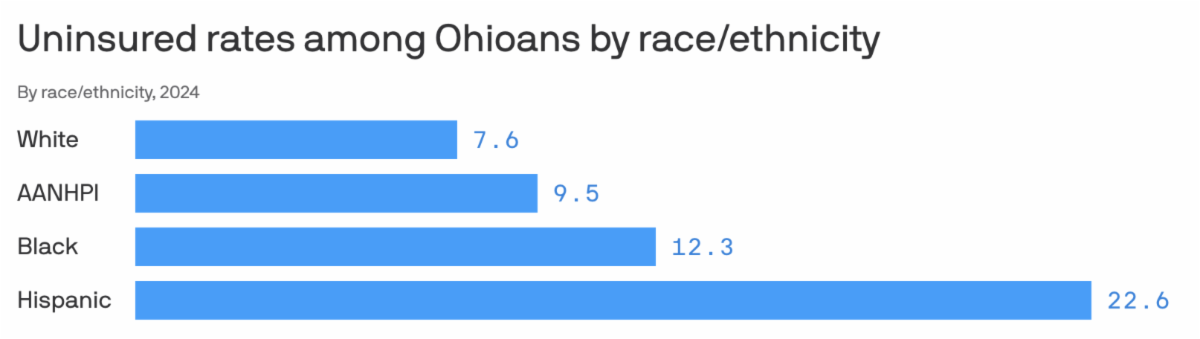
Black and Hispanic Ohioans face stark health disparities
Black and Hispanic Ohioans continue to experience massive disparities in health care, according to a new national study. Health disparities leave thousands of Ohioans suffering from preventable conditions, financial strain and a lack of trust in the health care system, with stark gaps across racial groups.
This week, private health care research firm The Commonwealth Fund published its 2026 State Health Disparities Report.
- The study behind the report evaluated 24 indicators of health system performance with data from 2022-2024 for racial and ethnic groups in each state.
- Based on composite scores of those indicators, groups were given percentile scores from 1 (worst) to 100 (best).
The big picture: Asian American, Native Hawaiian and Pacific Islander (AANHPI) and white Ohioans scored above average, while Black and Hispanic Ohioans lagged far behind.
|
Climate Change and Health Inequality: Supply Chain Threats
Global supply chains were engineered for efficiency, not for withstanding the converging pressures of climate breakdown and widespread health system failure. According to the World Economic Forum (WEF), this structural vulnerability means that the workforce health crisis and the climate crisis are no longer separate challenges but interconnected threats to economic continuity.
From extreme weather events to pandemic outbreaks and regional instability, these disruptions reveal how deeply workforce health and climate resilience are intertwined.Yet while global trade and production systems have expanded rapidly, access to healthcare and social protection has lagged behind. The result is a structural risk embedded within supply chains that undermines sustainability goals and climate adaptation efforts alike.
|
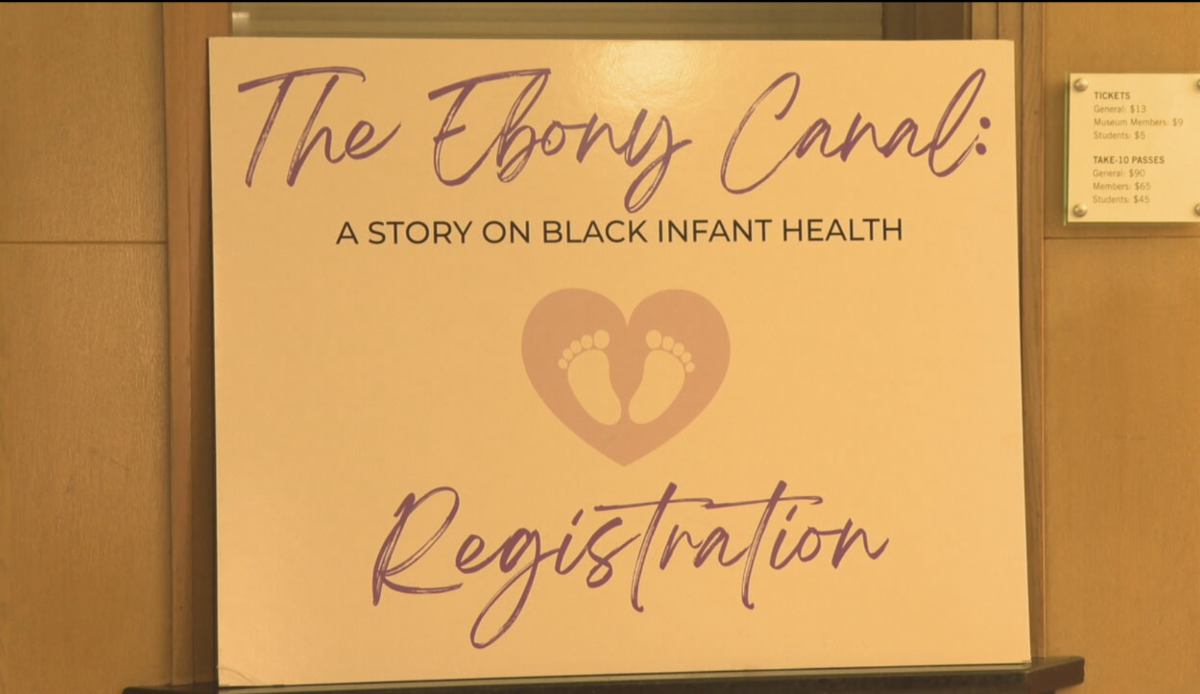
George Eastman Museum hosts award winning documentary on disparities in health industry
The George Eastman hosted a screening of an award-winning documentary on Sunday, addressing the systematic disparities in the health industry. The documentary titled “The Ebony Canal,” a story on Black infant health, looks at the factors driving black maternal and infant treatment gaps.
Studies report nationally that Black women are three to four times more likely to die from pregnancy-related causes than white women. The screening was followed by a community dialogue focused on local solutions, like the role of midwives and doulas in improving birth outcomes.
|
National Minority Health Month spotlights gaps in care
April marks National Minority Health Month, a time dedicated to examining how social conditions—from access to medical care to the neighborhoods people live in—shape health outcomes across the country. It also serves as a reminder of the persistent disparities affecting many racial and ethnic minority communities.
"It really brings awareness to the health disparities that affect so many minority groups in the US," said Dr. Taneev Escamilla, a family physician with Optum Care Washington. "In the US, health is really shaped by who you are and where you live, and that's because it determines what resources you have access to. So, this month is really about increasing momentum in identifying and addressing health equity, health disparities in minority groups, because we all deserve good health."
According to Dr. Escamilla, health equity means ensuring everybody has a fair chance to achieve their best health, which requires meeting communities where they are and understanding the barriers they face.
| | | | |