|
To Have Or Not To Have Surgery: A Multi-Part Series
Part 3: The Lumbar Spine
| |
Continuing my newsletter series, ‘The Incision Decision' (Knee Surgery (September 2023) and Shoulder Surgery (November, 2023)), in this issue our discussion will focus on how to make an informed decision about whether or not to have lumbar spine (low back) surgery.
Let's tackle some common background questions, first.
DO YOU NEED AN MRI?
Many times, when patients present to the doctor with back pain, the first action will be to order diagnostic imaging, for example, X-Rays or an MRI. In the absence of serious pathology, and in isolation, these tests should not be the determining factor in deciding whether or not to have back surgery.
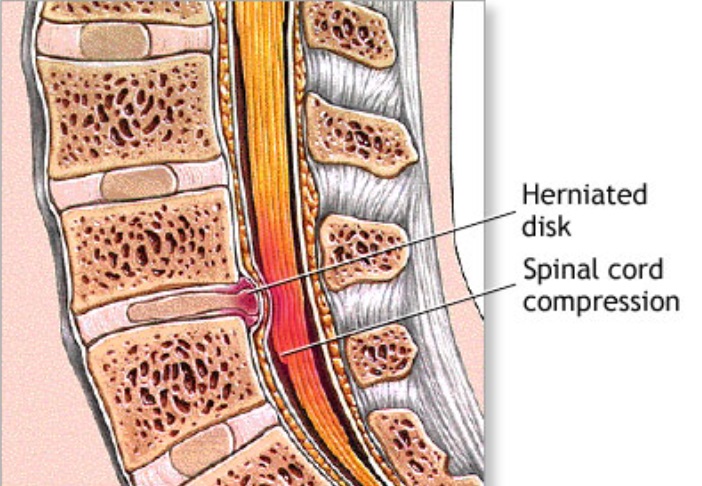
In fact, the top spine radiologists in the world agree that low back pain and sciatica should be diagnosed by clinical examination, not radiologic findings (X-ray, MRI, CT Scan). When healthcare providers treat only the picture, the most important pieces of information in the diagnostic equation, the patient’s story and clinical examination findings, are missed. Diagnostic imaging is only indicated for patients with low back pain (LBP) if they have progressive neurologic deficits, or signs and symptoms that suggest a more serious underlying condition. Serious underlying conditions associated with LBP include; cancer, infection, fractures and cauda equina syndrome (spinal cord compression).
ARE YOU CONCERNED ABOUT CANCER, CAUDA EQUINA, or INFECTION?
Approximately 0.7% of patients with LBP in primary care settings have metastatic cancer, 0.01% have a spinal infection and 0.04% have cauda equina syndrome (Deyo et al, 1992 and Jarvik et al, 2002).
The clinical utility of imaging studies in making a diagnosis in patients with mechanical low back pain is suspect at best. Bulging and herniated discs, arthritis, spinal stenosis, scoliosis and spondylolisthesis (just to name a few) are frequently incidental findings of imaging studies (40% of asymptomatic patients have these findings!) and often lead to additional, unnecessary and sometimes invasive testing that carry their own inherent risk. Additionally, increased rates of imaging for low-back pain are associated with increased health care costs (utilization) and radiation exposure as well as potentially poorer patient outcomes (Jenkins et al, 2015, Videman, 2006, Alyas, 2007).
PRINCIPLES FOR MAKING THE INCISION DECISION
The principles for making an informed decision to have back surgery are essentially the same as the decision-making process for the knee, shoulder or any other musculoskeletal condition. The most important thing to remember is that YOU must be an active participant in that decision-making process.
Principle #1: TIME
Have you given your condition TIME to resolve? Most musculoskeletal problems will resolve within 6 to 8 weeks if the proper environment for healing is created. This includes back pain. In most instances, a conservative intervention is all that is required.
| |
Principle #2: VOICE
Have you been heard?
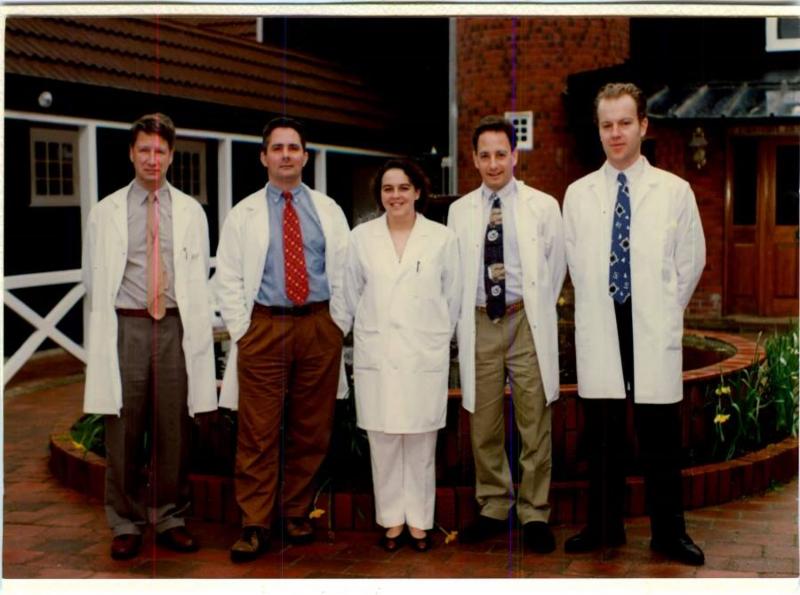
In 1994, when I traveled to New Zealand to study at the McKenzie Institute, many of the New York metro area health care professionals with whom I worked asked me the question, “why would you travel 9,000 miles to do a residency when the best medicine in the world is right here in the United States?” The answer to the question was as simple then as it is today: to best learn how to listen to the patient. The person sitting in front of you (the patient) knows more about his or her problem than anyone, so it is a pretty good idea to listen. The valuable lesson was that the patient will always tell you what the problem is.
You, the patient, are now part of the solution, becoming an integral part of and the leader in the decision-making process. The caveat is that it is difficult to make a decision without complete and accurate information.
PRINCIPLE #3: INFORMATION
How does one acquire accurate information when bombarded with so much unfiltered information? The answer is to go to trusted sources.
The internet is an almost infinite source of information, much of it unfiltered. Was it Abraham Lincoln who said “You cannot believe everything you read on the internet?” The point here is that one needs to be a discriminating consumer of information; having a trusted advisor to serve as a filter is an excellent way to make sense of that information.
A major part of Montclair Physical Therapy’s mission is to be that filter, to provide accurate information in order for you, the consumer of healthcare, to make the most informed decision about your health and what is in your best interest. Let’s get started!
Lumbar spine surgery is one of the most prevalent and fastest-growing medical interventions in the United States. The rates of elective lumbar spine surgery have increased 300% in recent decades (Farrar et al, 2001 and Glassman et al, 2009). In 2011, spinal fusions cost the United States healthcare system a total of $12.8 billion, more than any other procedure (Epstein, et al, 2011). The rate of spine surgery is highest in the United States, five times that of England and Scotland, and that number continues to increase at a dramatic rate (Deyo et al, 2006 and Martin et al, 2008). According to Ghogawala et al (2016), writing in the New England Journal of Medicine, Medicare spending for spine surgery almost doubled from 1992 to 2003 and expenditures on lumbar fusion surgery increased by 500%. Yet the rate of disability from low back pain continues to increase! Perhaps a different decision-making process is needed.
So how do you know when, or if, you need spine surgery? Perhaps the best way to approach this question is by understanding the circumstance of when you do not need spine surgery.
“Unnecessary spine surgery” may be defined as spinal surgery based upon “pain alone,” without neurological deficit, no symptoms of cauda equina (significant and progressive motor weakness typically involving more than 1 spinal nerve root, urinary retention, saddle anesthesia or groin numbness, and/or sexual dysfunction), or no significant abnormal radiographic findings (e.g fracture, infection, spinal tumor). Surgeons can, and do debate whether it is appropriate to operate on patients with pain alone. Epstein and Hood (2011) documented that 17.2% of 274 patients with cervical/lumbar complaints seen for first or second opinion over one year were told they needed “unnecessary spine surgery.” Subsequently, Gamache (2012) found that 44.5% of second opinion patients seen over a 14-month period were told by outside spine surgeons that they needed surgery; the second opinion surgeon found those operations to be unnecessary.
In my experience, pain alone is generally not an indication for spine surgery, except when the pain has significantly impacted the patient’s ability to function for an extended period of time or the pain is so great that it becomes unmanageable with conservative treatment.
| COMMON TYPES OF SPINE SURGERY | |
KYPHOPLASTY
Kyphoplasty is used to treat painful compression fractures of the spine due to osteoporosis, cancer (including multiple myeloma) or traumatic injuries. This procedure can be performed on an outpatient basis. A needle is placed into the fractured vertebrae, a balloon is then inserted through the needle into the bone and inflated in order to restore the height of the collapsed vertebrae. Then a bone cement is injected into the space created by the balloon to strengthen and maintain the height of the bone. The indication for this procedure is severe, intractable and disabling pain, usually lasting 8 weeks or longer, that has not responded to conservative treatment (physical therapy, pain medication). As with any surgical procedure, there are risks associated with Kyphoplasty, including:
· infection
· allergic reactions
· leakage of cement into the surrounding tissues.
Most people are able to walk and begin a gradual return to activity within 24 hours and experience a significant reduction in pain.
LAMINECTOMY
Laminectomy is one of the most common surgical procedures used to relieve nerve compression caused by stenosis (or narrowing) due to degenerative or congenital causes, trauma, tumor/ abscess or herniation. In this procedure, a piece of bone is removed from the back part of the vertebrae that surrounds the nerve in order to allow for more space (decompression). Depending on the surgeon and indication, the spinous process (the part of the vertebrae that is visible or palpable in the middle of your back) may or may not be removed. The indications for this procedure are: progressive neurological deficit (significant weakness in the muscles of the leg, foot drop, saddle anesthesia or groin numbness, changes in bowel and bladder function), or severe and intractable radicular pain (pain extending into the lower leg) of 8 weeks' duration that has not responded to more conservative treatment (physical therapy, activity modification, medication, epidural steroid injection). In the presence of cauda equina symptoms, the decompression is an emergency and typically needs to be performed within 72 hours of the onset of symptoms in order to prevent permanent nerve damage. Fortunately, this is a rare circumstance. In 43 years of practice (23,000 patients), I have only seen this twice!
The risks associated with laminectomy include:
· instability
· damage to the surrounding joints of the spine (facets)
· infection
· bleeding
· leakage of spinal fluid
· damage to the nerves and hematoma.
This procedure can also be performed arthroscopically (minimally invasive) on an inpatient or outpatient basis, which can limit the risk of instability post surgery.
Fusion techniques may be required when laminectomy alone increases the risk of spinal instability in conditions such as degenerative spondylolisthesis (forward movement or slippage of one vertebrae on another), kyphosis, or scoliosis. However, there are four (4) grades of spondylolisthesis (determined by the degree of forward motion or slippage). Grades I and II are stable architectural faults and are generally incidental findings on X-ray, requiring no surgery. (Grades III & IV spondylolisthesis are considered unstable, and frequently require surgical stabilization.)
LUMBAR FUSION
Lumbar fusion (also referred to as arthrodesis) refers to a variety of surgical procedures that connect two or more vertebrae in the lumbar spine (lower back). Lumbar fusions are performed to limit motion between two or more vertebrae in order to reduce pain caused by the conditions described above. The indications for spinal fusion are similar to the indications for laminectomy, but where stabilization of the spine is also required. Fusion procedures may also be performed at the same time as some spinal decompression procedures to provide stability. For example, when a large portion of bone material must be removed to decompress the affected area, the spine could later become unstable unless a fusion is also performed.
DISCECTOMY
Surgeons usually perform discectomy using general anesthesia, so you are asleep during the procedure. Ideally, just the piece of disc that's compressing the nerve is removed. However, small amounts of spinal bone and ligament might need to be removed to get to the herniated disc. If the whole disc must be taken out, your surgeon may need to fill the space with a piece of bone — taken from a deceased donor or from your own pelvis — or a synthetic bone substitute. The adjoining vertebrae are then fused together with metal instrumentation.
MICRODISCECTOMY
Microdiscectomy (also referred to as minimally invasive spine surgery or 'MISS'), requires only a small incision and the use of an arthroscope, similar to the tools used for arthroscopic procedures of the knee and shoulder. The procedure, like a discectomy, is employed for the purpose of spinal decompression by surgically removing herniated disc material, any bone or ligament that is compressing a spinal nerve. However, the term "microdiscectomy" is typically used to describe to the removal of the fragment of herniated disc tissue that is causing the patient’s symptoms. Like discectomy, the indications for microdiscectomy include:
· Cauda equina syndrome
· Intractable (unrelenting) pain extending below the knee and not responding to conservative treatment of at least 6-8 weeks' duration
· Progressive neurological deficits.
Discectomy and microdiscectomy are considered safe procedures, but also carry the risk of complications, including, but not limited to:
· Bleeding
· Infection
· Leaking spinal fluid
· Injury to blood vessels or nerves in and around the spine
| |
In summary, the basic principles of decision-making are essentially the same for the back as they are for the knee and shoulder, as discussed in prior newsletters: outside of an emergency situation (e.g. fracture or trauma), cauda equina, progressive neurological deficits, serious pathology or severe pain extending into the leg (of at least 6-8 weeks' duration) that has not responded to conservative treatment, an invasive procedure such as surgery should not be the first choice when considering treatment options for the management of low back pain.
Always remember this axiom; ‘Do as little as possible, but as much as necessary.’ This axiom applies equally to the lumbar spine as it does to the shoulder and knee when deciding whether or not to have spine surgery. Back pain, in the absence of the aforementioned conditions, is not an indication for spine surgery.
For the right reason, at the right time, in the hands of a skilled surgeon, surgical outcomes are typically excellent, with a result that could not be achieved in any other way.
As discussed in our shoulder and knee surgery newsletters, the stronger, more fit and flexible you are going into the surgery, the faster and more complete the recovery.
If you have any questions or would like to speak to us, please reach out via phone or email. If you would like to book an appointment or learn more about maintaining a healthy back, please call our office.
Yours in health,
Todd
Todd A. Edelson, PT, DPT, Dip. MDT
Montclair Physical Therapy Associates
388 Pompton Avenue, Cedar Grove, NJ 07003
973-433-0772
t.edelson@montclairphysicaltherapy.com
www.montclairphysicaltherapy.com
| |
REFERENCES
Alyas F, Turner M, Connell D. MRI findings in the lumbar spines of asymptomatic, adolescent, elite tennis players. Br J Sports Med. 2007; 41(11): 836-841; discussion 841.
Copay, A. G., Glassman, S. D., Subach, B. R., Berven, S., Schuler, T. C., & Carreon, L. Y. (2008). Minimum clinically important difference in lumbar spine surgery patients: a choice of methods using the Oswestry Disability Index, Medical Outcomes Study questionnaire Short Form 36, and pain scales. The Spine Journal, 8(6), 968-974.
Deyo, R. A., & Mirza, S. K. (2006). Trends and variations in the use of spine surgery. Clinical Orthopaedics and Related Research (1976-2007), 443, 139-146.
Deyo, R. A., Rainville, J., & Kent, D. L. (1992). What can the history and physical examination tell us about low back pain?. JAMA, 268(6), 760-765.
Epstein, N. E., & Hood, D. C. (2011). “Unnecessary” spinal surgery: A prospective 1-year study of one surgeon's experience. Surgical neurology international, 2.
Farrar, J. T., Young Jr, J. P., LaMoreaux, L., Werth, J. L., & Poole, R. M. (2001). Clinical importance of changes in chronic pain intensity measured on an 11-point numerical pain rating scale. Pain, 94(2), 149-158.
Gamache, F. W. (2012). The value of “another” opinion for spinal surgery: A prospective 14-month study of one surgeon's experience. Surgical neurology international, 3(Suppl 5), S350.
Ghogawala Z, Dziura J, Butler WE, Dai F, Terrin N, Magge SN, Coumans JV, Harrington JF, Amin-Hanjani S, Schwartz JS, Sonntag VK, Barker FG, Benzel EC. Laminectomy plus Fusion versus Laminectomy Alone for Lumbar Spondylolisthesis. N Engl J Med. 2016 Apr 14;374(15):1424-34
Glassman, S. D., Carreon, L. Y., Djurasovic, M., Dimar, J. R., Johnson, J. R., Puno, R. M., & Campbell, M. J. (2009). Lumbar fusion outcomes stratified by specific diagnostic indication. The Spine Journal, 9(1), 13-21.
Jaeschke, R., Singer, J., & Guyatt, G. H. (1989). Measurement of health status: ascertaining the minimal clinically important difference. Controlled clinical trials, 10(4), 407-415.
Jarvik, J. G., & Deyo, R. A. (2002). Diagnostic evaluation of low back pain with emphasis on imaging. Annals of internal medicine, 137(7), 586-597.
Jenkins HJ, Hancock MJ, French SD, Maher CG, Engel RM, Magnussen JS. Effectiveness of interventions designed to reduce the use of imaging for low-back pain: a systematic review. CMAJ. 2015 Apr 7;187(6):401-408.
Martin, B. I., Deyo, R. A., Mirza, S. K., Turner, J. A., Comstock, B. A., Hollingworth, W., & Sullivan, S. D. (2008). Expenditures and health status among adults with back and neck problems. JAMA, 299(6), 656-664.
Videman T, Battie MC, Ripatti S, Gill K, Manninen H, Kaprio J. Determinants of the progression in lumbar degeneration: A 5-year follow up study of adult male monozygotic twins. Spine. 2006; 31(6), 671-678.
Wang M, Luo XJ, Ye YJ, Zhang Z. Does Concomitant Degenerative Spondylolisthesis Influence the Outcome of Decompression Alone in Degenerative Lumbar Spinal Stenosis? A Meta-Analysis of Comparative Studies. World Neurosurg. 2019 Mar;123:226-238.
Wáng, Y. X. J., Wu, A. M., Santiago, F. R., & Nogueira-Barbosa, M. H. (2018). Informed appropriate imaging for low back pain management: A narrative review. Journal of orthopaedic translation, 15, 21-34.
Jenkins, H. J., Hancock, M. J., French, S. D., Maher, C. G., Engel, R. M., & Magnussen, J. S. (2015). Effectiveness of interventions designed to reduce the use of imaging for low-back pain: a systematic review. Cmaj, 187(6), 401-408.
| |
The McKenzie Method and MDT are registered trademarks of the
McKenzie Institute International.
| | | | |