The Most Overlooked Specification

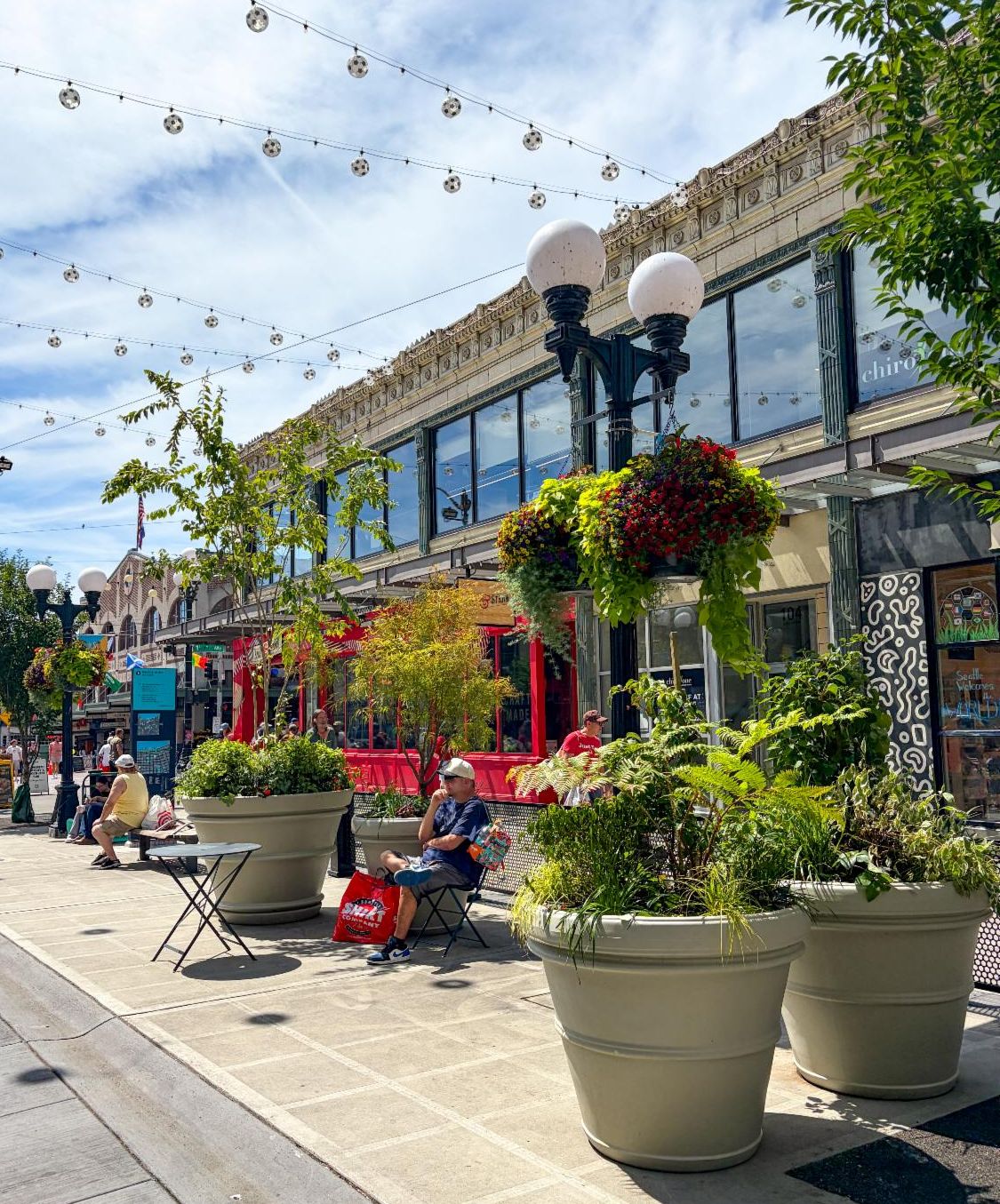
When comparing planters, most attention goes to the specifications that are easy to see: height, diameter, shape, color, and finish. Yet one of the most important measurements is often overlooked: usable growing space.


While two planters may appear similar from the outside, the amount of space available for soil and root development can vary significantly. Understanding that difference can provide valuable insight into how a planting may perform over time.


Similar Size, Different Growing Space

Exterior dimensions don’t always tell the whole story.


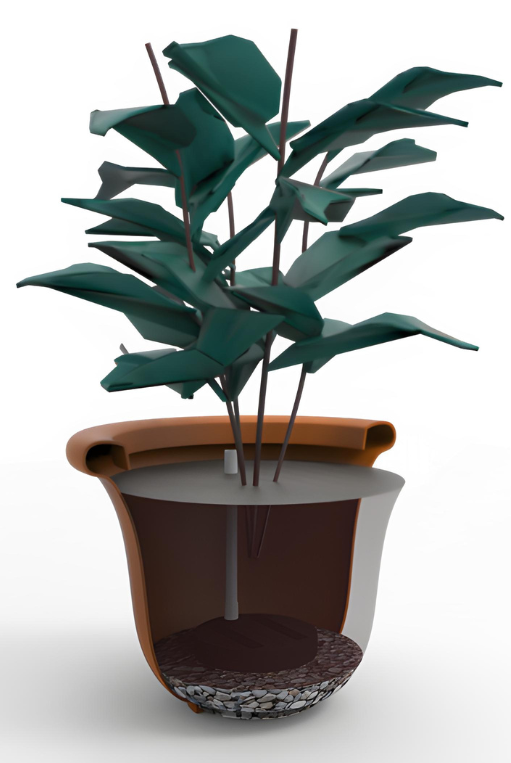
Many self-watering and specialty planter designs incorporate built-in water chambers, false bottoms, or other internal components that occupy space within the planter. While these features serve important purposes, they can also reduce the amount of interior volume available for soil.


This difference is one reason the TerraCast® self-watering system was developed as a separate reservoir rather than a large built-in chamber. By keeping the reservoir independent of the planter itself, a greater portion of the interior volume remains available for soil and root development.

Why Soil Capacity Matters

Usable growing space influences more than the amount of soil added during installation. It can affect how a planting performs throughout its lifespan.


A larger volume of soil can help retain moisture longer, buffer temperature fluctuations, and support more consistent growing conditions. Over time, these factors can contribute to healthier root development and a more stable growing environment, helping plants better adapt to changing conditions.


Simply put, the growing environment below the soil line often plays a major role in what happens above it.

Looking Below the Surface

Height and diameter help determine how a planter will look within a space, but soil capacity provides important insight into how it may perform over time.


TerraCast® planters are designed to maximize usable growing space while offering the flexibility of optional self-watering reservoirs. Rather than dedicating a substantial portion of the planter’s interior volume to a permanent water chamber, the reservoir functions as a separate component, helping preserve valuable space for soil and root development.


Because when it comes to successful container plantings, the goal isn’t simply to maximize planter size; it’s to maximize the space available for plants to grow.


X Share This Email
LinkedIn Share This Email

TerraCast® Products | 305-895-9525 | info@terracastproducts.com | Website

LET'S GET SOCIAL

Facebook  X  Instagram  Youtube  Pinterest  LinkedIn  Web