Funding for Tribal Child Welfare Services
|
|
In hopes to ease the administrative burden as tribal child welfare services continue to meet challenges related to the COVID-19 pandemic, the Administration for Children and Families (ACF) will disperse funds to all tribes (over 300 tribes) that are Title IV-B, Subpart 1 grantees.
|
|
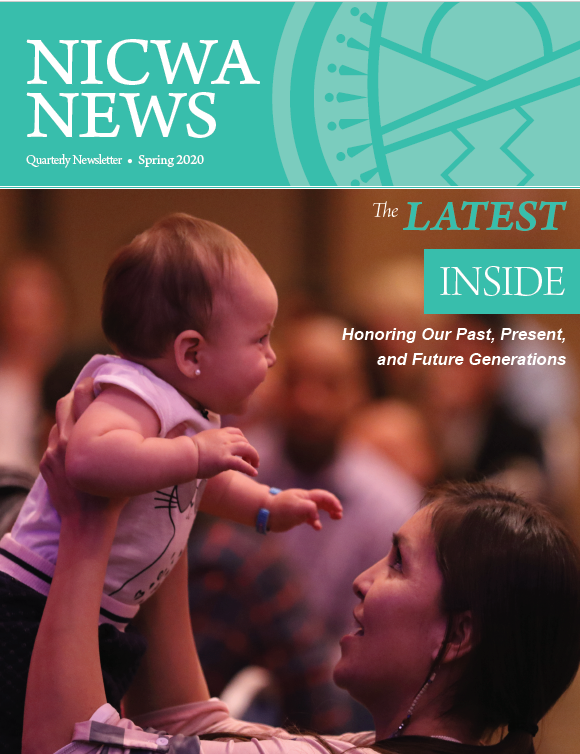
NICWA News Spring 2020 Issue
|
NICWA News
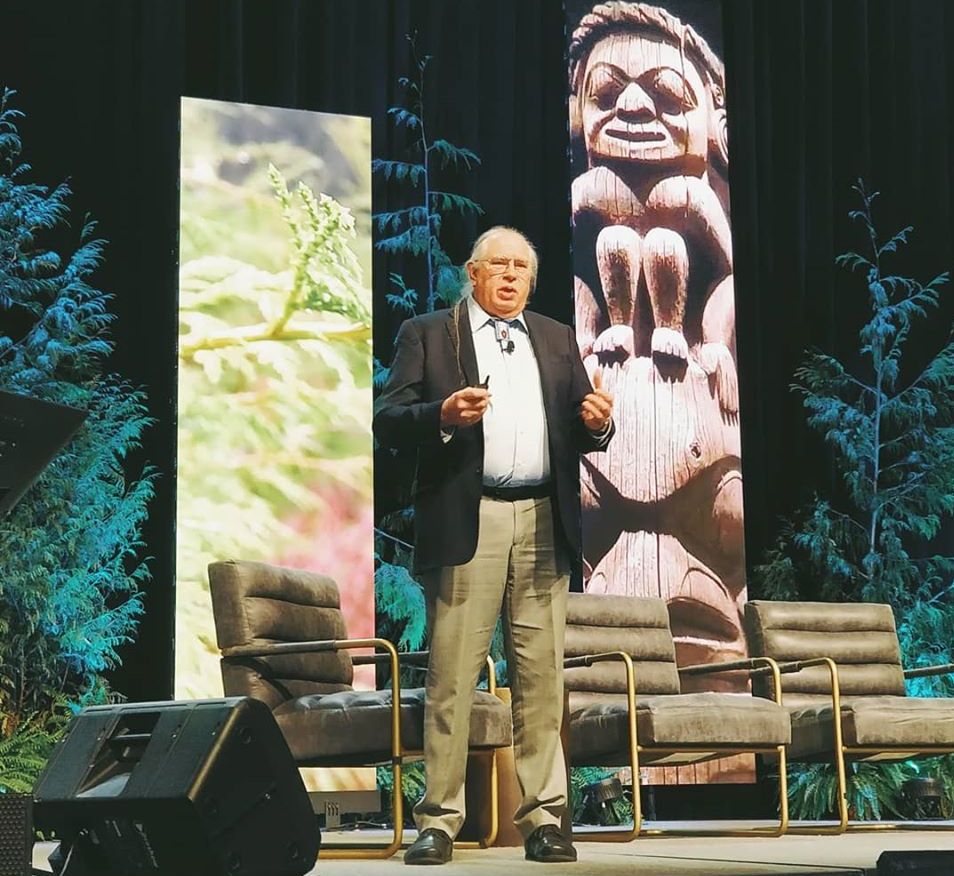
is the quarterly newsletter for NICWA members and donors. Our Spring edition was inspired by the 38th Annual Protecting Our Children Conference with the theme, Honoring Our Past, Present, and Future Generations.
Although our conference went virtual, the Spring issue covers topics like the PIP curriculum evaluation, the roles of child welfare workers working with substance-abusing families, part two of developing a mental health framework with First Nations communities, and more.
Read highlights below and read the full newsletter on our website.
|
|
PIP Curriculum Evaluation
|
With the passage of Family First, prevention services programs funded by states and direct Title IV-E tribes are required to be “evidence-based practices.” Family First also established a clearinghouse at the U.S. Department of Health and Human Services to maintain information about evidence-based programs and services that are eligible for prevention services funding under the Act.
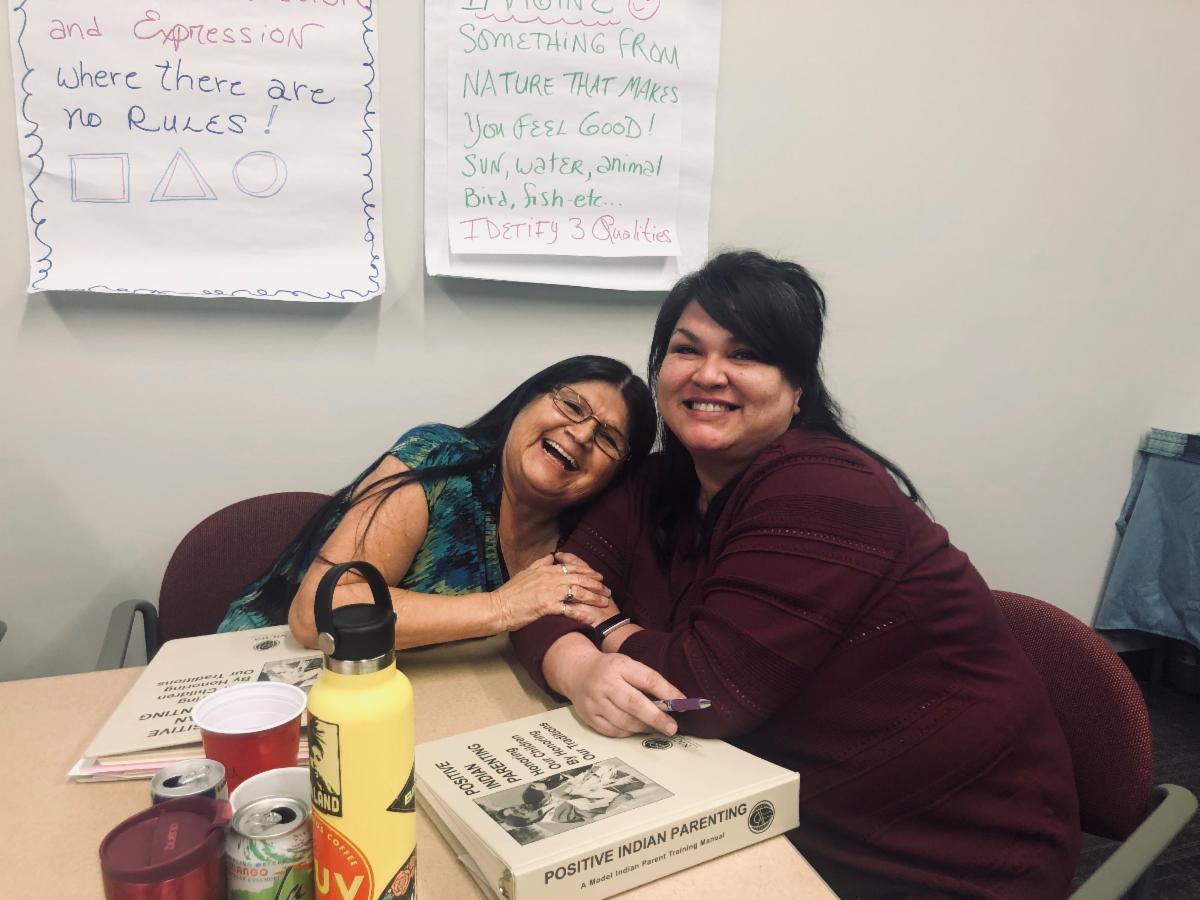
This important policy change set the stage for an evaluation of the effectiveness of NICWA’s Positive Indian Parenting (PIP) training, a curriculum that has been widely used in tribal communities and with urban Native populations throughout the U.S. and Canada.
|
|
Roles of Child Welfare Workers Working with Substance-Abusing Families
|
Parental substance use disorders are a factor in over 90% of tribal child welfare cases. In our training,
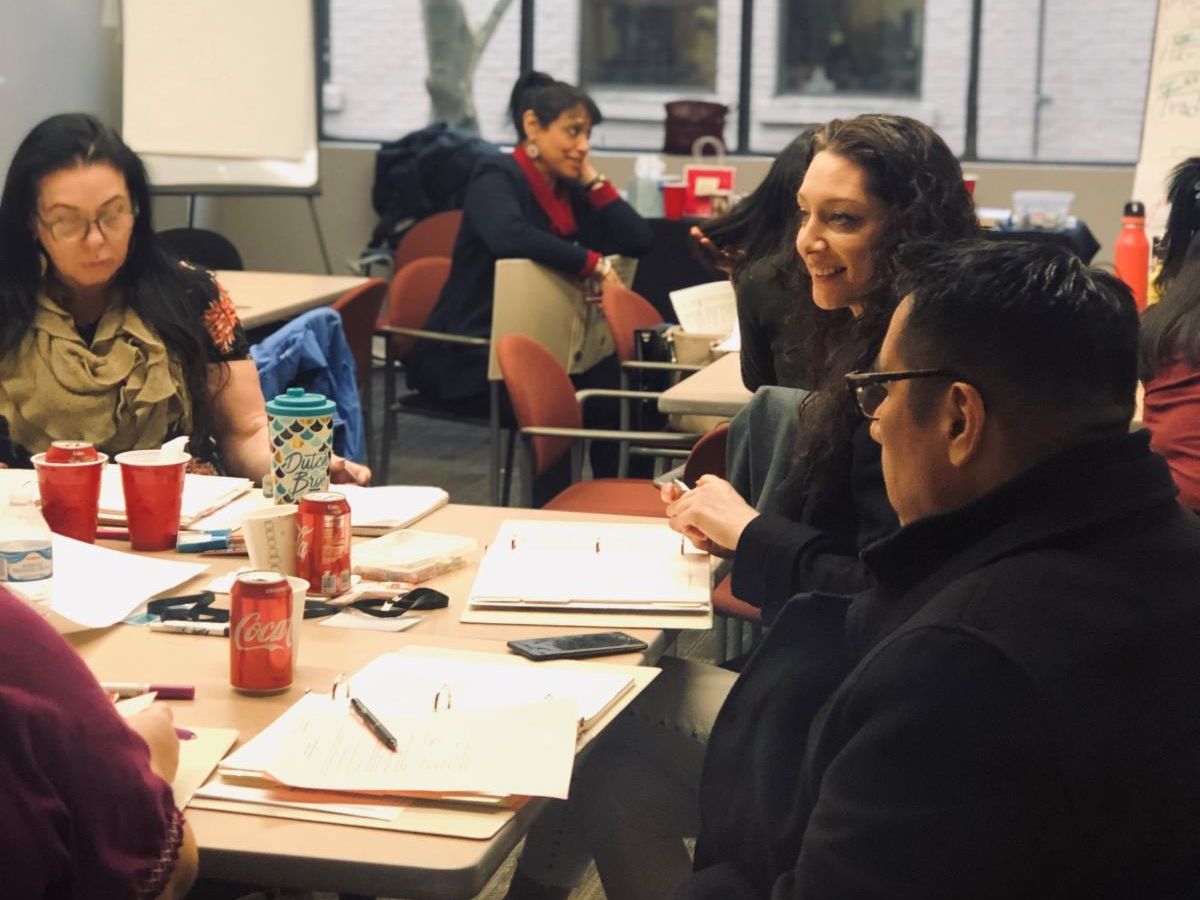
Working With Substance-Abusing Families (WWSAF), we discuss the five essential roles of tribal child welfare workers when working with substance-abusing families:
- Identifying alcoholism and other substance use disorders (screening)
- Mobilizing treatment
- Supporting treatment
- Post-treatment casework
- Assisting the child(ren)
WWSAF training attendees come from tribal, state, and national agencies
|
|
Developing a Mental Health and Wellness Framework: First Nations Health Council and First Nations Communities (Part 2)
|
|
For more than 20 years, NICWA has partnered with First Nation communities to measure outcomes that matter to them. A value that NICWA brings to all of our research and evaluation work is a community-based participatory research (CBPR) approach.
We believe that communities are the experts in their lived experience and have important insights and perspectives to contribute to any research partnership. Community members are best positioned to inform realistic research designs, appropriate measures and instrumentation, and data collection methods. Moreover, community members are central to accurate and meaningful analysis of data and the interpretation of results. NICWA does not undertake any research or evaluation project without a CBPR approach, or, as communities tell us, “no decisions about us without us.”
Read more about our work developing a mental health and wellness framework with First Nations Health Council in the Programs section on page 9 of the Spring issue. To read part one, read the Winter 2020 edition of
NICWA News
.
|
|
Common Themes in
Requests for Information
|
Every day, NICWA staff provide telephone support and resource materials for families through our requests for information (RFI) program. We provide compassionate support and help relatives and community members navigate the child welfare system, access meaningful services, and advocate for their relatives. We offer referrals to a variety of resources and provide training on ICWA best practices for tribal and state caseworkers, attorneys, and judges. Just in the last three months we have received hundreds of RFIs and we've compiled some of the most common questions:
- How does ICWA protect American Indian/Alaska Native children and their families?
- What specific protections does ICWA provide to keep American Indian/ Alaska Native children connected to their family, community, and culture?
- How does one trace their Native heritage and enroll in an American Indian or Alaska Native tribe?
|
|
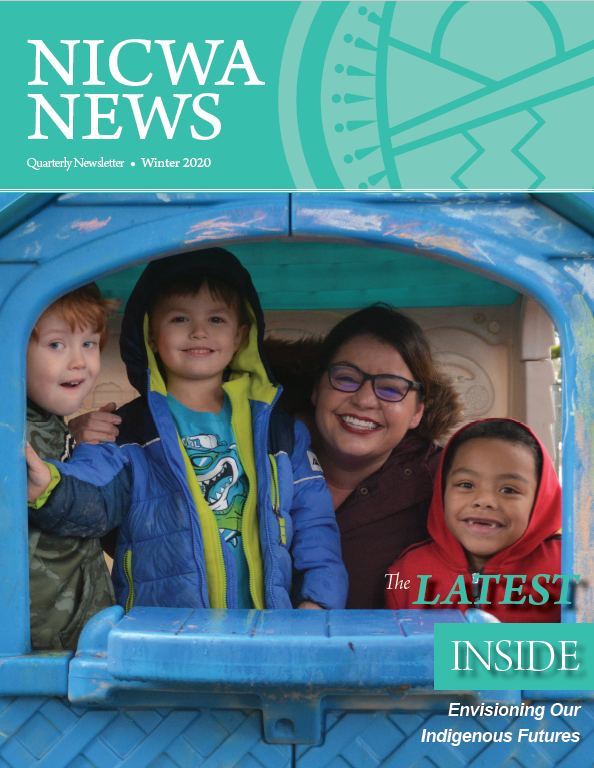
Did you miss the Winter 2020 Issue?
|
Our Winter edition brought in the new decade with the theme, Envisioning Our Indigenous Futures.
In it, you'll ready stories that pay tribute to the past, present, and future generations of leaders advocating for Native children.
The feature story you'll find inside is an interview with the newly elected vice president of NICWA's board of directors, Angela Connor
(Choctaw),
with excerpts from an ICWA workshop with youth at the National Congress of American Indians 76th Annual Convention.
|
|
Questions?
For reprint requests, additional copies, or to learn about other information, contact us at
info@nicwa.org.
|
|
|
|
|
|
|