As I’ve said on the show many times, I think gutters are widely over-used. If the rainwater coming off your roof isn’t tearing up landscaping and is able to run-off at least 5 or 10 feet from the house, I don’t recommend a gutter. Gutters should be used above high traffic areas such as doors or patios or anyplace you are wanting to protect the ground from a sheet of water falling.
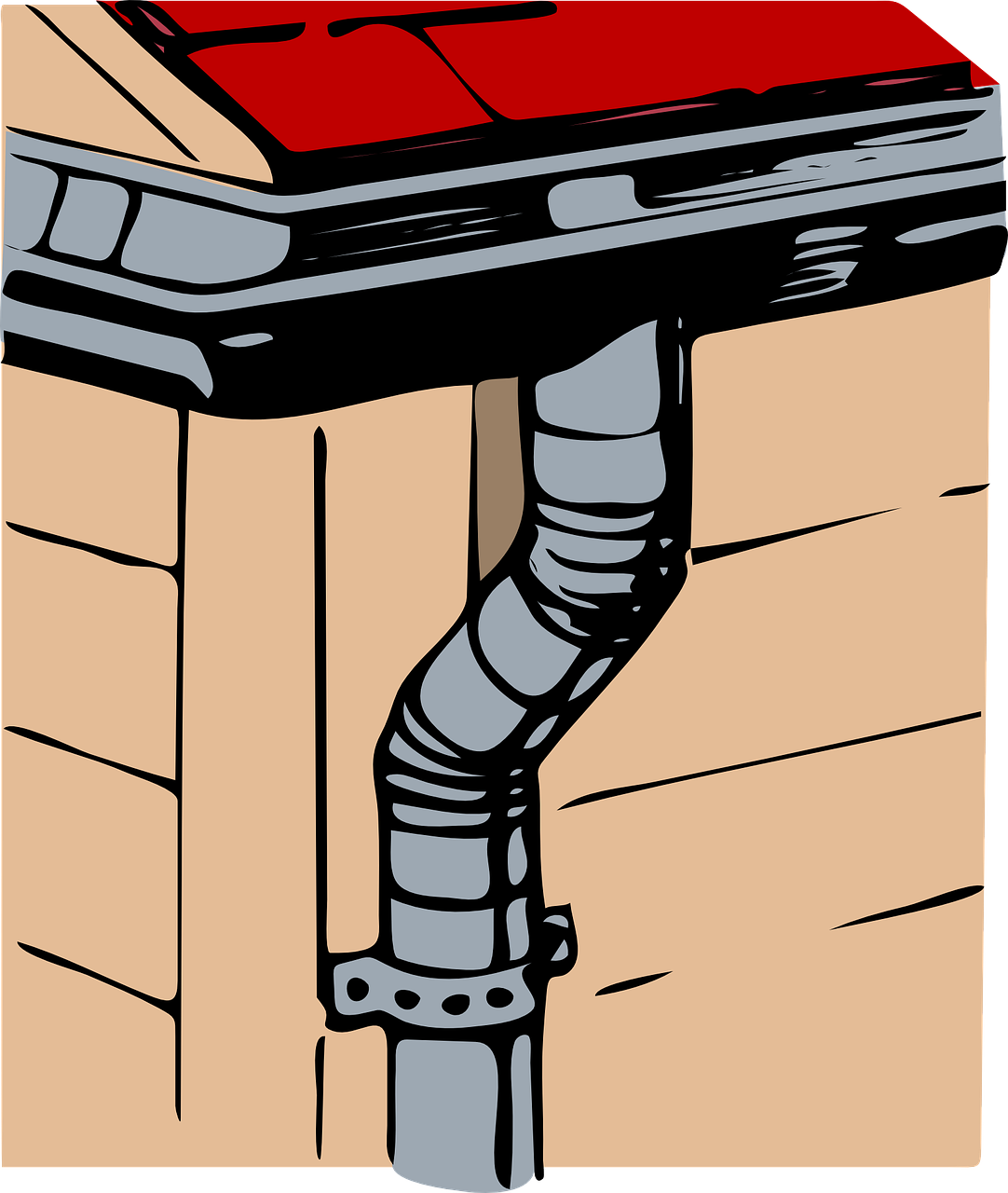
If you do have gutters, like everything else in the house, they require maintenance to keep them flowing and to prevent damage such as wood rot. A common problem is gutters installed without proper fall or the gutters start to sag as they age and loose the proper fall to the down spout. As a result, over time material will build up eventually blocking the gutter and causing the water to go over the back side of the gutter which is lower than the front. Clearing this blockage is vital to prevent moisture being held against the wood of the home that can lead to wood rot.
Once you are up on the ladder you will find decaying leaves, pine needles, granules from your shingles, and pollen from trees and other plants. This time of year, the pollen is especially prevalent. The pollen and granules build up between the leaves and water dams speeding decay. This results in even more solids building up in the gutter leading to greater chances for back up.
When cleaning you can do it by hand, or hose-out the gutter. Best practice is clean them twice a year to avoid the build-up. Want to spend less time on the ladder? Consider eliminating gutters in areas you don’t really need them. Or look into gutters that have a cover or helmet, such as Gutter Maxx or Leaf Guard. They cost more than standard gutters, but you can save yourself a lot of headaches by not having to climb that ladder and clean them.