The Institute for Health Equity Research, Evaluation & Policy | |
IHE Celebrates Mental Health Awareness Month | |
Leadership in Health Equity: May 2024 | |
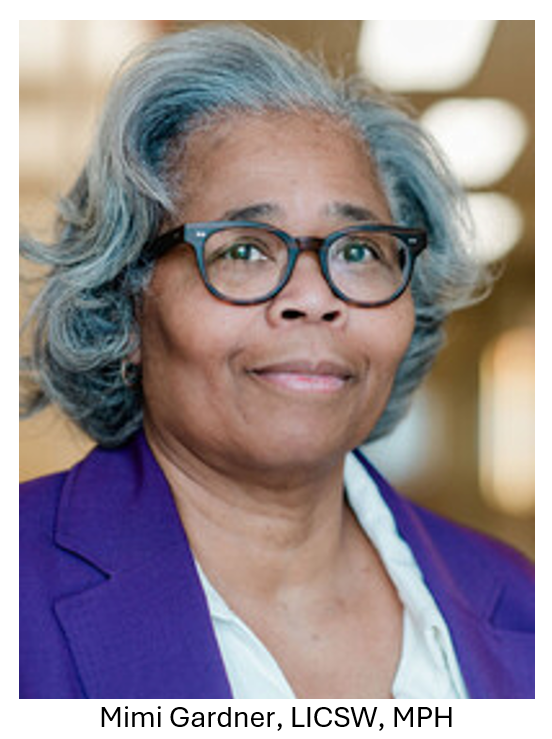
In honor of Mental Health Awareness Month, Dr. Cheryl Clark, executive director and senior vice president of IHE, interviewed Mimi Gardner, vice president and chief equity officer at East Boston Neighborhood Health Center (EBNHC), soon to be called NeighborHealth.
The interview explored Mimi Gardner's experiences at EBNHC, the critical role of mental health services in healthcare, and her recommendations for building a more equitable future for behavioral health.
You can read the full discussion below.
| |
As Mental Health Awareness Month, May is a time to raise awareness of and reduce the stigma surrounding behavioral health issues, as well as highlight the ways mental illness and addiction can affect all of us – patients, providers, families, and our society at large. | |
Mental Health Awareness Month: An Interview with Mimi Gardner | IHE: How is East Boston Neighborhood Health Center addressing the growing need for mental health services in the surrounding communities? | |
|
MG: In Latino, immigrant, and non-English speaking populations, individuals often face multifaceted challenges rooted in systemic barriers, cultural differences, and limited access to resources. These challenges can significantly impact mental and behavioral well-being. East Boston Neighborhood Health Center (EBNHC) believes in care that goes beyond the clinic to address drivers of health that impact wellbeing in addition to providing a full array of mental and behavioral health services across the care continuum. Our patient centered care model is committed to supporting our patients’ complex needs both in and out of the exam room.
As innovators in healthcare, EBNHC has recently created the first of its kind BH Urgent Care Service, co-located with our Emergency Department and Primary Care services with the capability to see patients in crisis the same day for triage, evaluation, treatment, and referral. Co-locating these services provides seamless transitions of care as acuity shifts, providing a better care experience for our patients. Shifting care from high-cost inpatient and hospital-based emergency services to community-based locations will decrease cost and has shown us to have better clinical outcomes.
IHE: In your experience, what are the biggest barriers for patients accessing mental health services at community health centers in Massachusetts?
| |
MG: There are many systematic and cultural factors hindering patient access to mental health services within Massachusetts community health centers.
At EBNHC, we serve the largest population of Latino primary care patients, 85% of whom are below the federal poverty level and 27% are uninsured. We see how access to health insurance, financial constraints, and difficulty navigating a complex US health care system can contribute to barriers to care.
Cultural impediments such as inadequate availability of culturally responsive treatments tailored to individual needs and cultural backgrounds, as well as a shortage of mental health providers from diverse racial backgrounds entail stigma prevalent in marginalized communities. A reliance on trusted community and spiritual leaders, potentially deterring individuals from seeking evidence-based care from less familiar or trusted providers can also be a factor.
IHE: What are the biggest disparities you see in access to mental health care for different populations within your community? (e.g., racial/ethnic minorities, LGBTQ+ individuals, low-income families)
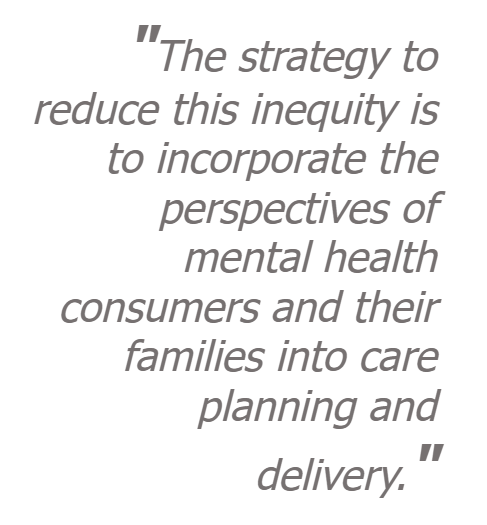
MG: Racial/ethnic, gender and sexual minorities often suffer from poor mental health outcomes due to multiple factors, including inaccessibility of high-quality mental health care services, cultural stigma surrounding mental health care, discrimination, and lack of awareness about mental health. The mental health system is often not readily accessible, culturally responsive, or a reliable source of effective interventions for society’s most vulnerable populations. The strategy to reduce this inequity is to incorporate the perspectives of mental health consumers and their families into care planning and delivery.
IHE: What inspires you or gives you hope for your work to improve mental health in community health centers?
| |
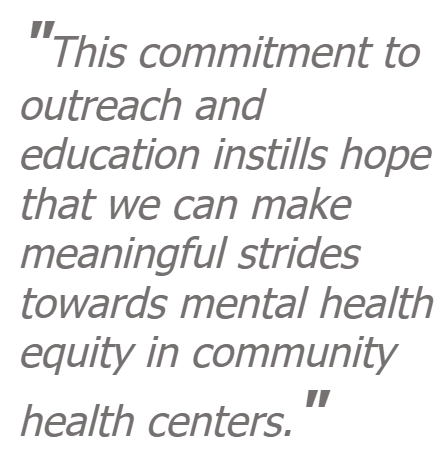
MG: What inspires me is the vision of a future where everyone has equal opportunities to attain optimal mental health and emotional well-being. This journey begins by confronting the stigma within our communities and stepping out of our comfort zones. It involves actively engaging with communities, sharing knowledge, and providing accessible resources where they are needed most. This commitment to outreach and education instills hope that we can make meaningful strides towards mental health equity in community health centers.
IHE: What is your vision for ensuring equitable access to quality mental health care for all members of the East Boston community?
MG: Our vision is to lead transformative community interventions that champion mental health and social equity. Through strategic multi-sector partnerships and a commitment to community-driven service delivery, we aspire to address mental health disparities by leveraging cross-sector collaborations. At EBNHC, we envision a future where our collaborative efforts enhance the physical, built, and social environments, fostering trust and engagement among community members. By prioritizing social well-being and investing in community resources, we aim to create a more equitable society, where individuals thrive within a supportive and inclusive environment.
| |
Mimi Gardner, LICSW, MPH, is Vice President and Chief Equity Officer at East Boston Neighborhood Health Center (EBNHC). Ms. Gardner is responsible for engaging and partnering with agencies and leaders in their communities and throughout the Commonwealth to develop and drive a health-informed community equity agenda. In this role, Ms. Gardner leverages EBNHC’s role as a leading health care provider to facilitate collaboration amongst EBNHC and multiple health and human service agencies, ensuring that the health center integrates community feedback into its strategic response to systemic and prevailing health equity gaps in our neighborhoods.
Learn more about East Boston Neighborhood Health Center which will soon be changing its name to NeighborHealth: www.ebnhc.org
|
|
PureSpark: Massachusetts' first Black wellness directory | |
|
National data shows a troubling reality in our industry: only 4% of psychologists, 2% of psychiatrists, and 7% of marriage and family counselors identify as Black. This creates a significant gap in access to culturally competent care, leaving many Black individuals feeling unheard and unsupported.
In celebration of Mental Health Awareness Month this May, we are uplifting @PureSpark, an organization actively working to bridge these gaps. Led by founder Nieisha Deed, PureSpark addresses critical issues by:
- Connecting individuals with Black therapists who understand their unique experiences.
- Providing a free therapist directory to simplify the search process.
- Advocating for broader insurance coverage to make therapy more accessible.
| |
|
Nieisha and PureSpark go beyond simply connecting patients to therapists. They serve as a beacon of hope, fostering a safe space for open conversations about mental health. and promoting holistic well-being through free wellness events like group hikes and dance classes.
Committed to dismantling the stigma surrounding mental health diagnoses, PureSpark empowers Black individuals to prioritize their well-being and take charge of their mental health journey in hopes of a future where mental wellness is a priority for all in the Black community.
| |
Visit PureSpark's website to learn how you can empower individuals to prioritize their well-being, take charge of your mental health journey, and we can work together to dismantle the stigma surrounding mental health.
Learn more about PureSpark.
| |
|
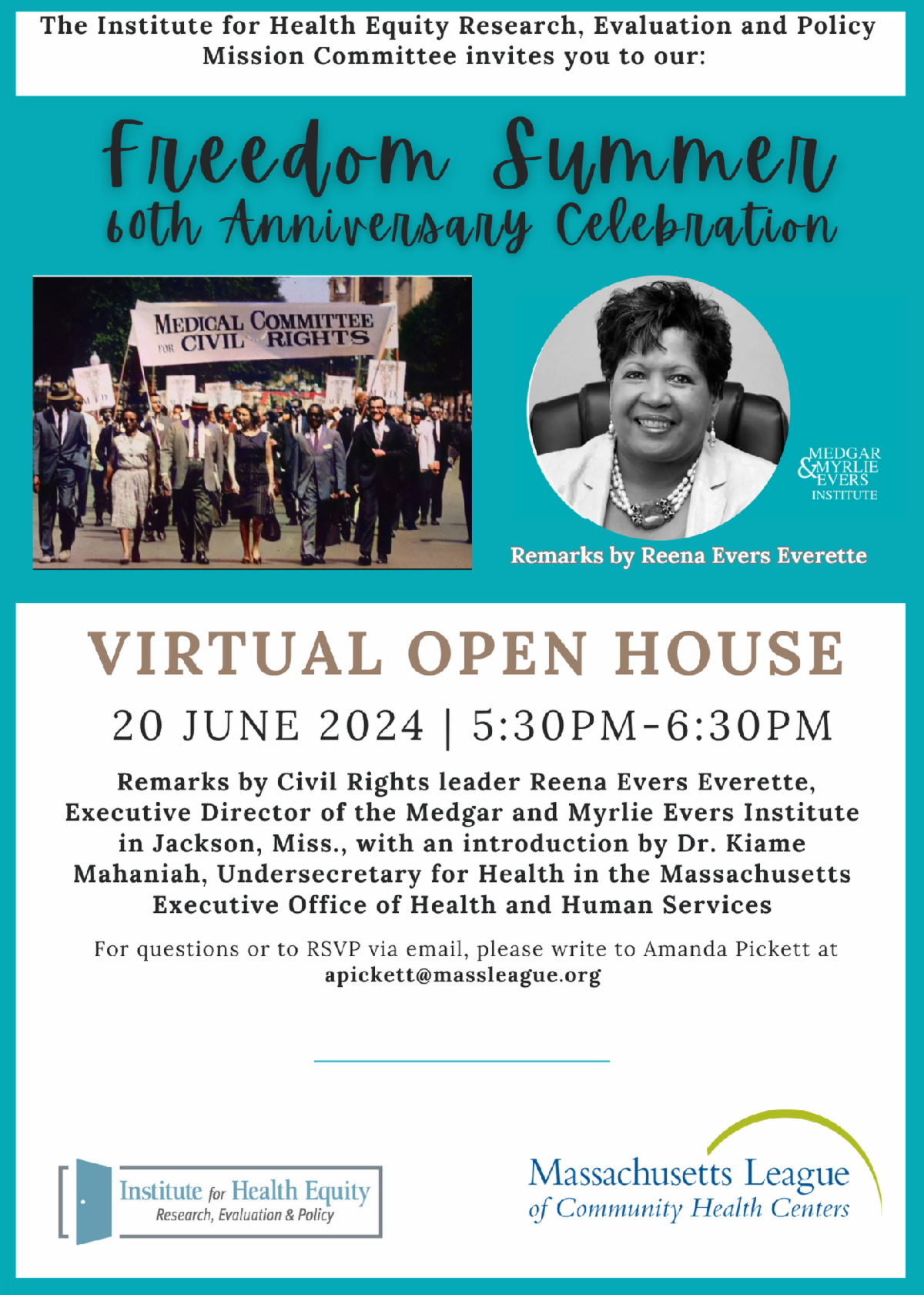
Freedom Summer Celebration
June 20, 2024
| |
Remarks by civil rights activist Reena Evers Everette | |
|
The Mission Committee of the Institute for Health Equity Research, Evaluation, and Policy is pleased to invite you to a virtual open house.
Civil rights activist Mrs. Reena Evers Everette will join our meeting and give keynote remarks to celebrate the 60th Anniversary of Freedom Summer, which led to the creation of the first community health centers.
For questions or to RSVP via email, please write to Amanda Pickett at apickett@massleague.org.
| |
| Will you attend the virtual open house on June 20th at 5:30pm ET? | | | | |
|
"Sheila Och to lead new Health Justice Learning Institute at LCHC," The Lowell Sun, May 14, 2024
Sheila Och will be the inaugural executive director of Lowell Community Health Center's Health Justice Learning Institute and was featured in The Institute for Health Equity Research, Evaluation & Policy's “Women Leading the Charge” showcase for Women’s History Month.
| | |
|
|
"Massachusetts repays health worker loans to boost hiring, diversity," WGBH, May 2, 2024
President and CEO, Michael Curry, Esq., along with Dr. Cheryl Clark, Executive Director and Senior Vice President of the Institute of Health Equity Research, Evaluation, and Policy (IHE), were featured on WGBH Greater Boston TV and interviewed by Emmy Award-winning Journalist, Crystal Haynes, to discuss the MA Repay Program and its significance in promoting equity and access to educational opportunities across the Commonwealth.
| |
|
"Lived Experience is a Key to Health Equity," The Dose podcast, May 2, 2024
In a podcast sponsored by the Commonwealth Fund, Dr. Cheryl Clark discussed how she brings health equity to life, taking medical residents to Mississippi to break bread with the civil rights leaders who founded community health centers. She also addressed her work at the forefront of emancipatory research to connect the dots between academics, clinicians, and communities’ lived experiences. Check out the full post on LinkedIn here.
| |
The Institute for Health Equity Research, Evaluation, and Policy | |
In 2023, The Massachusetts League of Community Health Centers (Mass League) created the Institute for Health Equity Research, Evaluation and Policy, Inc. (IHE), a 501(c)(3) non-profit organization designed to support Emancipatory research driven by community health centers.
IHE convenes communities and supports the scientific infrastructure, implementation, program evaluation and training needed to identify and sustain the most effective strategies for attaining equity in health and healthcare, as defined by those with lived experience of health inequities.
Learn more about IHE on our webpage of the Mass League website and on our LinkedIn page.
| |
|
IHE April feature:
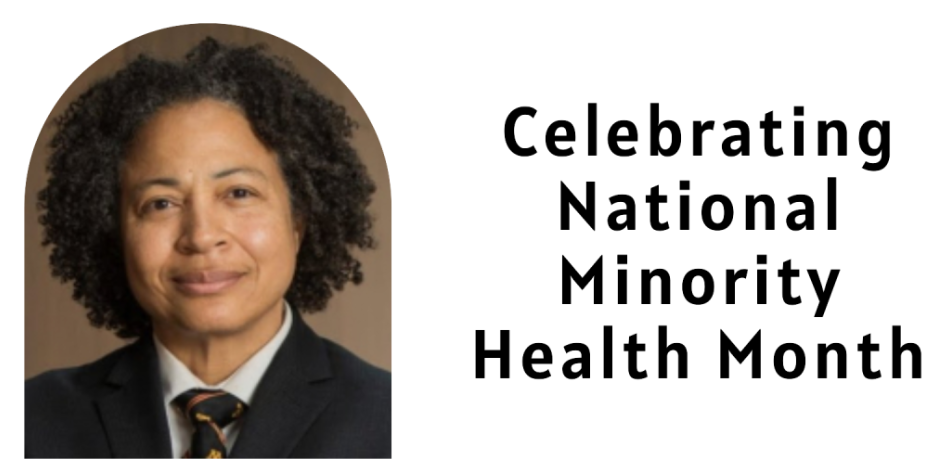
National Minority Health Month
For National Minority Health Month, IHE asked Dr. Renee Crichlow to share her perspectives on leadership in health equity.
"Health equity cannot be achieved without addressing the root causes of health disparities."
-Dr. Renee Crichlow
Read the full feature.
| |
| | | |