|
In November 2018 Betye Saar’s exhibition of assemblages Keepin’ It Clean opened at the New York Historical Society. Saar’s work is about reclaiming stereotypical imagery.
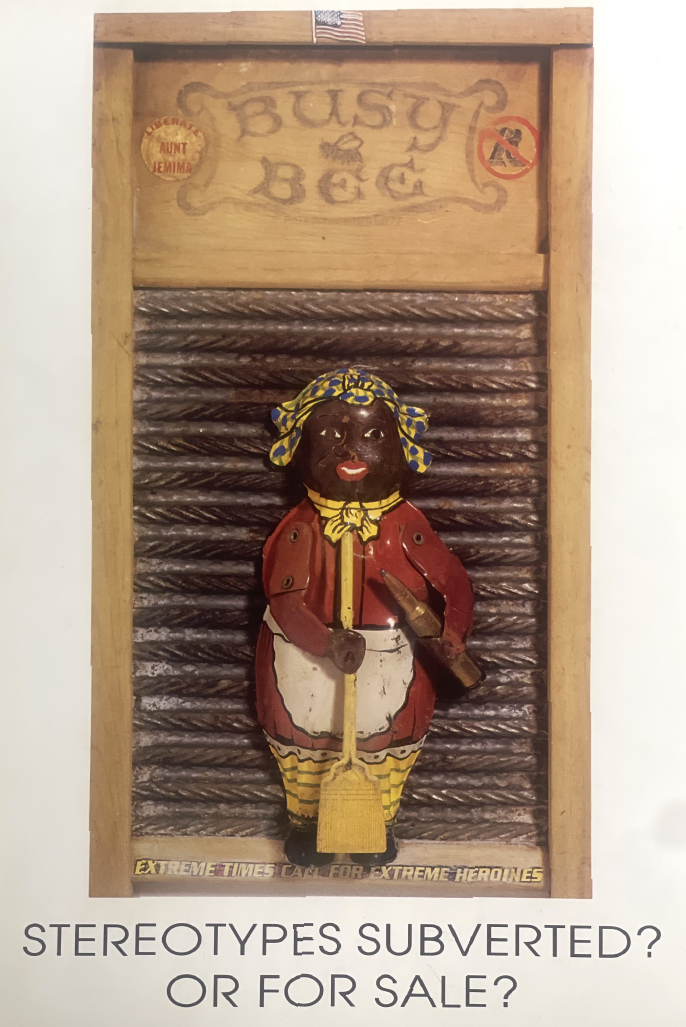
She began the works in the late 1990s, using her collection of vintage washboards as its foundation. One of the pieces – Liberation of Aunt. Jemima: Busy Bee, with the saying “extreme times call for extreme heroines”, was featured on the cover of the International Review of African American Art edited by Samella Lewis.
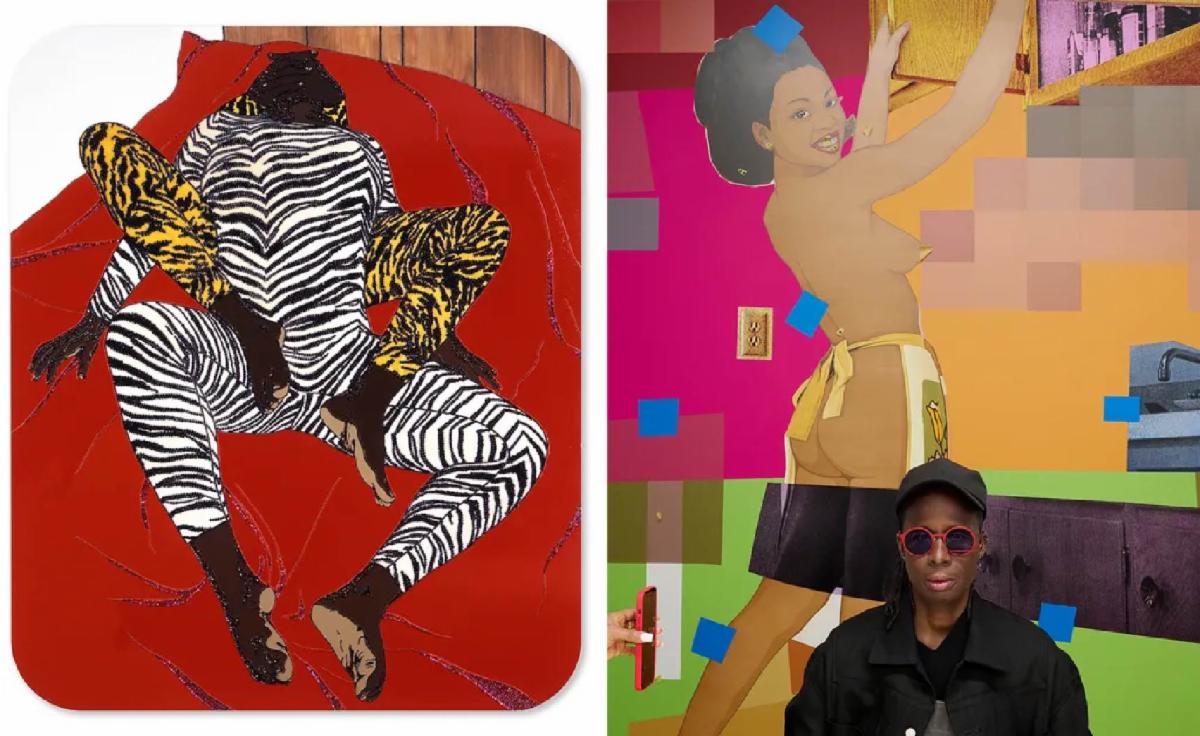
The saying was the headline of an article that explored how stereotypes employed by artists can engender both praise and enmity. Works by Kara Walker and Michael Ray Charles were subject to animus within some quarters of the Black community.
Saar mounted a letter writing campaign against Walker's work with her stated goal “to spread awareness about the negative images produced by the young African American artist, Kara Walker.”
Dr. Henry Lewis Gates said “in the work of these sublime artists, the Black object has become the Black subject in a profound act of artistic exorcism.”
The article posited how the mainstream art world was more likely to advance these works that left many in the Black art community scratching their heads. Works by Robert Colescott, the first Black artist to represent the U.S. at the Venice Biennale, and Manuel Hughes were also featured in the article. The entire issue touches on how Black artists interpret stereotypical imagery and should give us pause today.
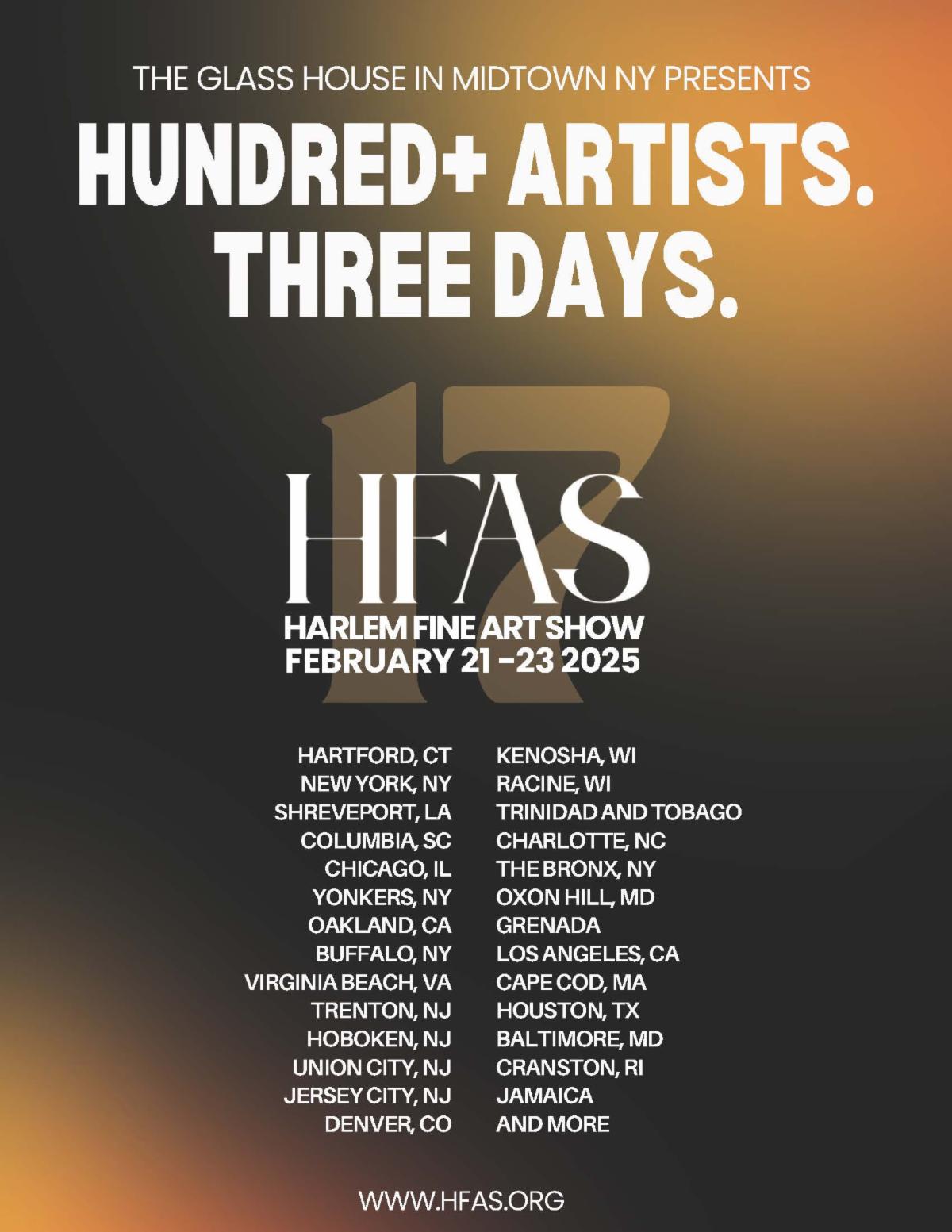
Considering our 2025 north star of Art | Activism | Empowering | Black Women, Saar’s words are prescient, “extreme times call for extreme heroines”.
|