March 2024
NBGA Newsletter Vol. 3, #3
| |
|
Hello and welcome to our March 2024 e-newsletter!
We are looking forward to sharing lots of updates with you all. Read on to see what Northarvest Bean Growers Association members and staff have been up to over the last month, and much more. For instance, Did you know that March is National Nutrition Month®? We can't think of any better way to celebrate than by enjoying - and sharing - beans!
| |
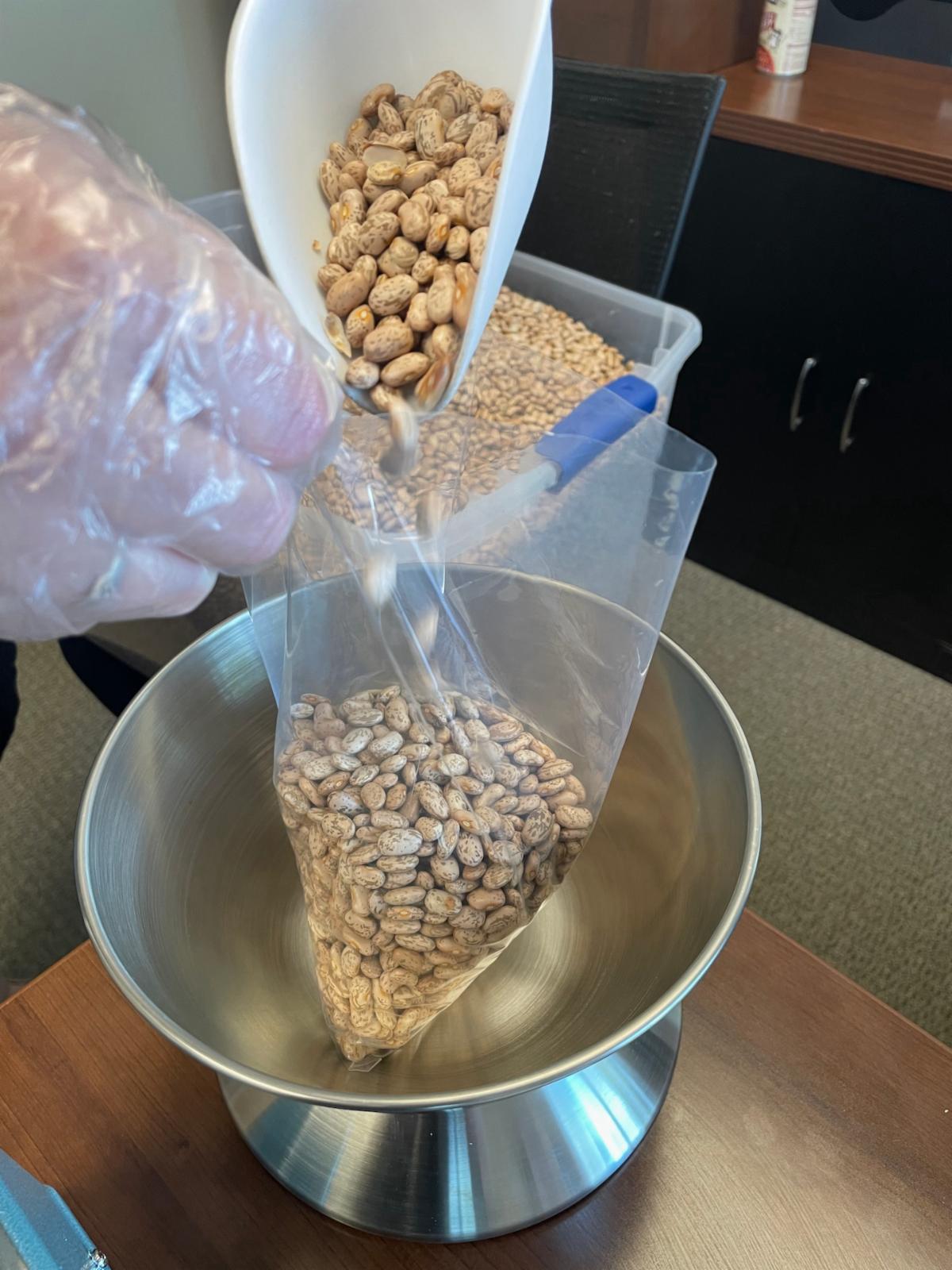
Jennifer Hansen, NBGA Finance Director, bagging beans to share at an outreach event last year. | |
|
March 2024 Newsletter Table of Contents:
- Bean Day 2024 YouTube Playlist
- Bean Poll
- NBGA Member Profile
- USDA Weekly Dry Bean Market Review
- 2023 Market News Summary
- Nutrient & Nitrogen Management Conference Presentations
- NBGA Partners with a Chef
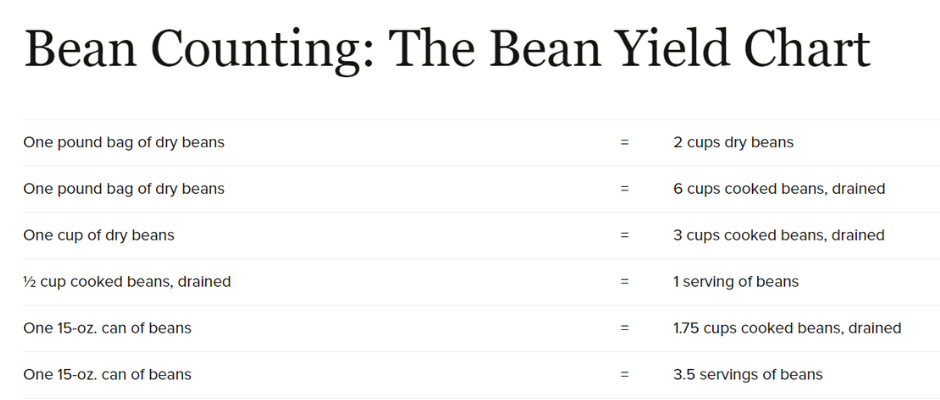
- Bean Institute: How to Cook Dry Beans
- Bean Nutrition Corner
- Northarvest in the News and on the Move
- US Dry Bean Council Updates
- The Dry Bean Scene
| |
| March is National Nutrition Month. To you, what is the most important aspect of bean nutrition? | | | |
NBGA Member Profile
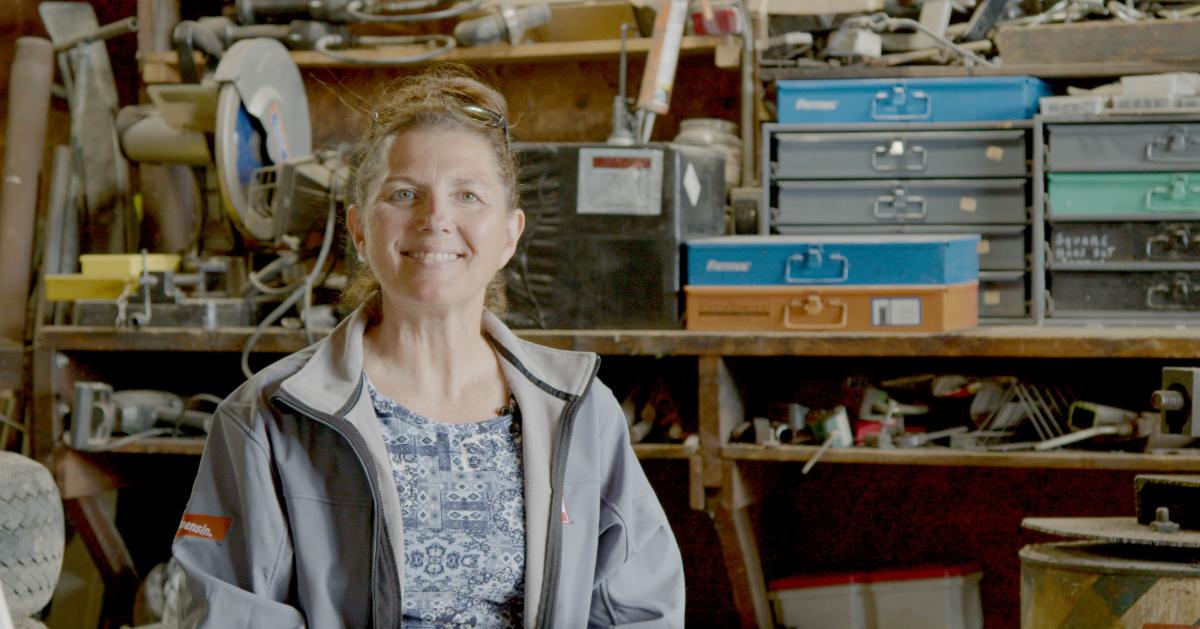
This month's NBGA Member profile is Leann Schafer. Leann is based in New Rockford, ND (District 6) and her family is very active in the agricultural space and has been for generations. Leann serves as the Chair of the Education & Scholarship Committee and can often be seen assisting at as well as overseeing the presentation of awards at NBGA's annual Bean Day conference.
Leann volunteered her time to sit down with NBGA staff to share with us her thoughts on dry beans as well as her feelings on being stewards of the land for future generations.
| |
|
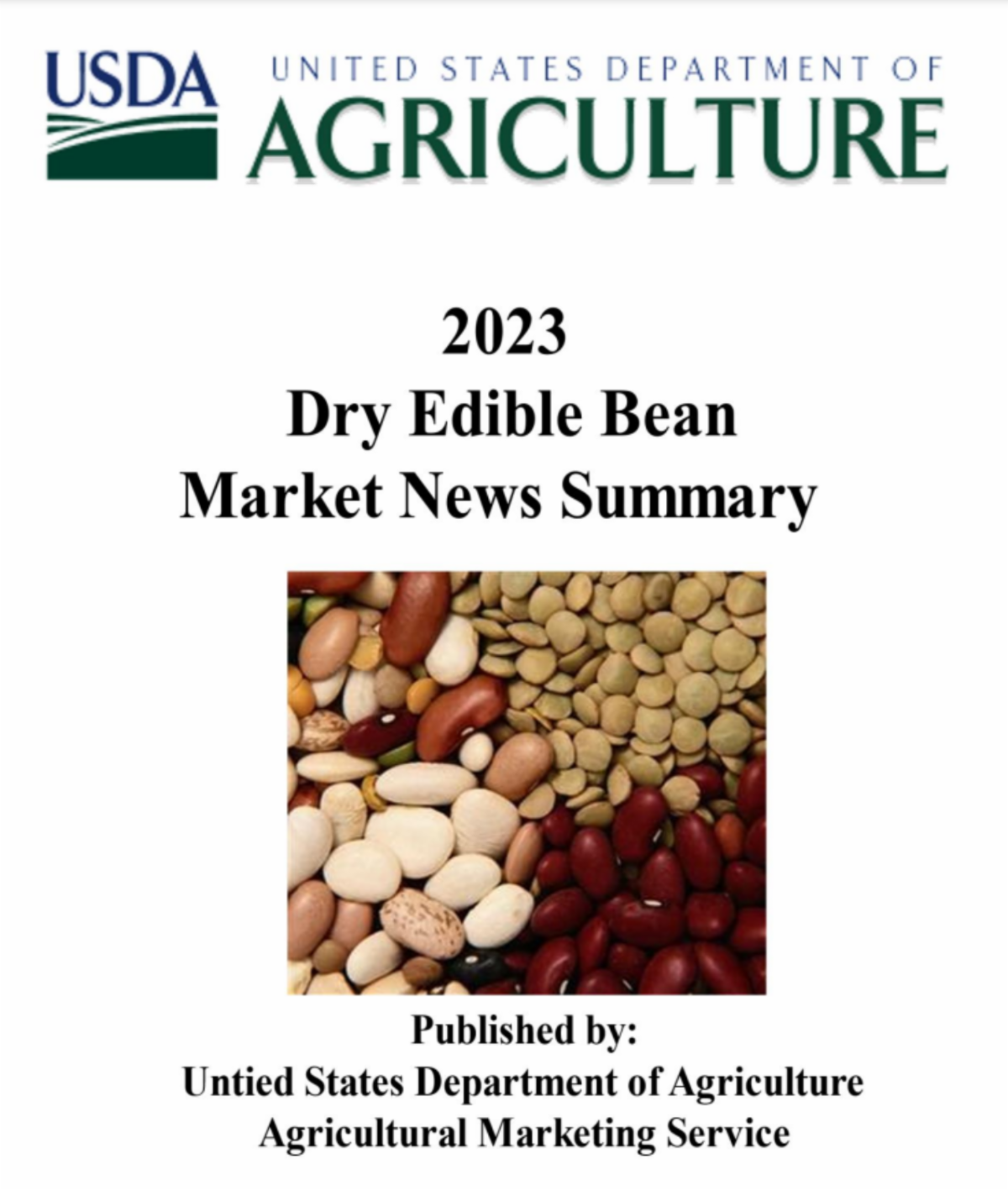
The United States Department of Agriculture Agricultural Marketing Services (USDA-ARS) has released the 2023 Dry Edible Bean Market News Summary.
➡️ You can find the PDF here. Or, click on the image below.
| |
Nutrient & Nitrogen Management Conference Presentations | |
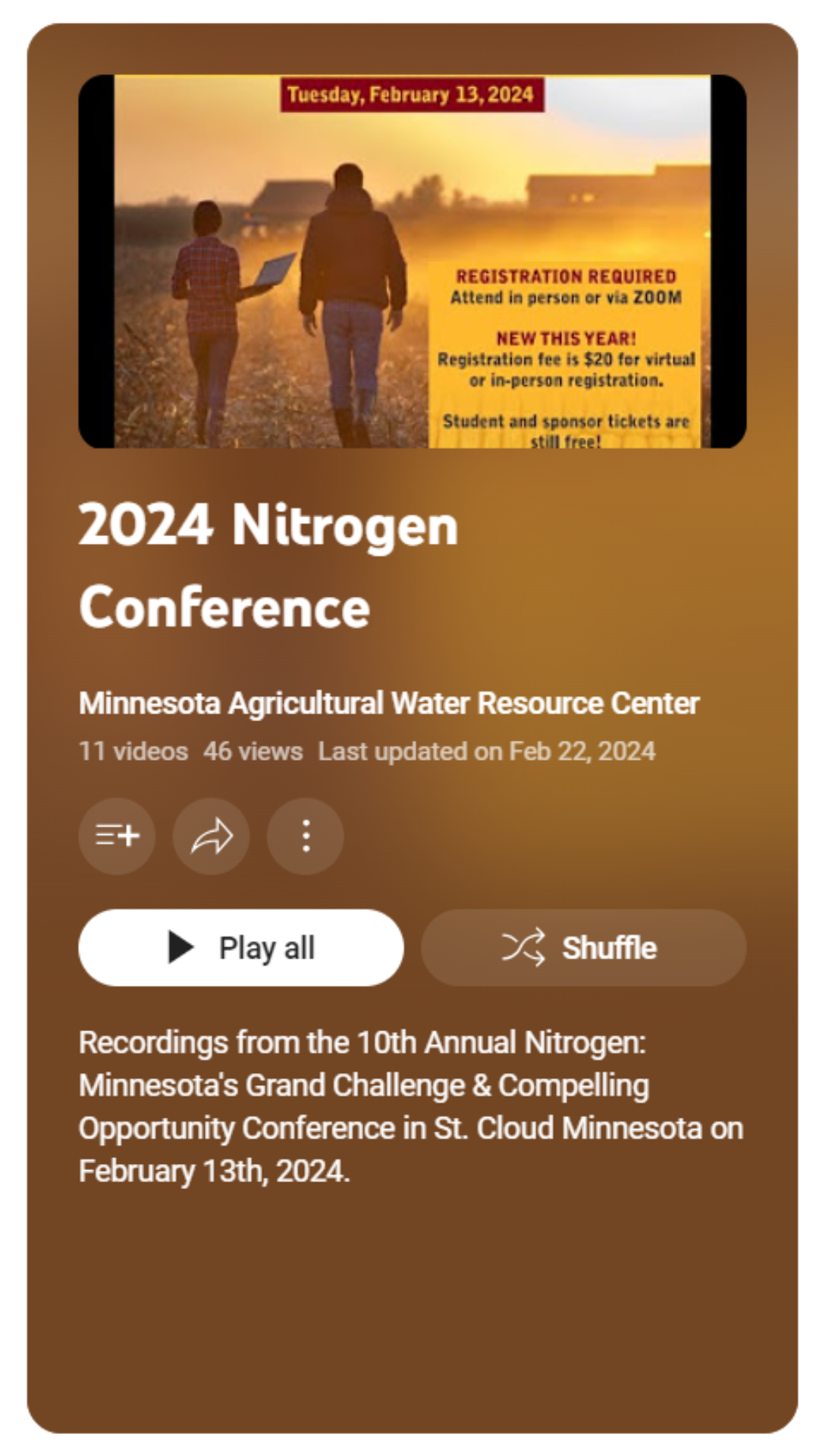
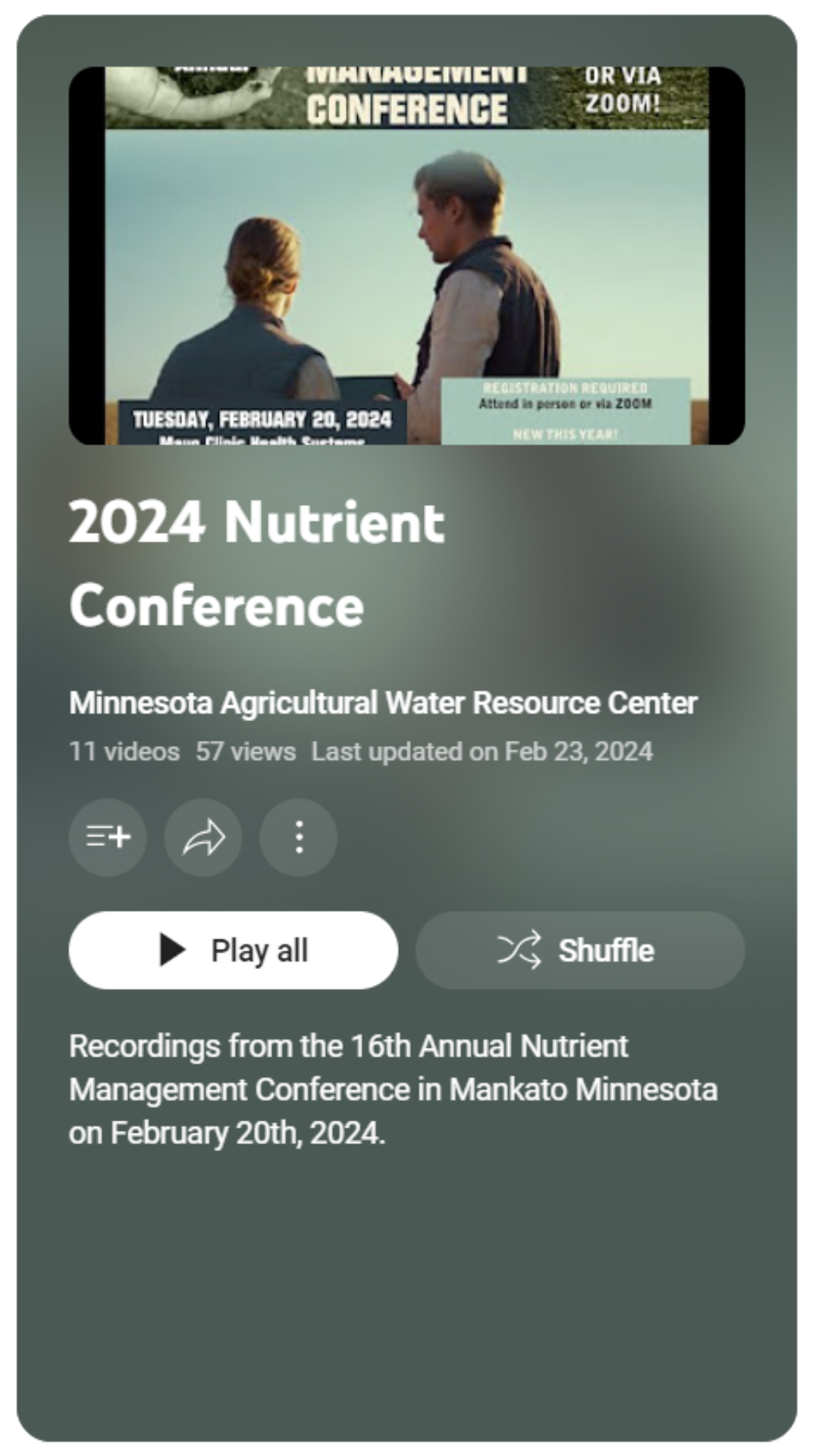
In February 2024, the Nutrient Management Conference and Nitrogen: Minnesota’s Grand Challenge and Compelling Opportunity Conference were well attended, with nearly 400 participating either in-person or via Zoom. All presentations are now available online, on the Minnesota Agricultural Water Resource Center's YouTube channel. | |
|
The Nitrogen Conference took place on February 13 in St. Cloud.
➡️ Click here or on the image above to watch the conference recordings.
| |
|
The Nutrient Conference took place on February 20 in Mankato.
➡️ Click here or on the image above to watch the conference recordings.
| |
NBGA Partners with a Chef | |
|
As we shared in last month's e-newsletter, NBGA partnered with Chef Lauren Zobac to develop and film six bean-centric recipes. Chef Lauren worked her culinary magic with pinto, black, small red, great northern, and cranberry beans.
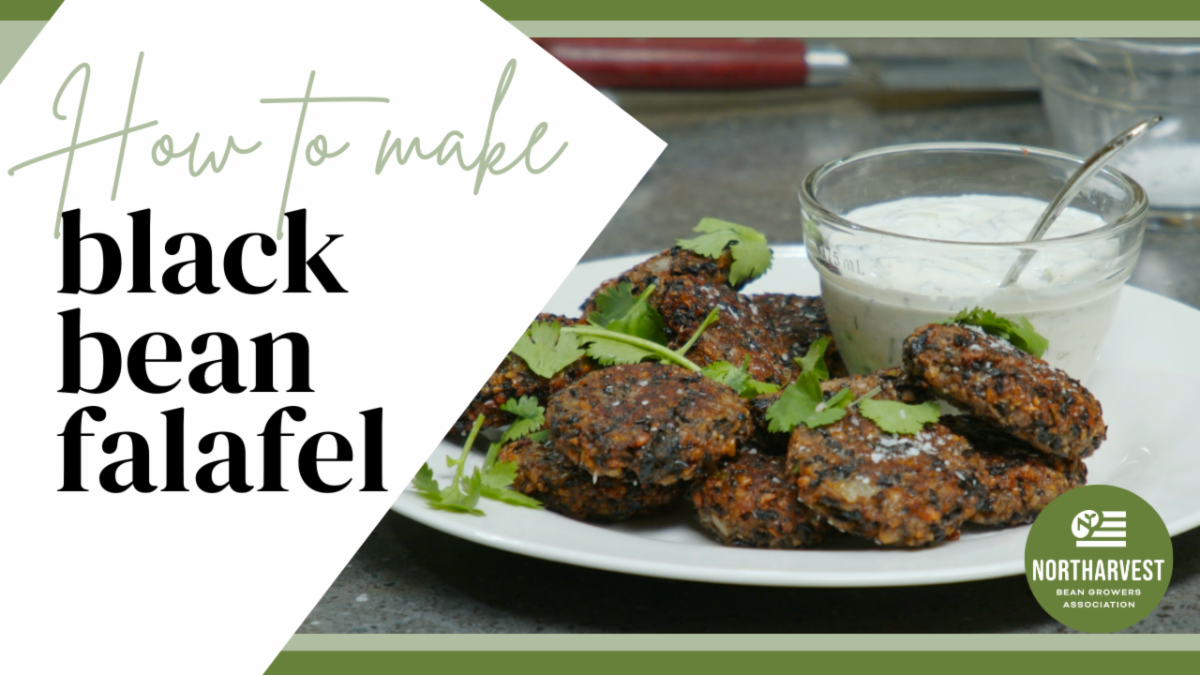
The first recipe video - Black Bean Falafel - is scheduled to premiere on Thursday, March 14 at 7 pm central time. It will be available on our YouTube channel page, linked by clicking the photo below. NBGA appreciates the efforts of all involved and we hope you enjoy it.
We hope that you also like the recipes; the ingredients for the falafel and all future recipes will be linked in the details of each video. We also hope you feel free to share them on your networks to help inspire people to add more beans to their regular diets. NBGA and the Bean Institute will be promoting these videos to a wide audience of consumers, registered dietitians, and others.
These recipes demonstrate that eating more beans can be simple, tasty, and exciting - because you can really make anything with beans, from main dishes to desserts!
|  | |
|
Black Bean Falafel recipe
For falafel:
- black beans, 2 cups uncooked, soaked overnight and drained
(yield ~ 4 cups/1 quart)
- yellow onion, 1 medium
- clove of garlic, 1, zested on a Microplane
- Flour, ¼ - ½ cup: NOTE: May use all-purpose, cornmeal cornstarch, tapioca, etc.
Herb mix:
-
1 bunch each: dill, green onion (tops only), parsley, cilantro) (Yield = roughly 1 cup)
Spices = ¼ - ½ tsp each:
- coriander, cumin, smoked paprika
Dipping Sauce -
In a bowl, combine Herb mix with:
-
½ English cucumber, quartered and small diced (if using Persian or conventional, seed, salt, and let drain)
-
1 cup plain Greek yogurt
-
1 cup sour cream
-
Zest & juice of 1 lemon
-
1 Tbsp – ¼ cup herb mix* (*see falafel recipe above – equal parts dill, parsley, scallion, cilantro)
-
1 clove garlic, grated (on a microplane)
-
½ - 1 jalapeño, grated (on a microplane) (NOTE: optional)
-
1 tsp fresh pepper
-
1 tsp kosher salt
-
¼ - ½ tsp coriander
Instructions:
- Rough chop onion
- rough chop green onion, parsley, cilantro, and dill.
- Blitz onion, garlic, beans, herbs, salt, and spices together in a food processor
- in a large mixing bowl, fold flour into the blitzed mixture until loose balls begin to form.
- Rest dough for ~1 hour
- form into small, cookie-sized discs
-at 350 degrees, Fry until golden
- Allow to cool, serve with sauce and additional herbs
| |
Q&A with Chef Lauren Zobac | |
We asked Chef Lauren to tell us a bit more about her experiences with beans. Last newsletter, we shared two of her responses. Below, you can find her answers to the next two questions. | |
|
What tips would you give other chefs or home cooks, who want to work more with beans?
"Not to be afraid. Beans make for a great blank slate. The internet is a great resource for ideas and recipes."
| |  |
|
If someone wants to start eating more beans, what do you think are some easy ways to add more beans to your regular diet?
"Soups and salads are great places to add beans (and thusly, protein)."
| |
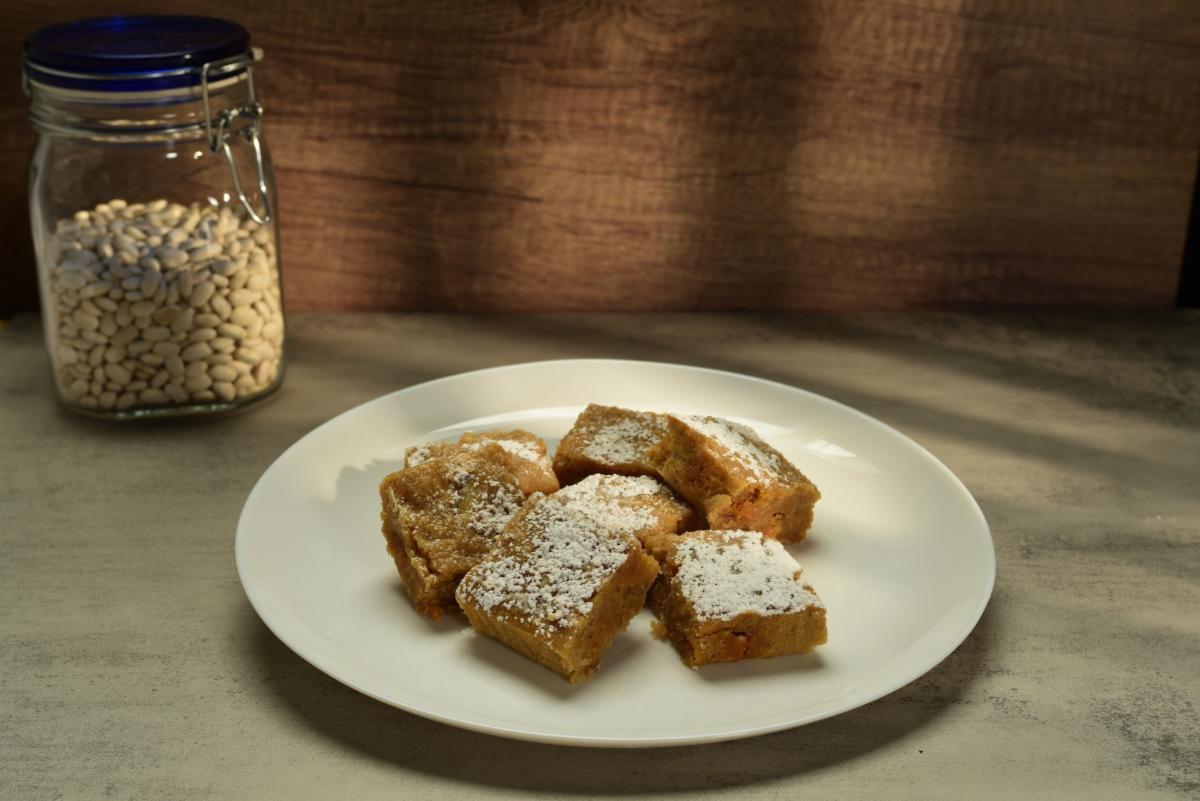
Need another sneak peek? We present to you ... White Bean Blondies! | |
Enjoy Beans for National Nutrition Month | |
|
March is National Nutrition Month®. When considering nutritious foods, beans are an ideal choice. They are rich in protein, dietary fiber, and vitamins and minerals like folate, iron, and potassium. Plus, they are naturally cholesterol-free and very low in fat. NBGA is supporting the work of the Coalition for the Advancement of Pulses, which has the goal of increasing the recommended intake for beans and other pulses in the Dietary Guidelines for Americans. Therefore, for this month's Bean Nutrition Corner, we thought we would share a couple images from the Coalition for the Advancement of Pulses (CAP), which summarize main findings from a recent science article about how adding more pulses to the diet can impact nutrition.
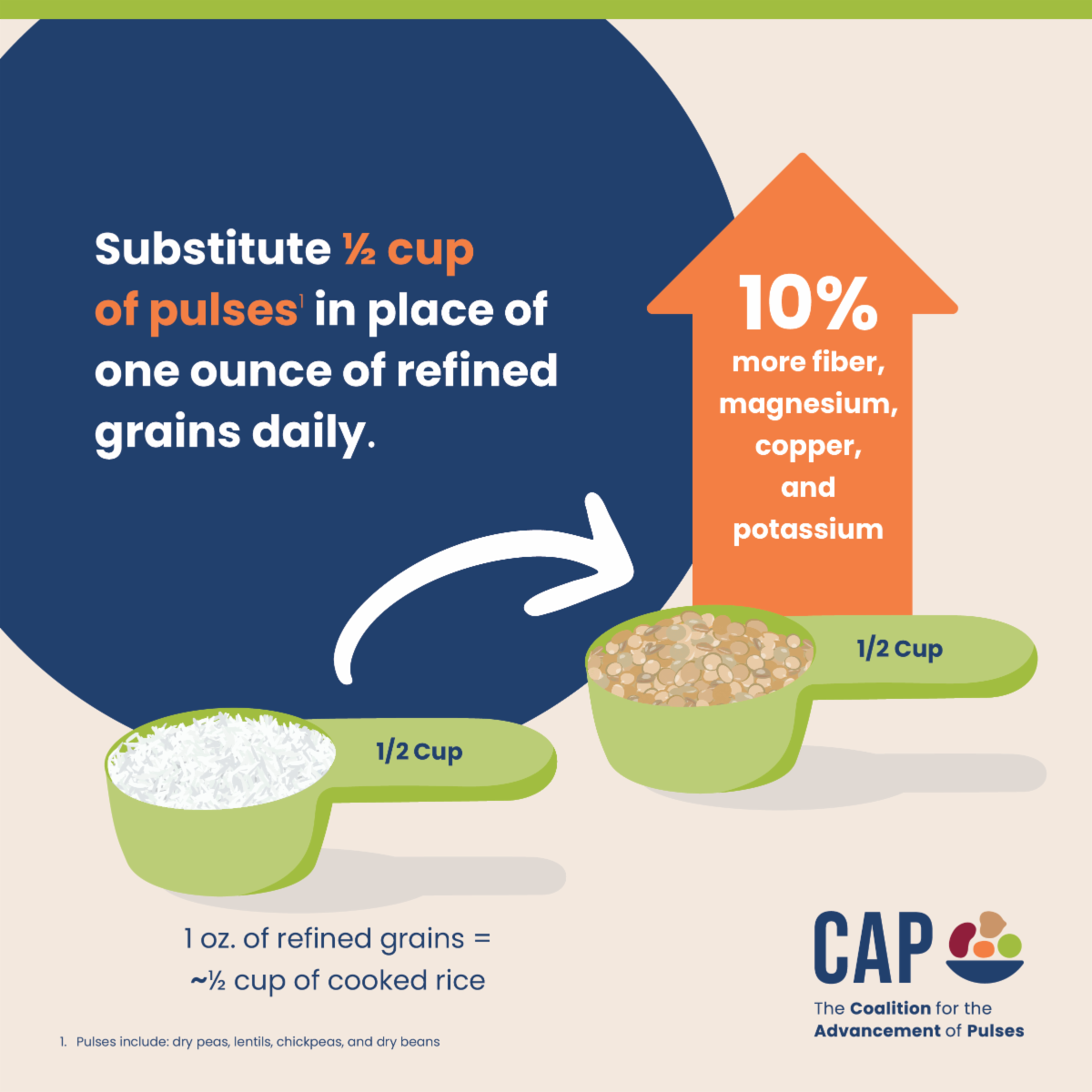
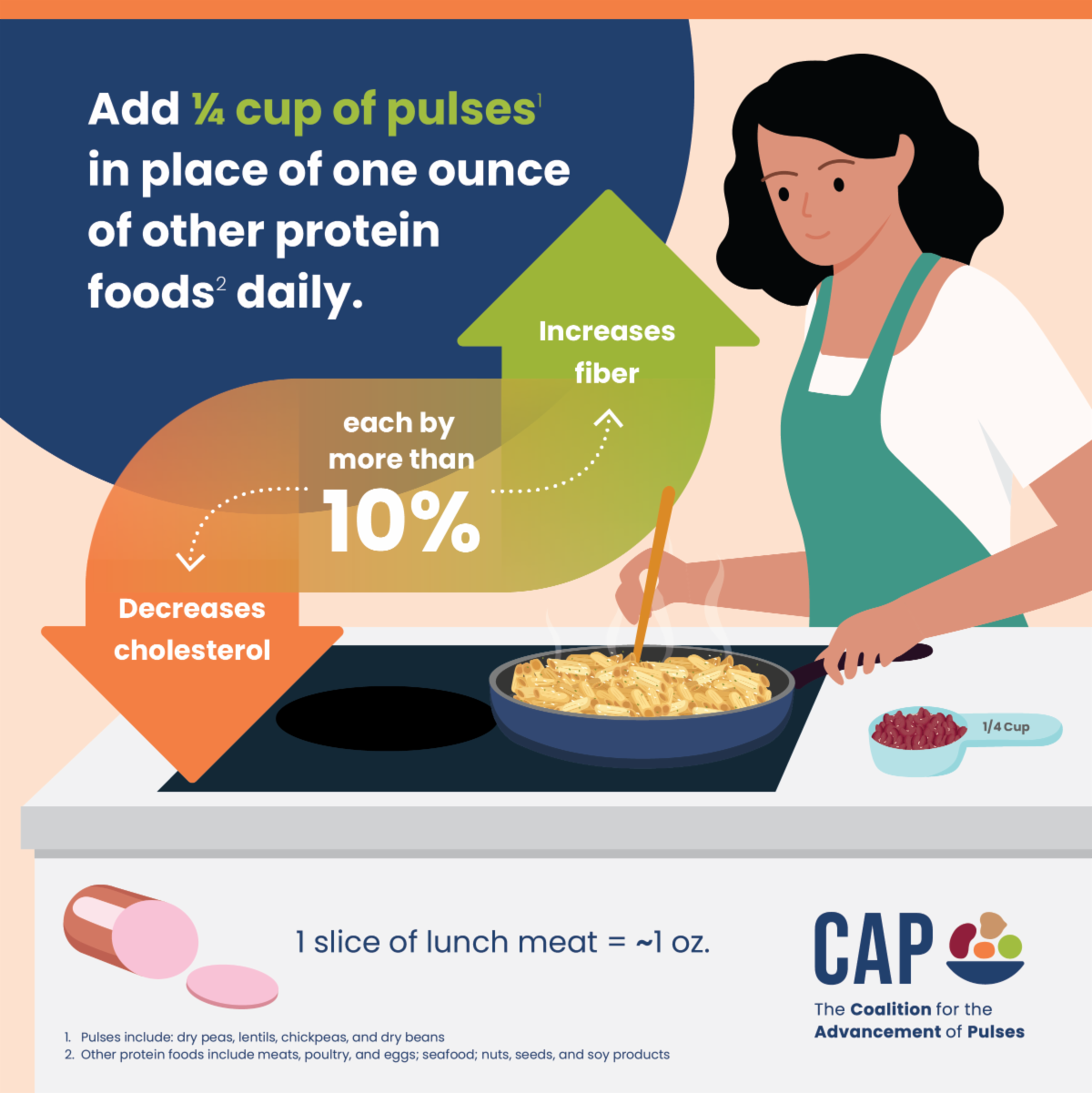
In late 2023, authors Agarwal and Fulgoni published an article titled Effect of Adding Pulses to Replace Protein Foods and Refined Grains in Healthy Dietary Patterns in the journal Nutrients. You can find the full article in Nutrients, linked to here.
The researchers assessed how substituting refined grains and/or other protein foods with pulses would impact nutrient intake. So, what where the results?
- Replacing refined grains with pulses increases intake of dietary fiber, as well as several key minerals, like potassium. According to the Dietary Guidelines for Americans, both dietary fiber and potassium are considered dietary components of public health concern. Thus, eating foods that can support higher intake is critical for public health.
- Swapping out other protein foods for pulses decreases cholesterol and increases dietary fiber intake. Pulses are cholesterol-free and very rich in dietary fiber, so this makes sense.
The images below were created by CAP and visually represent these key findings.
| |
|
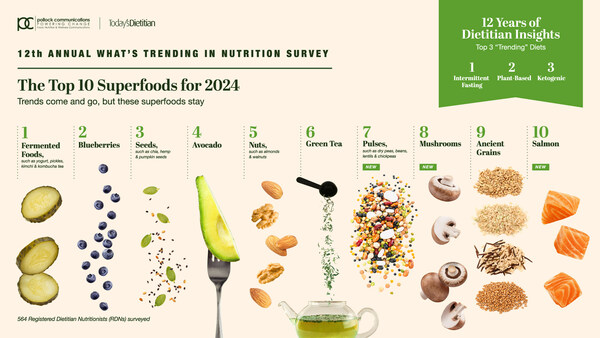
Consumers are recognizing that beans and other pulses are nutritional powerhouses. An article in PR Newswire explained the results of the 12th Annual What's Trending in Nutrition survey. Over 550 Registered Dietitian Nutritionists (RDNs) were surveyed. The consensus was, "In the ever-evolving food and nutrition space, affordability and gut health are positioned to take center stage as leading drivers of consumer purchasing decisions in 2024." Beans are an affordable, nutrient-dense food that meet these interests perfectly, not to mention they are delicious and make excellent pantry staples due to their long-shelf life.
As shown in the image below, pulses are now ranked in the top 10 superfoods for 2024! Beans and other pulses are a natural fit for this list due to consumer interest in gut health, plant-based eating, and affordability.
| |
Moral of the story? If you are looking for a nutrient-dense and delicious superfood to celebrate National Nutrition Month, beans are a perfect choice. But don't stop enjoying them once March is over - beans are an excellent addition to our regular diets, no matter the month! | |
|
NBGA members and staff have been busy representing the bean industry, both locally and internationally. Some of the places they have traveled for beans include: Minnesota, North Dakota, Puerto Rico, India, and Dubai. Read on for details.
| |
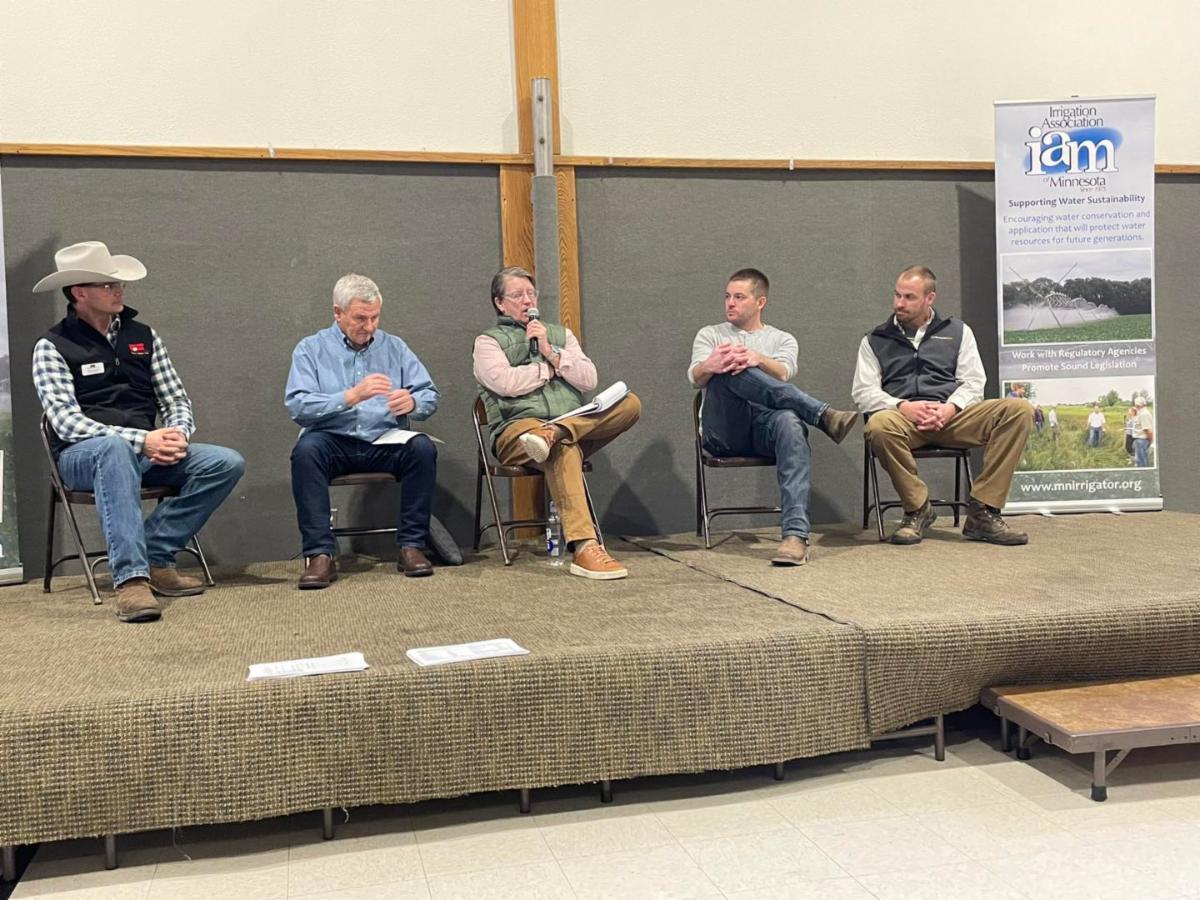
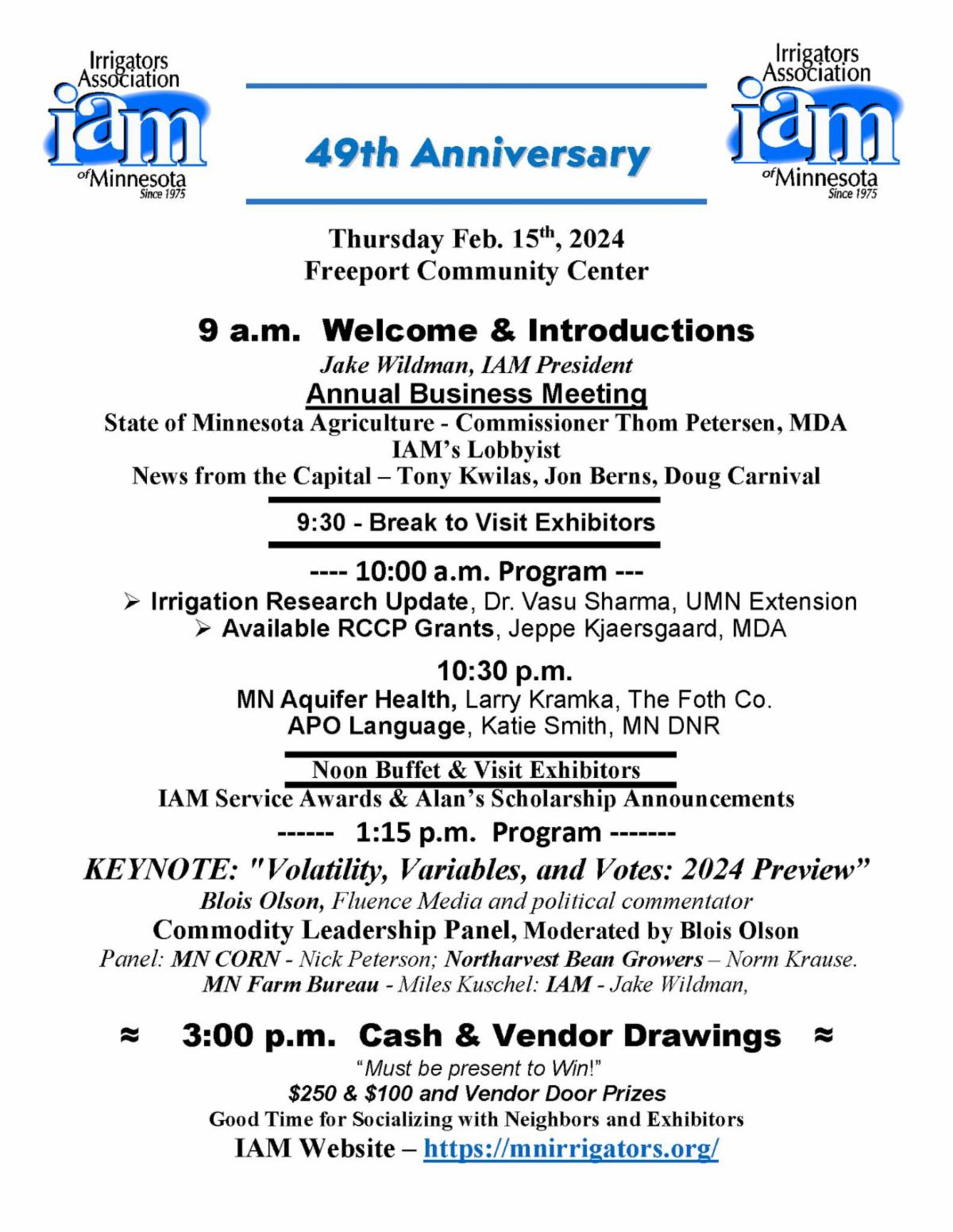
Norm Krause, MNDBRPC (Area 2) - Treasurer, attended the Irrigators Association of Minnesota conference in February. He spoke on the Commodity Leadership Panel. Blois Olson Fluence Media was the Panel Facilitator. Northarvest appreciates Norm representing NBGA at this event and sharing his expertise with attendees. | | |
L-R: Miles Kuschel – MN Farm Bureau, Norm Krause – NBGA, Jake Wildman – MN Irrigators Association, Nick Peterson – MN Corn Growers Association | |
| |
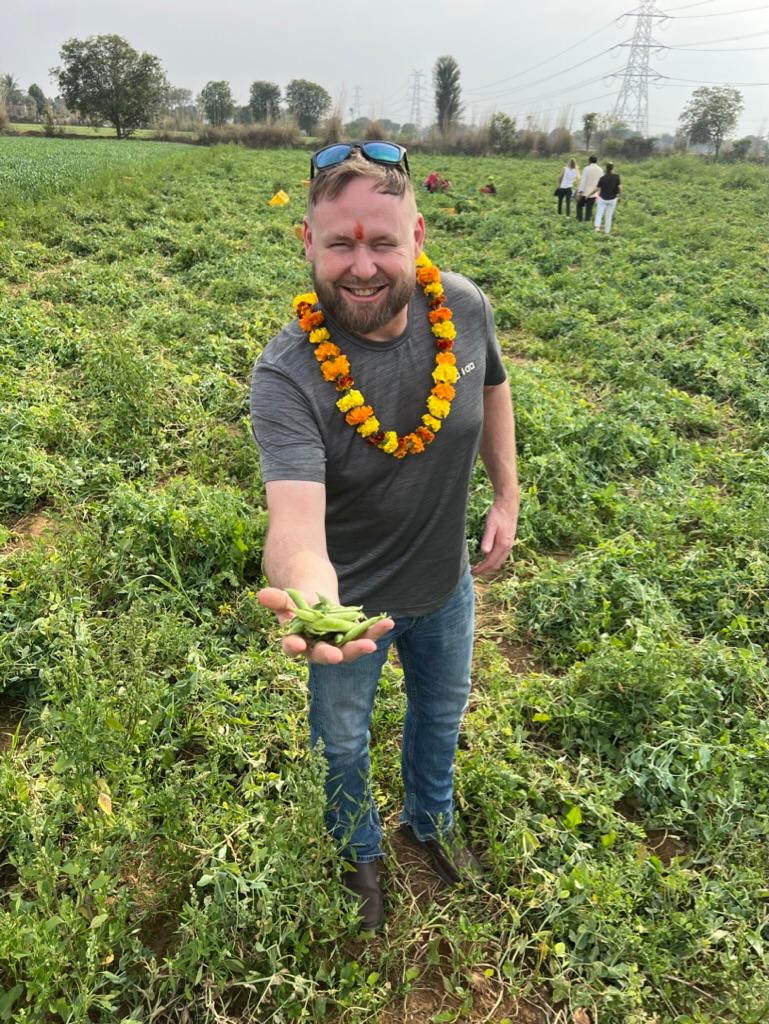
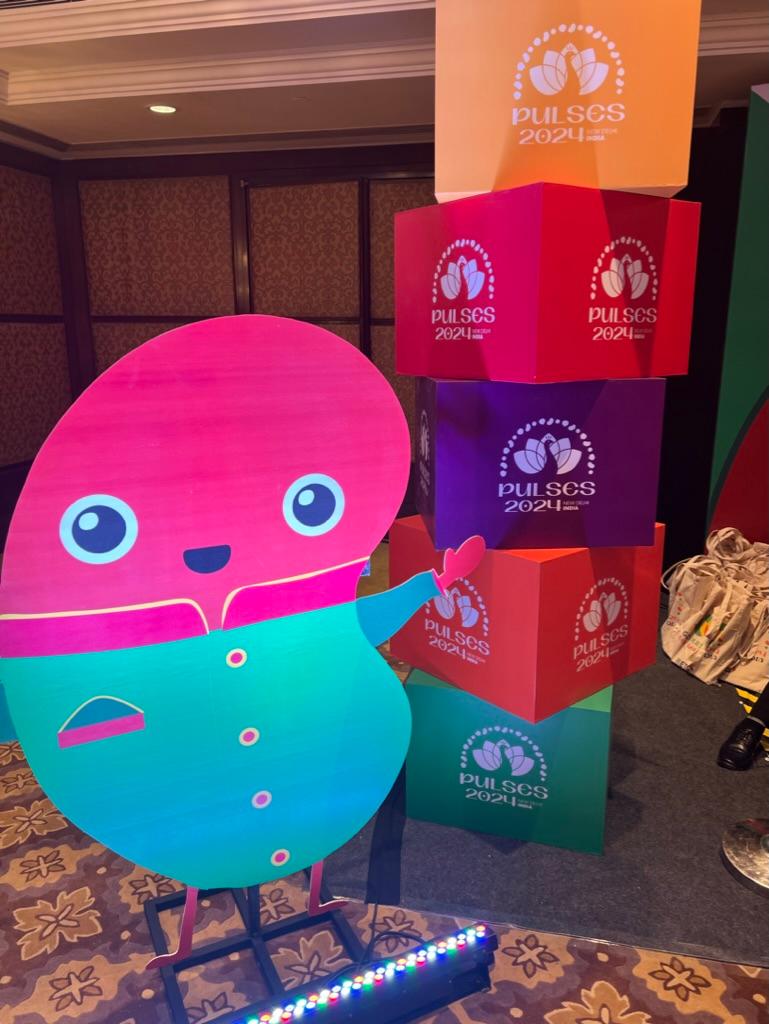
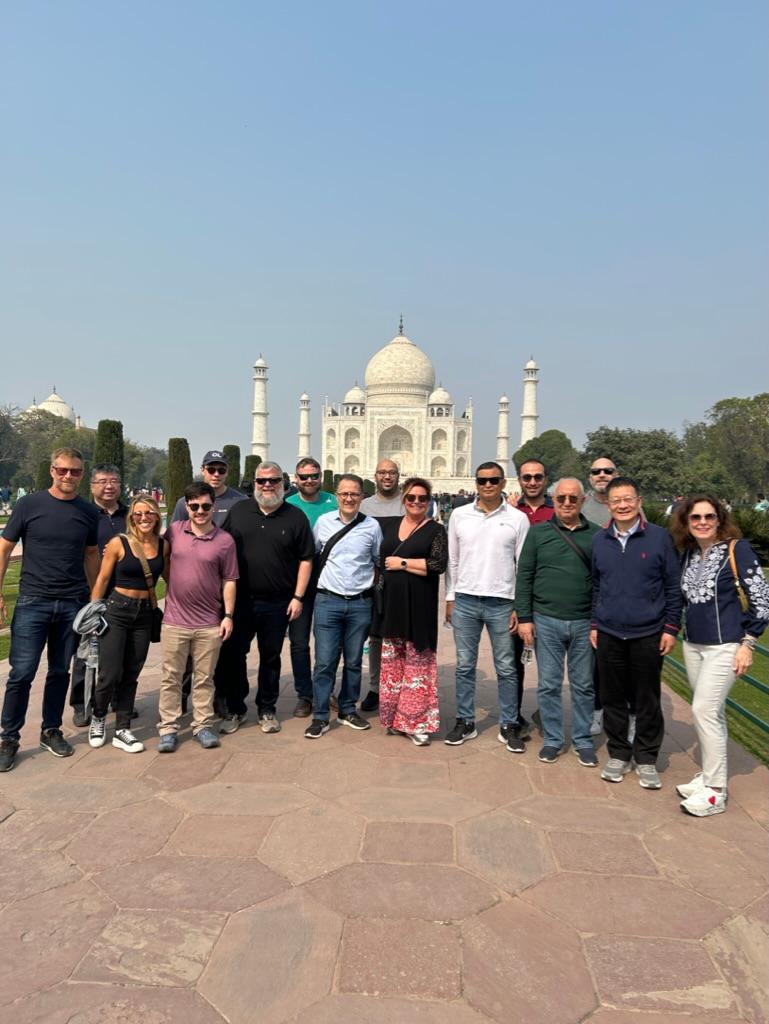
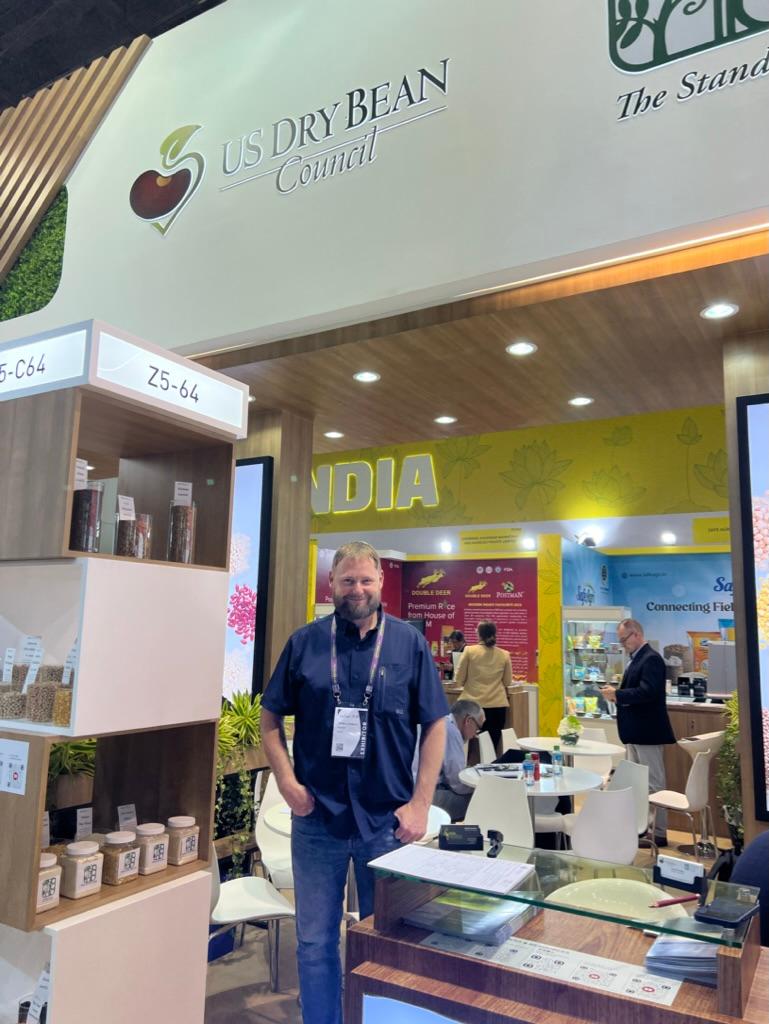
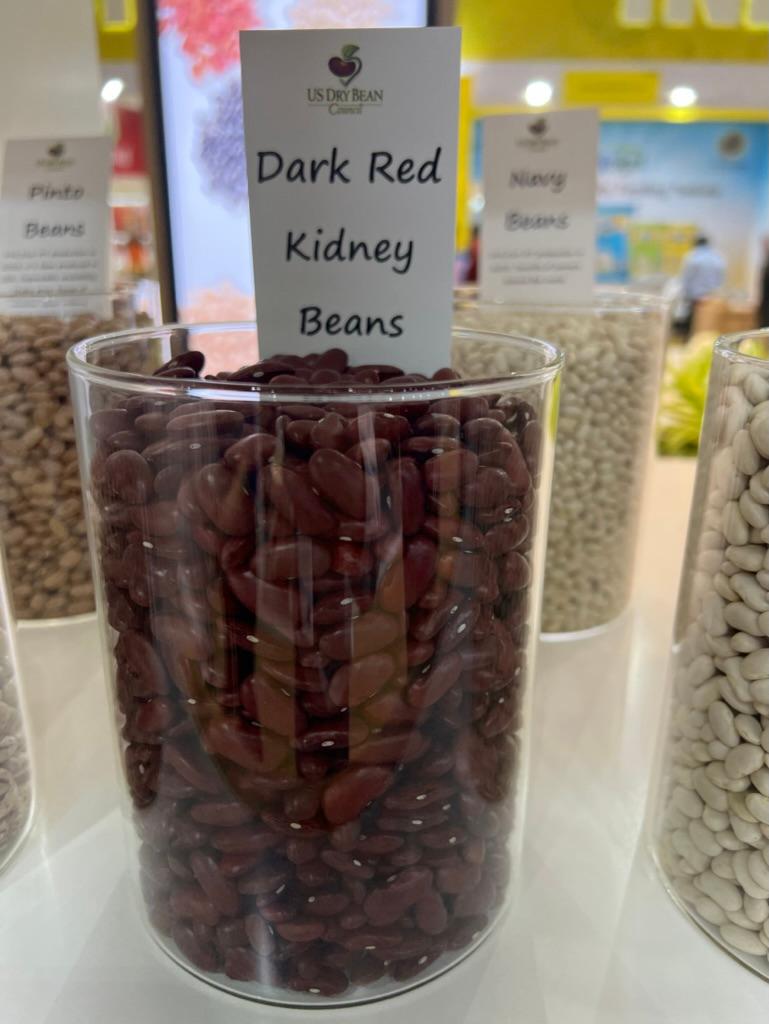
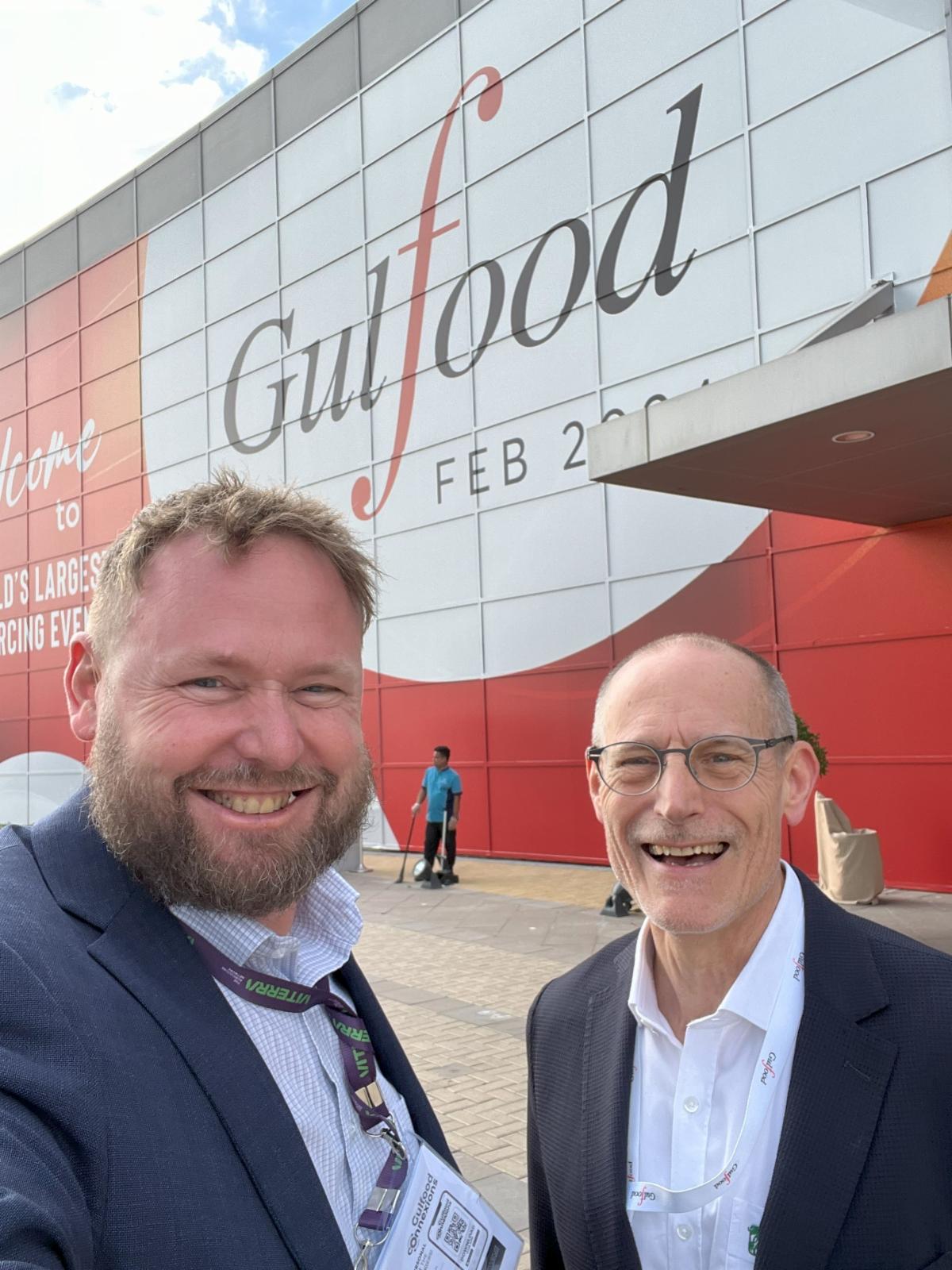
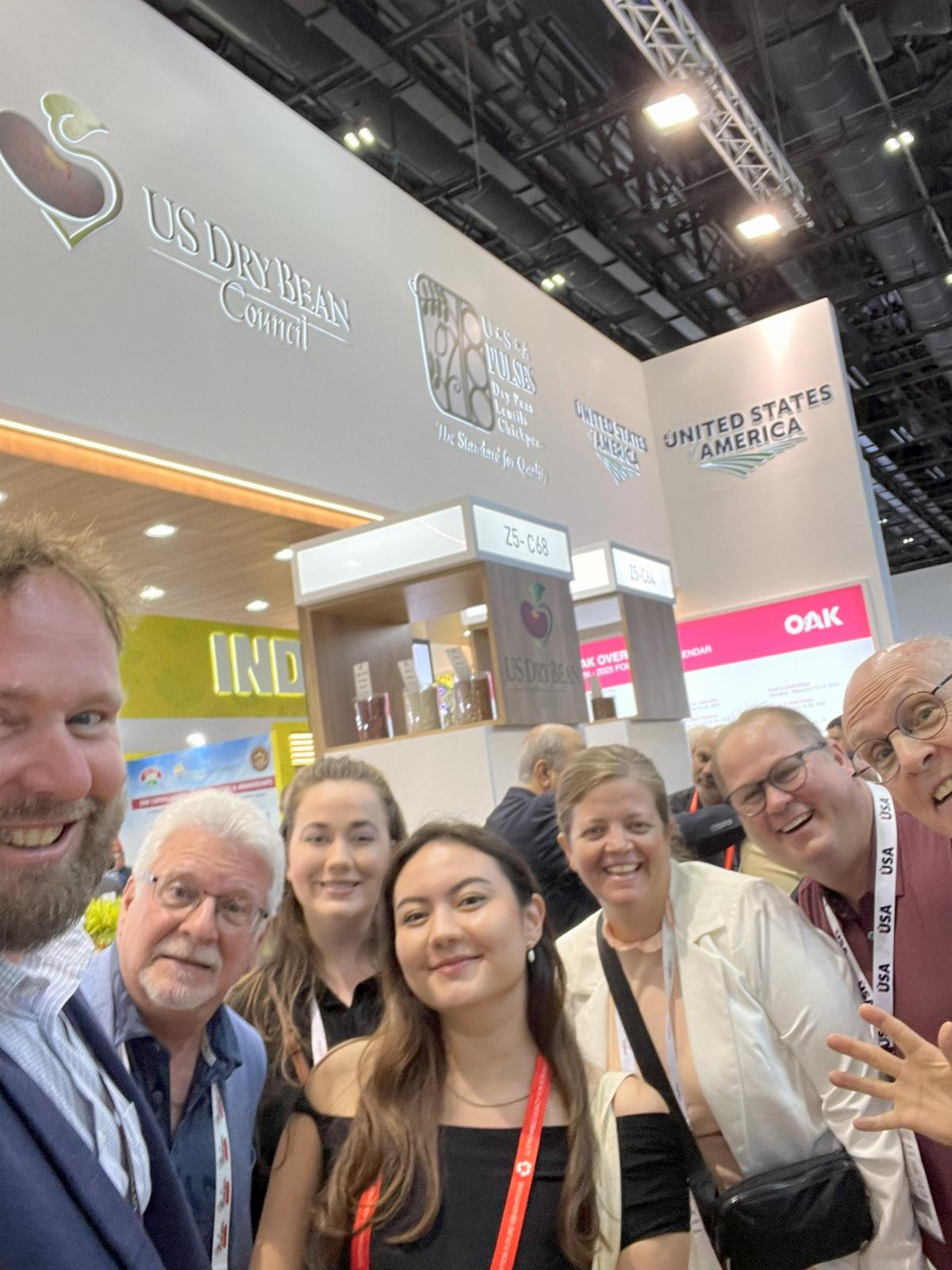
Cordell Huebsch, NBGA Director (District 8) - Secretary, traveled to Delhi, India to attend Pulses 24 and represent NGBA at the Global Pulse Confederation's annual conference. He also attended the Gulf Food Show in Dubai, UAE. Cordell shared the following photos and write-ups about his experiences. We appreciate him taking the time to attend and advocate for our industry, as well as to write about his time there. | |
|
|
|
GPC 2024 - Global Pulse Confederation - New Dehli, India
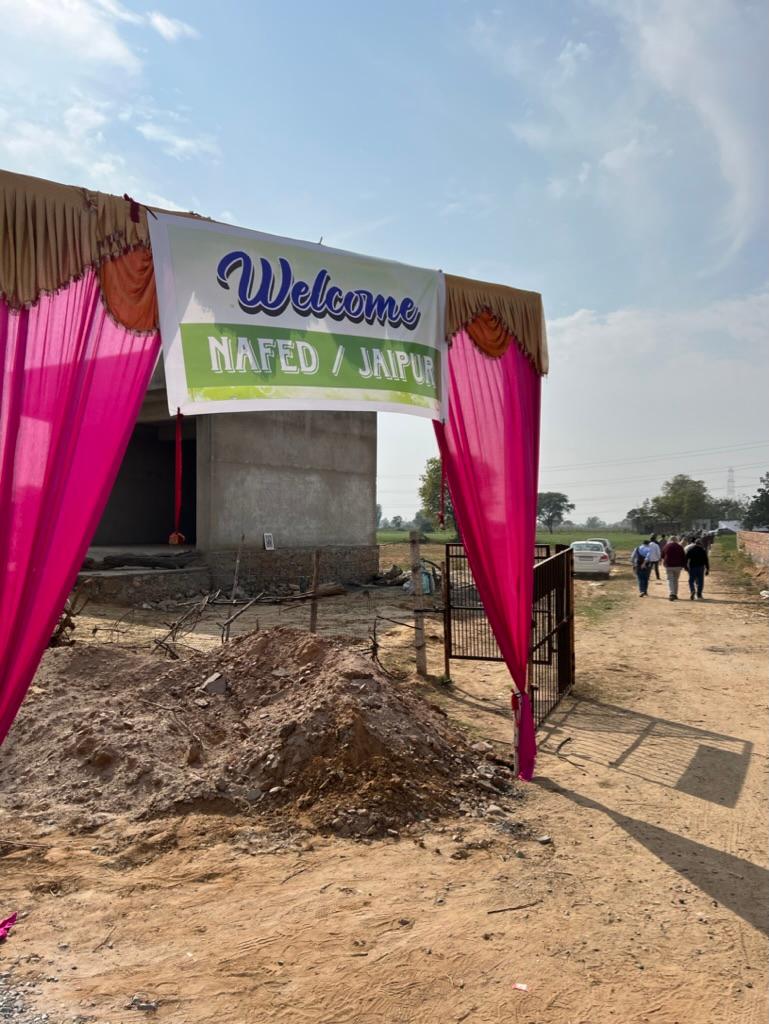
GPC is the pulse industry's member driven and supported organization. This is a global organization that brings pulse buyers, sellers, and processors together for education, consensus building and market discussion. I had the opportunity to represent the US Dry Bean Council and participate in the 4 day event, as well as take an industry coalition rural India farm tour for two days before the event. The farm tour portion of the trip was a key part of my experience in India because it gave me the opportunity to spend a couple days with major industry players from around the globe. Many hours on a bus lead to many great conversations and insights about pulse production, pricing, and trade around the world. As an outsider, this was pivotal because I now had 16 new allies that I could call upon throughout the conference to introduce me to even more industry players. We were able to witness a 40 hectare farm that grew a number of pulse crops, as well as some trellised fruit and fresh vegetables. The farm tour was hosted by an Indian organization called NAFED. This is almost like a CCC organization that sets and receives crops at something called the Minimum Support Price (MSP). It also does some local distribution through something resembling a food bank. Farmers are not required to sell to NAFED, but depending on the growing season and yields, many do. One of the biggest surprises I had at the farm was the discussion about land values. The farm we were at, which was very remote and had what we would consider pretty poor soils, was valued at about $100k/acre. I suppose this is because of the sheer number of people in India (1.6 billion), and also the several generational caste system that keeps property in families for millennia. The conference itself was a great event that is built around the idea of round table discussions, instead of just people lecturing. Each pulse crop had it’s own round table and during these discussions, any pertinent concerns or topics were discussed. This always included rough pricing for each area, trends for yield and imports, and outlooks for new crop planting intentions. Because it’s a global event, our new crop is South America and Australia’s old crop, so it’s interesting seeing how we all take our turn to supply and fill the world’s food coffers. This event was one of the most powerful conferences I’ve attended, and I see how important this confederation is to all importers and exporters. It’s importance is not just in the information gleaned from the conference, but perhaps more so from the trust developed by seeing and meeting with global players annually. The odds of unscrupulous characters showing their faces at an event like this after a contract default is very low, so having a place to show how trustworthy you are is a key part of this organization’s value proposition.
| | | |
|
|
|
Gulf Foods 2024 - Dubai, UAE
I attended the Gulf Food Show on my travels back from the GPC conference in New Dehli, India. These two events were scheduled back to back because most attendees of GPC also attended the Gulf Food Show. There were many recognizable faces walking past from the Pulse specific event. Gulf Food is the largest food show in the world. Centrally located in the Middle East, there is huge attendance from India, Pakistan, Turkey, Egypt, China, and every other country located in this locale. Almost every country on the earth sets up booths at these food shows, as they are a critical place to showcase your export offerings and network with global players in this arena. As a dry bean grower from Central Minnesota, I certainly don’t have any specific product to sell at these shows. Our focus and mission with these events is to not only serve as a grower resource, fielding any questions about practices and harvest conditions, but also as a neutral medium to gather trade leads from around the globe. Hundreds of interested parties saunter past our USDBC booth each day, curious about everything from pricing to availability. Our real value to the potential customers is that instead of finding and talking with several different exporters, we serve as a great tool to compile these leads and offer them to our member exporters. These leads will outline where the potential customer is from, what ports they would like product shipped to, what particular pulses they are looking for, and a rough idea about the kind of volume they are looking to source. Our discussions are always enlightening, and not only give us trade leads, but also give us an opportunity to see, in real time, what particular areas of the world are short and actively seeking different commodities. The United States is the premier producer of pulses, and the majority of our product is first quality that is can or bag ready. A big chunk of the buyers at these shows are looking for value propositions, lesser quality product they can process, clean, and remarket themselves. All of our exporters will have some quantity of lower quality product to move, so these shows are great opportunities for connecting with global consumers that want this lower quality, but cheap, product. Overall, the show was a great investment for our American producer. Pulse trading is a business that revolves around relationships. It takes a lot of faith to put containers of our valuable product on an ocean liner and send it to a foreign port. Exporters from the US need to know who they are dealing with, and these shows are a great medium that allows exporters to meet with many customers at one time.
| | | |
|
Puerto Rico
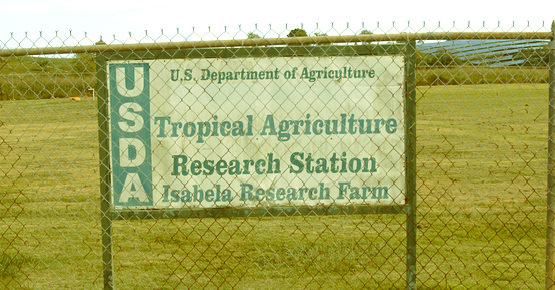
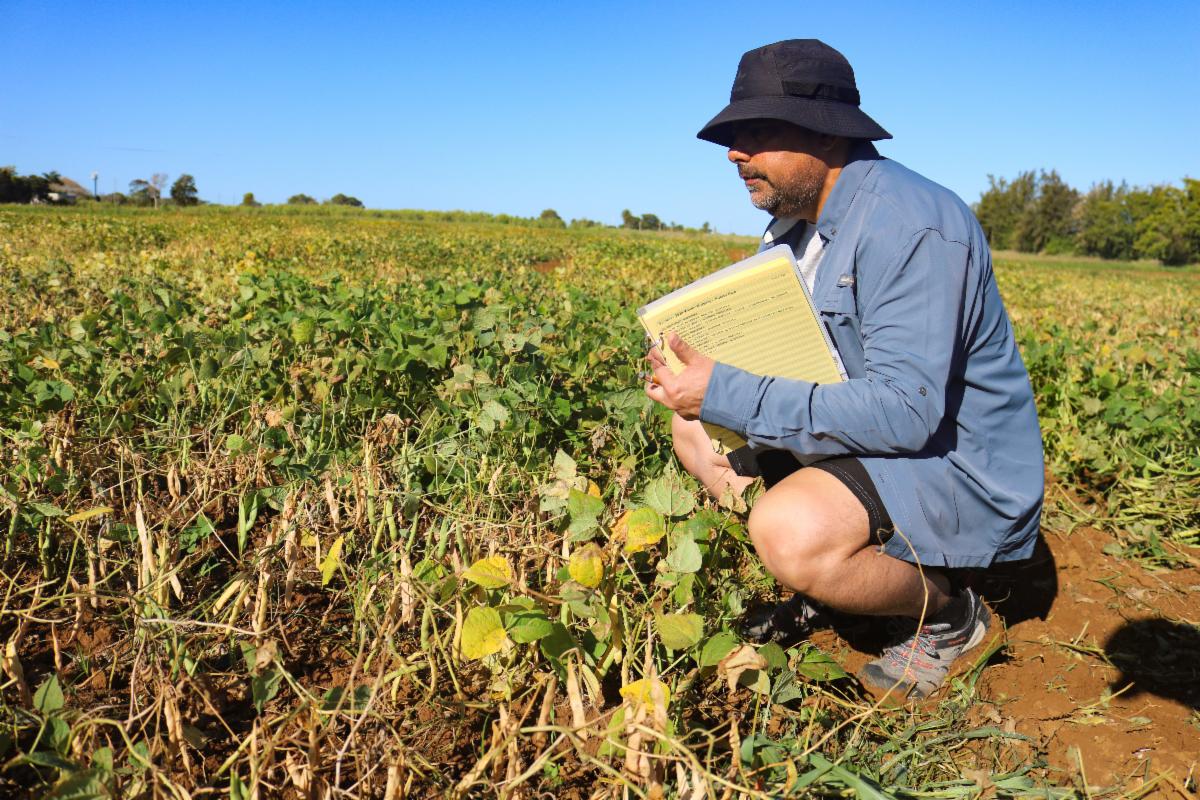
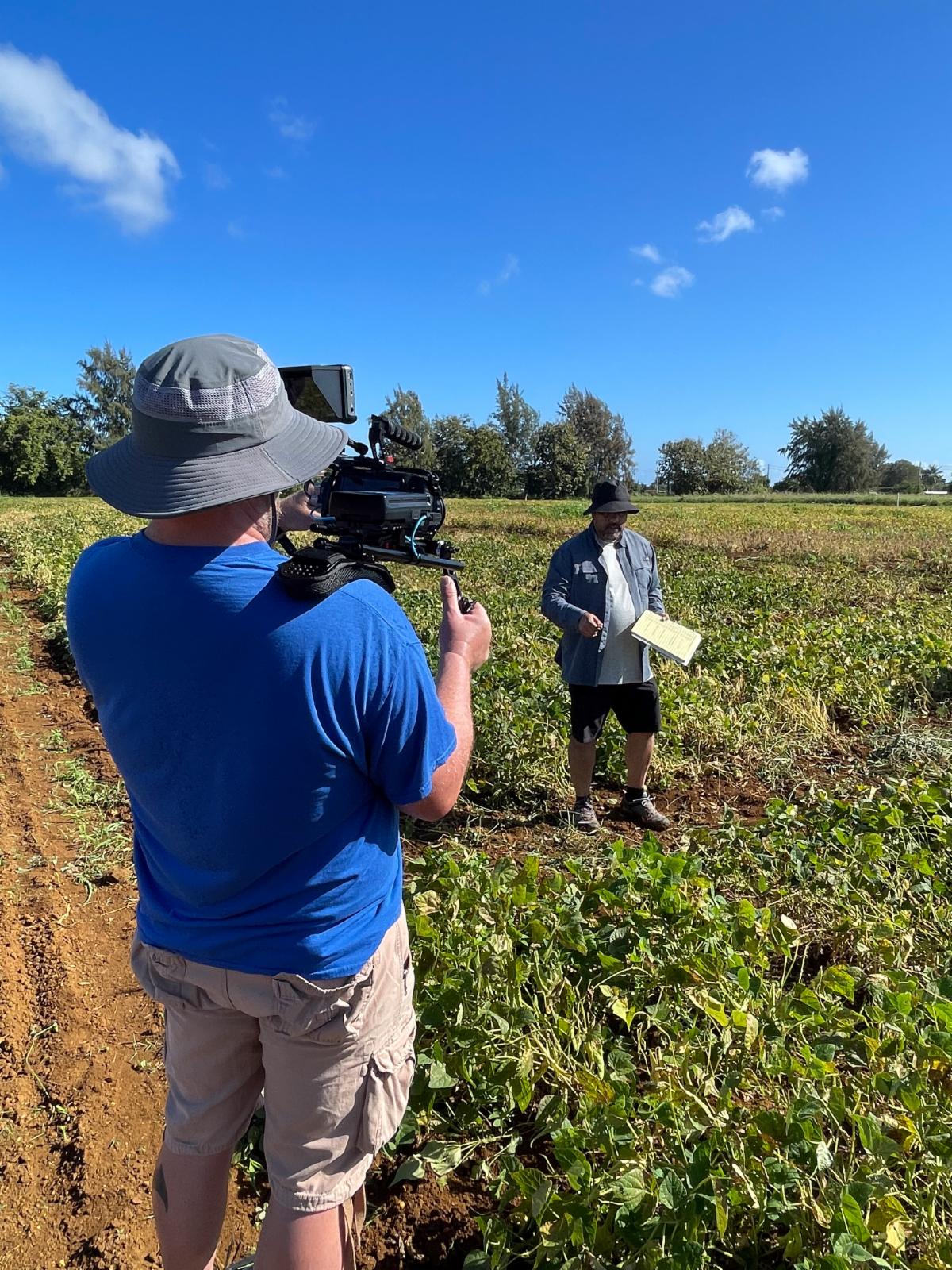
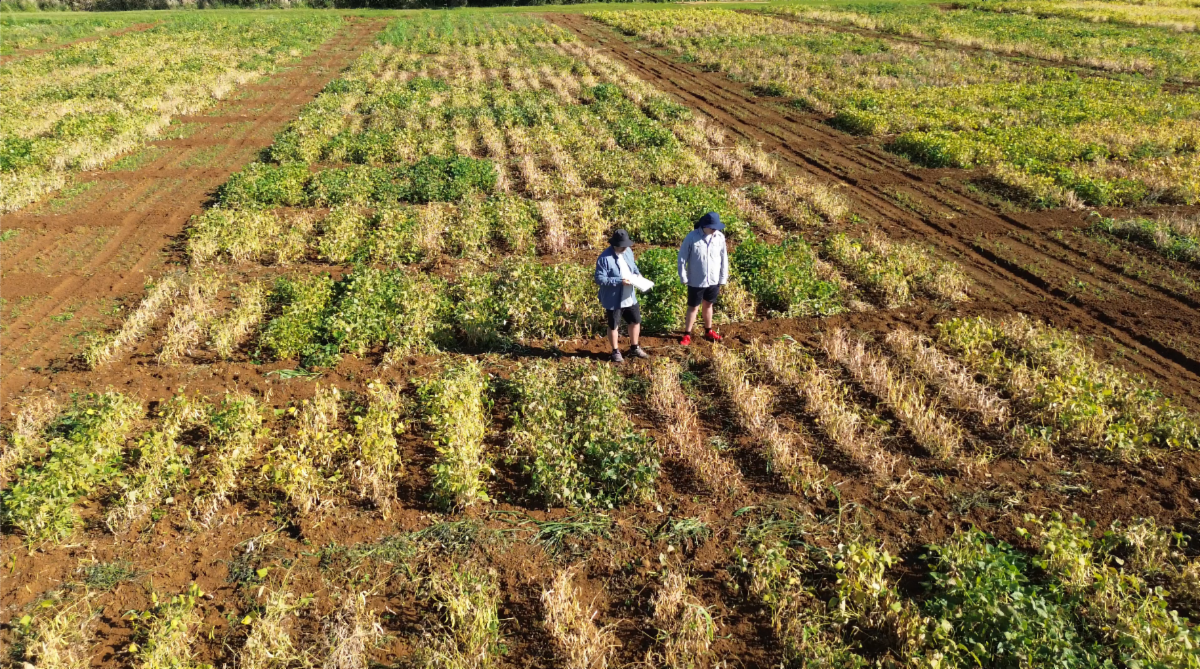
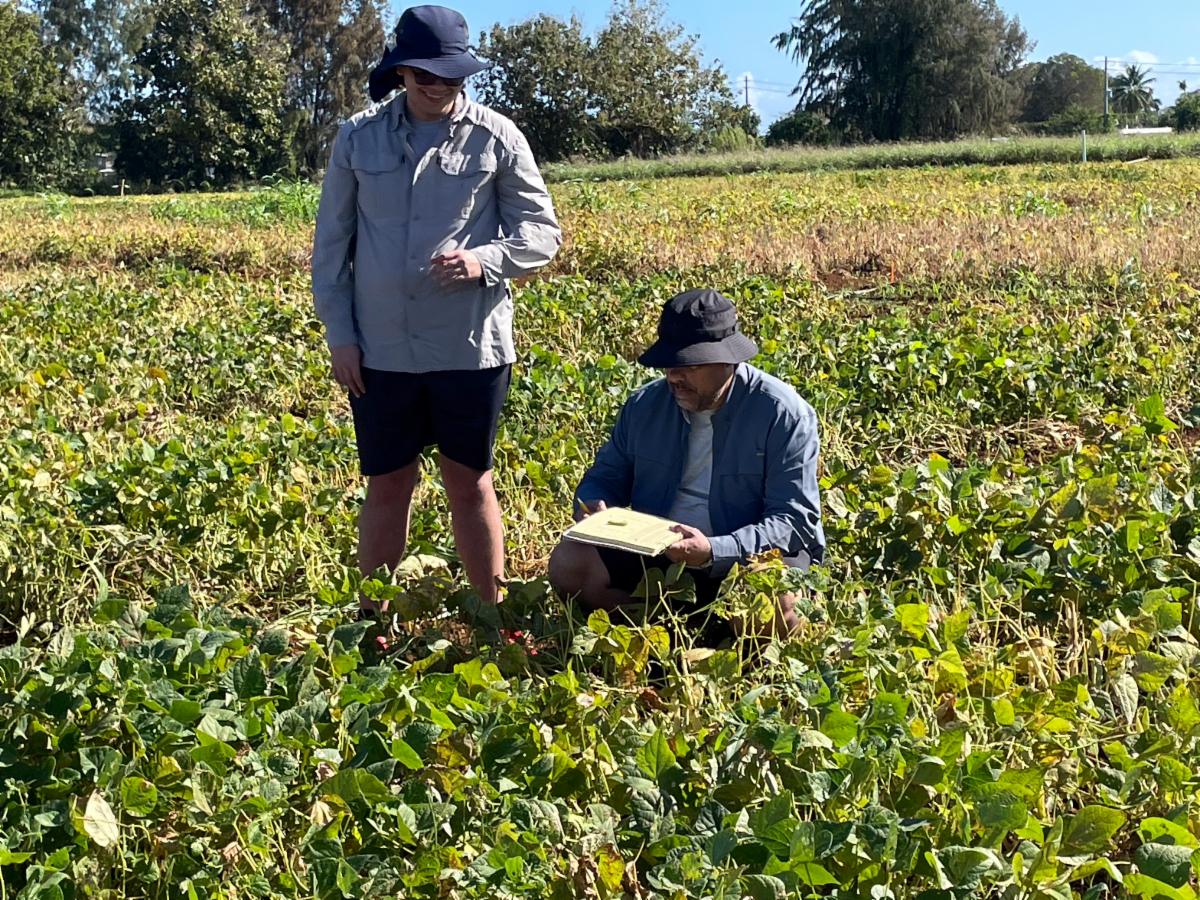
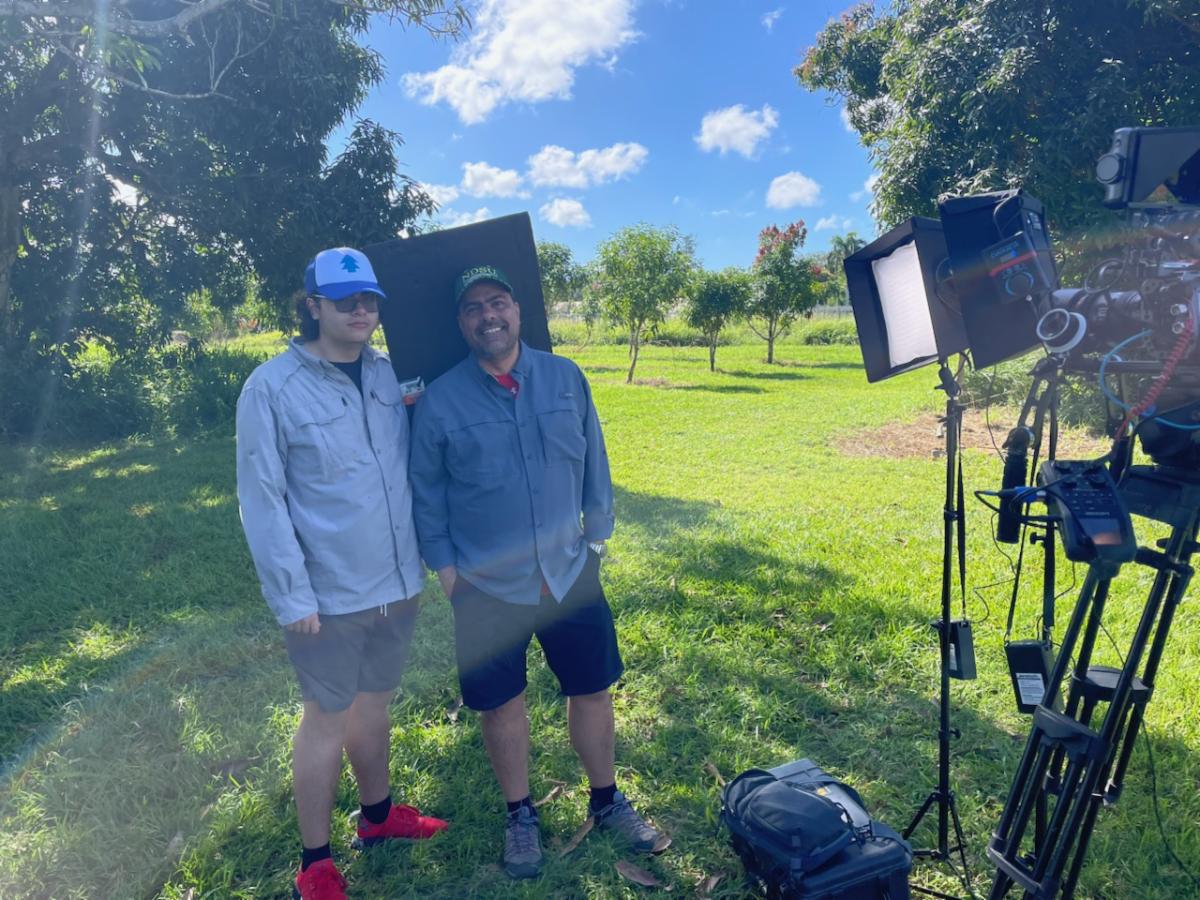
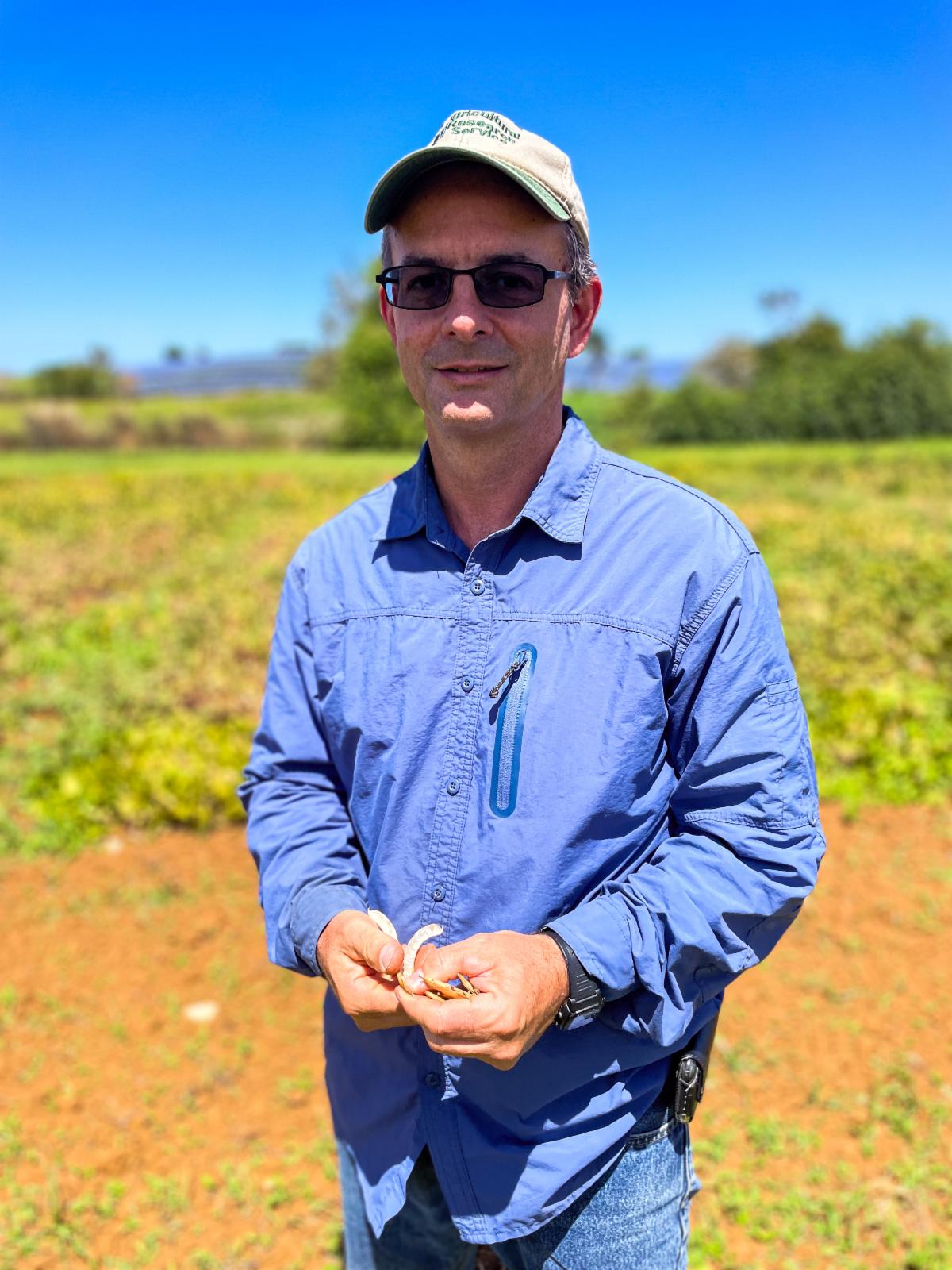
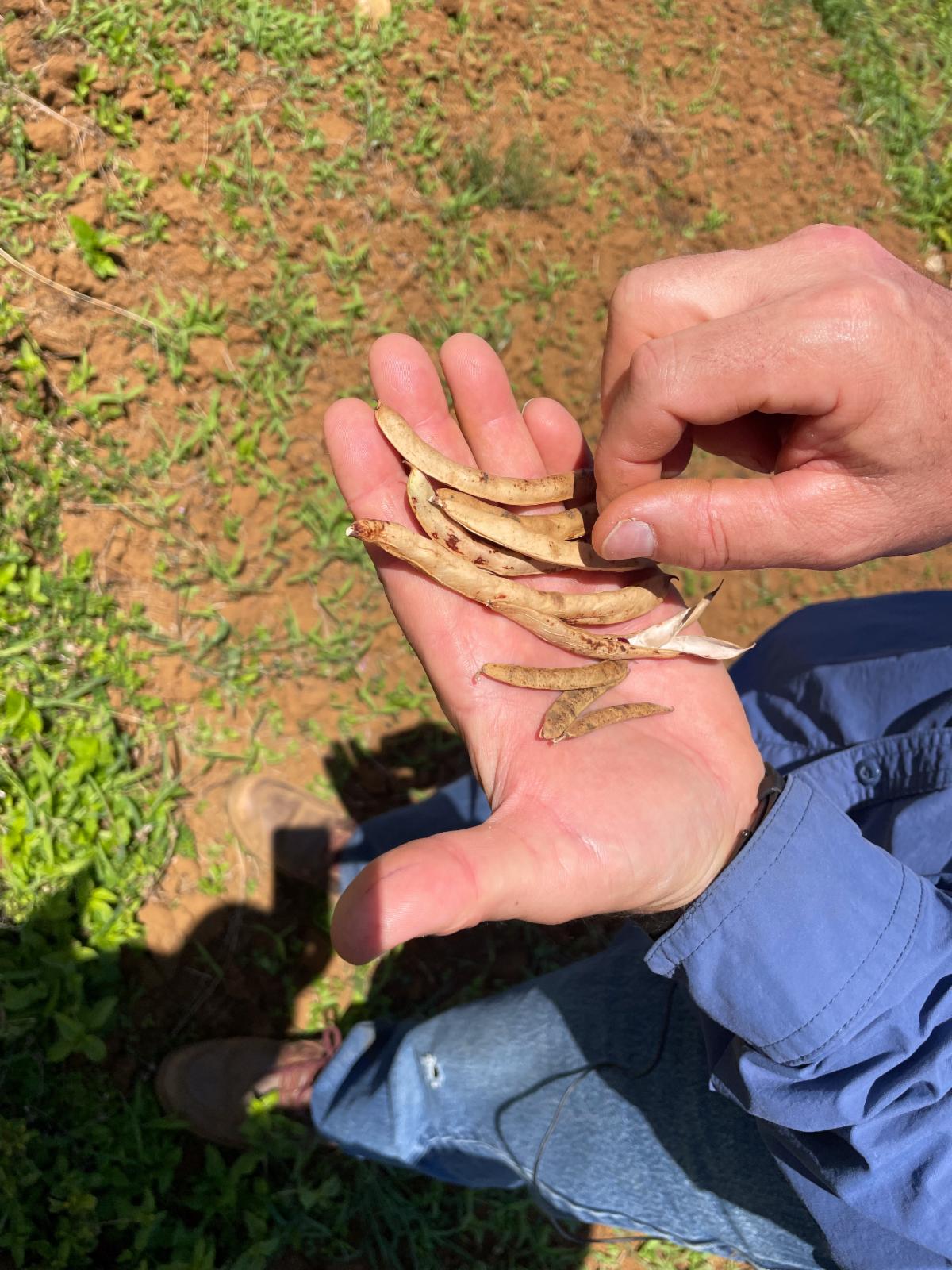
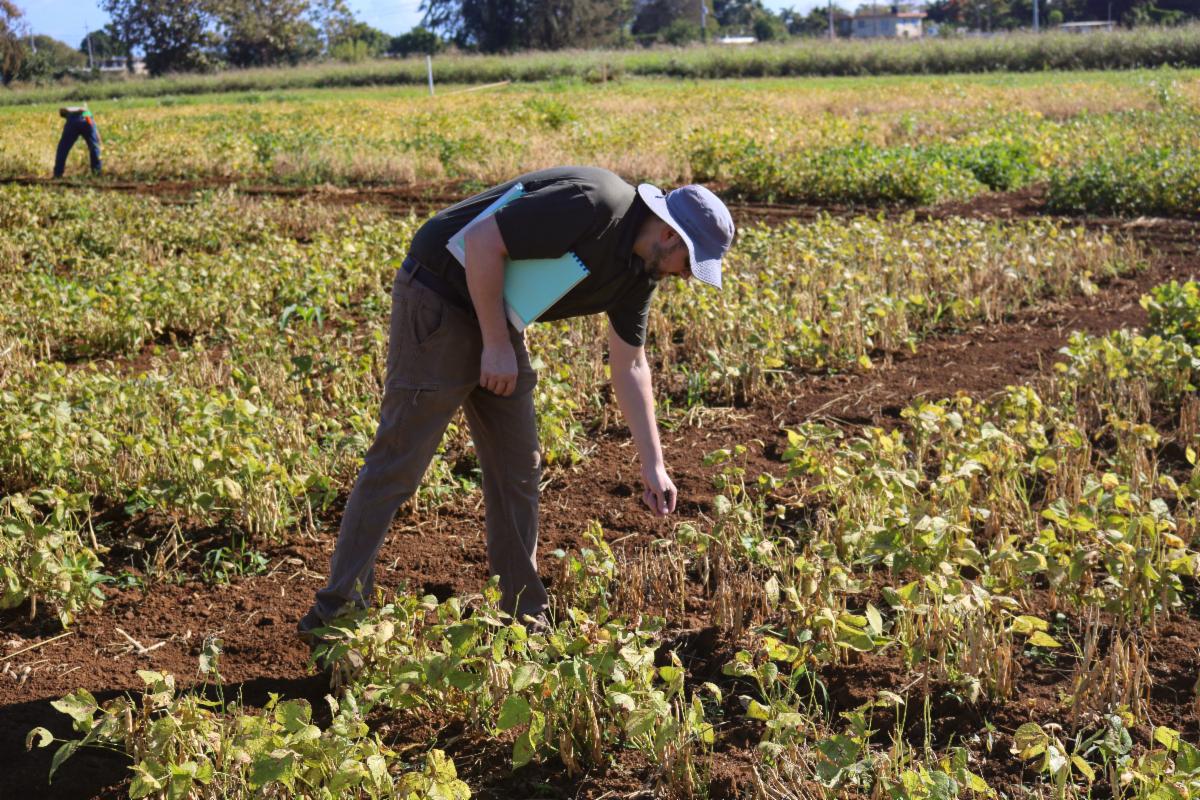
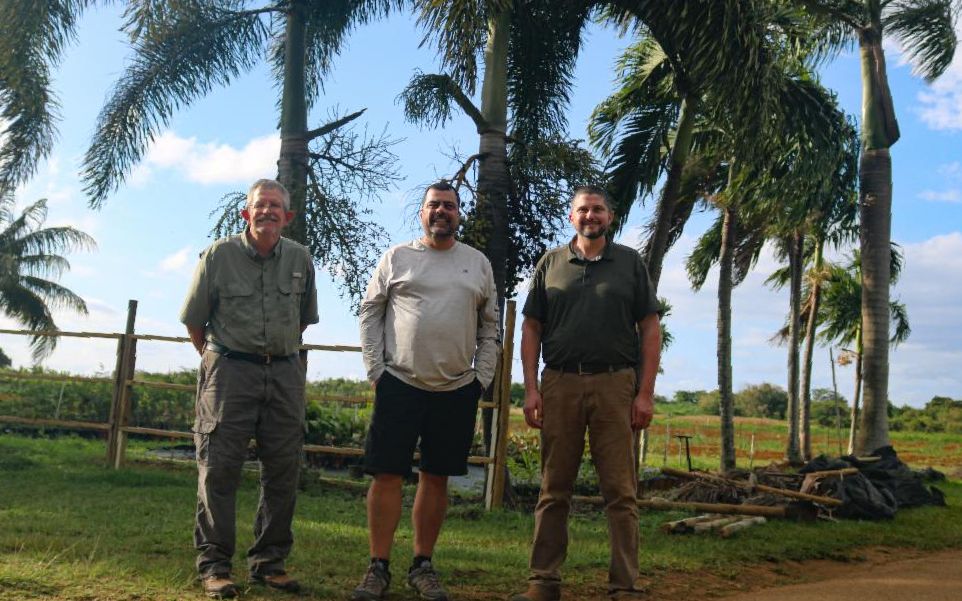
NBGA Marketing & Communication Director Jed Brazier and Jason Bedard of Dead Horse Productions joined Dr. Juan Osorno, NDSU Bean Breeder, on a trip to Puerto Rico to document the work being done at the Isabela, Puerto Rico overwinter bean breeding location.
Having a winter grow site allows the ability to greatly increase of speed of creating new dry bean varieties by essentially allowing a double growing season each year.
| | |
In addition to time spent talking with Juan (seen above with his son, also named Juan), NBGA was able to interview Tim Porch, Research Geneticist at the USDA Agricultural Research Service (ARS). Tim has spent 20 years in Puerto Rico conducting research and is a wealth of knowledge in that space. Northarvest would like to thank Tim for contributing his time and conversation. | |
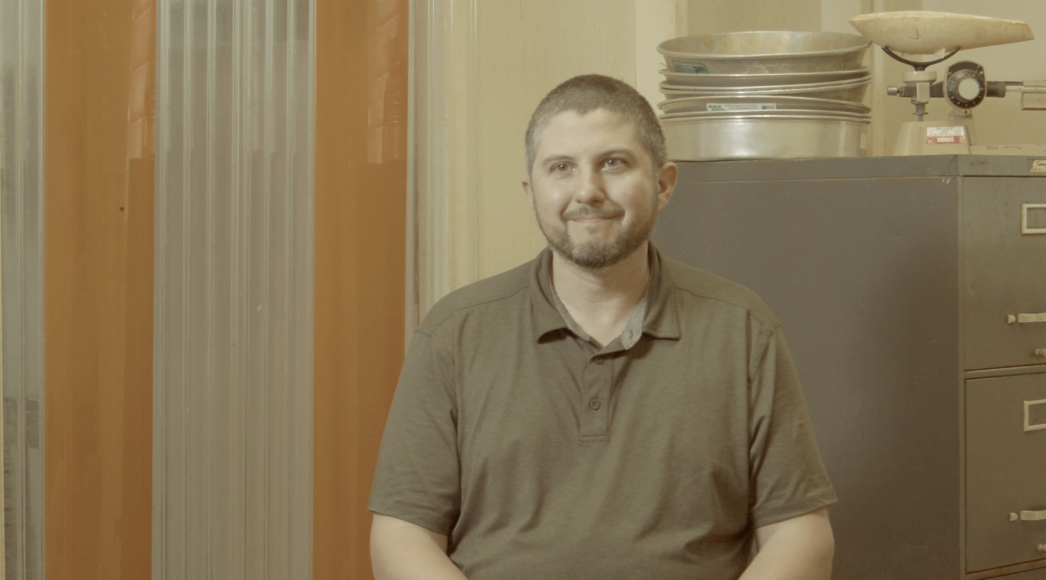
Another interview NBGA was fortunate to line up was Evan Wright, Research Technician at Michigan State University. Like NDSU, MSU's bean breeding program utilizes Isabela as an overwintering site for their varieties. | |
|
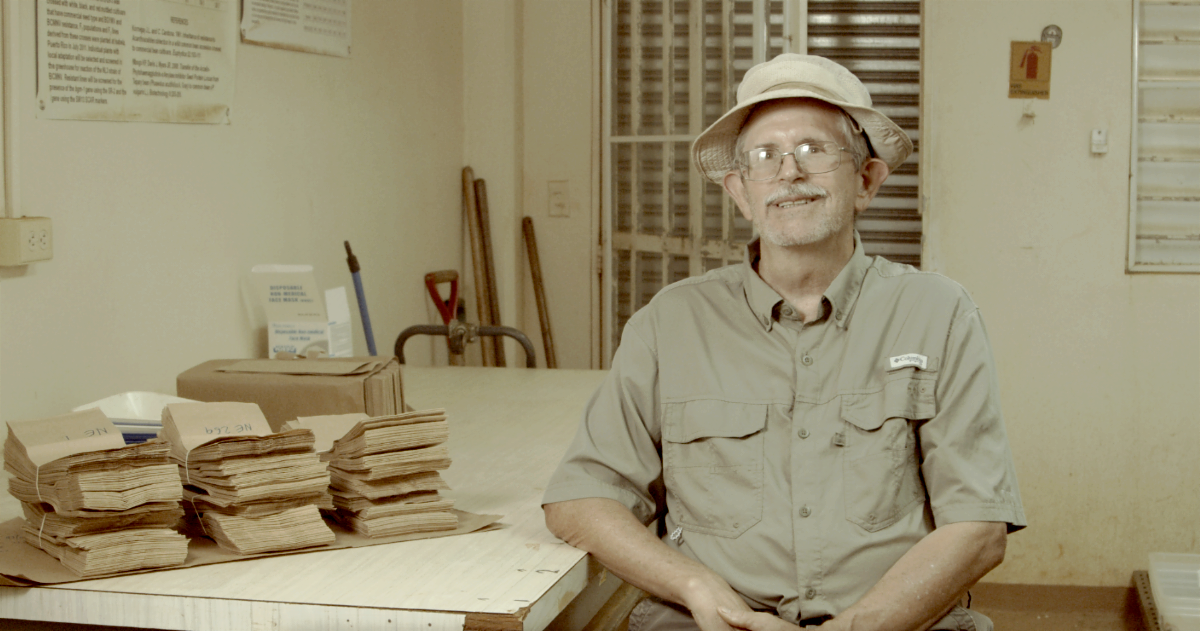
Dr. James Beaver (Jim), now retired, spent nearly 40 years in the Caribbean working with dry beans. Over the course of his career, Dr. Beaver has developed more than 45 high-yielding, early maturing, and disease-resistant cultivars and germplasms.
NBGA would like to thank Jim for being generous with his time and giving us a great interview we look forward to sharing with everyone once editing on this project is complete.
| |
|
Dr. James Beaver, Dr. Juan Osorno, and Evan Wright
NBGA would like to thank Dr. Osorno for hosting and everyone involved for their time and assistance as well as their hospitality during the 3 days of filming onsite during a very busy - and short - bean harvesting window.
| |
Representing the Bean Industry in Washington DC
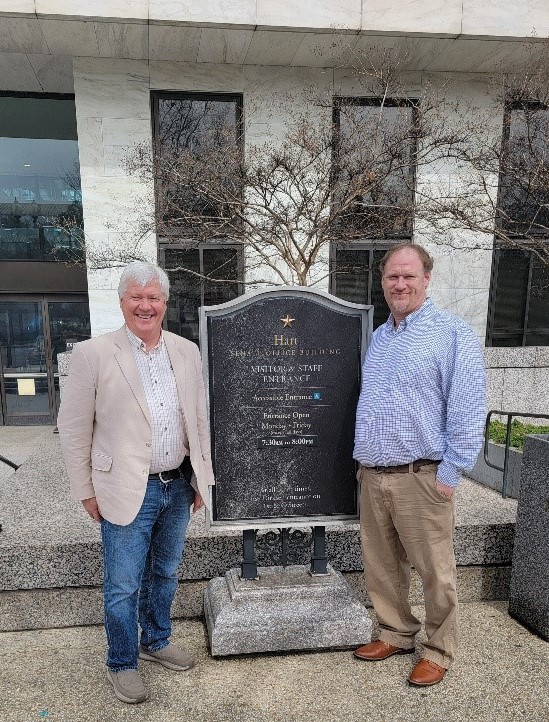
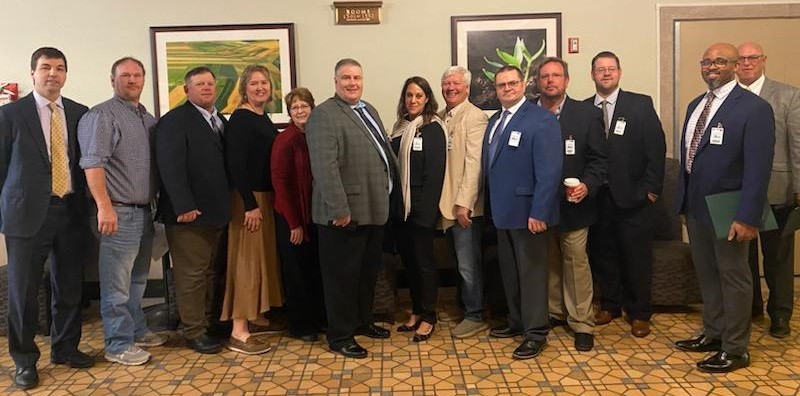
In early March, NBGA joined others from the US Dry Bean Council on the Hill to advocate for the bean industry.
Mitch Coulter, NBGA Executive Director, says, "It was great to spend the week with our bean colleague members at the U.S. Dry Bean Council advocating for trade in Washington D.C. I want to sincerely thank Kevin Regan and Joe Mauch (Northarvest Delegates) to the U.S. Dry Bean Council for their steady leadership and guidance!"
| |
|
|
Living Ag Classroom - Fargo Event
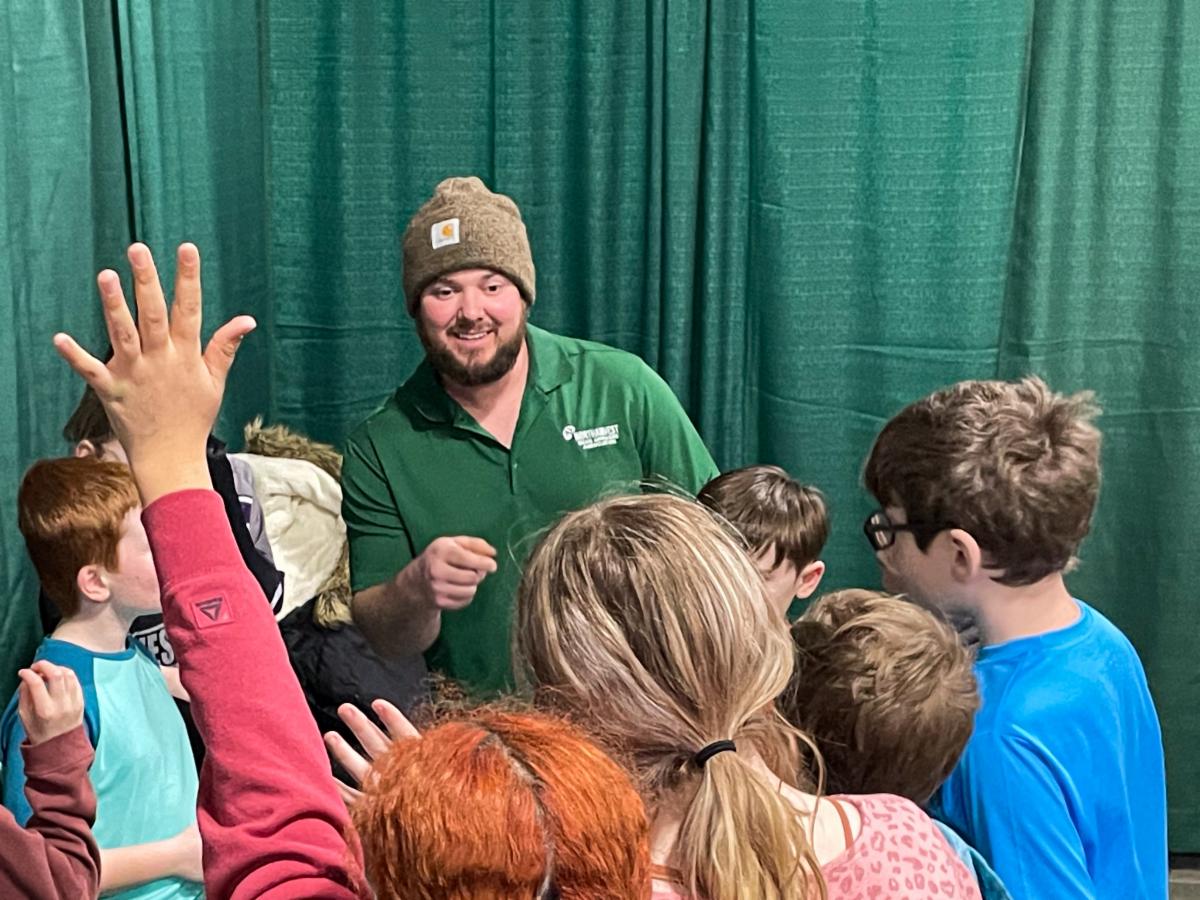
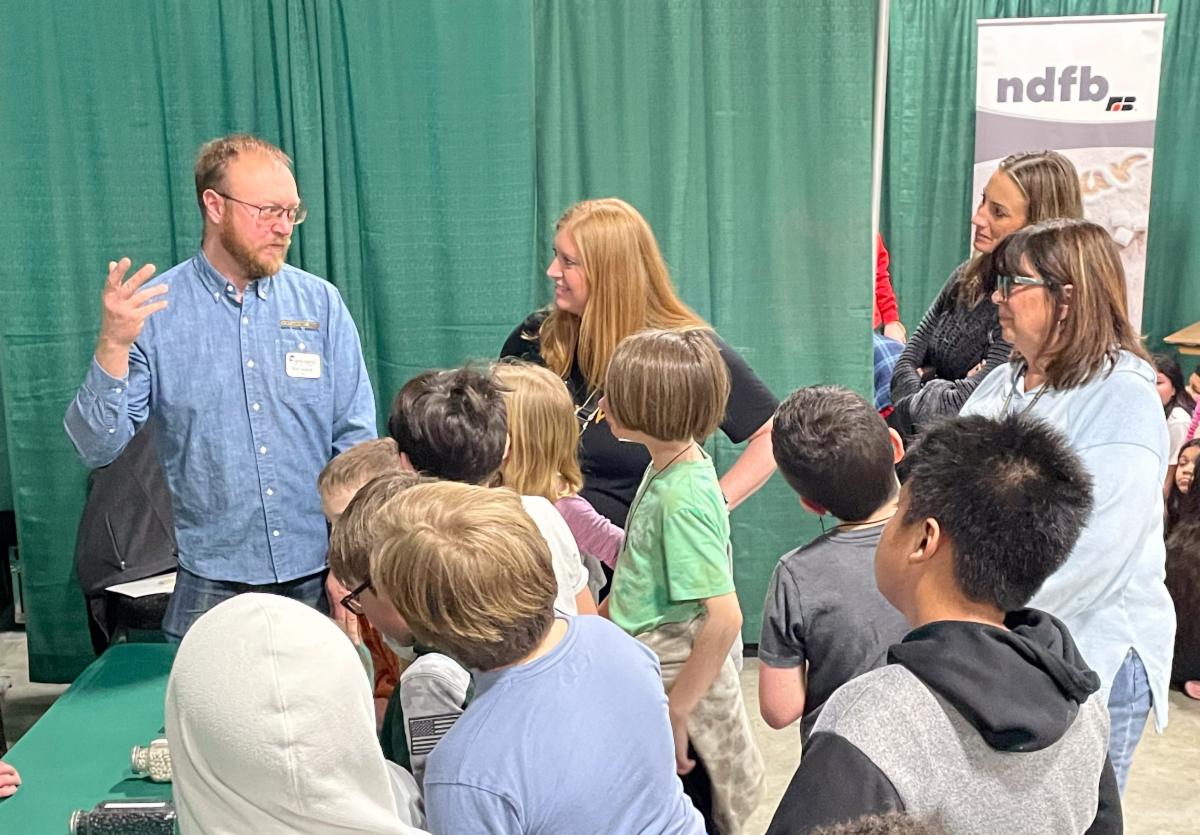
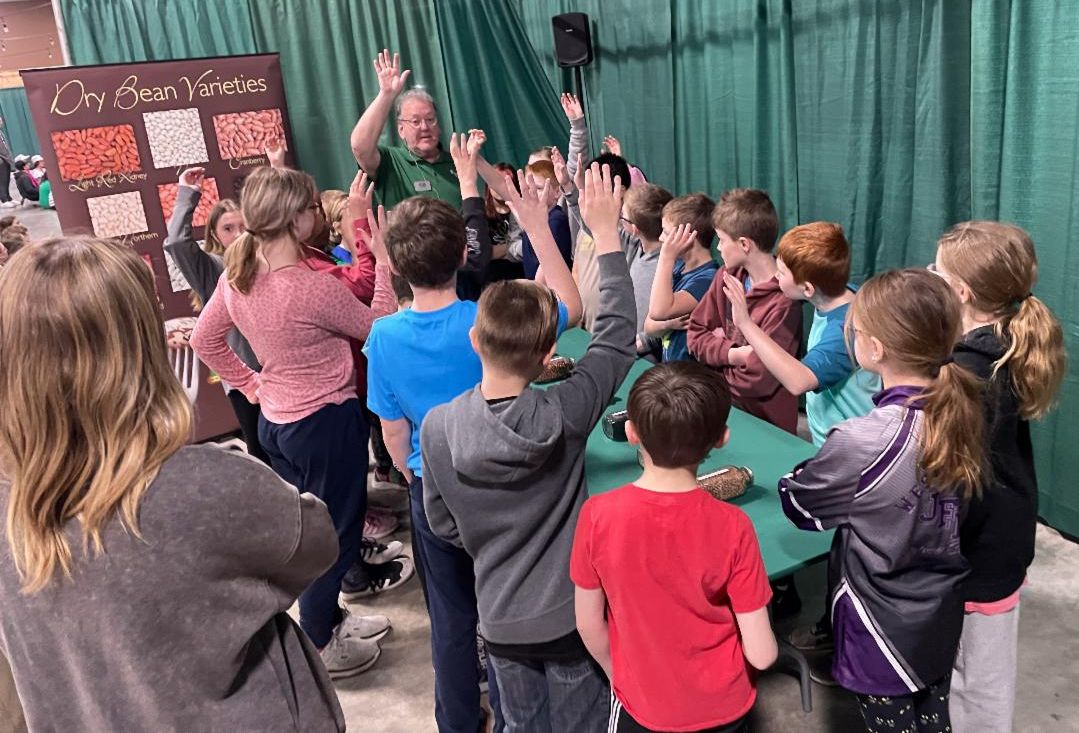
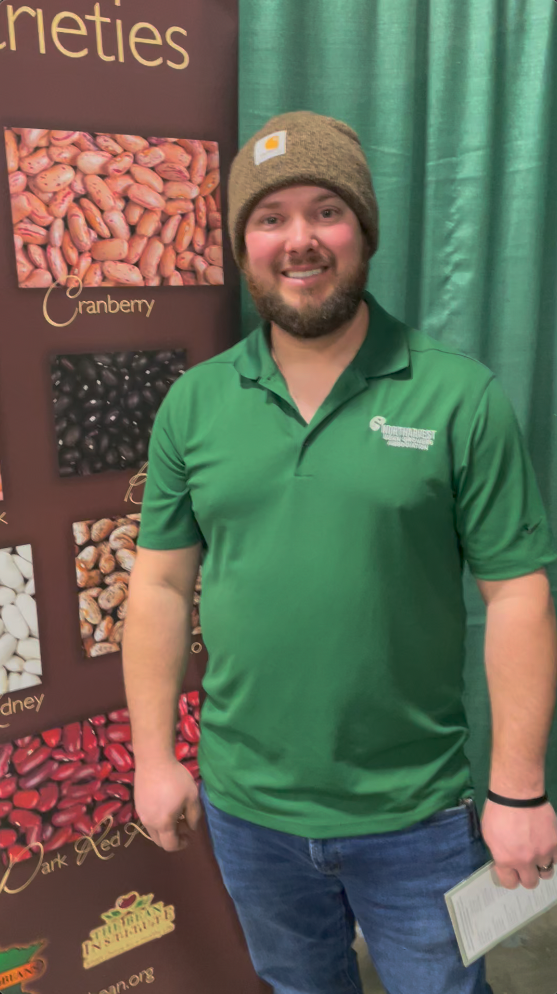
Recently, a Living Ag Classroom event was held at the Fargo County Fairgrounds. Northarvest once again hosted a booth to share dry bean information with visiting students. Despite poor weather conditions cutting the ag-focused event shorter than expected, 1,681 students were able to spend time playing a bean trivia game and asking questions of our volunteering farmer guests.
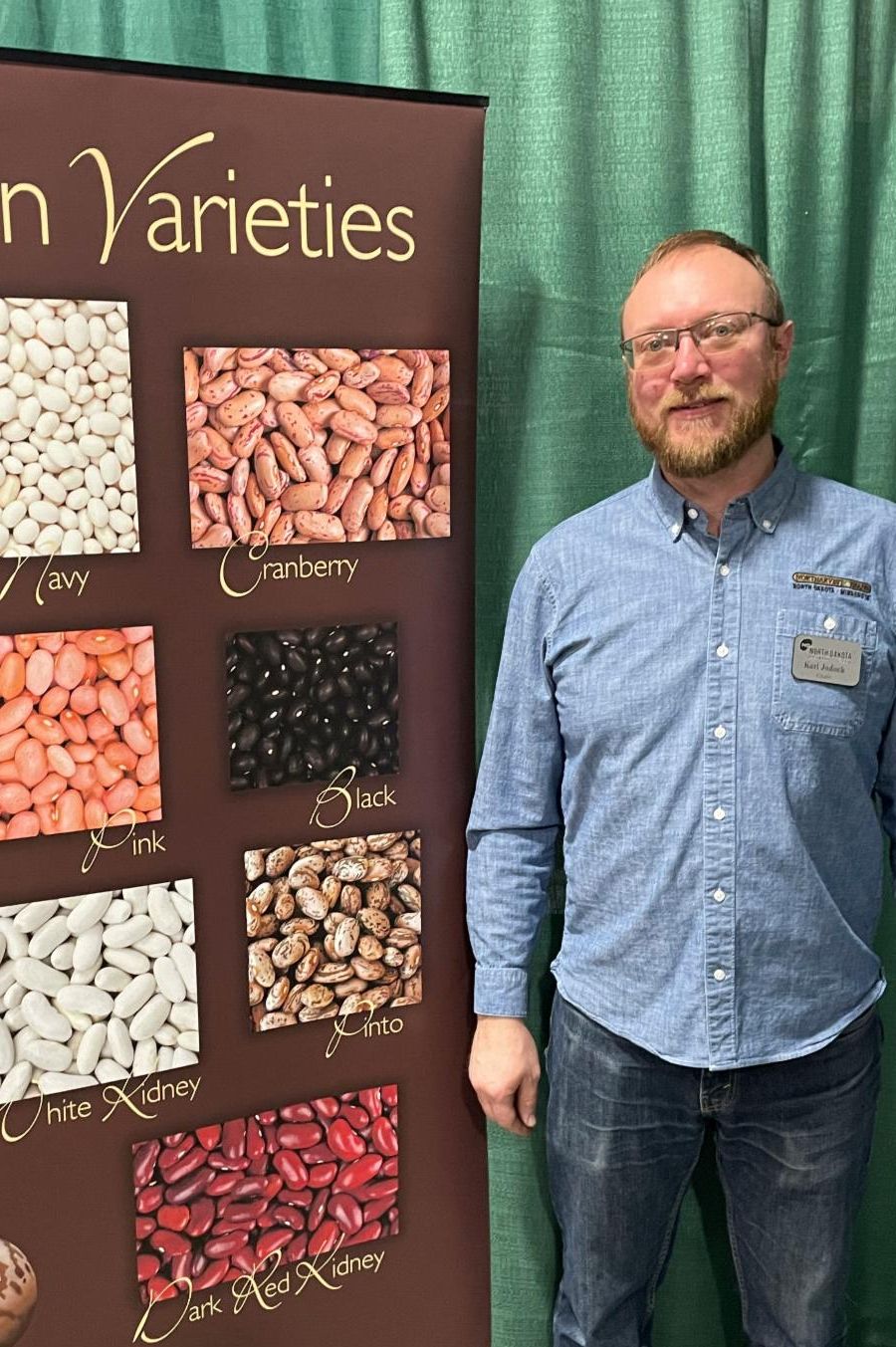
A big "thank you" goes out to Dexter Cronquist, Karl Jodock, and Jon Hansen for the assistance at another great outreach event!
| |
Dexter Cronquist - NBGA Director, District 2 - from Gilby, ND - Vice Chair, Education & Sponsorship Committee | | |
Karl Jodock - North Dakota Dry Bean Council, from Northwood, ND (Disctrict 3) - Vice Chair, Marketing & Communications and Research Committees, Secretary, Leadership Committee | | |
USDA Funding Secured for Establishment of Midwest Agricultural and Food Policy Center | |
|
On March 8, 2024, the Midwest Council on Agriculture announced that $2 million from the FY 2024 Agriculture Appropriations bill has been directed to USDA to establish a Midwest Agricultural and Food Policy Center. Former U.S. House Agriculture Committee Chairman and Congressman from Minnesota’s Seventh District Collin Peterson developed "this idea to help fill the void for food and agriculture policy information in the Midwest.” Senator John Hoeven and his staff have been strong supporters of the idea.
This center will be a way to leverage the density of agriculture groups in the Midwest and focus power in the policy arena. The Midwest Agricultural and Food Policy Center will complement the work being done by the Texas A&M Agricultural and Food Policy Center (AFPC) and by the Food and Agricultural Policy Research Institute at the University of Missouri (FAPRI).
While the center will be based at North Dakota State University, the Land-Grant Universities in Iowa, Illinois, Indiana, Kansas, Michigan, Missouri, Minnesota, Nebraska, Ohio, South Dakota and Wisconsin will be key partners in the research and policy areas where they have the most expertise.
As a member of the Midwest Council on Agriculture, NBGA is proud to see the efforts by so many working together to bear fruit and is excited to see the beginnings of a Midwest Agricultural and Food Policy Center formation. We'll share more information as further developments occur.
| |
The recap video for BeanCon24 was just published. You can watch it on the US Dry Bean Council's YouTube Channel by clicking here, or below. Several BeanCon24 speakers share about their experiences and what they loved about BeanCon24, and USDBC Executive Director Rebecca Bratter speaks to the importance of this global event. | | |
|
More Bean Podcast Episodes
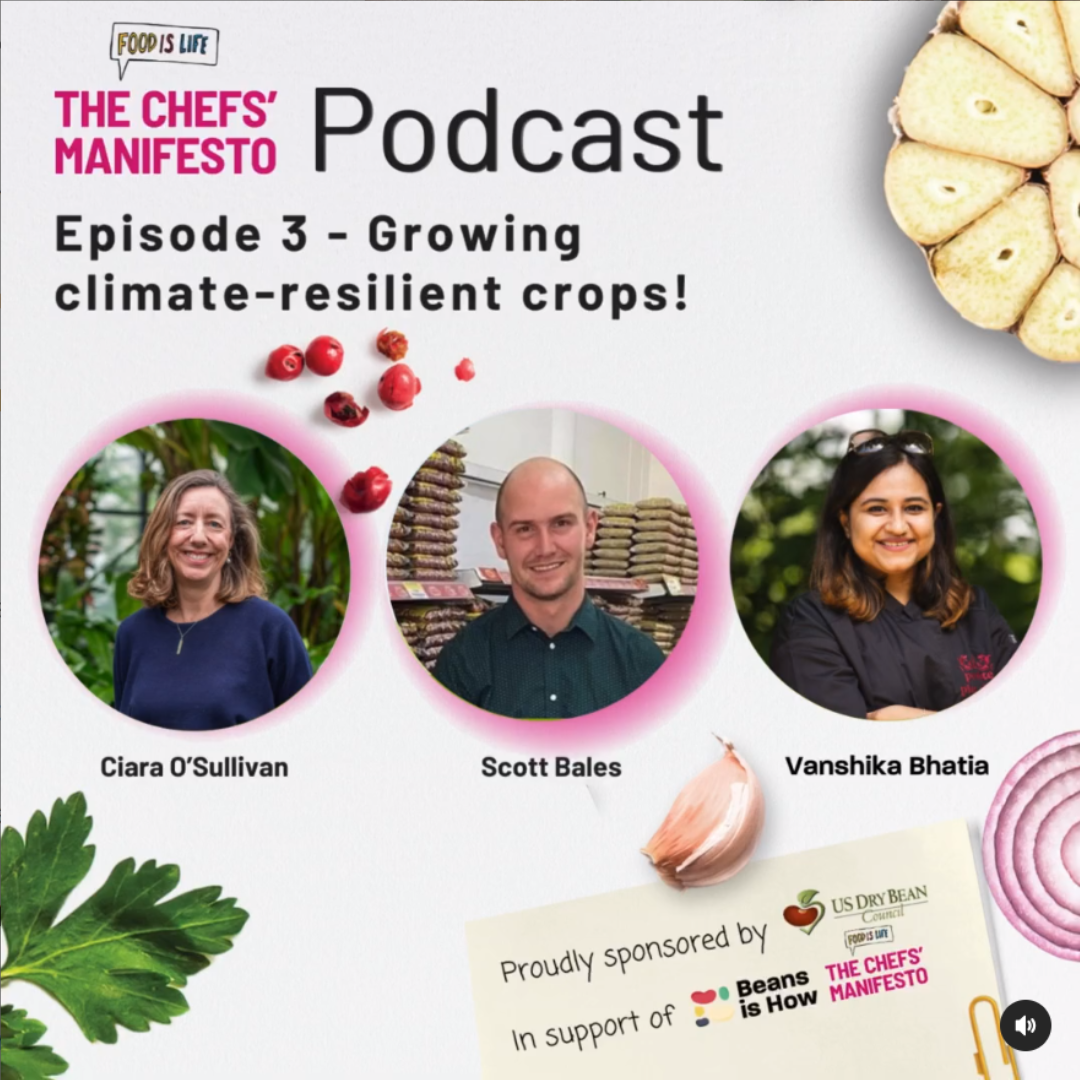
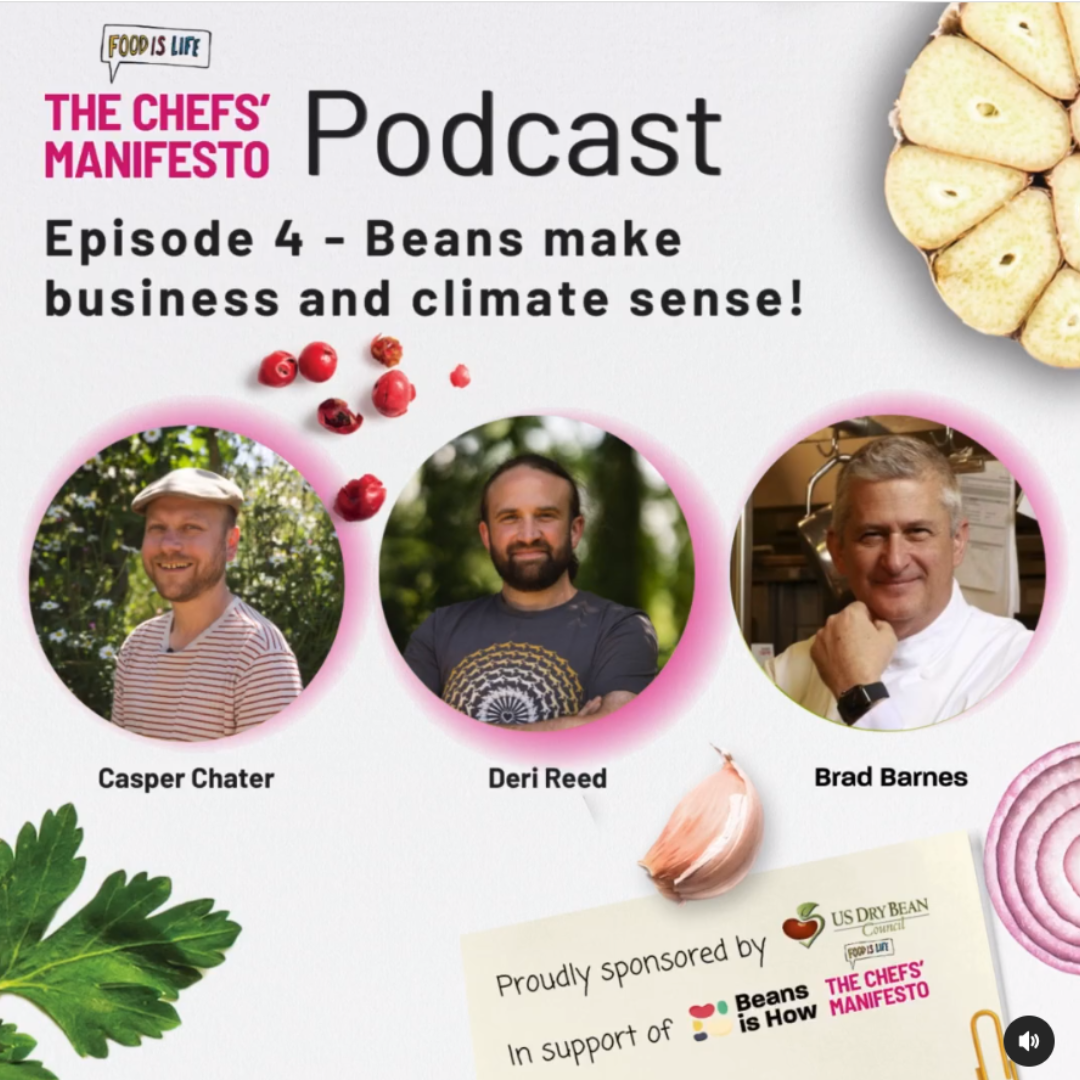
In last month's newsletter, we shared that the US Dry Bean Council partnered with the Chefs' Manifesto and Beans Is How to launch a podcast series about all things beans. More episodes have been released over the last month and are available on Apple Podcasts and Soundcloud. Below, we have linked to a couple of these new episodes. Click on the images below to listen. You can also find all the episodes on Soundcloud here.
| |
|
The Dry Bean Scene is sponsored, in part, by NBGA. Click on the links below to listen to the most recent episodes.
-
➡️ March 11, 2024: John Bartsch, Kelley Bean Company North Dakota and Minnesota Regional Sales Manager, discusses how strong demand for beans and low prices for competing crops could result in an increase in dry bean acres in 2024.
-
➡️ March 3, 2024: University of Minnesota Extension Irrigation and Water Quality Specialist Vasudha Sharma will host the Minnesota Irrigator Program in March 2024. She is excited to share resources and information with growers. In this episode, she talks about what growers will gain from the program.
-
➡️ February 23, 2024: Dean Nelson with Kelley Bean Company says demand from Mexico has helped keep demand strong and prices relatively stable for dry beans. Nelson said dry bean acres are expected to be up this spring.
-
➡️ February 23, 2024: Although not an episode of the Dry Bean Scene, this audio clip from Farming for the Future may be of interest to growers. University of Minnesota Extension Educator Jodi DeJong Hughes says freeze/thaw events may mean soils require less tillage this spring. Listen for more details.
-
➡️ February 18, 2024: U.S. Dry Bean Council Executive Director Rebecca Bratter says that BeanCon24 was a great success, and US dry bean exports are strong. Mexico is the largest importer of US dry beans. Per capita consumption of beans in Mexico is decreasing, so it is key to bring new information about why beans are so important.
-
➡️ February 12, 2024: NDSU Extension Cropping Systems Specialist Greg Endres says there have been updates to plant population recommendations. This new guidance could increase yields over the old recommendation.
| |
Do you know someone who would enjoy Northarvest News? Forward to a fellow bean grower, family, and friends so they can sign up and be in the NBGA know, too! | | |
Thank you for reading. We'll see you next month - and the 2nd Tuesday of every month - with more news and updates. NBGA wishes you a good rest of March, and we look forward to sharing more information in April. | | |
|
4844 Rocking Horse Circle S, Suite 2
Fargo, ND 58103 • info@northarvestbean.org
www.northarvestbean.org
| | | | | |