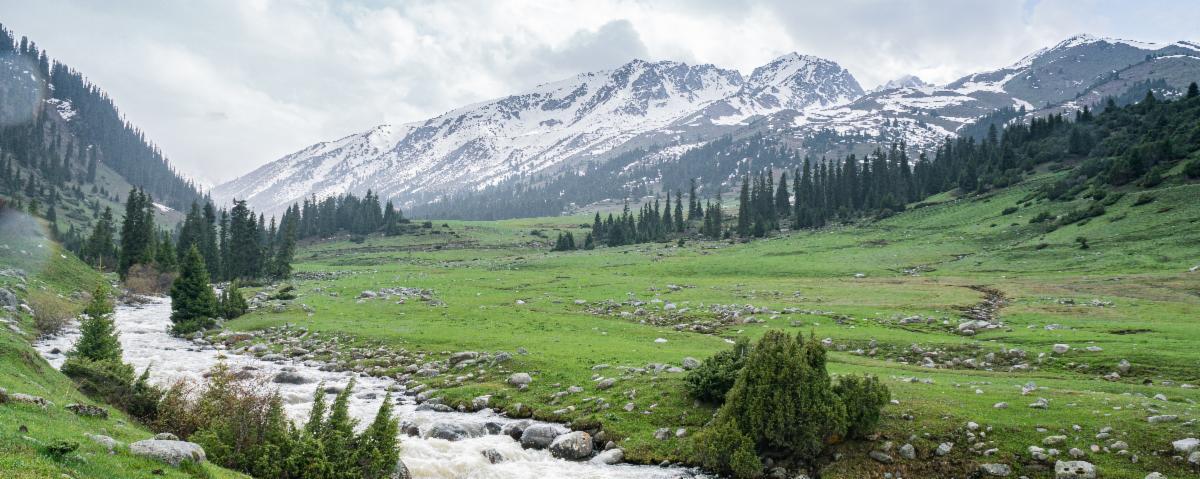
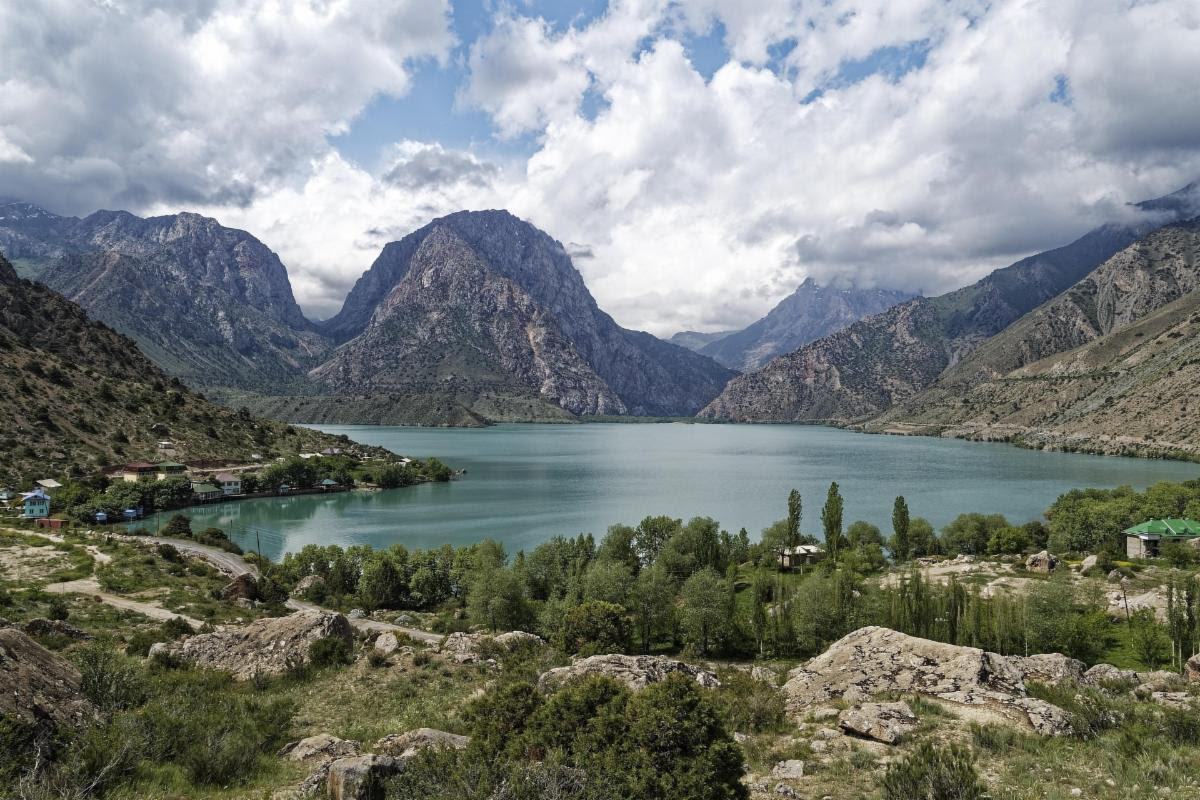
A monthly newsletter for scholars, policy-makers, and civil society members | | Tien Shan Mountains, Jagarlan, Kyrgyzstan. AdobeStock. | | In this edition, we announce the latest addition to our website that addresses the environmental and health impacts of methane emissions by oil and gas facilities in Kazakhstan, as a part of our campaign to mitigate the negative effects of pollution on local communities in the region. We also share a new blog entry by Dr. Gubad Ibadoghlu on the EU's neglect of human rights abuses in Azerbaijan in exchange for energy deals. Additionally, we publish a statement in response to being declared "undesirable" by the Russian Federation. | | Join us in uncovering narratives, promoting transparency, and advocating for environmental and human rights of people and communities, especially those who are marginalized by extractive, corporate, and authoritarian actions. | | This year, the call for climate justice has never been greater. If our mission resonates with you, please consider supporting us to ensure that our vital work can continue in these fraught and fragile times. | | Tracking Methane Pollution | |
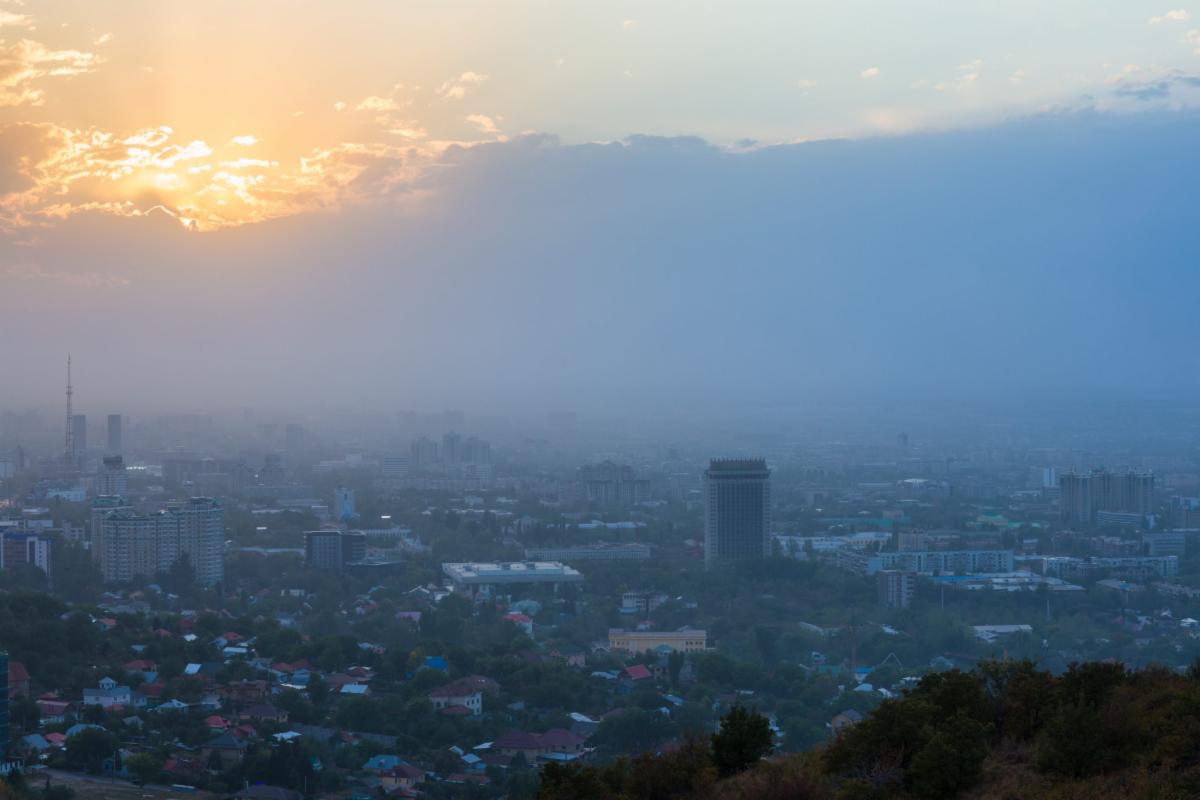
| Smog over Almaty, Kazakhstan. Adobe Stock. | |
Crude Accountability is proud to launch the webpage for our campaign to make environmental and health-related data on methane emissions available and accessible.
Drawing on over two decades of environmental and human rights work supporting communities affected by oil and gas development in Kazakhstan, Crude Accountability, together with local partners and community leaders, aims to deliver increased transparency in methane data reporting.
Working with partners inside and outside the country, Crude Accountability relies on satellite data, policy analysis, and ground-truthing to paint a realistic picture of the fossil fuel industry’s impact in the country.
Our goal is to ensure a productive dialogue with Kazakhstan’s authorities, international organizations, and corporations that would lead to mitigating the negative effects of chemical pollution on communities around the extraction facilities.
More reports and resources will continue to follow this year, so stay tuned for updates.
| |
Europe’s Energy Interests and the Authoritarian
Trade-Off
| |
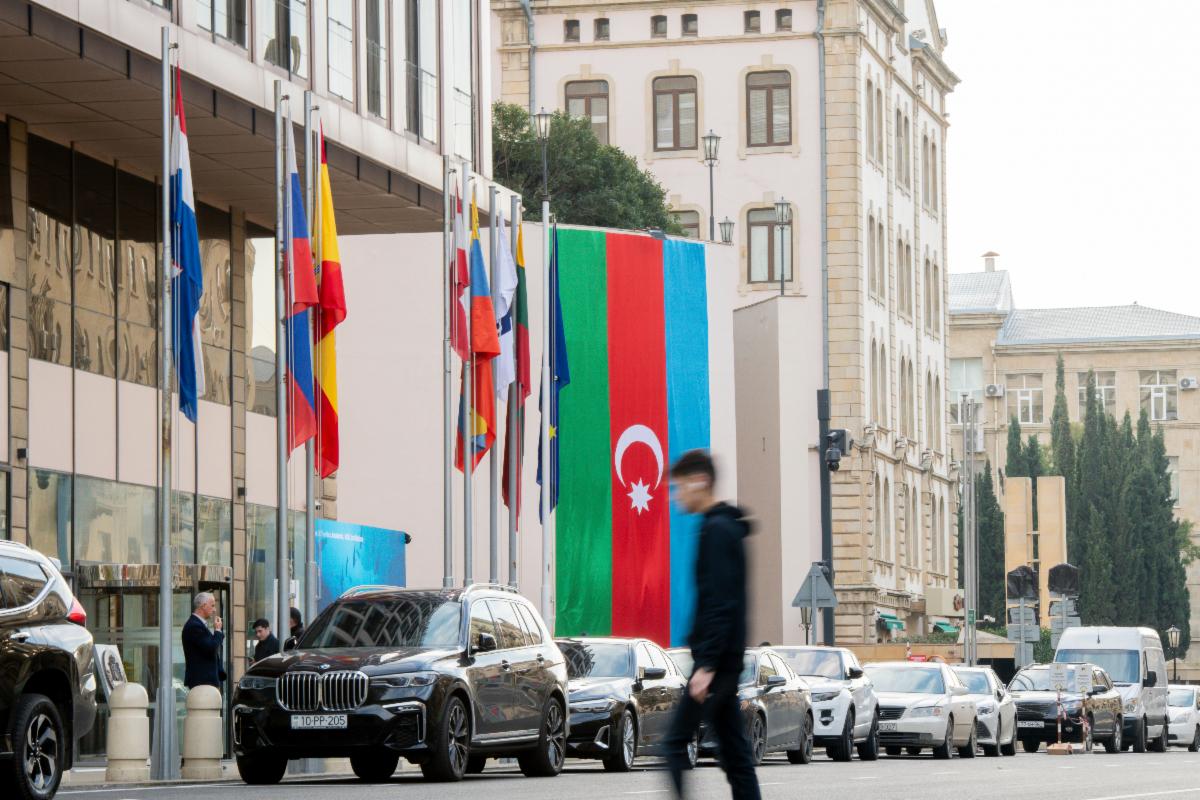
| Azerbaijani and EU flags in front of a business centre, © European Union, 2024, licensed under CC BY 4.0. | |
In a new blog entry, “Europe’s Energy Interests and the Authoritarian Trade-Off,” Dr. Gubad Ibadoghlu explores the EU’s pursuit of energy security with Azerbaijan in the wake of Russia’s full-scale invasion of Ukraine in 2022, despite the petrostate’s high corruption rates and escalating human rights abuses.
By replacing Russian gas with Azerbaijani gas, the EU has traded one authoritarian country for another.
This relationship with Azerbaijan signals to other countries that EU values are secondary to strategic interests.
Dr. Ibadoghlu, who has been under house arrest since April 2024, following nine harrowing months in pre-trial detention, has been detained by the Azerbaijani government on trumped-up charges, and denied access to a fair trial, critically needed medical care, and contact with his family.
Crude Accountability continues to call for the immediate and unconditional release of Dr. Ibadoghlu.
| | Crude Accountability Declared "Undesirable" | |
| |
On January 19, 2026, the Ministry of Justice of the Russian Federation declared Crude Accountability, Incorporated, an undesirable organization. Crude Accountability learned of this designation from an article published in gazeta.ru, which ran February 5, 2026.
Although no reason was stated for this decision, we believe this action was taken to impede the work Crude Accountability carries out to protect the environmental and human rights of people and communities who are marginalized by extractive, corporate, and authoritarian actions.
Crude Accountability will continue its work, committed to the principles of transparency, cooperation, and scientific inquiry.
| | |
The Central Asia Program at The George Washington University hosted a virtual seminar, "Climate Change Adaptation and Resilient Livelihoods."
Our colleague Vadim Ni of Socio-Ecological Fund spoke about the shrinking water levels of the Caspian Sea and Aral Sea, and solutions for conservation and climate adaptation.
Ni also noted the success of the Caspian Sea Campaign, which our Executive Director Kate Watters is a co-founder, in promoting awareness of the Caspian's fragile ecosystem.
| | |
European countries are failing to protect dissidents fleeing from authoritarian regimes in Central Asia. (The Diplomat)
Our colleague Leila Nazgul Seiitbek of Freedom for Eurasia addresses how European immigration authorities rely on terrorism allegations issued by Central Asian regimes to deny asylum or carry out deportations for dissidents.
This article is based on a larger report, Persecuted at Home – Unwelcomed in the EU, that includes first-hand testimonies on the European asylum and deportation systems.
| | If you like this newsletter, then please consider supporting us with a monthly or one-time donation. You may also write a check to Crude Accountability, P.O. Box 423, Linden, VA, 22642. | | Images in this newsletter are licensed for editorial use via Adobe Stock or belong to Crude Accountability. | | | | |