Weekly Digest Number 5 - February 1st, 2022 |
|
Welcome to the RWU Rail & Labor News! This news bulletin is produced and emailed out every Tuesday morning. We hope you find each week's news and information useful. If so, please share with co-workers, friends, and colleagues. If you like, you can sign them up to get all the news from RWU HERE. Or forward them the link. Note: If you read over this news bulletin each week, you will be sure to never miss the important news of what is going on in the railroad world from a worker's perspective!
|
|
(Editor's Note: As to be expected, on January 25th the courts found in favor of the rail carrier - BNSF - and ruled the dispute over the new attendance policy a "minor" one, and enjoined the unions from striking. Meantime, more and more news is coming out regarding the draconian nature of the new BNSF policy and the fact that many aspects of it are potentially illegal and an infringement on FMLA and union rights among other things. See lead three articles below.) |
|
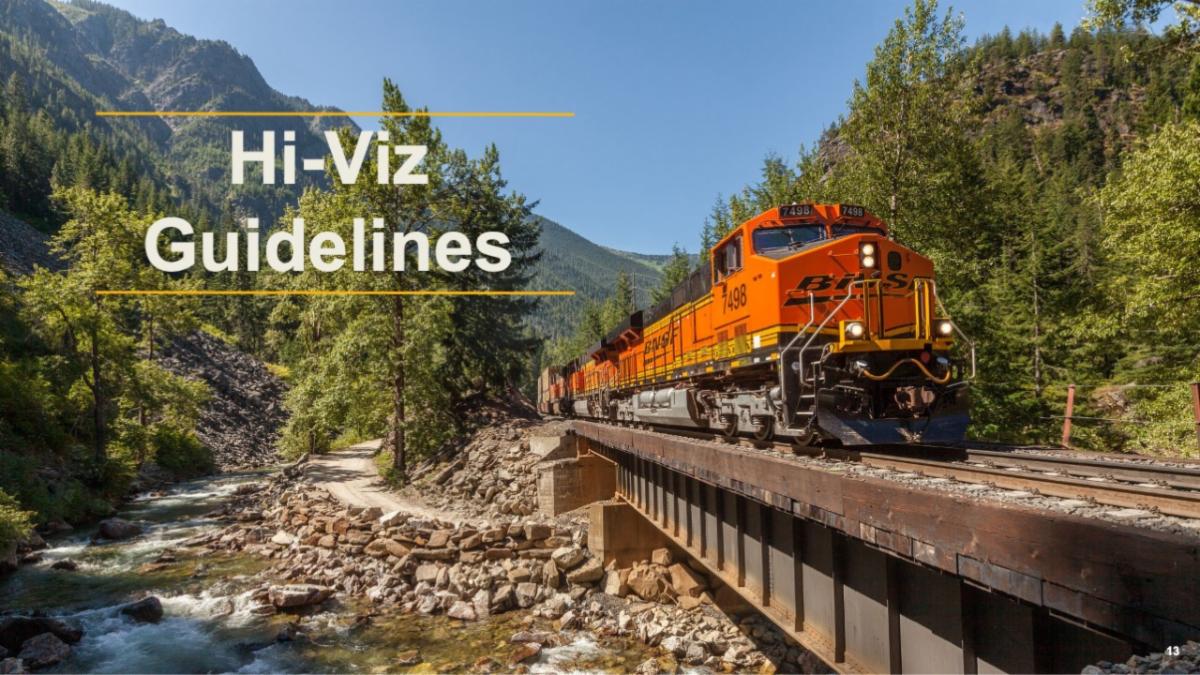
BNSF “Hi-Viz” Attendance Policy Rankling Rank-and-File |
|
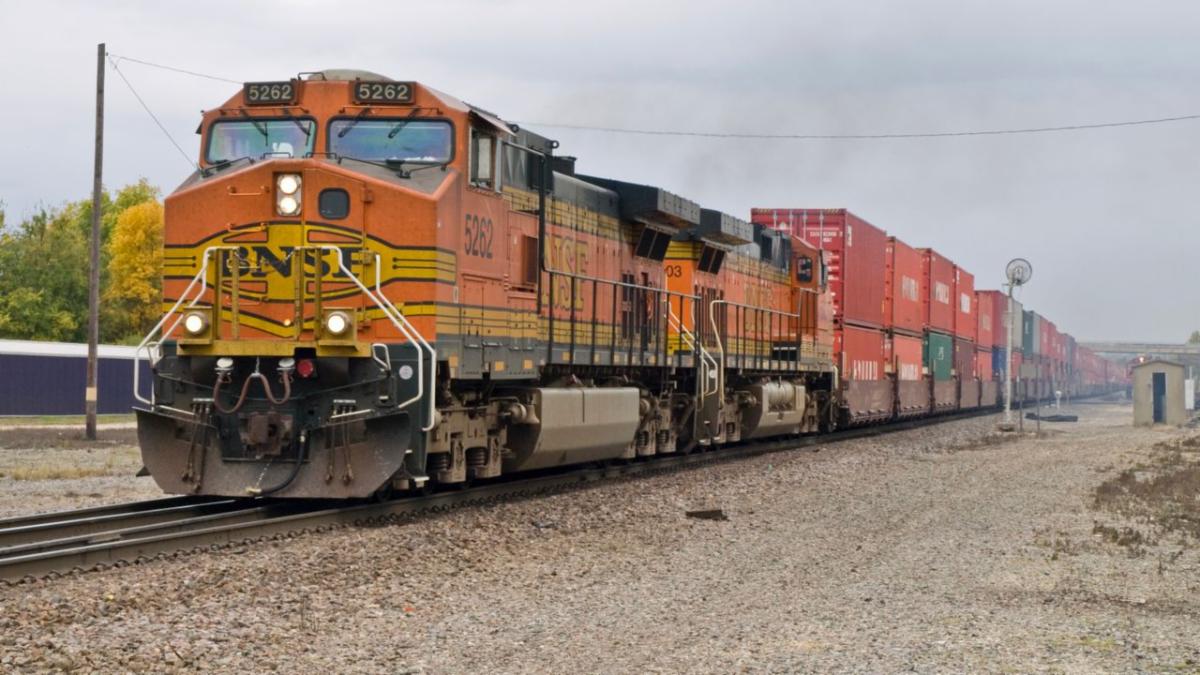
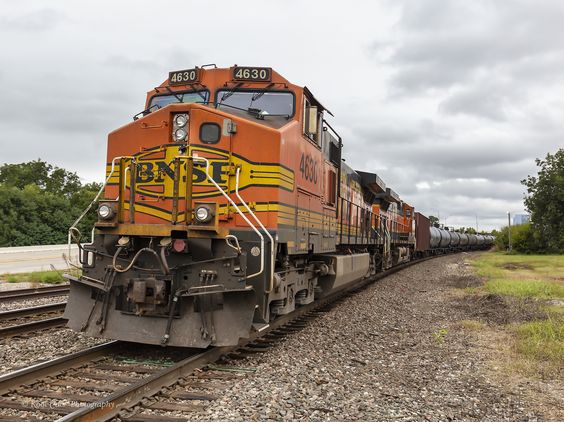
After 20 years of no changes to it attendance guidelines, BNSF, citing “today’s competitive freight environment,” plans on Feb. 1 to institute a new system called “Hi-Viz” it says is “designed to provide employees with real-time information and greater flexibility, so they can make informed decisions about their work schedules.” The two largest unions representing some 17,000 BNSF TYE (train and engine service) and Yardmaster employees, the Transportation Division of the International Association of Sheet Metal, Air, Rail, and Transportation union (SMART-TD) and the Brotherhood of Locomotive Engineers and Trainmen (BLET), are - not unexpectedly - reacting negatively, calling the policy “the worst and most egregious attendance policy ever adopted by any rail carrier” and threatening a strike action, which the railroad has filed suit to block.
“This policy update is consistent with practices across the transportation industry, while helping us safely and efficiently serve our customers and the communities that count on us,” BNSF said in a statement to Railway Age, describing Hi-Viz as a “time management dashboard that replaces our complicated legacy ATG (Attendance Guideline) system,” which is based on a three-month rolling period. Still undergoing “fine-tuning,” as BNSF expaned, Hi-Viz is a points-based system that “provides more certainty and better quality of life.”
On Jan. 25, U.S. district court judge Mark Pittman granted BNSF a Temporary Restraining Order blocking a SMART-TD/BLET strike. Following is the Order ...
|
|
(Editor's Note: Rarely does a federal judge allow a strike on a major carrier. We are often hamstrung by the Railway Labor Act adopted in the 1920s. However, rail unions and rail labor have struck numerous time since passage of the Act, and we can do so once again if we take a notion to. Register for the RWU workshop on the RLA to learn how. See article, two articles below.) |
|
Federal Judge Blocks Strike by 17,000 BNSF Railway Workers |
|
On Tuesday, a Fort Worth, Texas, federal judge issued a temporary restraining order on behalf of BNSF Railway, one of the largest freight companies in the United States, stopping nearly 17,000 railway employees from going on strike against the company’s new draconian attendance policy called “Hi-Viz.”
The workers voted overwhelmingly to strike against the hated policy, which is set to go into effect on February 1. Under its terms, workers will be charged points for any time they take off from their exhausting schedules even if they are sick. After losing a certain number of points, the worker will face discipline, including termination, no matter how long they have worked for the railroad.
Ignoring the health effects on workers in the midst of a raging pandemic, Judge Mark Pittman prohibited the two unions at the railroad - the International Association of Sheet Metal, Air, Rail and Transportation union – Transportation Division (SMART-TD) and the Brotherhood of Locomotive Engineers and Trainmen (BLET) - from “authorizing, encouraging, permitting, calling, or otherwise engaging in any strikes, work stoppages, picketing, slowdowns, sickouts, or other self-help against BNSF or its operating rail subsidiaries over any dispute relating to BNSF’s new Hi Viz attendance policy and the standards in the policy.”
In his ruling, the judge completely sided with BNSF, claiming a strike, no matter how limited, “would exacerbate our current supply-chain crisis—harming the public at large, not just BNSF. A temporary restraining order will thus serve, rather than disserve, the public interest.”
|
|
Unions Press on in Fight Against BNSF Attendance Program |
|
Labor organizations claim policy violates Family Medical Leave Act
While two rail unions plan to abide by a temporary restraining order banning BNSF employees from striking over a new attendance program, they are not abandoning legal action.
On Thursday, the unions filed answers and counterclaims in the U.S. District Court for the Northern District of Texas in Fort Worth, the court that issued the order Tuesday preventing the unions from striking. The unions are seeking a preliminary and permanent injunction against implementation of the BNSF’s “Hi-Viz” attendance policy.
BNSF (NYSE: BRK.B) has contended in court filings that it developed the Hi-Viz, or high-visibility, program in response to employees saying that it was unclear under the existing attendance program when they would exceed the threshold that subjects them to progressive discipline. The program becomes effective on Tuesday. The railroad has also said the policy is consistent with practices across the transportation industry.
But the unions say their arguments against the attendance program qualify as a “major dispute” under the Railway Labor Act (RLA), which means they should be allowed to strike. BNSF says the unions’ arguments constitute a “minor dispute” under the RLA, preventing them from taking “self-help” actions such as going on strike.
“BNSF’s draconian Hi Viz policy will effectively force COVID-19 positive engineers who fear for their jobs to eschew tests or eschew staying home from work to stop the spread. They will likely cause more infections at BNSF as well as at BNSF employees’ homes and communities.
|
|
(Editor's Note: With the threatened strike against NS this past Fall, the strike prospects at BNSF in recent weeks, and now ALL of the rail unions at impasse with the big rail carriers in national handling, this workshop could hardly have come at a better time. Coincidentally, Tuesday Feb 1st - the day of the workshop - is the day that the new BNSF attendance policy is scheduled to go into effect.) |
|
Final Call - Register for the Workshop on the RLA! |
|
"Worker Rights Under the Railway Labor Act to Engage in Concerted Activity"
ALL railroad workers and allies are invited to join us for this important workshop. Railroad Workers United (RWU) has partnered with the University of Iowa Labor Center to provide this exciting event to help educate the railroad workforce about our rights under the Railway Labor Act, what the Act allows and does not allow, and how rail workers can use the law to our advantage. Please Register in advance as attendance is limited. The event is free and open to all. So please share this announcement with your fellow rail workers and encourage them to register as well. The more union members that get involved, the stronger we will be when facing off with the rail carriers!
DATE: Tuesday, February 1, 2022
TIME: 7 PM to 9 PM Central Time
FORMAT: This will be a Zoom format with a presentation by U of I Labor Center Professor Paul Iversen, to be followed by a question and answer sessions with ample time for a general discussion and strategizing session.
|
|
(Editor's Note: As we reported last issue, UP has largely brought the crisis onto itself. Thanks in part to RWU's efforts, the news outlets are catching on to the behind-the-scenes story.) |
|
Union Pacific Train Thefts Started Right Around The Time It Laid Off Thousands Of Workers |
|
UP blames the looting on the Los Angeles DA, but the cause may be closer to home
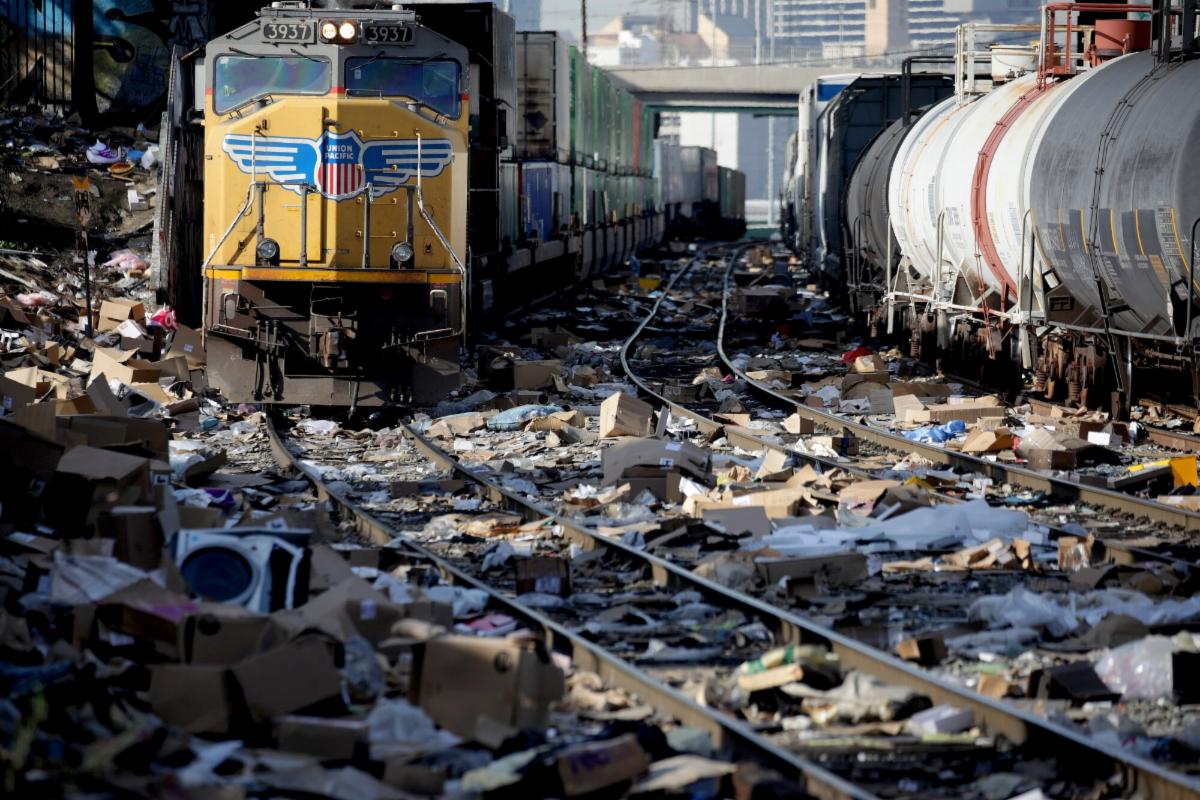
Seventeen Union Pacific train cars derailed last week along the same tracks experiencing mass looting in Los Angeles. Union Pacific recently blamed the staggering 160 percent increase in thefts since September 2020 on the Los Angeles district attorney, but the fault may lie, at least in part, with plain old short-sighted greed.
The cars jumped the track in Lincoln Heights. No one was hurt, and Union Pacific told news outlets like KTLA the cause of the derailment is currently under investigation.
The derailment occurred in a loading and unloading area where trains have to slow down or stop, which gives thieves time to do their dirty work. But anyone who has ever listened to a Tom Waits song knows railroads typically employ their own security forces. Los Angeles police told CBSLA officers typically don’t interfere with railroad business unless asked by the company, which Union Pacific said in a press release it is now doing. In that same release, Union Pacific blasted LA district attorney George Gascón as soft on crime due to his policy on not charging low-level defendants cash bails.
But it turns out that Union Pacific laid off an unspecified amount of workers, including railroad police, in September 2020. Two months later, the thefts began. An employee who wished to remain anonymous told LA Taco that Union Pacific should be shouldering a little more of the blame for the thefts:
|
|
(Editor's Note: Transit Equity Day is celebrated every year at this time in towns and cities around the world. It is a day for transit workers and transit riders to come together in solidarity to ensure a well-funded, safe, efficient, and just public transportation network for all.) |
|
Getting Transit on Track for Our Future - Transit Equity Day is Feb. 4th |
|
TRANSIT EQUITY DAY PRINCIPLES
Public Transit provides basic mobility for many in our communities. It is also essential urban infrastructure–just like roads, bridges, tunnels and utilities–that is crucial to the economic, social and environmental well-being of all our regions. Everyone has a right to a public mass transit system that includes:
- Safe, reliable, environmentally-sustainable and affordable transit that is accessible to all, regardless of income, national origin, race, gender identity, sexual orientation, age, religion, or ability.
- An affordable public transit system that reliably connects people in all communities to the places we need to travel: home, work, school, places of worship, shopping, health, and recreation, in as efficient, and timely a manner as possible. We must ensure that all communities have access to transit; no community should be left behind. Public transit in rural, less densely populated communities should be provided in any master transportation plan despite the special challenges that may present.
- Living wages, benefits, safe working conditions, and union rights for transit workers, including those who manufacture transit equipment, and access to family-sustaining transit jobs and training opportunities for people from underserved communities.
- A just transition for workers and communities who are dependent on our current automobile and highway-centered transportation system, to ensure that no one is left behind as we transition to a more public, accessible, and cleaner transit-based system.
- Rapid transition of our transit and school bus systems to electric, non-polluting buses powered by electricity from renewables.
- Safe, healthy and livable neighborhoods that are connected by public transportation and by bicycle pathways and sidewalks, and that are planned to expand safe access to transit and reduce single occupancy vehicle miles traveled.
- Dedicated and sustainable public funding for public transit.
|
|
(Editor's Note: Despite the fact that passenger trains ran on this route until Hurricane Katrina, CSX and NS have been crying the blue that they cannot run them anymore without massive infrastructure improvements. Looks like the government may be onto their lies and distortions.) |
|
DOT to STB: Order Gulf Coast Service Restored |
|
The posture DOT adopted in its filing mirrors many of the arguments your Association has been making for some time – that the host railroads are acting in bad faith to block Gulf Coast restoration, that Congress has always intended that host railroads must affirmatively prove that new service will harm their operations, and that the host railroads continue to benefit each and every year from the “Grand Bargain” they struck in 1971 with the U.S. taxpayer, who pays some $2 billion every year to relieve the railroads of their common-carrier obligations in exchange for access to tracks and infrastructure.
DOT contends that Congress always intended that new or additional Amtrak service would enjoy a presumption of favor unless hosts could prove that new service would create an “unreasonable impairment.” Instead, DOT told the Board, Norfolk Southern and CSX are trying to water down those requirements in its Gulf Coast arguments, thwarting congressional intent. DOT also hinted that the host railroads are disingenuously stalling for time, again thwarting Congress’ desire to see decisions made quickly and transparently.
In addition, DOT declared that the host railroads’ operational analyses submitted to the Board as evidence in this proceeding were “insufficient” to prove that adding two trains each day to the are would “impair unreasonably” the freight transportation offered by the hosts.
|
|
(Editor's Note: RWU supports the idea of a "Just Transition" and has issued an official Resolution of Support. As fossil fuels are replaced by renewable energy, miners, refinery workers, and railroaders who have all kept the economy running for the last century demand that we not be kicked to the curb, but emerge from such an energy transition with our wages and benefits intact.)
|
|
Unions Have the Potential and the Responsibility to Advance a “Just Transition”
Norman Rogers, an employee of a southern California refinery and second vice president of United Steelworkers (USW) Local 675, discusses how unions must engage in climate change policy decisions to protect the planet and leave no worker behind.
|
|
The idea of a “just transition” has emerged as an absolute requirement for any progress toward a clean energy future. An energy transformation will impact workers in the fossil fuel industry but will also affect regions and communities differently. A just transition must be designed to ensure that the benefits of greening the economy are shared widely and that no worker is left behind.
Norman Rogers, a 20-plus-years employee of a southern California refinery and second vice president of United Steelworkers (USW) Local 675, also serves on the Joint Health and Safety Committee and Negotiating Committee at the refinery. In this interview, Rogers shares his insights on the principles and aims of a just transition and how we could get there.
C.J. Polychroniou: “Just transition” is associated with the environmental transition, in sectors such as chemicals and energy, although it is now moving into other areas such as health care and even development. Can you talk, from your experience as a refinery worker and labor organizer, about what the notion of just transition entails and how it is being used in connection with workers in the fossil fuel industry?
Norman Rogers: The term “just transition” is very much linked with the labor movement. Tony Mazzocchi, a trade unionist with the Oil Chemical and Atomic Workers union (OCAW), coined the term as it related to the dangerous, toxic, life-threatening chemicals to which his members were exposed. The idea then, as it is now, is to find other ways to meet the needs for the products being made and the health and welfare of the workforce he represented ... As a labor organizer representing fossil fuel workers in the current atmosphere, the philosophy behind a just transition is ensuring that no worker is left behind when transitioning to a clean energy economy. Everyone must be accounted for, whether they are toward the end of their career, just starting out, or any point in between. This fight must be won if the transition to a sustainable future is to be realized. To the extent that we do not do this, we will not be successful in building the community of allies needed for the task at hand.
|
|
U.S. Class One's Employed a Few More People Last Month |
|
U.S. Class Is employed 114,499 people in mid-December 2021, a 0.48% increase compared with mid-November’s employment level, but down 2.78% compared with the same month in 2020, according to Surface Transportation Board (STB) data.
Five of six workforce categories registered employment increases last month versus November 2021. They were: transportation (train and engine) employees, which rose 1.35% to 47,611 workers; transportation (other than train and engine), up 0.75% to 4,684; maintenance of equipment and stores, up 0.64% to 17,341; professional and administrative, up 0.53% to 9,809; and executives, officials and staff assistants, up 0.03% to 7,283.
One workforce category logged a month-over-month employment decrease: Maintenance of way and structures declined 1.03% to 27,771 workers.
Year over year, all but one category registered employment decreases. They were: maintenance of equipment and stores, down 6.88%; professional and administrative, down 4.05%; transportation (train and engine), down 2.97%; transportation (other than train and engine), down 2.88%; and executives, officials and staff assistants, down 0.4%.
Maintenance of way and structures registered a year-over-year increase in mid-December 2021 at 0.18%.
|
|
Week 2: U.S. Railroads Log More Carloads, Fewer Intermodal Units |
|
U.S. rail volume dipped 6.6% to 493,617 carloads and intermodal units during the week ending Jan. 15 compared with the same period in 2021, according to Association of American Railroads (AAR) data.
Although total volume for the week was down for U.S. railroads, they hauled 233,647 carloads, a 0.5% increase compared with the same week in 2021. But, they logged 259,970 containers and trailers, which was a 12.2% decrease.
Three of the 10 carload commodity groups that AAR tracks weekly posted increases. They were coal, up 10,296 carloads to 67,867; nonmetallic minerals, up 1,779 carloads to 27,367; and chemicals, up 67 carloads to 34,002.
Commodity groups that posted decreases included grain, down 3,196 carloads to 24,344; motor vehicles and parts, down 2,948 carloads to 12,382; and petroleum and petroleum products, down 2,653 carloads to 9,782.
Meanwhile, Canadian railroads hauled 68,016 carloads during the week, down 21.3%, and 64,393 intermodal units, down 13.4%. Mexican railroads logged 22,022 carloads for the week, down 3.4%, and 15,299 intermodal units, down 4.4%.
|
|
Brightline West Makes Progress |
|
Brightline West, the planned private-sector high-performance passenger railroad, is moving toward its goals of bringing passengers to Las Vegas and giving them a way to get there from Los Angeles. The railroad announced that plans are now set to bring its trains into Rancho Cucamonga, a community on Metrolink’s San Bernardino line, for a connection to Los Angeles Union Station.
Brightline hopes that the FRA will approve an environmental permit for that part of the route by the end of this year— a step toward opening the entire line, which company officials hope will take place in about 3½ years, an ambitious time frame for building a railroad complete with tracks and overhead catenary for power.
Mick Akers reported the development in the January 24 edition of the Las Vegas Review-Journal in a story headlined “Edens says that the Brightline high-speed rail project is at the ‘1-yard line’” and found at https://www.reviewjournal.com/news/news-columns/road-warrior/edens-says-brightline-high-speed-rail-project-is-at-the-1-yard-line-2518090/. He began his report with a question: “Could 2022 finally be the year construction on the long-discussed high-speed train between Las Vegas and Southern California gets under way?” The headline referred to Wes Edens, CEO of Fortress Investment Group, which owns Brightline West and the original Brightline, the railroad now running in Florida between Miami and West Palm Beach on Florida East Coast Railroad (FEC) tracks and building an extension of its line northward to Cocoa and then westward to Orlando Airport.
Akers reported: “Edens knows this project has been ongoing for more than a decade but he said the most significant strides have been made since Brightline came into the mix, getting it close to shovel-ready. A train system that was originally thought to be Vegas to Victorville, in the middle of the desert, is now, all the way to L.A. … I think that is a game-changer.”
|
|
(Editor's Note: If the so-called "Bipartisan Infrastructure Bill" is to be successful, the DOT and its new Secretary will need to expedite funding to important high-profile transportation projects that get the nation's infrastructure moving.) |
|
Secretary Pete’s First Year: Here’s How He Rates |
|
National exposure as a presidential candidate in the 2020 presidential election made Pete Buttigieg probably the most well-known U.S. transportation secretary in history when he was sworn in on Feb. 3, 2021. He joined the Biden administration just as the COVID-19 pandemic was beginning to wreak havoc on domestic supply chains, while at the same time President Biden was under pressure to deliver on a main pillar upon which his campaign was built: a transformational transportation infrastructure package.
Given Buttigieg’s popularity — he recently became the first DOT secretary to have a bobblehead recognized by the National Bobblehead Hall of Fame and Museum — and his close work with the Biden administration to improve freight movement, we thought it appropriate to measure his success as he approaches his first full year in office.
A DOT veteran’s take
“For a first-year DOT secretary, I’m very impressed with what he’s gotten done,” former DOT official Mort Downey told FreightWaves. As the longest serving U.S. deputy secretary of transportation (1993-2001) who has worked with or met every DOT secretary except one (Claude Brinegar), Downey is in a good position to offer a perspective.
“When you have someone who is recognized as in tune with what the president wants to achieve and who’s going to give the department its opportunity to shine, people will respect that and listen to what he has to say. The whole department seems to have a good sense of what they want to get done, with consistent messaging coming from the heads of the various agencies. I don’t think that happens without a certain level of leadership at the top.”
|
|
Sign On Now to Stand with Transit Workers in the Fight for Fair Pay, Better Benefits, and Safer Working Conditions! |
|
Right now, America’s public transit system is facing a driver shortage. It shouldn’t be a surprise. Many bus drivers report feeling like they’ve been worked to death and are regularly forced to work overtime. Their work didn’t stop during the pandemic -- it just got a lot more dangerous. And even if they did earn hazard pay at first, that ended many months ago and long before the end of the pandemic.
Now, as transit agencies struggle to fill critical jobs, their big solution is to offer one time hiring bonuses. That’s it. There are no plans to improve working conditions, raise wages, or increase critical benefits like healthcare, paid leave or sick days. Just a one time bonus. That’s it!
Hiring bonuses aren't enough to fix the driver shortage! Stand with transit workers in the fight for fair pay, better benefits, and safer working conditions by adding your name now!
|
|
|
|
|
|
|