Project Clean Air & the San Joaquin Valley

Clean Cities Coalition Newsletter.


Trucking with Clean Fuels Conference

& Zero Emission Convoy.

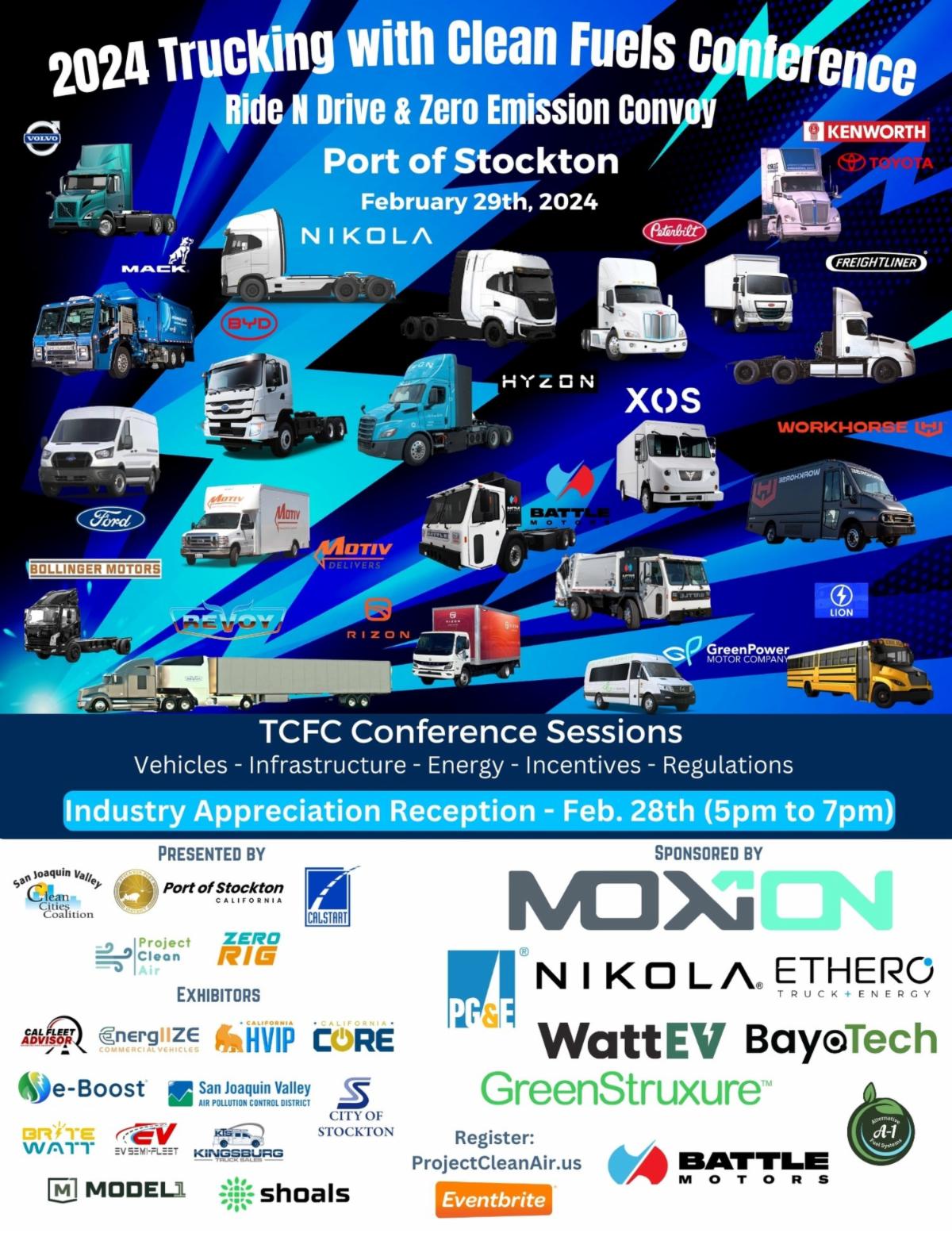
Get ready for an electrifying experience at the 2024 Trucking with Clean Fuels Conference and Zero Emission Convoy at the Port of Stockton on Feb. 29th, where the future of transportation comes to life!

This groundbreaking event is set to host the largest Zero Emission Convoy in the World, featuring an impressive lineup of over 30 cutting-edge Zero Emission commercial vehicles, including electric and hydrogen-powered trucks, from pick-ups to class 8 semi trucks, as well as refuse, transit and school buses.


This event is an immersive experience for fleet managers and decision-makers and is designed to educate and assist fleet managers, owner/operators, and business owners with vehicle and infrastructure planning and decisions, as well as regulations. 


Experience the Ride n Drive from 10am to 4pm. Drive or ride along in over 30 zero emission trucks. 


CALSTART’s CalFleet Advisor team will also be on-site, offering expert advice to help fleets transition smoothly to electric and hydrogen vehicles.


Don't miss the Industry Network Mixer on Feb. 28th from 5pm to 7pm. 


 Click here for more info and to purchase tickets.


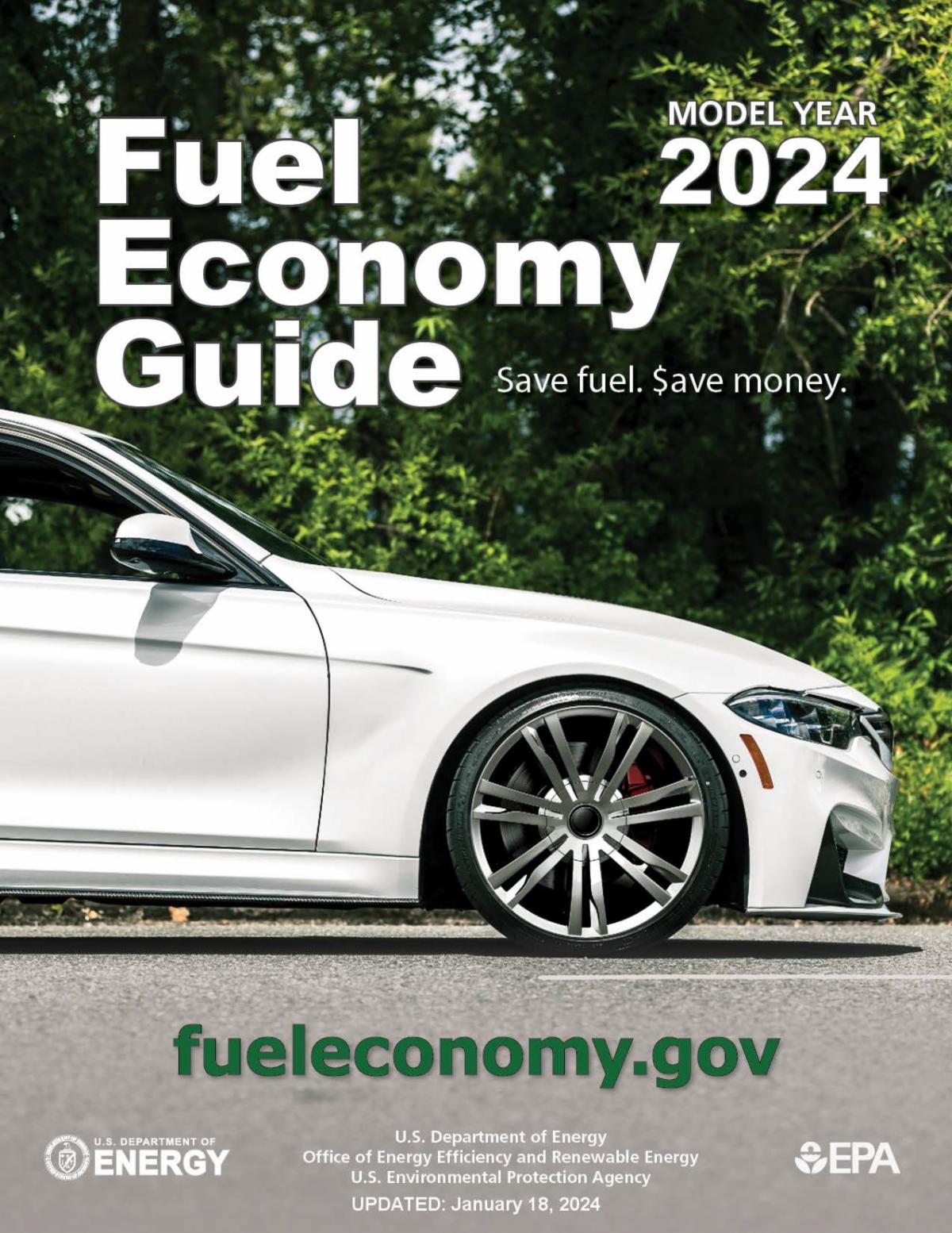
Looking to purchase a new car this year? Check out the Fuel Economy Guide out now. More info than you need or want to know about the new 2024 vehicles. Click here for the complete guide.


First Responders Alternative Fuel Vehicle Training


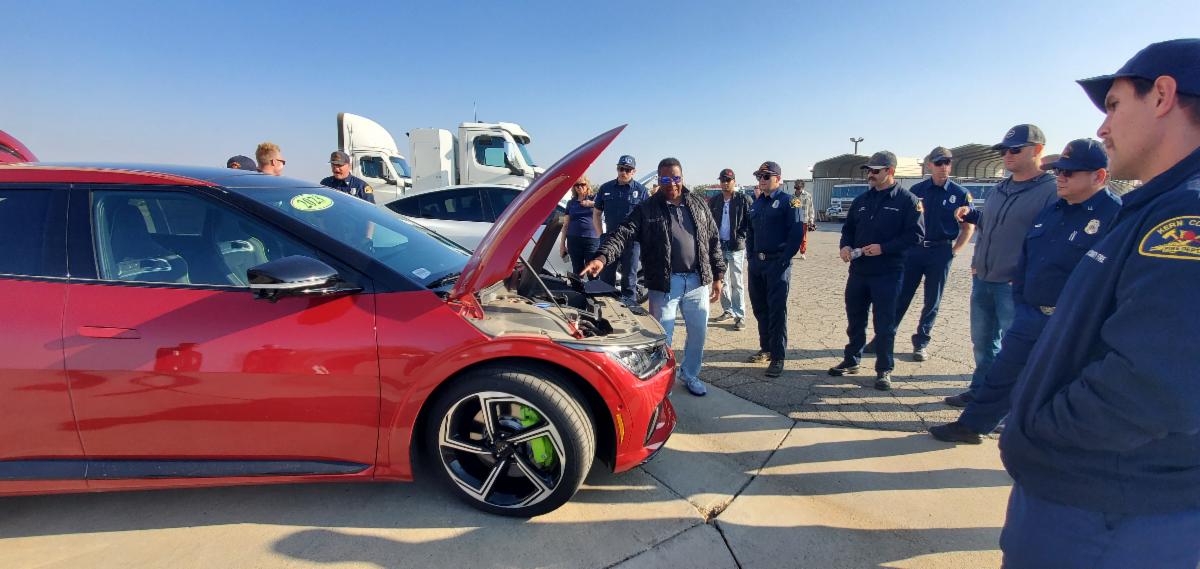
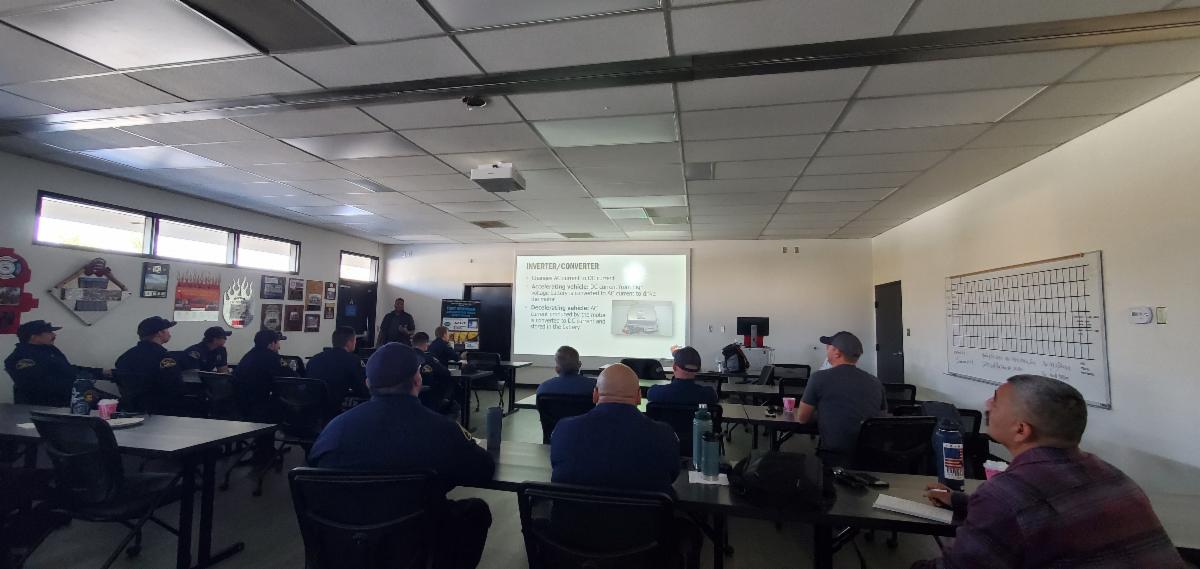
We held an Alternative Fuel Vehicle (AFV) safety training for the Kern County Fire Department in December 2023. Some topics that were covered were identifying, immobilizing, and disabling AFV's, and extrication techniques. We will continue to hold these trainings twice per year.


We have sponsorship opportunities for interested parties.


PG&E is buying Renewable Natural Gas


PG&E, in its drive to decarbonize its natural gas system, has embarked on initiatives such as procuring renewable natural gas (RNG) from California sources for its residential and small commercial customers. The company is also launching a biomass-to-RNG pilot project, collaborating with West Biofuels to convert wood and forest waste into clean natural gas while aiding wildfire prevention efforts. With plans to meet 15% of its demand with RNG by 2030, PG&E is advancing its RNG procurement strategy and aims to interconnect new RNG production sites, including a landfill-based facility in the Bay Area scheduled for early 2024. Additionally, PG&E continues to seek RNG procurement opportunities from various organic waste sources across California.


United State Postal Service Installed first EV Chargers in Georgia

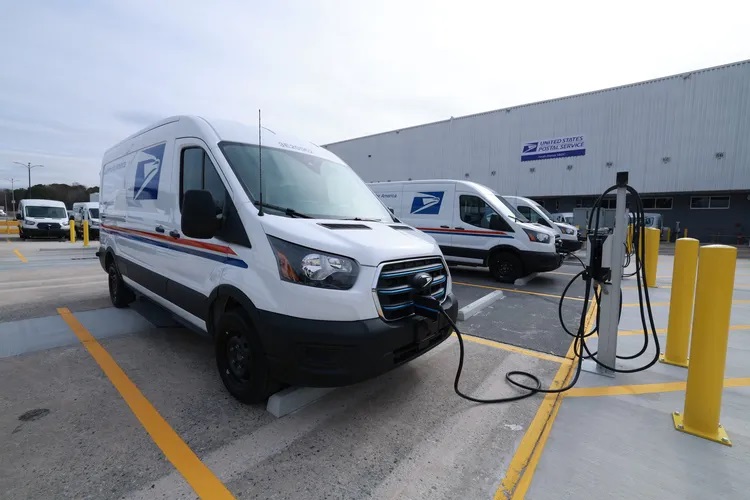
The US Postal Service unveiled its initial EV charging stations in Atlanta, Georgia, marking the beginning of a broader plan to install charging infrastructure at hundreds of sorting and delivery centers across the country. This initiative is a significant stride towards the Postal Service's goal of establishing one of the largest EV fleets in the nation, comprising over 66,000 delivery vehicles. Collaborating with multiple companies like Siemens, Rexel / ChargePoint, and Blink, the Postal Service aims to manufacture 14,000 EV chargers for its facilities. Additionally, USPS showcased its first set of Ford E-Transit battery electric vehicles and has plans to procure thousands more electric and commercial off-the-shelf (COTS) vehicles from various manufacturers. By 2028, USPS plans to deploy 45,000 battery electric "Next Generation Delivery Vehicles" (NGDVs), part of a broader strategy to modernize its fleet and explore the feasibility of achieving full electrification.


A little about us and what we do

San Joaquin Valley Clean Cities Coalition (SJVCCC) is one of 75 other coalitions in the U.S. It serves nine counties in the San Joaquin Valley: San Joaquin, Stanislaus, Merced, Mariposa, Madera, Fresno, Kings, Tulare, and Kern Counties. The coalition's mission is to reduce air-polluting emissions in the transportation sector. SJVCCC obtains its goals through community projects like education, incentives, and infrastructure. It also facilitates implementing fleets to use alternative fuels such as Natural Gas, Hydrogen Fuel Cells, and Electric Motors. SJVCCC was established in the San Joaquin Valley in 1993 and continues to serve to this day. 

Project Clean Air was created by a diverse group of individuals, businesses, and agencies who believe that find local, voluntary solutions to air quality sources can be more efficient, cost-effective, and popular than solving all issues with regulations. Our mission is to enhance our communities by improving air quality through education and collective action throughout the San Joaquin Valley. Over the past 30 years, our organization has worked to establish and to support new non-profits. Our award-winning programs continue to inspire and to demonstrate leadership on innovative solutions to air quality issues.


Connect with us on Social Media

LinkedIn  Facebook  Instagram  X