|
Friends of St. Marks Wildlife Refuge
Reflections Newsletter - Spring 2026
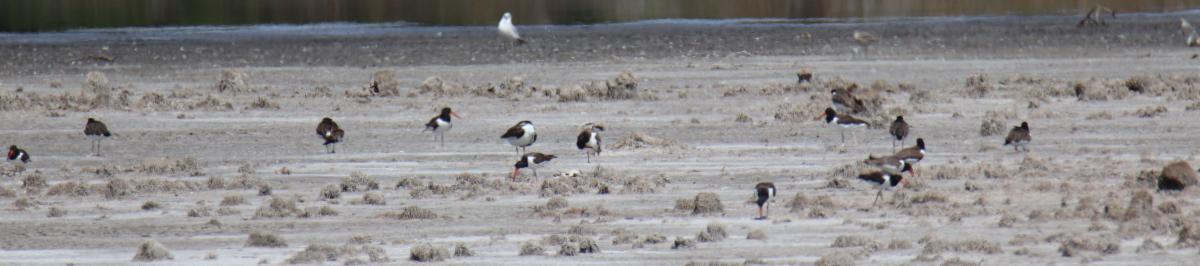
| | Oyster catchers in the very dry Lighthouse Pool | | |
Friends President's Message
Text and Photos Courtesy Katasha Gruver
Unexpected Happenings on the Forgotten Coast
Florida has about 800 miles of coastline, and roughly 250 of those belong to our Forgotten Coast. St. Marks National Wildlife Refuge covers a long stretch of the eastern edge of this quiet region. Unlike the carefully groomed beaches found in other parts of the state, where not a grain of sand dares wander, ours remain wild, natural, and a little rugged, with open views in every direction. They’re places where you can still stumble onto something unexpected.
I had two such moments at two of our Refuge beaches over the past couple of months.
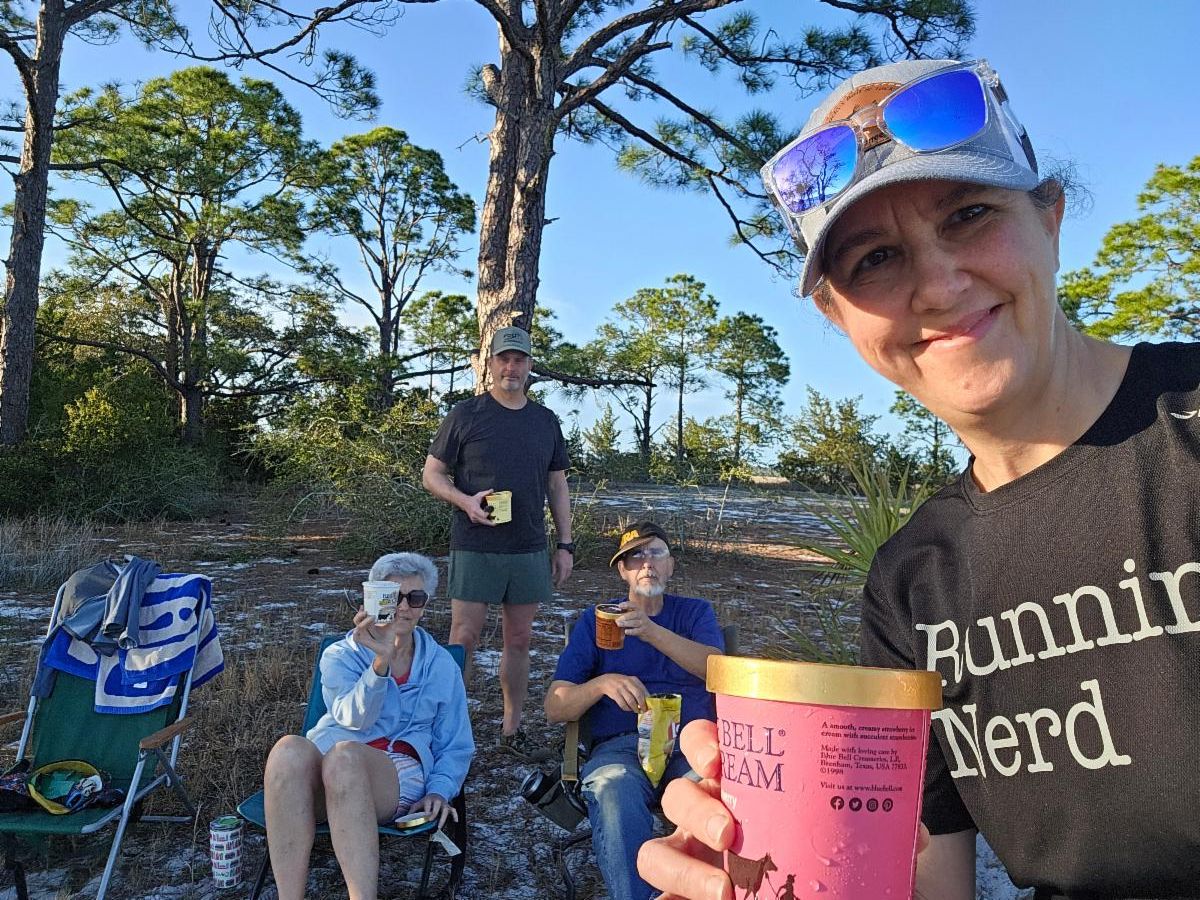
The first happened while my parents were visiting. After a full day of bicycling, planting vegetables, and tackling a few small projects, we were ready for something simple. My mom and my husband both love ice cream, and since we’d missed our usual midday treat and none of us were hungry for dinner, my mom declared that “there’s always room for ice cream,” and suggested we make it our evening meal.
My dad and I enjoy watching sunsets, so I suggested we take our dessert to the end of Bottoms Road. When we arrived, we found a small opening off the pavement where we could carefully make our way through a patch of woods to a quiet spot along the shoreline. It offered a clear view of the Gulf and the western sky. It was a chilly little adventure, but a memorable one and certainly not the kind of thing you ever imagine doing with your parents when you’re a kid.
The second moment took place at Wakulla Beach. The day of the Artemis II launch fell on a Wednesday, when I’m usually in class until late. But that evening, class ended early unexpectedly, and the launch window had just opened, and a blast off seemed likely. I grabbed my binoculars, called my husband as he was leaving the office, and told him to meet me at the beach.
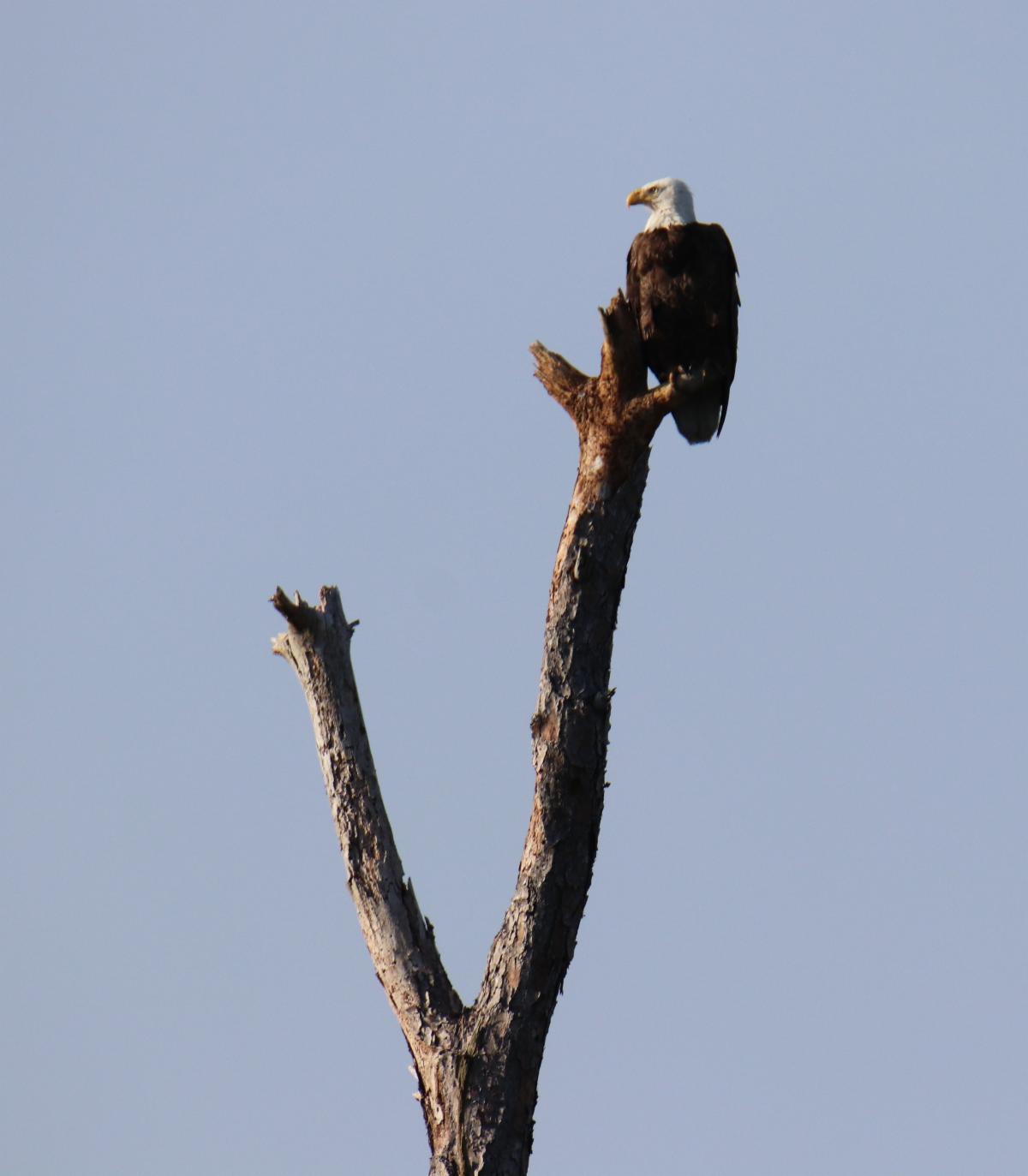
Listening to the livestream and hearing NASA officials work through the final “go/no go” decision was exciting. A small group of locals had gathered on the sand, all hoping to catch a glimpse of the rocket as it lifted off. We never did see it on the horizon, but we did see a stately bald eagle proceeding over the event as if it were its patriotic duty.
| |
Even without the rocket sighting, standing there with other people who had all come out for the same reason felt encouraging. It was a reminder that even on a small stretch of beach in our Refuge, we can still find shared experiences even if we didn’t intend to.
Throughout this edition, you’ll find more stories of unexpected moments, meaningful connections, and the ways we come together to strengthen and support one another. They highlight the community that makes up our Refuge, including Friends, volunteers, staff, and all who care for this place.
Invite your friends to become our Friends, and embrace the unexpected along this not‑so‑forgotten coast. You never know, one day you might find yourself eating ice cream for dinner on the beach!
| | |
Refuge Report
Winter/Spring Biology Seasonals say Farewell and a Heartfelt Thanks
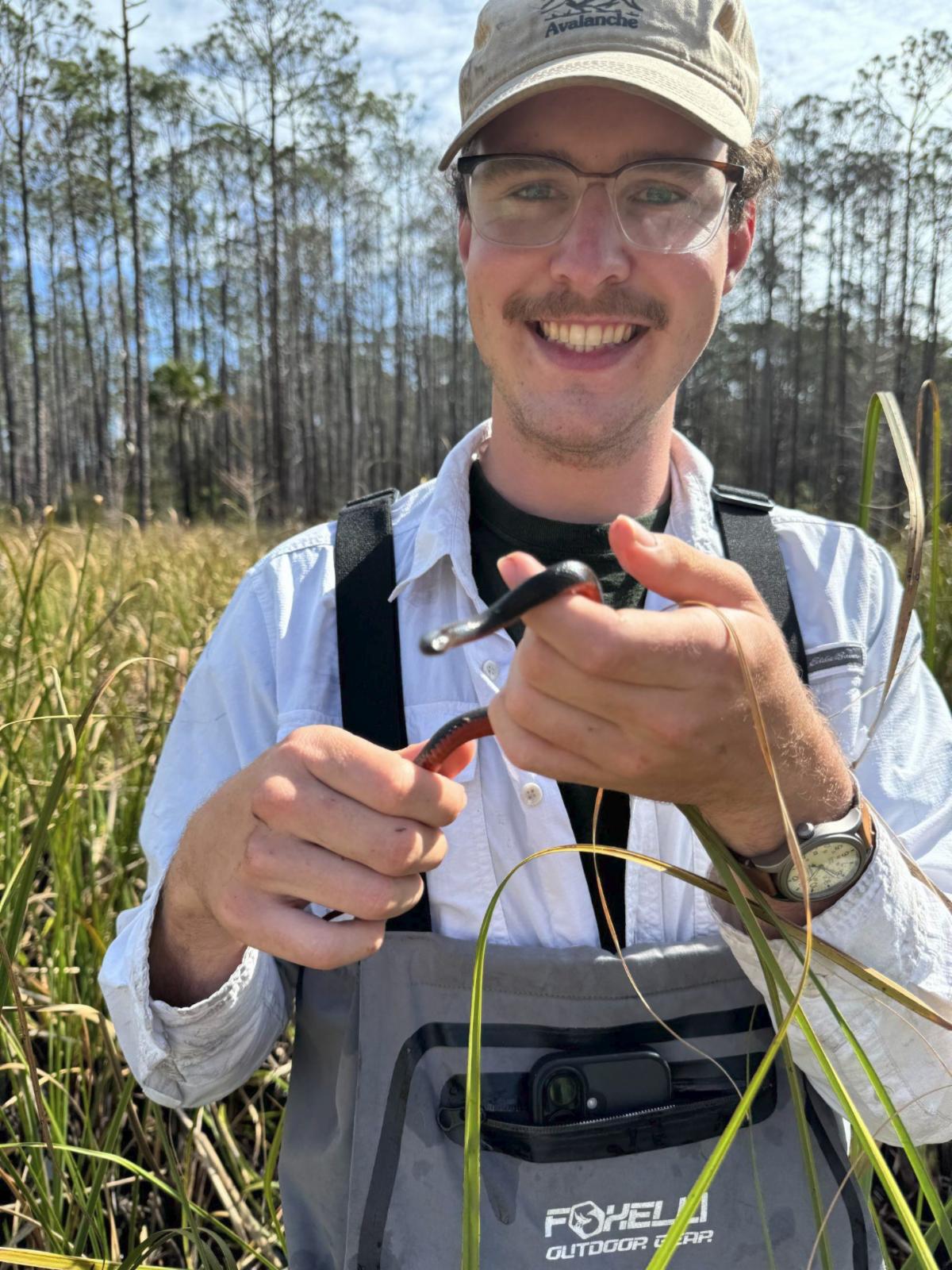
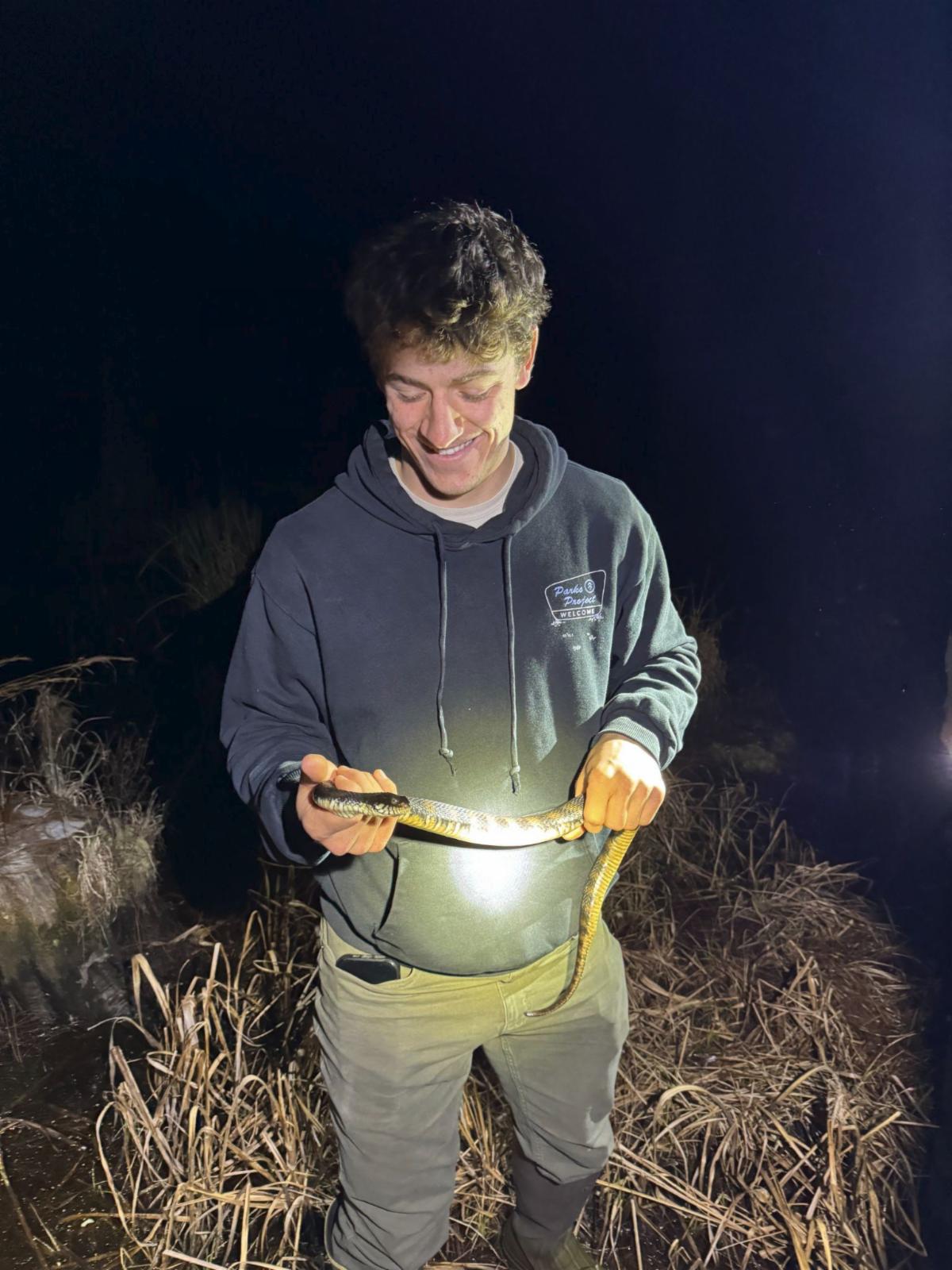
We wanted to take the time to give you our sincerest thanks for the opportunity that you have helped to provide for us at the St. Marks Refuge. Your investment in us interns equipped us with the necessary skills and experience in order to further grow as young professionals in conservation. We had the opportunity to work with some incredible species within the beautiful and diverse refuge lands, including gaining skills in occupancy trapping for frosted flatwoods salamanders and surveying for red cockaded woodpeckers. During our four months here, we were able to jump in and help out on several other incredible projects that we otherwise would not have had the chance to, such as surveying for shorebirds and waterfowl, helping out with the WHO festival and getting to interact with the community, assisting with feral hog control and disease monitoring, and getting to learn from so many knowledgeable professionals in the field. This has truly been an unforgettable experience for all of us, and we cannot express enough how grateful we are to those of you who have made it possible.
Leo (bottom pic): My favorite part of the internship was getting to meet and interact with so many wonderful people enjoying this beautiful environment. From helping at hunt check stations, participating in intern swaps, and working the WHO festival, we’ve had so many opportunities to work with so many wonderful people.
Beth (top pic): My favorite part of the internship was getting to learn from so many diverse perspectives about what it means to be a conservationist, and getting to see how USFWS operates from the inside.
Joel (middle pic): My favorite part of the internship was being able to explore northern Florida, a region I had never spent any time in. It was wonderful to see such a diversity in ecosystems and wildlife in the area.
| | |
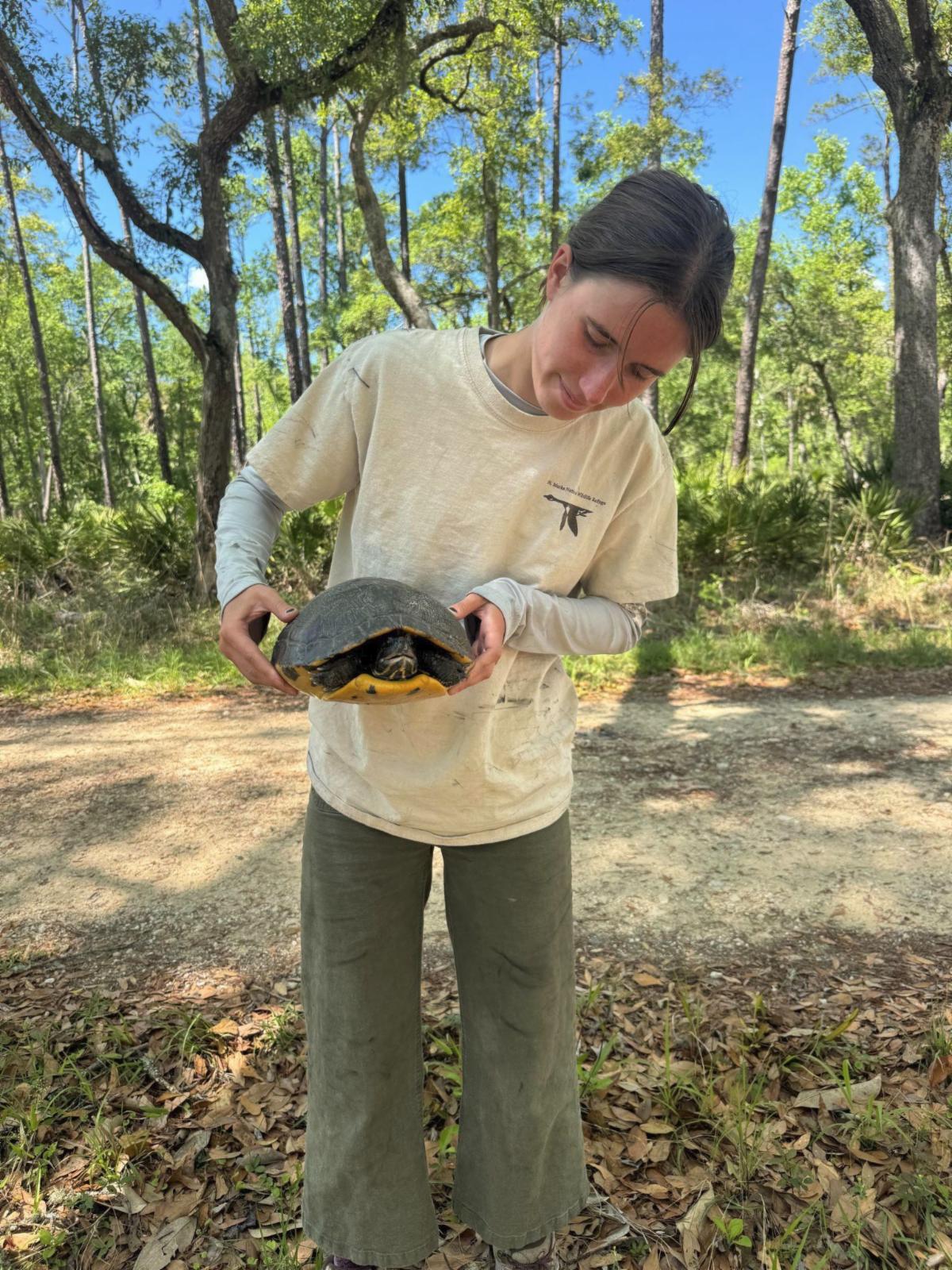
Our introduction to SMNWR was the frosted flatwoods salamander, learning how to care for them in the mesocosms and looking for them in the field. It was fun exploring the St. Marks unit, trudging through mud, crawling under branches, and battling sawgrass. Checking the minnow traps in the refuge ponds rarely wielded a larval FFS, but often provided excitement in the form of other animals. We found newts, snakes, frogs, amphibians, sirens, baby turtles, and more. When we did finally capture wild frosted flatwoods, we took length measurements and if big enough, a clip of their tail for a DNA sample.
Once the salamanders we were caring for were big enough, we began releasing them into ponds on the refuge to bolster their wild population and genetics. It was a bittersweet event, not unlike how we imagine it is like to send your kids off to college. We can only hope our little guys successfully metamorphosed and are digging around somewhere today. A majority of our captive raised salamanders are still in the care of the refuge due to the historic drought we were enduring until they too metamorph, when they will be released onto the landscape to join their brothers and sisters.
The second half of the winter/spring internship focused on surveying for Leuconotopicus borealis, the red cockaded woodpecker. This work involved going around to established clusters that are known to have breeding groups of RCWs and checking for signs of activity. If a tree was dripping with sap, then we would use a long extendable pole with a camera on the end of it to check if the cavity had a nest in it. Sometimes, a surprise was waiting for us inside of the cavity - we found families of flying squirrels, red bellied woodpeckers, and even a hive of honey bees!
| | |
During our surveys when we found a cavity that had a nest (and sometimes even a protective parent), we counted the number of eggs in the nest, and took the location. We would also wrap aluminum foil around the trees that had active nests in them to prevent snakes and other predators from being able to reach the eggs.
While surveying, we were able to see many parts of the refuge that we hadn’t previously gotten to explore, such as much of Panacea! During our exploration, we saw a lot of cool creatures, such as legless lizards, snakes, lots of birds, and scorpions. We learned a lot about the work that goes into surveying for and helping to protect a threatened species.
We would once again like to thank everyone from the Friend’s Group for all the support they have provided us. Not only will the skills and experiences we have obtained from this opportunity carry with us throughout our careers, but we have also been able to work within and positively impact a truly unique and diverse environment. We have each used this opportunity to grow as conservationists and find jobs continuing to support our shared ecosystems. Thank you again!
| | |
Family Fishing Day a Huge Success (for the Gators)
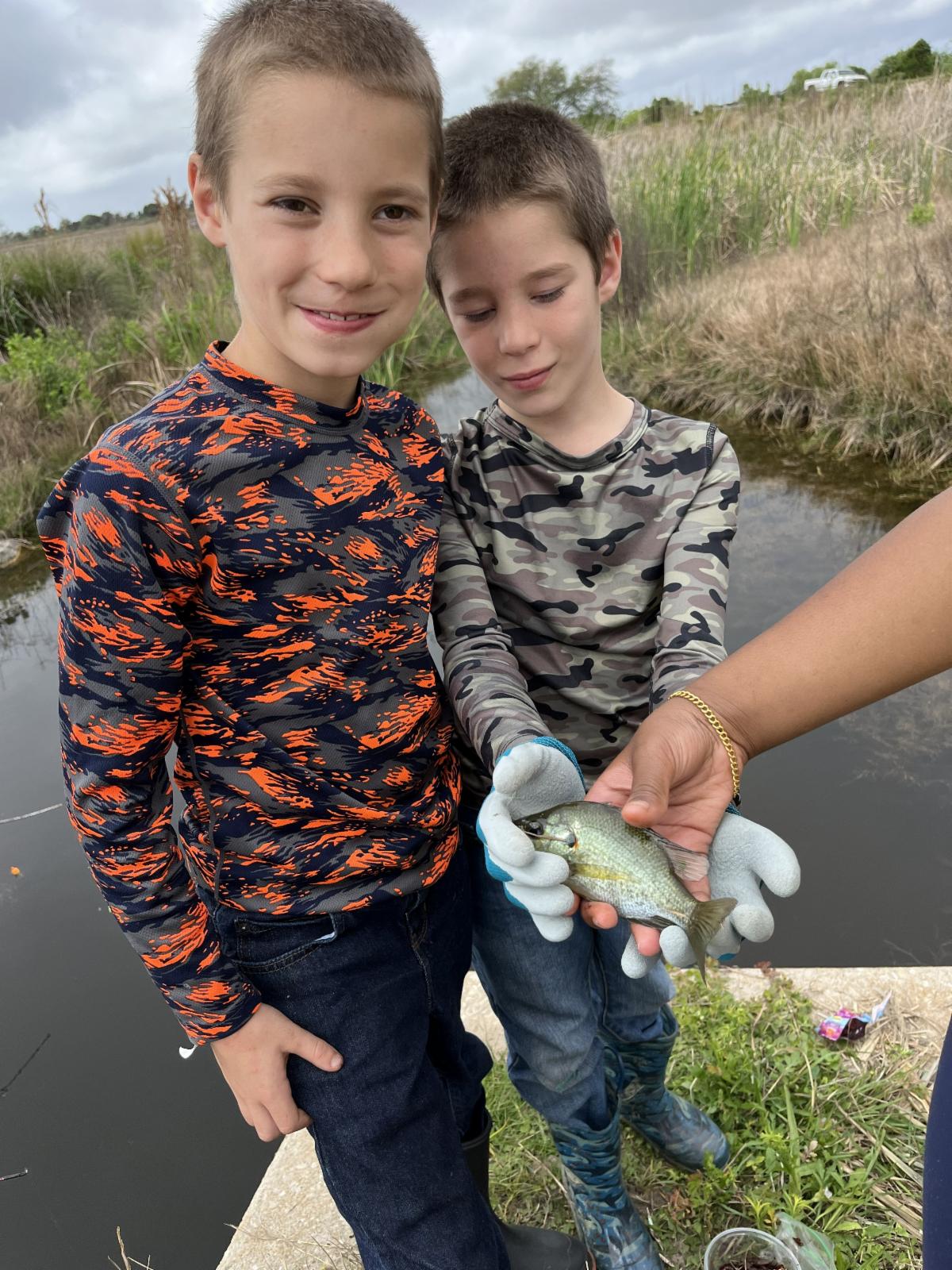
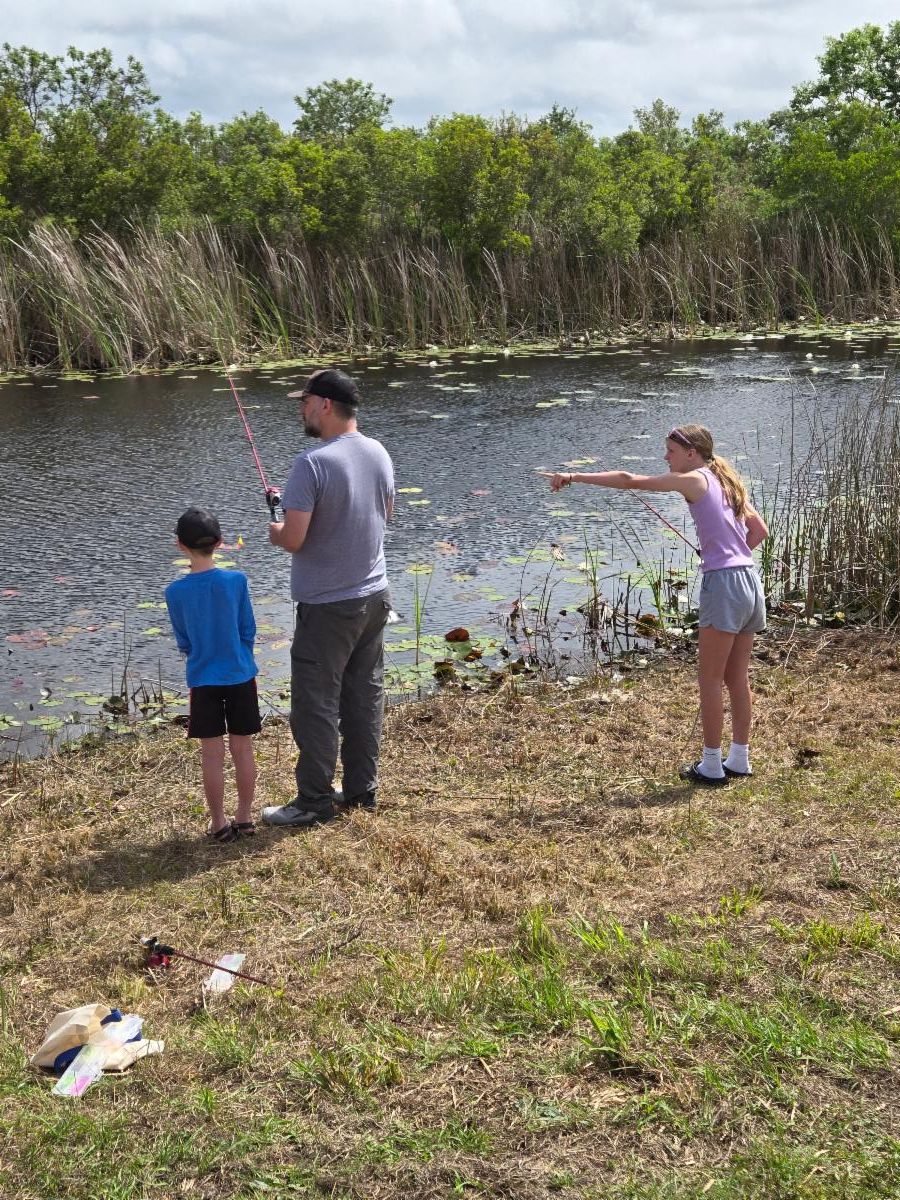
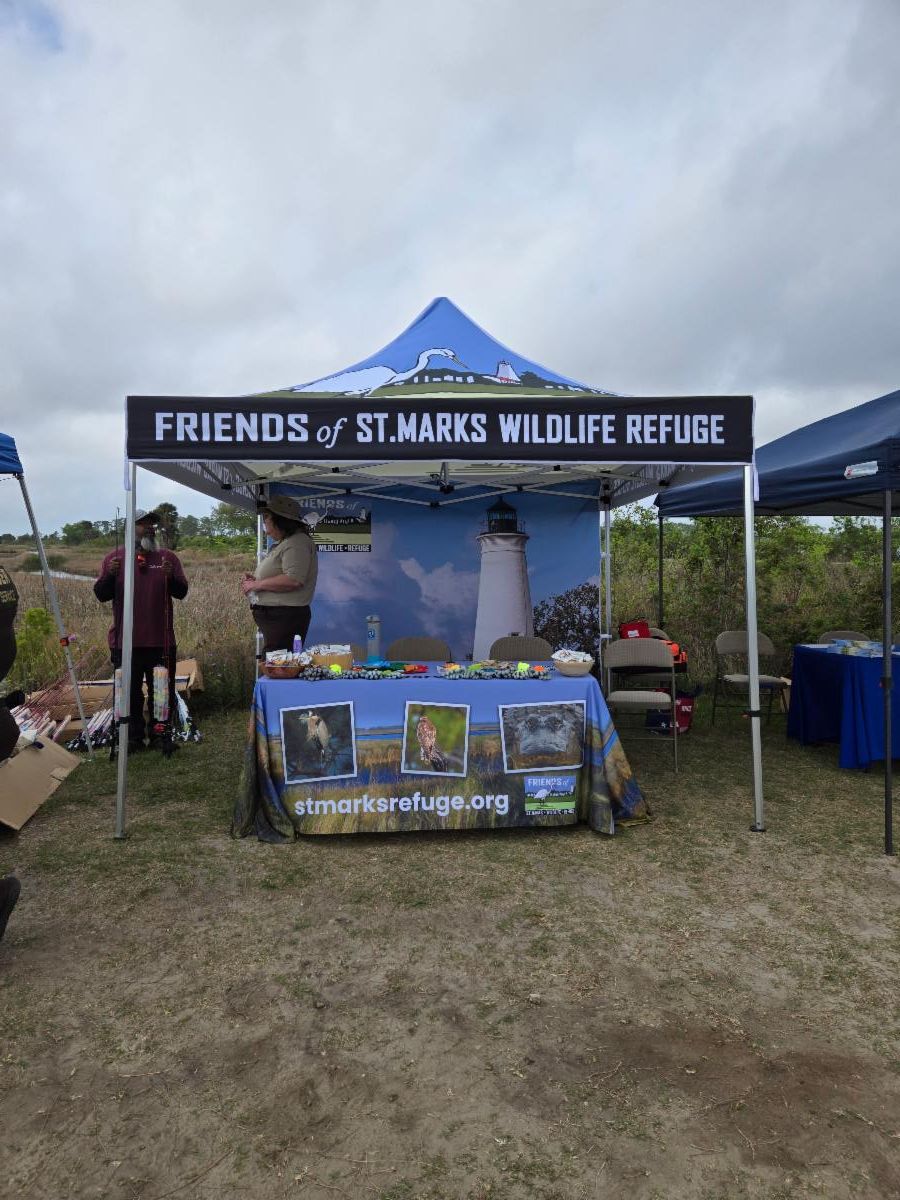
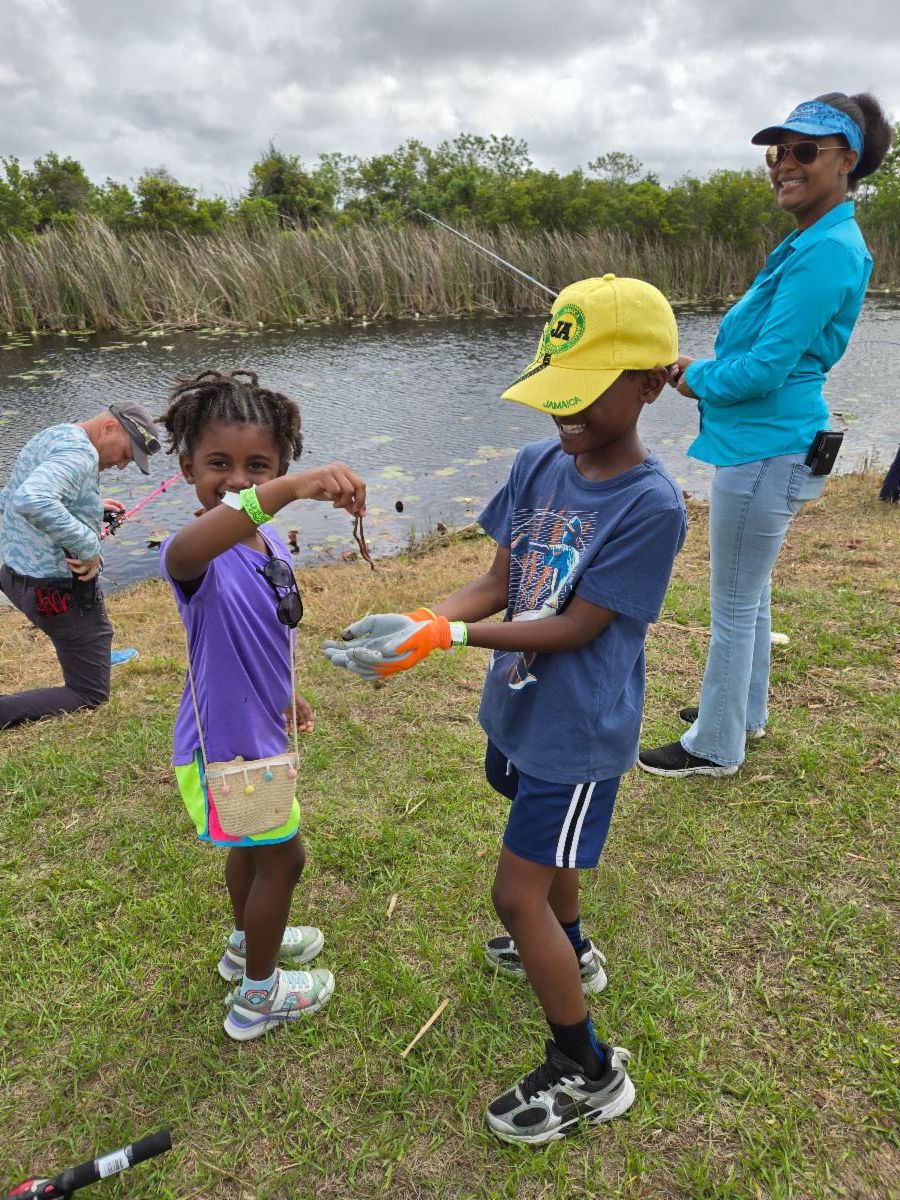
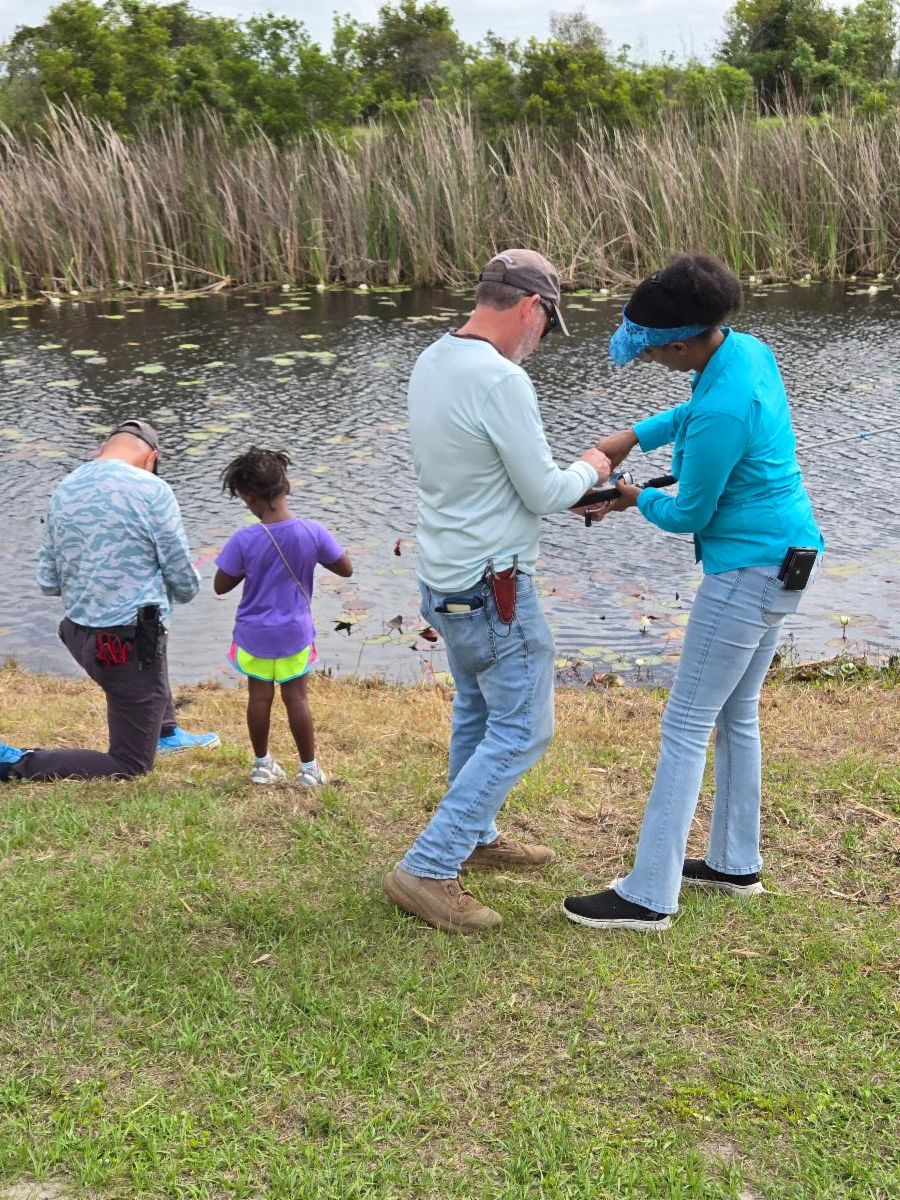
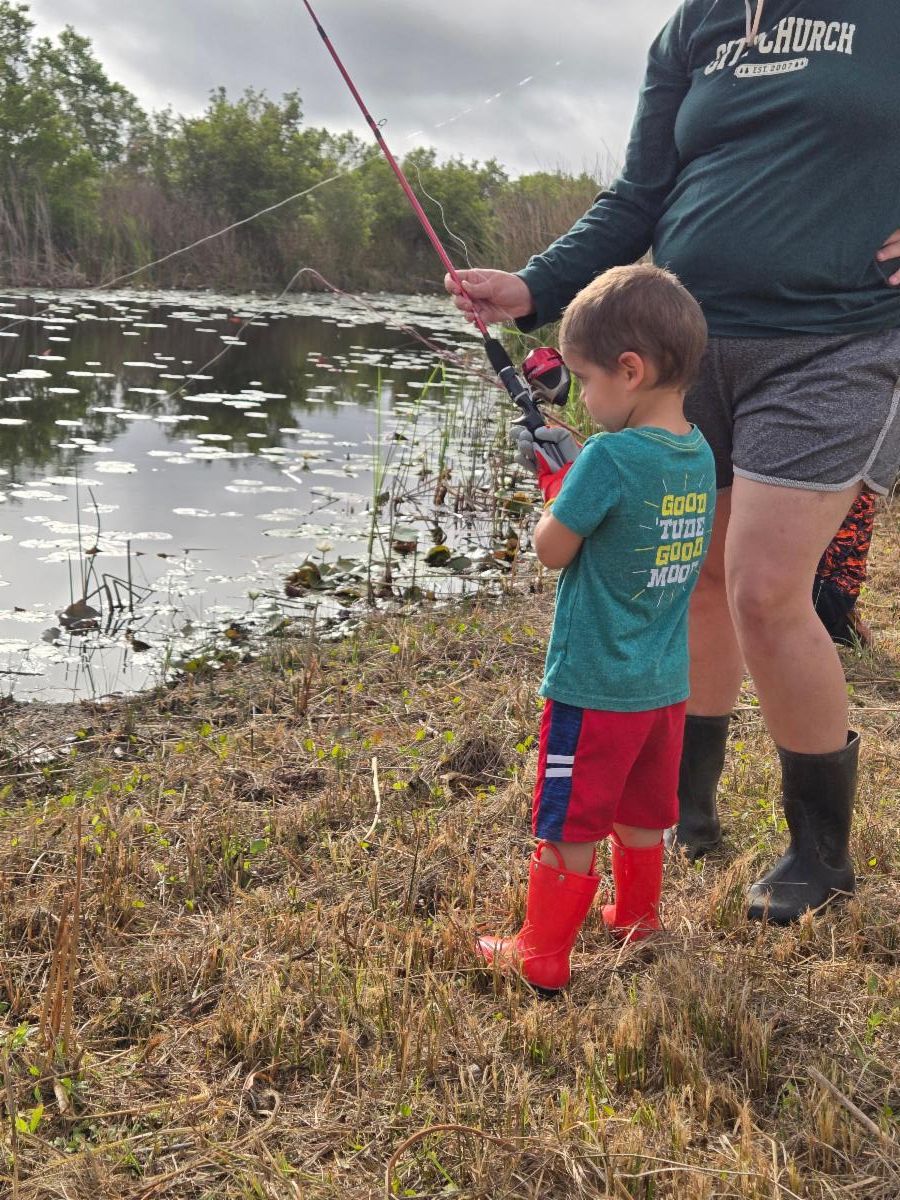
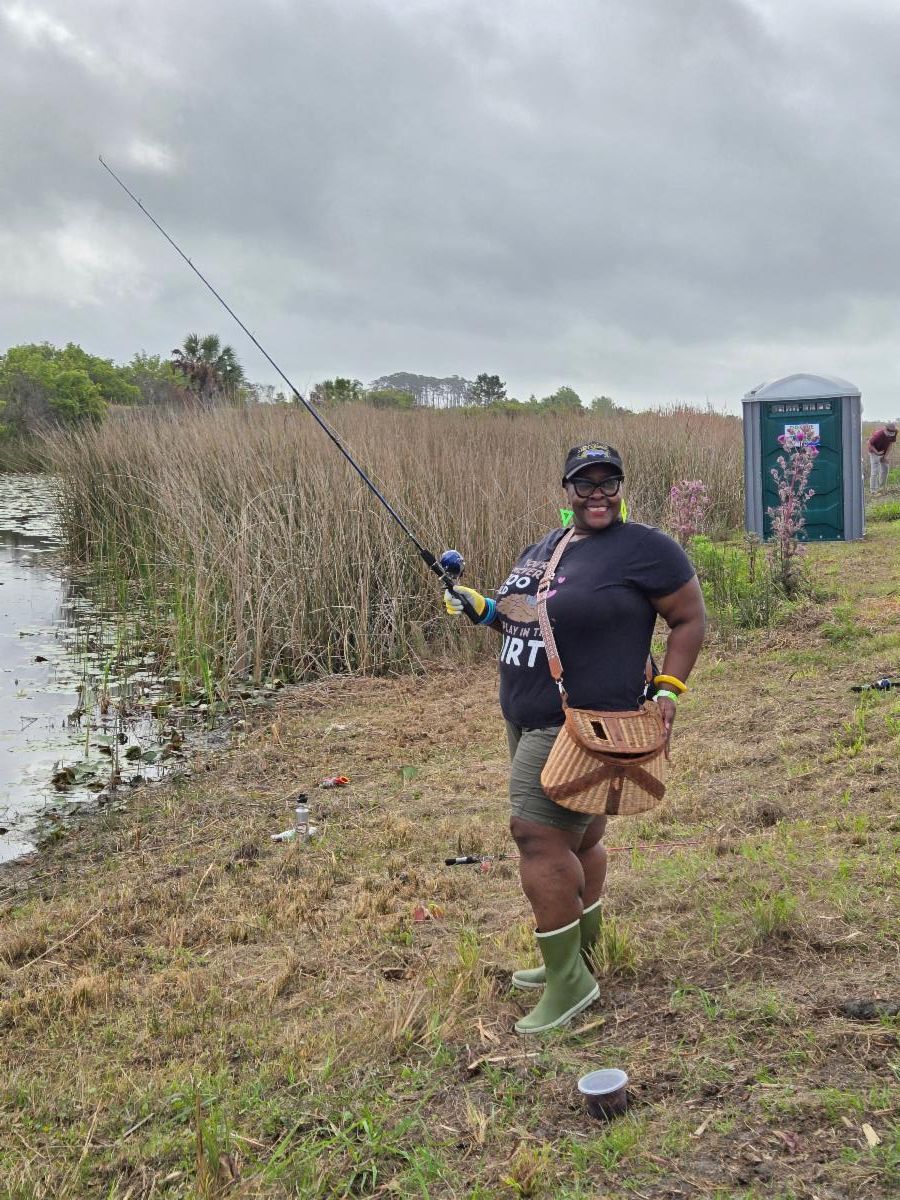
Family Fishing Day, hosted by the Refuge and supported by Salt Strong Alliance and the Friends of St Marks brought many people out to the double dikes area, via a scenic tram ride. Salt Strong supplied rods, reels, tackle, and bait. The Refuge supplied fishing information and other educational materials, while the Friends provided the ever-popular gloves for the kiddos.
While young and old alike were persistent and patient for the entire event, only one small blue gill and one crab were hooked. The gators seemed to have made the most of it the day before, but no one seemed to mind. The skill building and camaraderie were enjoyable and a fun time was had by all on this beautiful day.
| | |
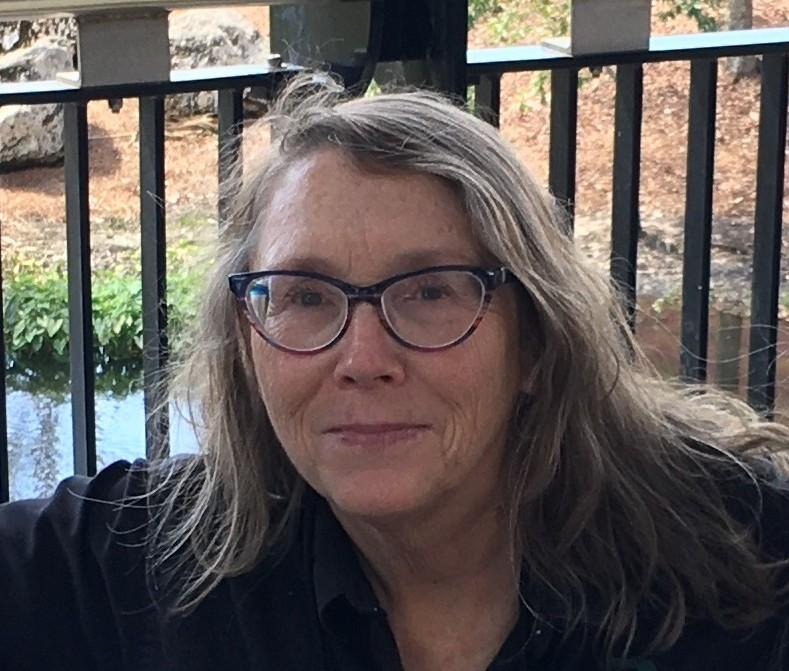
Welcome Robbin Trindell - New Friends of St Marks Nature Store Manager
Store Hours: Fridays 10 AM to 4 PM and Saturdays 10 AM to 5 PM
St. Marks Wildlife Refuge has been one of my favorite locations for hiking, kayaking, and bird watching since my family and I moved to Wakulla in 1993. Childhood summers spent exploring the seagrass beds and pinelands in southern New Jersey fueled my interest in studying and protecting coastal and wild places. I have lived in and studied coastal communities in several states and the Caribbean and have degrees in marine and biological sciences from several universities.
While in school I studied the scientific process and community ecology, my professional goals have focused on management and restoration of these communities and wildlife. My first job in natural resource management was with the Florida Park Service on the northeast coast from 1990 to 1993. When that office closed, for a few years I worked with the Florida Department of Environmental Protection on protecting and restoring wetland and upland natural communities subject to mining throughout Florida. For the past almost 30 years, I served as the administrator of the Florida Fish and Wildlife Conservation Commission’s Marine Turtle Management Program with responsibility for management and protection of sea turtles and their habitats across the state.
After retiring in January 2026, I have been honored to have the opportunity to volunteer with the Friends of St. Marks Wildlife Refuge and Refuge staff as the Nature Store Manager. I look forward to getting to know the other volunteers and Refuge staff and spending more time on the Refuge!
| | |
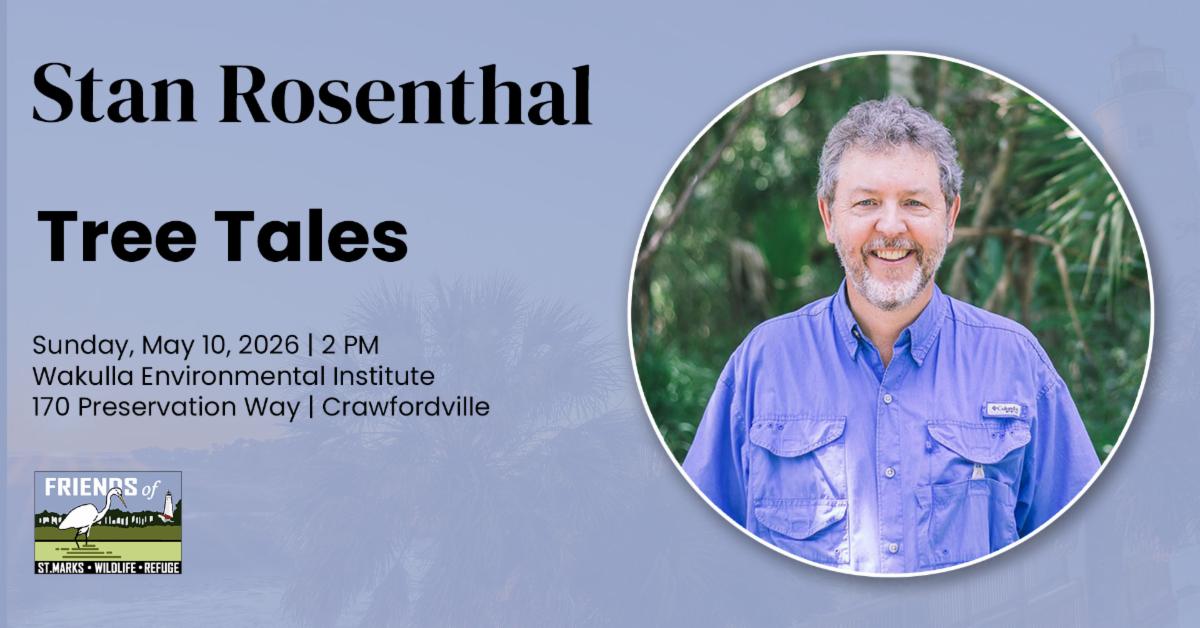
Join us for May's Second Sunday Talk, featuring Stan Rosenthal, who will discuss trees at the Refuge. Our region hosts some of the highest diversity in tree species in the country.
Register online to guarantee a seat.
| | |
Florida Wildlife Corridor Expedition - Longleaf to Lighthouse from the Red Hills to the Gulf
Text Courtesy Mallory Dimmit via Foundation Newsletter
Photos Courtesy Scott Arnold
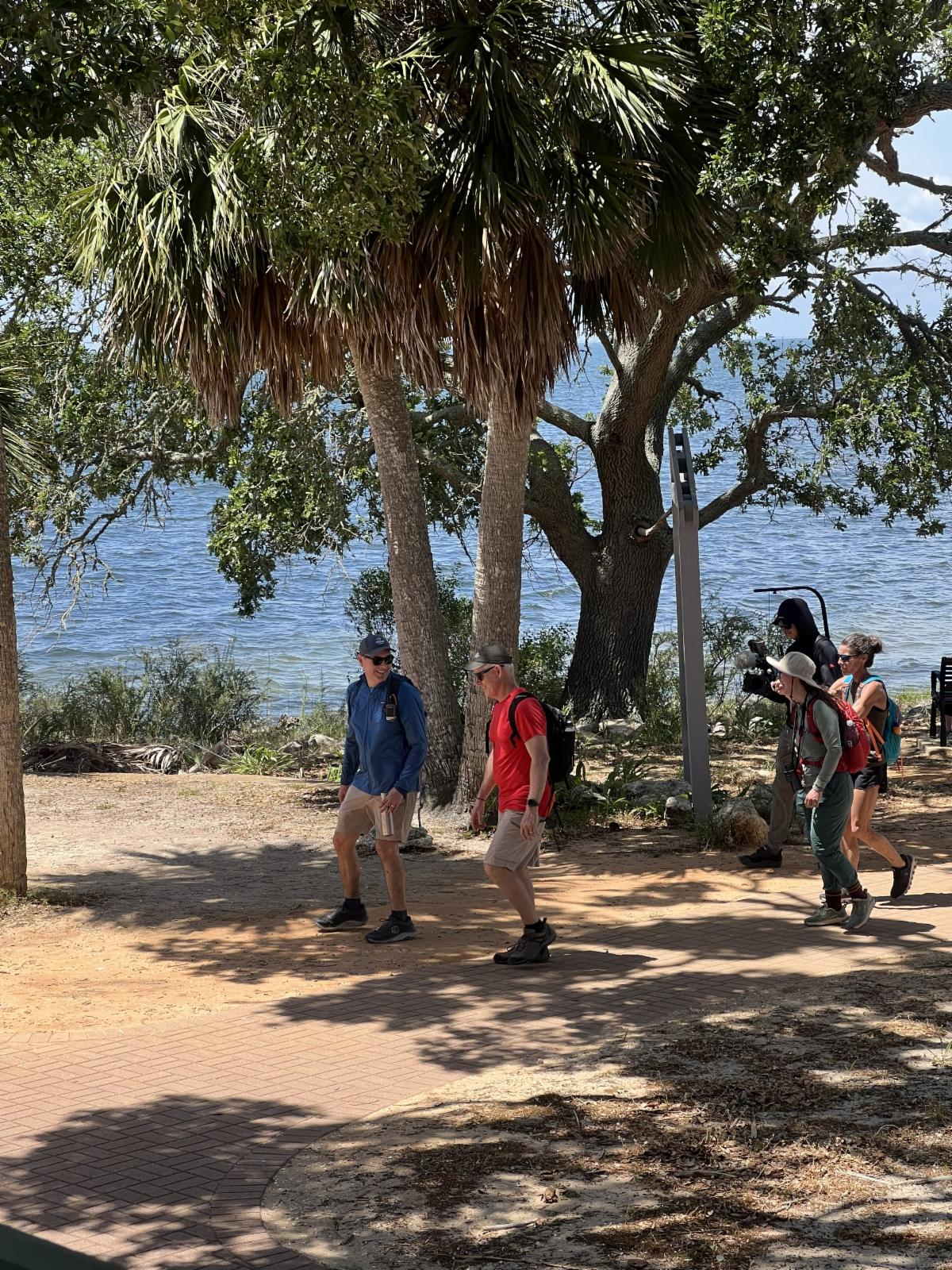
"Last week, we completed our eighth Florida Wildlife Corridor Expedition, the Longleaf to Lighthouse Expedition from the Red Hills to the Gulf. What started as an idea to connect local elected officals to the land became something much deeper. Along the way, it became clear that shared experiences outdoors can build lasting connections, bridge political differences, and create common ground to protect the Corridor for both wildlife and people.
As we reflect on this journey, I am filled with gratitude for the partners, supporters, and champions who continue to move this vision forward. It is because of this collaboration that I know the Florida Wildlife Corridor is the future of our state."
If you aren't familiar with the Florida Wildlife Corridor or want to learn more about this expedition, click here: Florida Wildlife Corridor or Meet the Trekkers
| | | | |
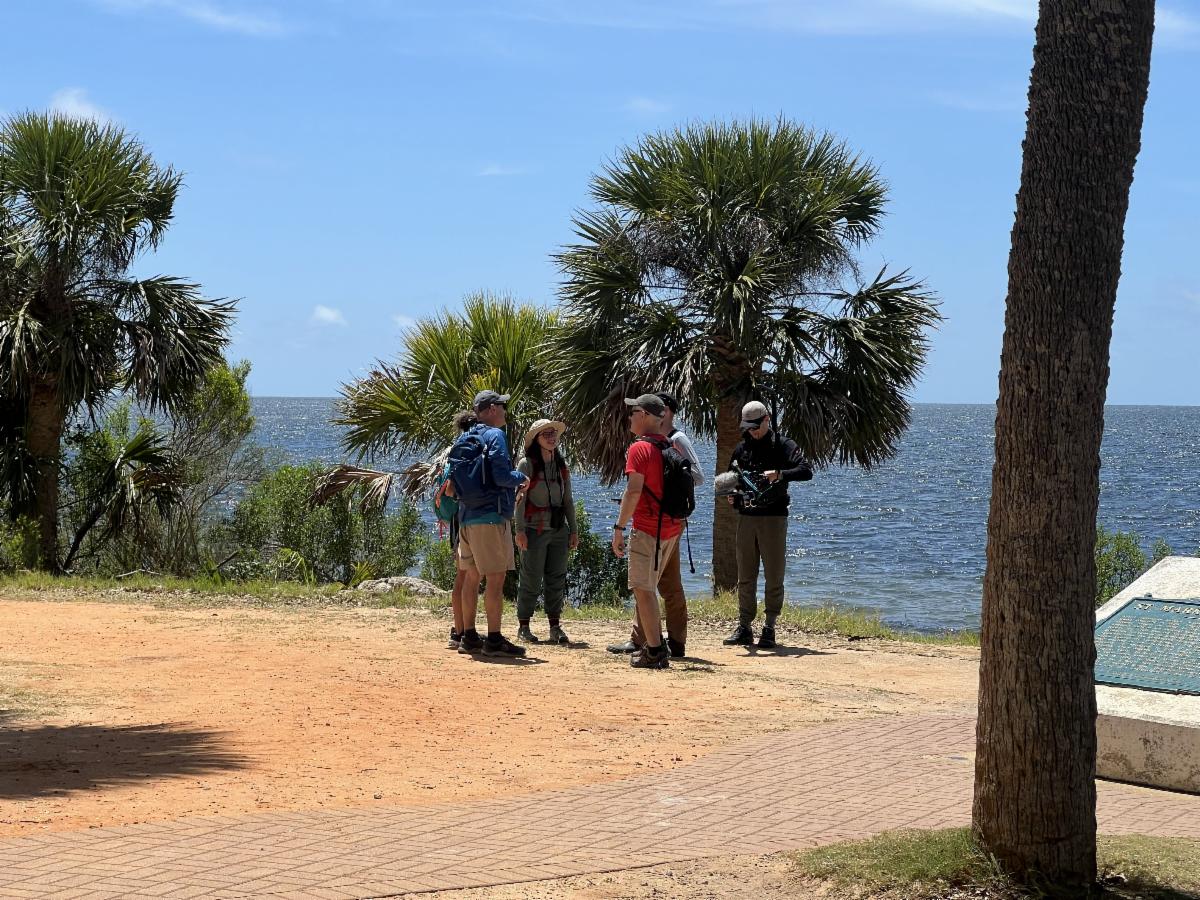
Picture left: Trekkers completing their journey that started in Thomasville, GA. Leaving on their last day of the expedition from the town of St. Marks, they swam the river, hiked the Florida Trail, and rode bikes down the levees to finish at the iconic St Marks Lighthouse.
Picture right: Trekkers soaking in the end of their adventure together.
| | |
A Run through Time - Port Leon and St Marks River Crossing on the Florida Trail
Text Courtesy Katasha Gruver
Photos Courtesy Katasha Gruver and Scott Arnold
After Travis Pollard’s inspiring Sunday Talk in March, we set out for a run to the old Port Leon site and then on to the spot where the Florida Trail crosses the St. Marks River. The morning greeted us with clear skies and temperatures in the high 50s; perfect adventure weather.
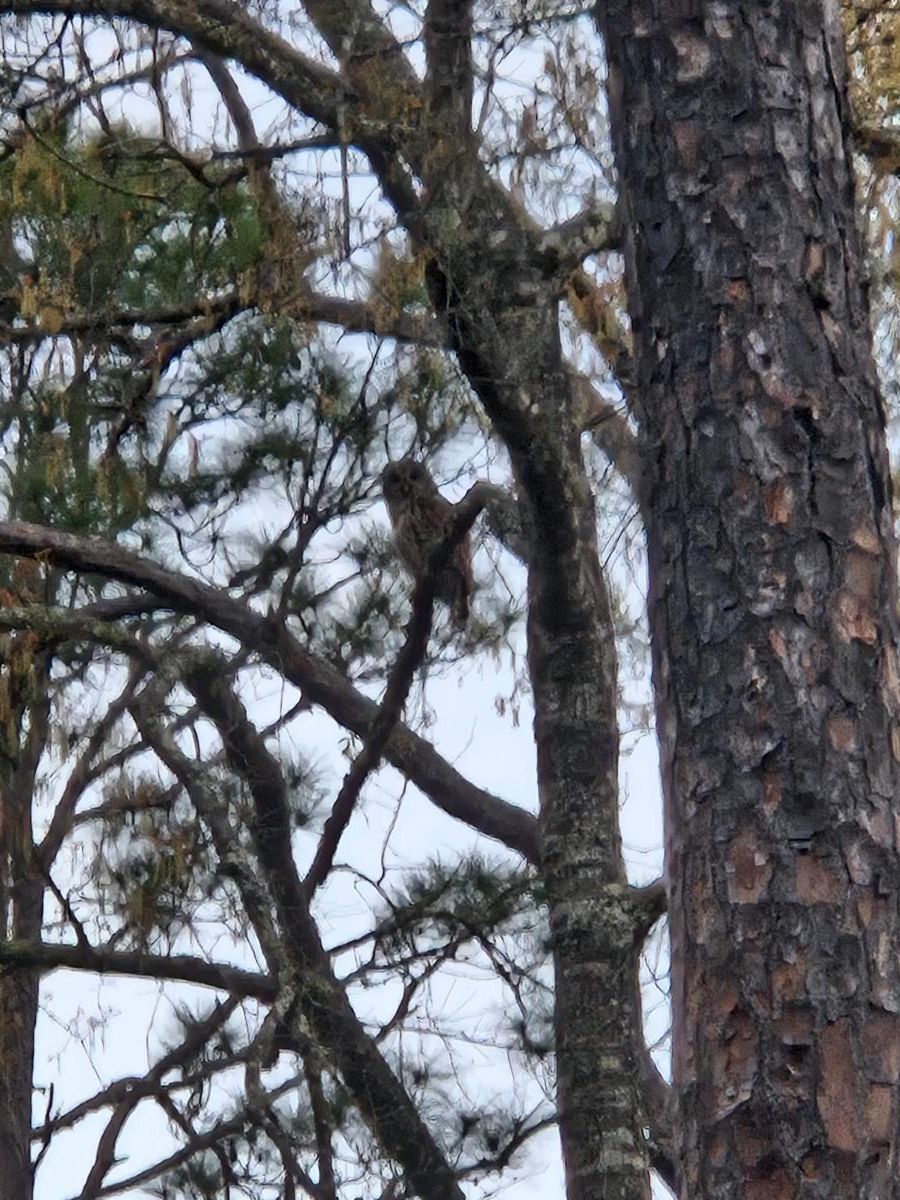
Leaving from the visitor center, we were quickly welcomed into the Refuge by its early risers. A barred owl offered our first sighting of the day, followed soon after by three swallow‑tailed kites chasing one another overhead. Pileated woodpeckers hammered in the distance, red‑shouldered hawks called from the canopy, and a wild turkey surprised us along a side road. Though the landscape isn’t vast here, the dawn light made the views along straight‑as‑an‑arrow Port Leon Road especially beautiful.
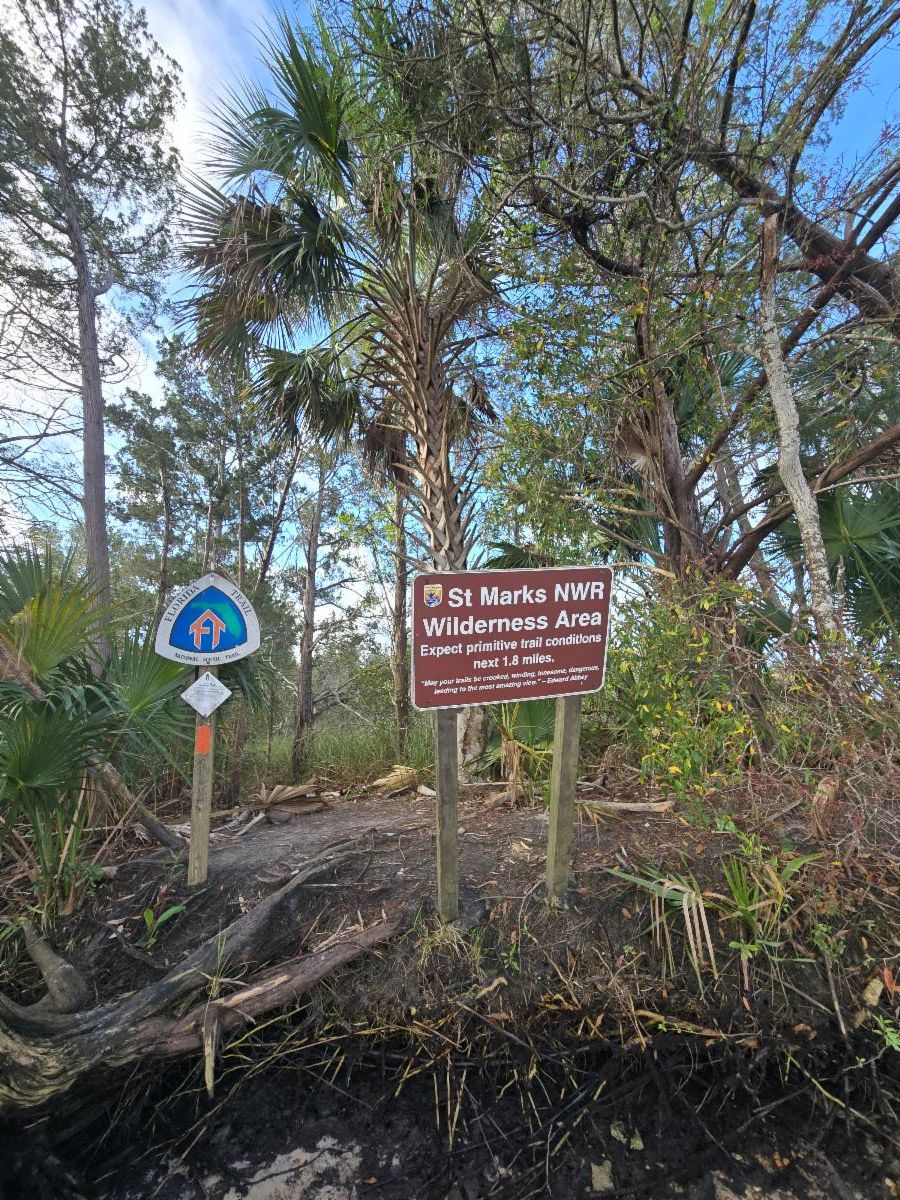
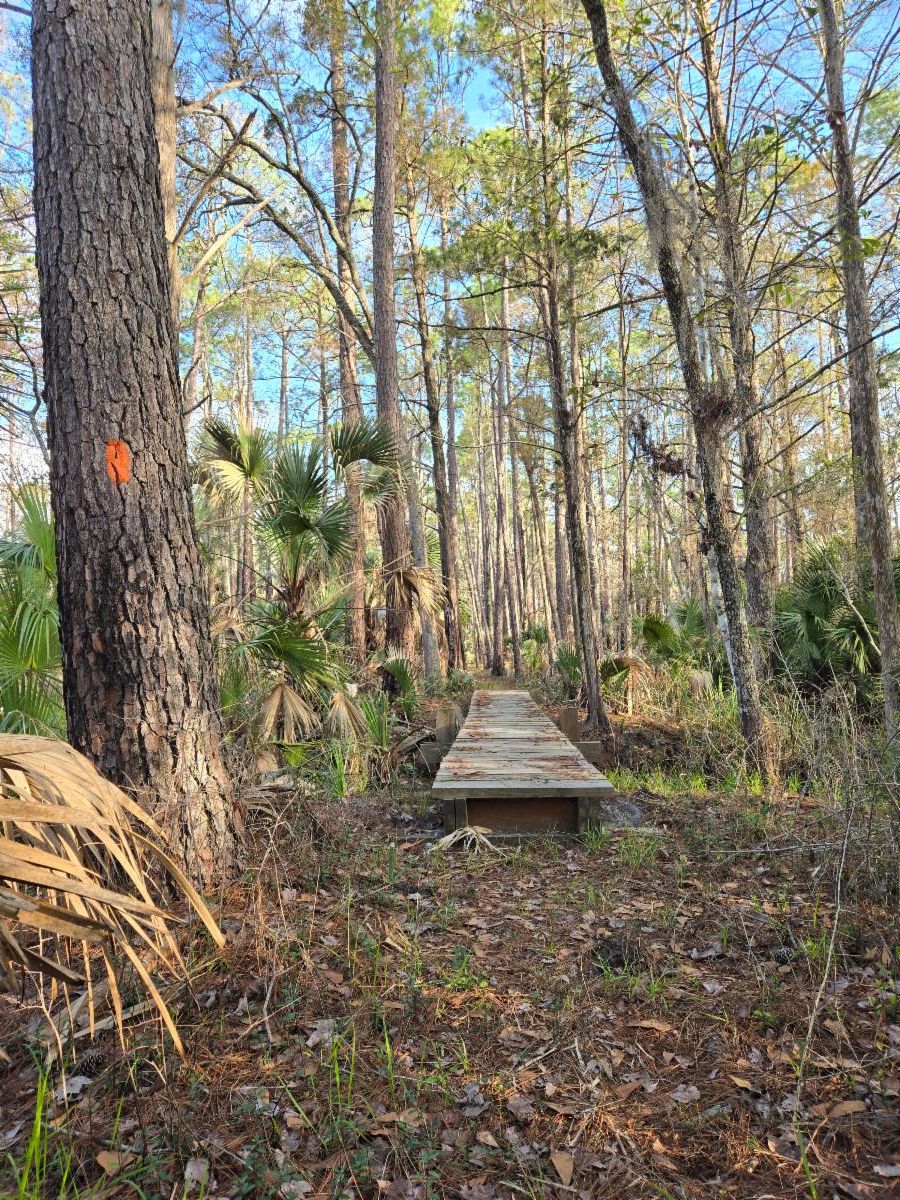
Around the three‑mile mark we reached the Port Leon campsite used by Florida Trail thru‑hikers, then continued toward the marsh. After a brief detour, we found the blue blazes leading to the old port site. The narrow trail encouraged us to walk, giving us time to enjoy the views which opened up quickly into the marsh, though the trail was flanked by large cabbage palms.
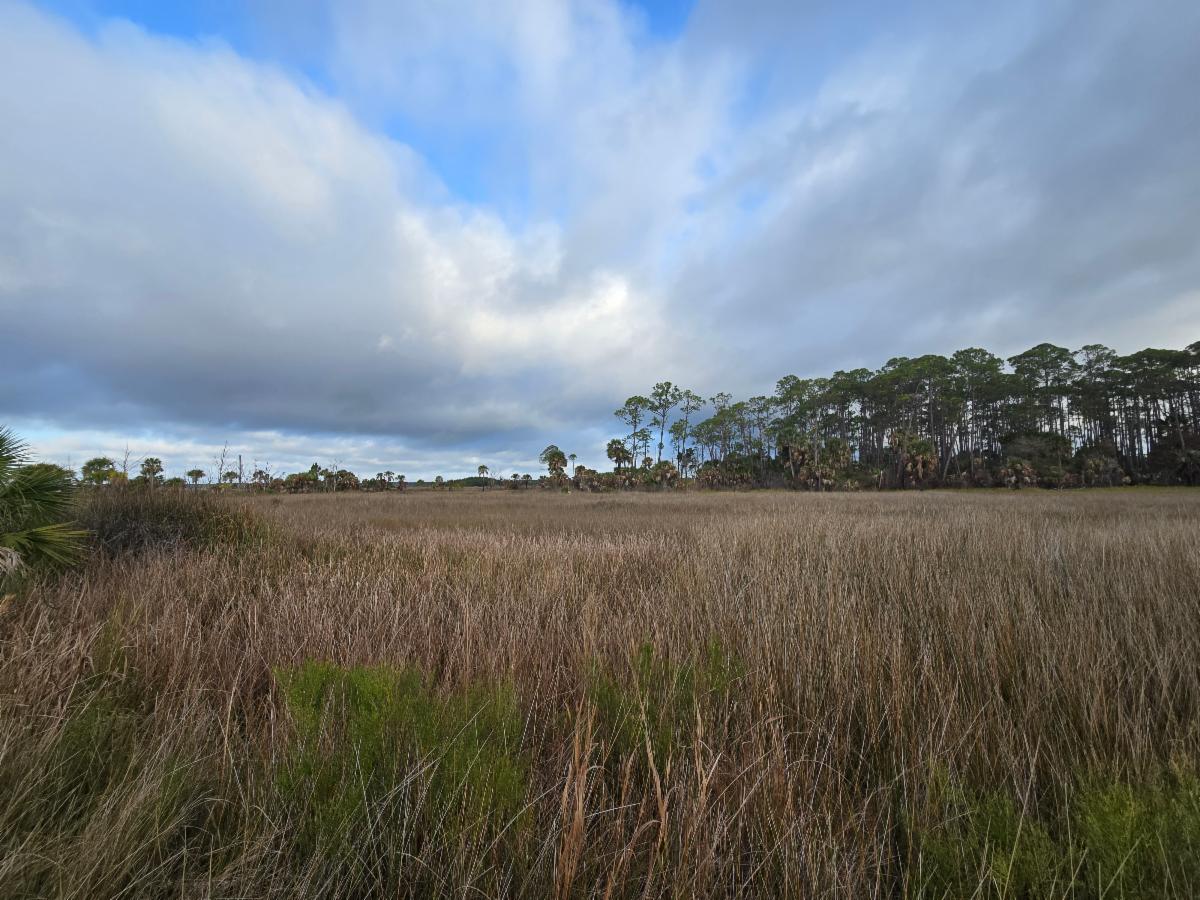
Before the gnats fully organized their attack, we snapped photos of the pines and sawgrass overlooking the wide river. Birds continued to appear as the morning brightened; a bald eagle perched high above, an osprey circling, a brown pelican gliding low. With the Merlin app we picked up clapper rails, marsh wrens, and laughing gulls. And, as always, new plants caught our attention; limewater brookweed made its way onto our list.
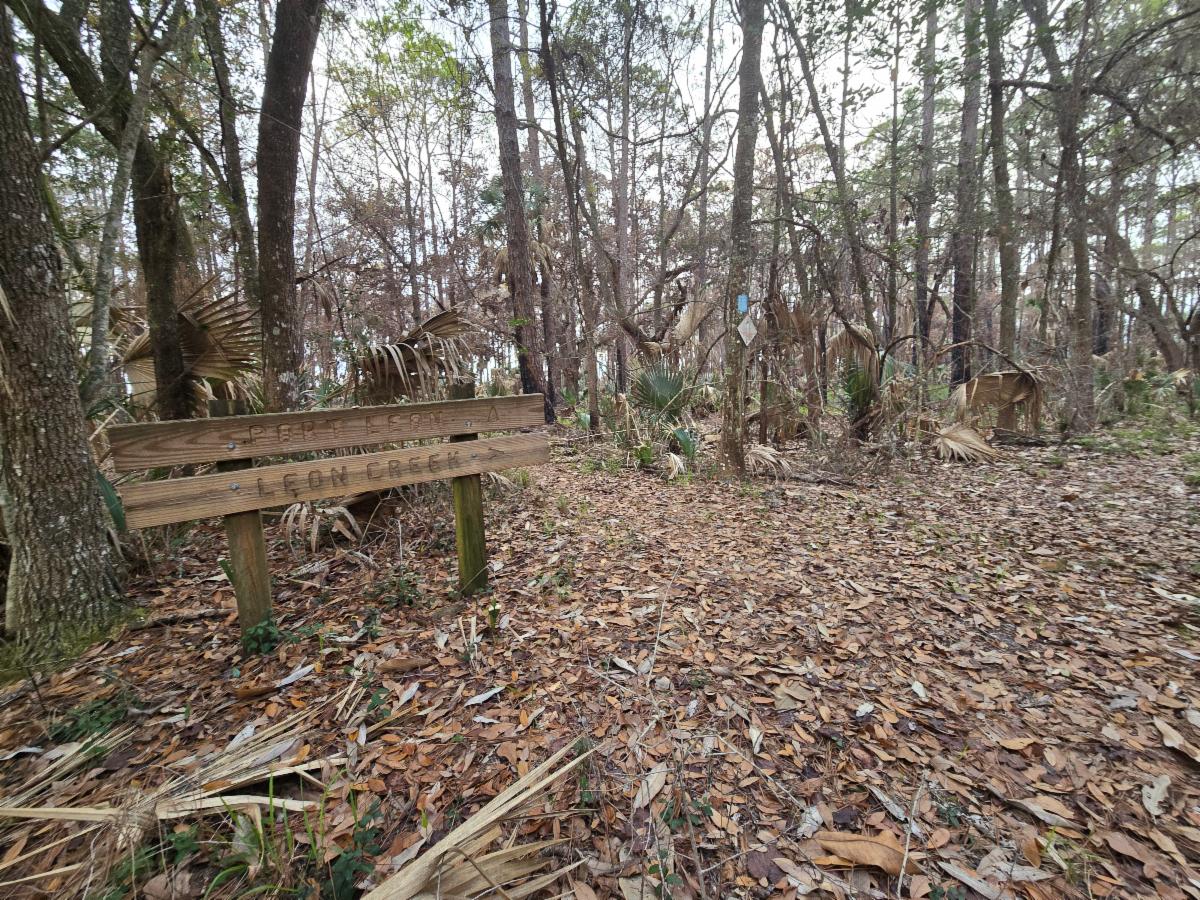
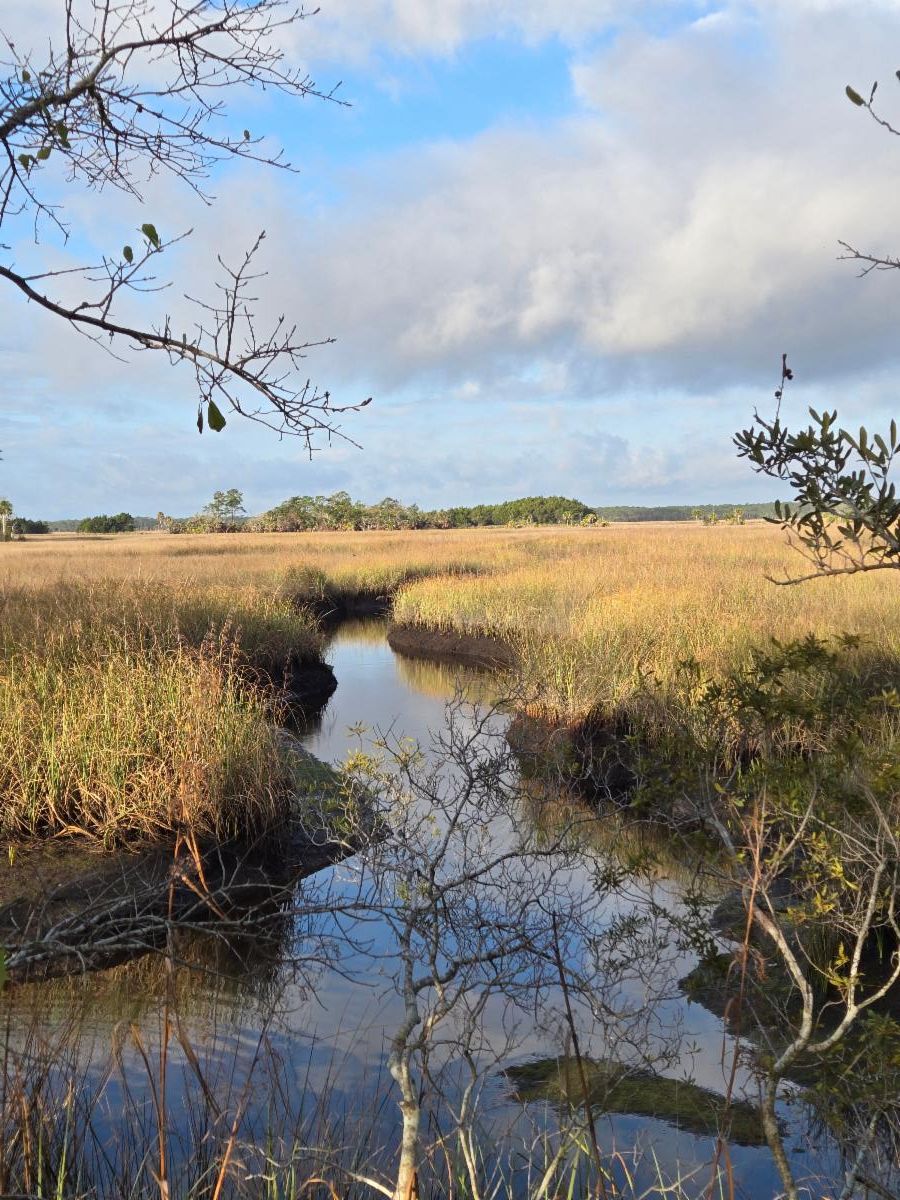
Not entirely sure of what our total mileage would turn out to be, we returned to the orange‑blazed main trail and headed toward Leon Creek. This must be where an old bridge washed out. Fortunately, low tide allowed us to climb carefully down the bank, navigate the slick rocks, and scramble up the far side. The view here became one of my favorites of the day, a winding tidal creek, deer crossing just ahead, and that rare feeling of being truly “out there,” with no boat engines, no cars, no planes. Just quiet.
| | |
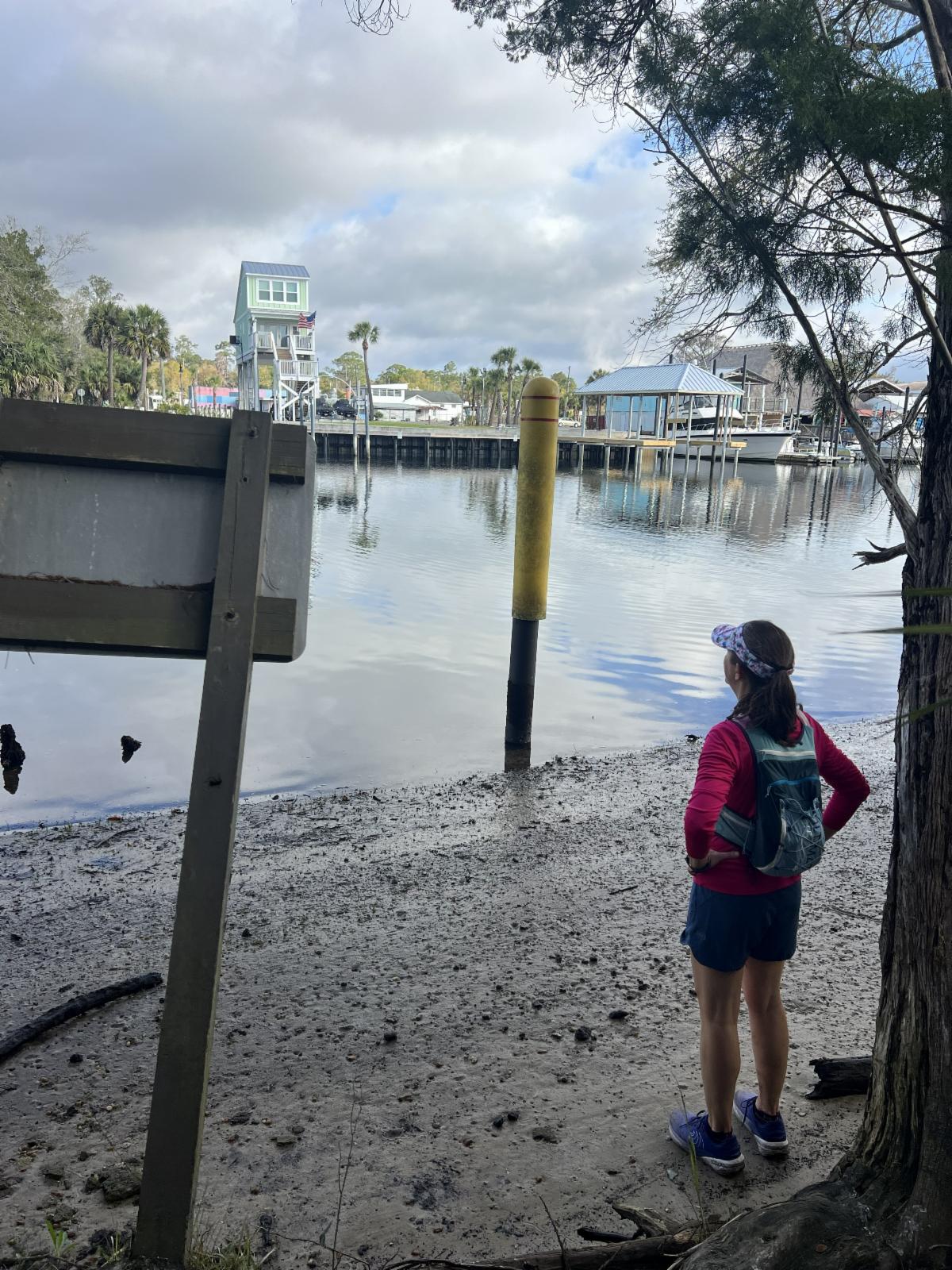
Some sections of trail were tricky to run, so we took our time over the small footbridges and along the narrow, meandering path until we reached the St. Marks River again. This is the spot where most hikers or runners would flag down a passing boat, though not the Florida Wildlife Corridor trekkers you read about earlier, who chose to swim. Having stood on the opposite bank many times, it was fun to see it from this side. A great egret added elegance to the scene, while grackles, red‑winged blackbirds, and mourning doves provided the soundtrack. As the day warmed, black vultures lifted from their roosts and began to soar.
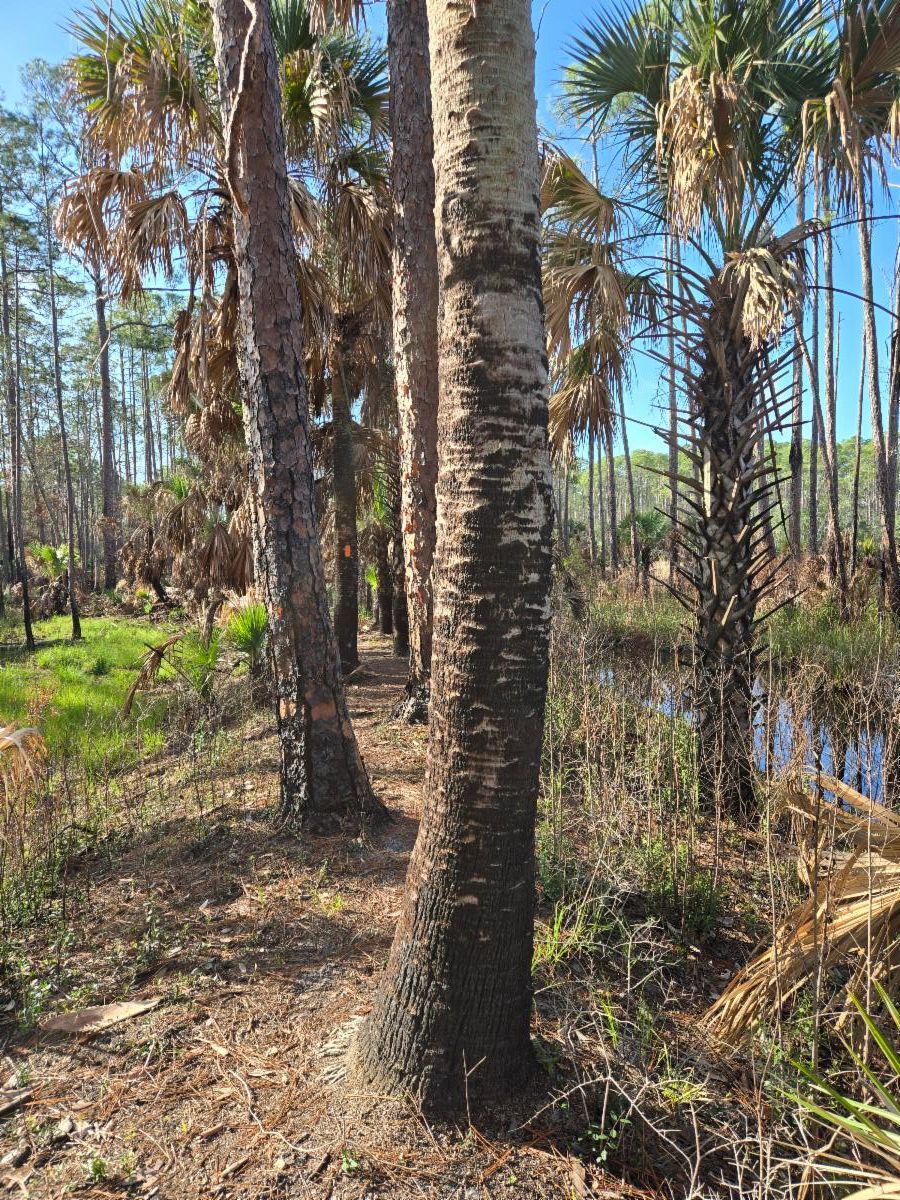
On the return trip we took the fork that avoided scrambling, and it proved just as scenic, with more footbridges and shaded stretches. We spotted southern coastal violet, our next new plant, and enjoyed seeing blue butterwort again. Back near the campsite, we headed east toward the visitor center, accompanied by red‑bellied woodpeckers, nuthatches, blooming thistle, and a few butterflies.
All told, this spectacular journey covers about ten miles and can easily be done as a bike‑and‑hike combination if preferred. Just bring plenty of water, a small first‑aid kit, and an adventurous spirit.
Happy trails.
| | Florida Trail at St Marks River | | Bridge on a section of the Florida Trail | | Barred Owl at start of run | | Become a member of the Longleaf Society today by clicking this graphic. Your monthly giving provides a tremendous boost to the Friends of St Marks Wildlife Refuge to keep providing the programs and services you have come to expect from this award winning organization. | | |
We Encourage our Friends to SHARE!
As almost all of you know, the Friends give 100% of their support to the St. Marks National Wildlife Refuge. An important way for you increase that support is to share our message. Therefore, when you get this newsletter, we encourage you to send it on to a friend. You can share it via email or through various other social media. Here's the link to the Friends Newsletter page. Scroll to the "current" entry and copy the link.
Text Courtesy Phillip Pollock
| | |
Bird Reports Assist Visitors
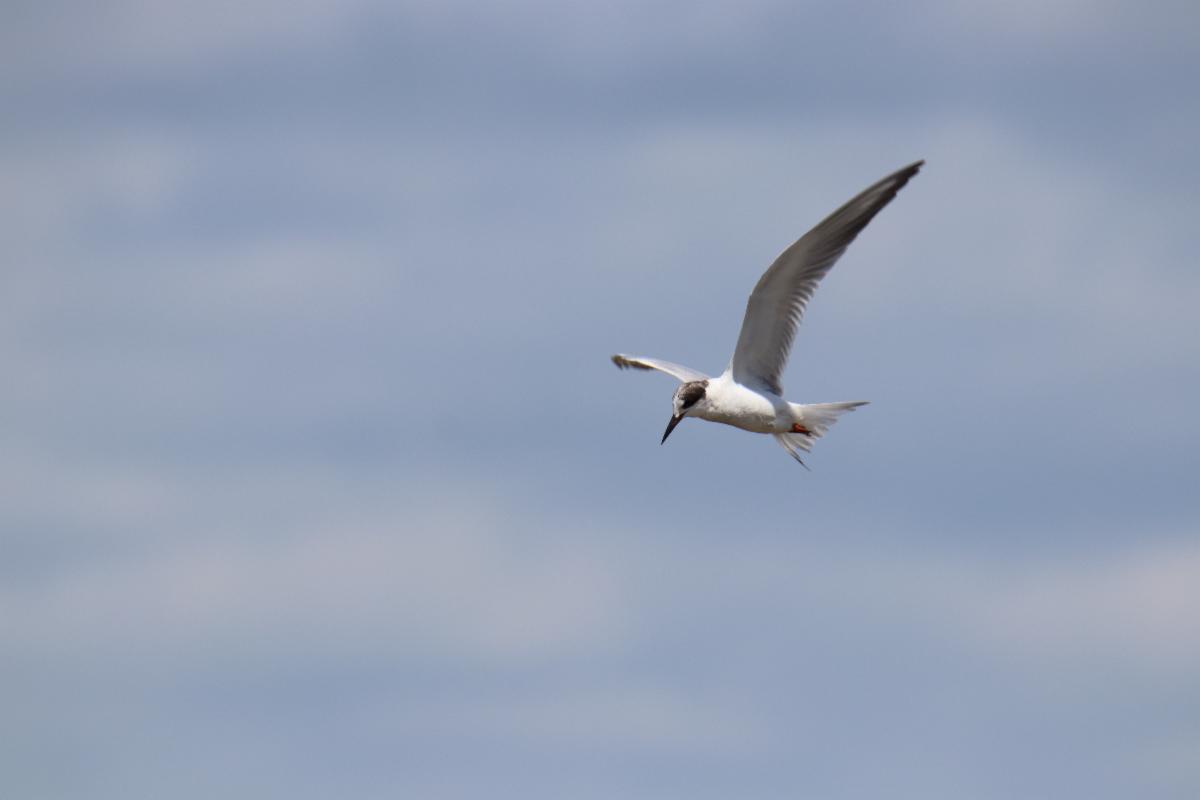
Don Morrow, St. Marks National Wildlife Refuge volunteer and expert birder, creates concise bird-sighting reports on a week-to-week basis. Read his current and past reports here.
Photo Courtesy Katasha Gruver
| | Have you considered including the Refuge in your will? The Friends of St. Marks Wildlife Refuge can provide information and guide you through the process. Just call the Refuge at 850-925-6121, and ask to be contacted by the Friends Board of Directors, or email us. | | |
Reflections newsletter is a benefit of membership for Friends of St. Marks Wildlife Refuge.
It also serves as an important supplement to
the Friends' website.
Both the newsletter and the web site provide members and the public information about volunteer activities and events at the Refuge.
Reflections editor: Katasha Gruver
| | | | |