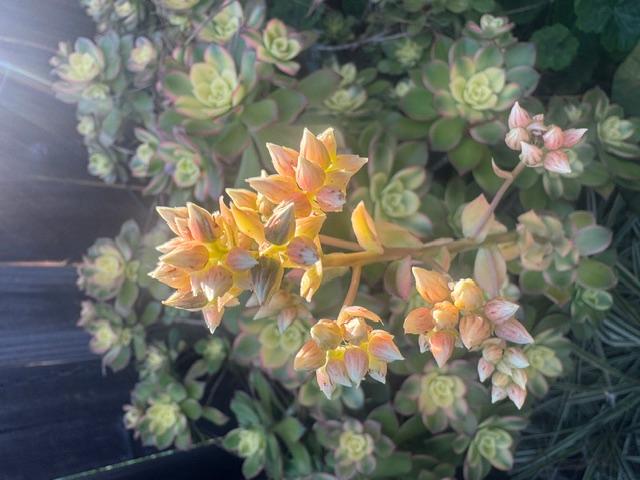
succulaent under sunlight by Gene Urban

Roots in Quiet Soil

Morning dew clings soft,

hands press seeds into warm earth—

sun hums them awake.

anonymous


We wish you happiness in your July garden and hope this month's County Bounty helps make it even better. Our focus is on maintenance and pest problems/solutions. Enjoy...


FYI: For those of us who love cacti and succulants, June 27th is the annual Succulants Show at the SB Women's Club.


Upcoming Summer Classes

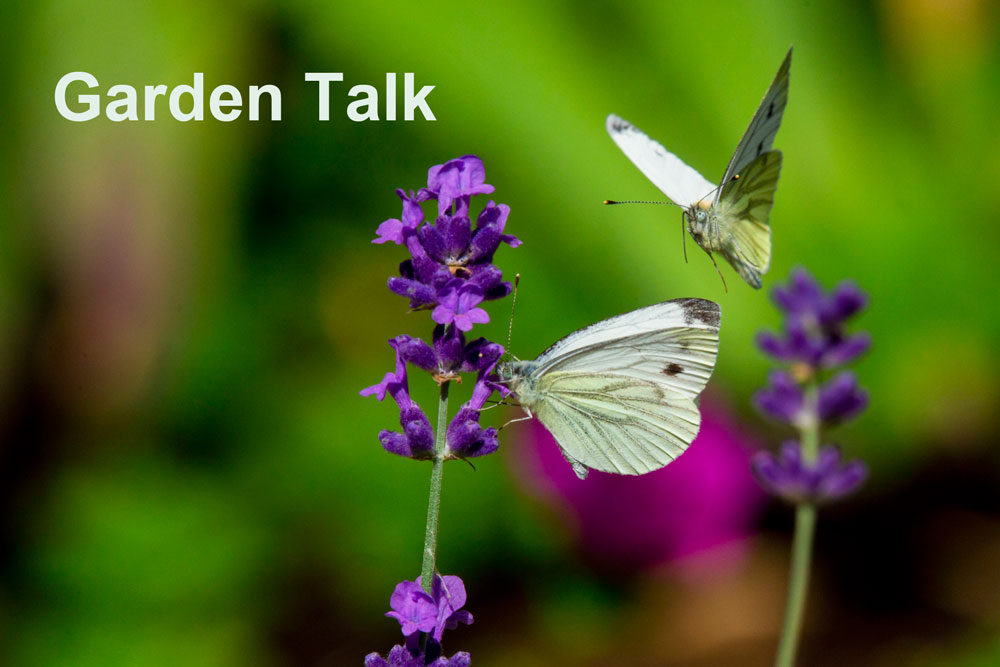
a beautiful butterfly pollinating a flower

Supporting Pollinators


It takes more than planting a Milkweed to keep our pollinators healthy. Join veteran Master Gardeners Trudy Adair-Verbais and Janet Rogers as they take a deep dive into this vital subject.


Date: Monday, July 6th

Time: 7:00 - 8:00 pm

Location: Zoom

Registration Required

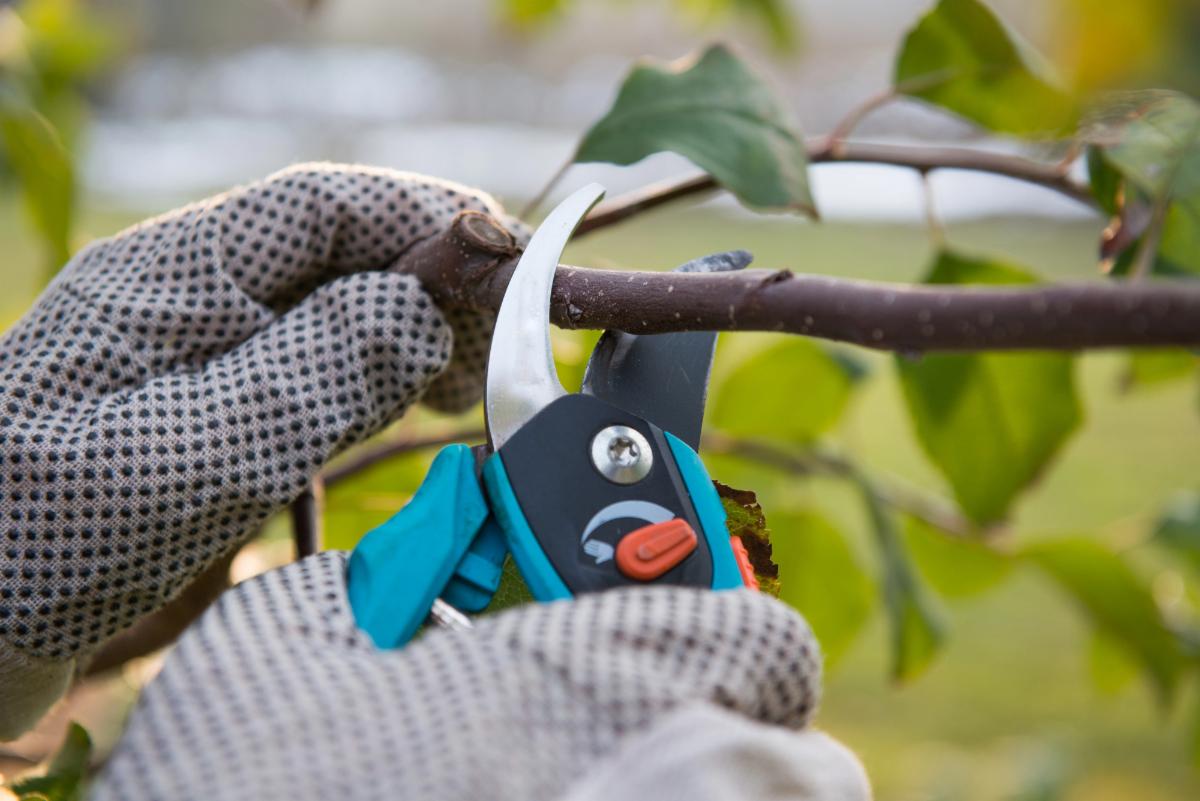
pruning fruit trees

Summer Pruning of

Fruit Trees


This is such a fun class as master gardeners teach the principles of summer pruning fruit trees. It's so empowering to learn this skill.


Date: Saturday, Aug 1st

Time: 10:00 - 12:00

Location: Mesa Harmony Garden

Registration Required

kids at a gardening class having fun

North County Classes

Children's Gardening - Ready, Set, Grow

This is part two of our kids gardening series. It is beyond fun to see the excitement children feel when learning to garden. It is quite special!


When: July 10, 2026 - 2:00 - 3:30

Where: Lompoc Public Library

Register Here

 
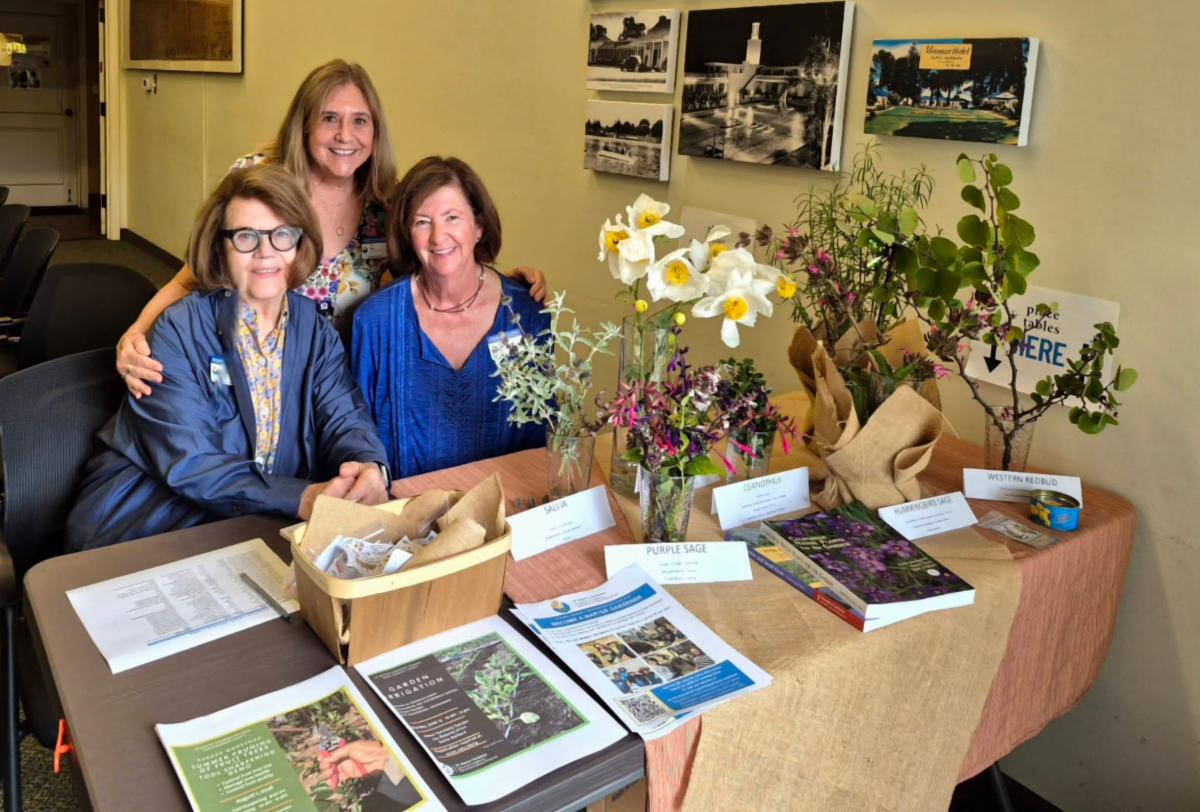
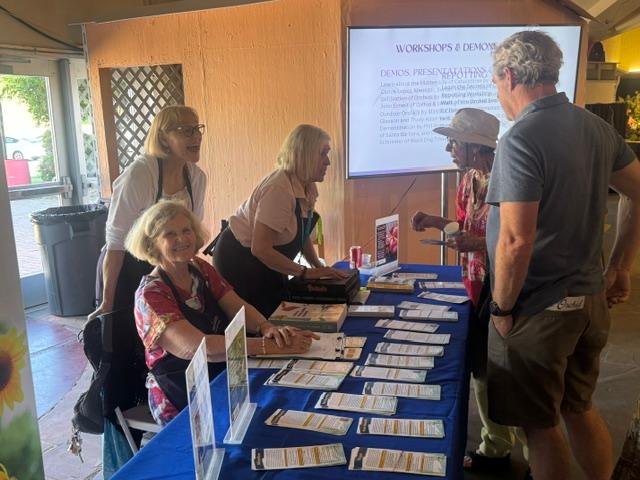
master gardeners at an information table
Maser gardeners at the Orchid Festival teaching classes and sharing information

photos courtesy of Lisa Jones/Gene Urban


Information and Help Tables


Gardening can be complicated; So many variables and questions. That's why we have help tables and a help line. Please let us help find the answers you need.


  • DT Farmers Market 7/11 - 9 am- 2 pm
  • Alice Keck Park Butterfly Garden - 7/8, 7/22 - 9-11
  • SB Botanic Gardens - 7/11 - 1- 3 pm
  • Mesa Harmony Gardens - none in July
  • Goleta Farmers Market - 7/12 - 10-2 pm


We will have a help table at the City's Pollinator-Palooza on June 28th. For more info click here.


Plus... our helpline volunteers love answering questions. Drop them an email at anrmgsb@ucanr.edu or call them at our new helpline number, 805-803-1802.

For more info about this program.. Click Here


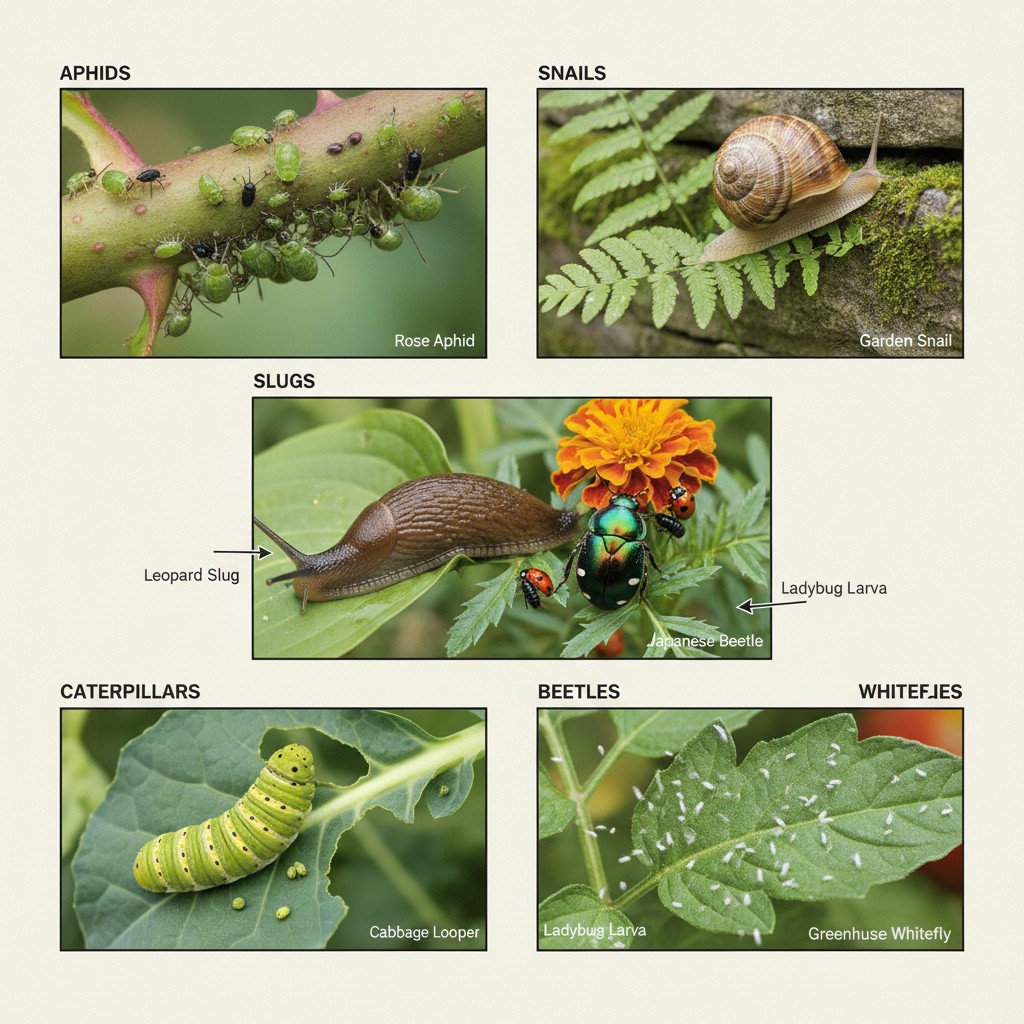
a collage of several common garden pests

Are Bugs Bugging You? Are Your Plants Hungry? We Have Ideas.


  • Aphids - On small plants, spray a strong stream of water or apply insecticidal oils and soaps. Look for and conserve natural enemies such as predaceous bugs, lacewings, lady beetles, and syrphids. They are your allies.
  • Asian citrus psyllid - If you have citrus, it's important to keep an eye out for these invasive pests.
  • Camellia, citrus, gardenia, grape, and other plants adapted to acidic soil - If leaves are yellowing between green veins (chlorotic), plants may benefit from foliar or soil application of iron and zinc chelate and mulching.
  • Clean up mummies and old fruit and nuts in and under trees to avoid harboring pests.
  • Cover fruit trees with netting to exclude birds and other vertebrate pests.
  • Fertilize cane berries, citrus, deciduous fruit trees, palms, and heavily flowering shrubs with a slow-release product.
  • Add mulch as needed. Moist is good. Remember, mulch is home to many beneficial critters and critical to building healthy soils.


The UC IPM website is a great

resource for diagnosing and treating

a wide range of pest problems.

Information Courtesy of UCANR
Picture Courtesy of Deposit Photos


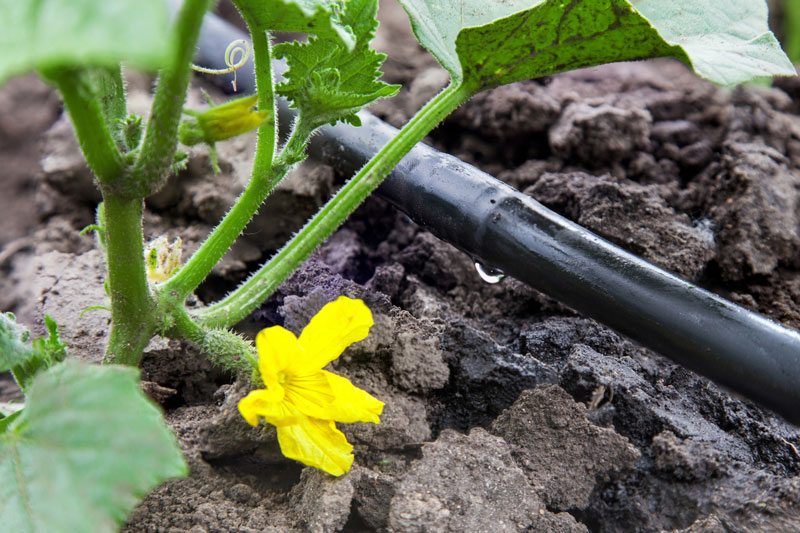
picture of drip irrigation tubing spraying water

Drip System Maintenance


July is a great time to do a deep inspection of your irrigation system. We are in peak water use season, and with demand comes a guy named Murphy.


1. Adjust the irrigation timer/controller to reflect changes in the weather. Temperature changes, rain, and excessive wind all affect water needs.


2. If your controller has a backup battery, it should be replaced annually. Replace the controller's battery once a year.

3. Inspect irrigation for leaks, clogs, and breaks of the main components

Check the pressure regulator, filters, valves, and backflow preventers. Clean them and spray them out with water.


4. Flush out the drip system. At the end of each drip irrigation run, open them up one at a time. Run each zone individually for a minute or two. Then turn off the zone. Close the ends.


5. Check the drip tubing for breaks and leaks. Slowly walk the whole property, listen, and look for leaks. Leaks can happen from shovels, animals, freezing, pruners, sun damage, and foot traffic.


6. Examine emitters, micro-sprayers and bubblers. Clean out the flag emitters, replace emitters and sprayers that don’t work. Move the emitters away from the crown of the plants and trees. Extend drip lines to match expanded tree drip lines.

Courtesy of Master Gardeners of Solano & Yolo Counties


A special shout-out for the fantastic turnout at our May irrigation classes. We so enjoyed sharing info and ideas with you.

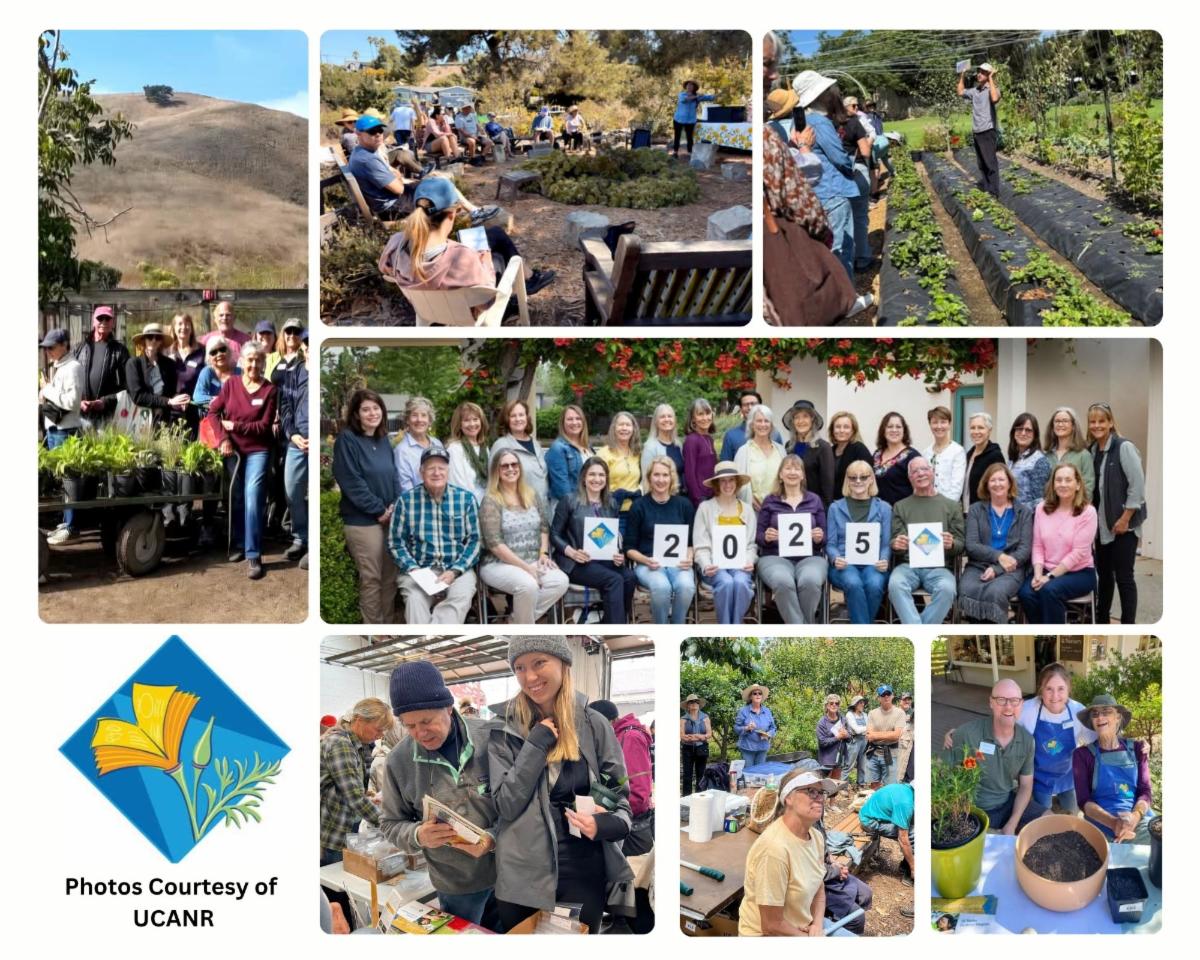
a collage of photos of master gardeners

Have You Thought or Dreamed About Becoming A Master Gardener? We are accepting applications for our next class.